Paperwhites are among the easiest bulbs to force indoors: unlike many spring bulbs, they generally do not need a period of chilling. Plant firm bulbs in pebbles and water or well-drained potting mix, give them bright light and moderate temperatures, and expect flowers in roughly four to eight weeks.
Before you begin, note two important details: paperwhite bulbs are toxic to dogs, cats, and horses, and their fragrance can be strong or musky depending on the cultivar and your sensitivity to scent.
As an Amazon Associate I earn from qualifying purchases.
What are paperwhites?
Paperwhites are types of narcissus, most commonly associated with Narcissus papyraceus and sometimes Narcissus tazetta. They produce clusters of white or bi-colored, strongly scented flowers on narrow stems. The Royal Horticultural Society describes Narcissus papyraceus as a bulbous perennial with narrow blue-green leaves and flower clusters that can reach approximately 35 cm (14 in) under suitable conditions.
For indoor growing, their main advantage is simplicity. Paperwhites generally do not require the extended cold treatment needed by many tulips, hyacinths, and other spring bulbs. Penn State Extension identifies paperwhites as bulbs that require no chilling, and Illinois Extension recommends them for indoor forcing.
#1 Best Overall

- TOP SIZE BULBS FOR BIG BLOOMS – 6 Large, healthy Paperwhite bulbs for strong growth and full flower clusters. 6 Top size bulbs. Grow indoors in water or soil or grow outdoors6 Top size bulbs. Grow indoors in water or soil or grow outdoors
- FAST FLOWERING INDOORS – Specially selected for quick sprouts and blooms during winter months. These amazing plants add color and the smell of spring and summer. Great for Christmas and Holiday Gatherings.
- VERSATILE PLANTING OPTIONS – Grow in soil, pebbles, glass vases, bowls, or decorative containers. Wonderful for pots or rock gardens
- GREAT GIFT IDEA – A living, low-maintenance gift for hostesses, teachers, coworkers, and neighbors. Very easy to grow. Great for beginner or expert.
- CZ GRAIN PROMISE: We take pride in providing premium seeds, bulbs, and plants carefully selected for strong germination and healthy growth. Every order is backed by our commitment to quality.
Safety first: keep bulbs away from pets
Every part of the plant should be treated with care around animals, but the bulb is the most poisonous part. The ASPCA identifies lycorine and other alkaloids as toxic principles in paperwhites. Ingestion may cause vomiting, drooling, diarrhea, and, after larger ingestions, more serious neurological or cardiovascular effects.
Keep bulbs, bulb pieces, leaves, flowers, and drained water inaccessible to pets. If a dog, cat, or horse may have eaten any part of the plant, contact a veterinarian or an animal poison-control service promptly. Do not wait for symptoms to appear.
Choose good bulbs
Start with large, firm bulbs. Avoid any bulb with mold, soft or sunken areas, leaking tissue, or extensive discoloration. Larger bulbs generally contain more stored energy and tend to make a stronger display.
Quick wins for a faster PC:
Scan for outdated or missing drivers - takes under a minuteDriver Scan →Clear out junk files and repair common Windows errorsFree Scan →Fix the driver behind crashes, sound loss and screen glitchesFind Drivers →Bulbs with a small green shoot already emerging can still grow successfully, but minimally sprouted bulbs give you more control over timing. Common cultivars include ‘Ziva,’ ‘Bethlehem,’ ‘Galilee,’ ‘Grand Soleil d’Or,’ ‘Inbal,’ and ‘Wintersun.’ ‘Ziva’ is widely available and usually white-flowered, but fragrance varies among cultivars. If scent matters, check the cultivar description from a reputable bulb supplier rather than assuming all paperwhites smell the same.
For the central purchase, look for paperwhite narcissus bulbs from a source that identifies the cultivar and provides firm, healthy bulbs. Do not infer a bloom date or flower count from the product name alone: bulb size, storage conditions, cultivar, and the temperature of your home all affect the result.
Choose a growing method
There are two dependable ways to grow paperwhites indoors:
- Pebble or water culture: attractive and clean, with roots visible through a glass container, but water level must be controlled carefully.
- Potting-mix culture: more forgiving about watering and easier to continue growing after flowering, provided the container drains freely.
Method 1: Grow paperwhites in pebbles and water
- Select a stable container. Use a shallow bowl or vase approximately 3–5 inches deep. A clear glass container makes root growth visible, but choose one that is heavy or wide enough to support the plants as they become top-heavy.
- Add the growing medium. Use washed pebbles, gravel, or decorative stones. Rinse away dust and fine material that could make the water cloudy.
- Position the bulbs. Set the bulbs on top of the pebbles with the roots or basal plates facing downward. Pack them close together for a full display, while leaving enough space for them to sit upright.
- Add water carefully. Fill the container until the water reaches the basal plates—the flat bottom area from which roots emerge. The body of the bulb must remain above the waterline. Do not submerge the bulb.
- Check the level frequently. Add water as it evaporates or is taken up by the roots, but keep it at the root zone rather than covering the bulb. A container without drainage is appropriate for this method only when the water level is monitored closely.
A glass bulb vase and decorative pebbles can make this method easier to display, but the accessory does not remove the need to keep the bulb itself dry. Constant immersion is a common cause of rot.
Method 2: Grow paperwhites in potting mix
- Use a draining container. Choose a pot with drainage holes. A shallow pot works well for a group planting, provided it is stable and has room for roots.
- Fill with quality soilless mix. Avoid dense garden soil in an indoor container. Use a well-drained indoor potting mix.
- Plant the bulbs closely. Space them approximately 1 inch apart or less for a full display. Leave the upper portion of each bulb exposed rather than burying it completely.
- Water thoroughly once. After planting, water until excess drains from the bottom. Empty any saucer so the pot is not left standing in water.
- Maintain even moisture. Water again when the surface and upper layer of mix begin to dry. The mix should be moist, not saturated or muddy.
Paperwhites do not need supplemental fertilizer during the initial forcing period. The bulb contains enough stored nutrients for its first display. An indoor potting mix and a container with drainage are more useful than fertilizer at this stage.
Light and temperature: the key to sturdy stems
Place newly planted bulbs in a cool location while their roots establish. Approximately 50–60°F (10–16°C) is a useful early-growth range according to Illinois Extension. Once shoots emerge and begin developing, provide strong light. A bright windowsill can work; in a dim room, a grow light positioned according to its manufacturer’s instructions can help prevent weak, elongated growth.
Rank #2
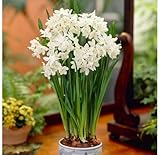
- You'll receive 10 Paperwhite Daffodils bulbs (no pot or container is included)
- Can be grown in a flower pot on your kitchen counter
- No pre-chilling required
- Comes with 2 pages of complete growing instructions and tips
- Large & Healthy 14+cm bulbs
Excessive warmth and low light are the main conditions behind tall, floppy paperwhites. During active growth, temperatures in the 60s°F are generally more helpful than a hot location beside a radiator, furnace vent, or sunny heat-trapping window.
Turn the container periodically if stems lean toward the window. If the foliage is already bending, use discreet supports rather than trying to force the stems upright after they have become very weak.
The Tool Desk
Outbyte PC Repair FREEClear out junk files and repair common Windows errorsFree Scan →Outbyte Driver Updater FREEScan for outdated or missing drivers - takes under a minuteDriver Scan →Watering without causing rot
In potting mix
Check the mix with a finger every few days. Water when it begins to dry, then let excess drain away. A constantly wet pot can suffocate roots and encourage bulb rot, especially if the container has no drainage hole.
In pebbles
Keep water close to the basal plates and developing roots, but never let it cover the bulb. If the bulb has been sitting in water, lower the level immediately and inspect it for soft tissue or an unpleasant smell. Remove badly rotted bulbs so they do not contaminate the display.
How long do paperwhites take to bloom?
Plan on approximately four to eight weeks from planting to flowers. Under roughly 68–70°F room conditions, Penn State reports rooting in about two to three weeks and flowering at around six weeks. Other extension guidance commonly gives a four-to-six-week estimate.
The actual schedule depends on bulb maturity, cultivar, storage history, whether the bulb was already sprouting, light, and temperature. A warm room may speed development but also produces taller stems and flowers that open quickly. A cooler location generally slows the display.
Free tools Windows power users keep installed
One-click scans. No signup required.
Once flower buds begin opening, move the container away from direct sun and heat sources to a cooler part of the home. Blooms commonly last about two to three weeks, with cooler conditions often extending their useful display life.
Rank #3

- FAST FLOWERING BULBS: These prechilled Paperwhite Ziva bulbs bloom quickly indoors, giving you beautiful white flowers in just weeks. Perfect for adding instant elegance to any space.
- LARGEST PREMIUM BULBS: Larger bulbs produce more flowers per stalk, with stronger stems and richer fragrance, delivering the ultimate indoor display.
- LOW-MAINTENANCE BEAUTY: Minimal care required – just provide water and light. These bulbs practically take care of themselves, ideal for busy plant lovers or beginners.
- VERSATILE DECOR: Grows beautifully in pots, vases, bonsai trays, or tablescapes, perfect for home décor, holidays, weddings, and seasonal arrangements.
- MEANINGFUL LIVING GIFT: Paperwhites symbolize purity, hope, and new beginnings, making them an ideal gift for loved ones or special occasions.
Prevent paperwhites from flopping
Flopping is common because paperwhite flower clusters can become heavy on slender stems. Use these measures in order:
- Increase light. Move the plants to a bright window or use supplemental lighting if shoots are pale and stretched.
- Reduce excessive warmth. Keep them away from heaters and hot rooms. Temperatures in the 60s°F during active growth can help moderate elongation.
- Rotate the container. This encourages more even growth when light comes from one direction.
- Add support. small plant stakes, a narrow ring, or a few unobtrusive ties can hold stems without damaging them. Support is a practical solution, not a sign that the bulbs have failed.
Optional height-control treatment: diluted alcohol
Cornell research on ‘Ziva’ paperwhites grown in pebble culture found that dilute ethanol solutions reduced leaf and stem elongation without visible root injury at root-zone concentrations from 1% to 5% in the tested range. Concentrations of 10% or more caused toxicity symptoms in that study.
Cornell’s consumer guidance describes replacing the initial water with a 4–6% alcohol solution after roots have formed and shoots are approximately 1–2 inches tall. For a 40% alcohol spirit, the cited dilution is approximately one part spirit to seven parts water. Beer and wine are unsuitable because their sugars can encourage plant problems.
This is optional, not necessary for flowering, and should not be interpreted as permission to use undiluted alcohol. Do not apply the method before roots have formed, use a stronger mixture, or substitute beer or wine. If you are uncertain about measuring the dilution, use strong light, cooler temperatures, and physical support instead.
Managing fragrance
Paperwhite fragrance is subjective and cultivar-dependent. Some people enjoy the sweet scent; others find it musky, pungent, or unpleasant. Even a cultivar described as fragrant may smell different in a small room than in a large, ventilated space.
If the scent is too strong, move the container to a larger room with good air circulation. Avoid placing it beside a bed, desk, or dining area if the fragrance is distracting. For a future planting, choose a cultivar described by a reputable supplier as less strongly scented, while recognizing that “less fragrant” is not a guarantee of no odor.
Independent reader supportYour contribution helps us test, update, and keep practical guides available for everyone.What to do after flowering
Remove faded flowers and spent flower stalks, but allow the leaves to remain for a while. The foliage is still carrying out photosynthesis and may help the bulb recover some energy.
Recommended Free Tools
Rank #4

- TOP SIZE BULBS FOR BIG BLOOMS – 4 Large, healthy Paperwhite bulbs for strong growth and full flower clusters. 4 Top size bulbs. Grow indoors in water or soil or grow outdoors
- FAST FLOWERING INDOORS – Specially selected for quick sprouts and blooms during winter months. These amazing plants add color and the smell of spring and summer. Great for Christmas and Holiday Gatherings.
- VERSATILE PLANTING OPTIONS – Grow in soil, pebbles, glass vases, bowls, or decorative containers. Wonderful for pots or rock gardens
- GREAT GIFT IDEA – A living, low-maintenance gift for hostesses, teachers, coworkers, and neighbors. Very easy to grow. Great for beginner or expert.
- CZ GRAIN PROMISE: We take pride in providing premium seeds, bulbs, and plants carefully selected for strong germination and healthy growth. Every order is backed by our commitment to quality.
That recovery does not guarantee another display. Forced bulbs have already used substantial stored resources, and bulbs sold in pre-forced holiday kits often rebloom unreliably. Illinois Extension notes that growers may try to retain them, while Penn State and the University of Minnesota treat forced paperwhites as reasonable candidates for composting after flowering.
If you want to try saving a bulb, keep the leaves growing in bright light, water soil-grown plants carefully, and wait until the foliage yellows naturally before removing it. In mild climates, paperwhite types may survive outdoors, but outdoor performance is geography-dependent. They are not suitable for outdoor overwintering in colder regions such as Illinois, while the RHS notes that Narcissus papyraceus can survive outdoors in mild areas or be grown under cover. Check local USDA hardiness guidance—or equivalent local climate advice—before planting outdoors.
Succession planting for winter flowers
For a longer season, start separate containers approximately every 10 days. This can provide repeated blooms through winter, although no schedule is exact. Bulb condition, cultivar, temperature, and light can shift flowering dates by days or weeks.
A kit can be convenient for a first attempt: a paperwhite bulb-growing kit may combine bulbs and basic supplies, but inspect what is included. Kit quality, bulb size, cultivar, container, and growing medium vary, so do not assume every kit contains a draining pot or enough material for the number of bulbs advertised.
Outdated Drivers Are Slowing You Down
One free scan finds every outdated or missing driver and matches the right update for your exact hardware.Free scan · exact hardware matchWindows Errors? Fix Them Before They Spread
Repair common Windows errors and clear accumulated junk for a smoother, more stable PC - no reinstall needed.Free scan · no reinstallPaperwhite troubleshooting checklist
| Problem | Likely cause | What to do |
|---|---|---|
| No roots or shoots | Weak or damaged bulbs, unsuitable moisture, or an excessively cold location | Confirm that bulbs are firm, keep soil evenly moist or the basal plate just above water, and move the container to a suitable cool-to-moderate location. Paperwhites do not need pre-chilling. |
| Bulbs are soft or rotting | Bulbs were submerged or soil stayed saturated | Lower the water to the basal plate in pebble culture. In soil, improve drainage, empty the saucer, and remove badly damaged bulbs. |
| Stems are tall and weak | Too little light, excessive warmth, or heavy flower clusters | Increase light, move away from heat, keep growth moderately cool, and add stakes or other support. The carefully diluted Cornell alcohol method is an optional alternative. |
| Flowers opened too quickly | High temperature or direct sun | Move the container away from heat and strong direct sunlight to a cooler location. |
| The odor is overpowering | A strongly scented cultivar or poor ventilation | Move the display to a larger, well-ventilated room and choose a less strongly scented cultivar next time. |
| Plants lean toward one side | One-sided light | Rotate the container regularly or add supplemental light. |
Quick care summary
- Choose large, firm bulbs free of mold and soft spots.
- Do not pre-chill paperwhites.
- For water culture, keep only the basal plate and roots near water; keep the bulb body dry.
- For soil culture, use a draining pot and keep the mix evenly moist, never waterlogged.
- Give shoots strong light and avoid excessive warmth.
- Expect flowers in approximately four to eight weeks and a display lasting about two to three weeks.
- Move flowering plants away from heat and direct sun to extend the display.
- Keep every part of the plant, especially bulbs, away from pets.
Frequently Asked Questions
Do paperwhites need to be chilled before planting?
Generally, no. Paperwhites are suitable for indoor forcing without the extended cold treatment required by many other spring bulbs.
Can paperwhites grow in just water?
Yes, when their roots grow through pebbles or gravel. Keep the water at the basal plate and root zone, but keep the bulb itself above the waterline to reduce the risk of rot.
Why are my paperwhites falling over?
Low light and excessive warmth encourage elongated stems, while the flower clusters add weight. Increase light, move the plants away from heat, keep them moderately cool, and use small stakes or other supports if needed.
Will paperwhite bulbs bloom again next year?
Rebloom is possible to attempt but unreliable, especially for bulbs sold in pre-forced kits. Many growers compost forced bulbs after flowering rather than expecting a dependable second display.
What’s actually slowing this PC down?
Pick the symptom - the matching free tool is one click away.
Are paperwhites poisonous to cats and dogs?
Yes. Paperwhites are toxic to dogs, cats, and horses, with the bulb being particularly poisonous. Keep bulbs and plant material inaccessible and contact a veterinarian or animal poison-control service if ingestion is suspected.
The Bottom Line
For the most reliable paperwhite display, use firm bulbs, keep them above standing water, provide bright light and moderate temperatures, and move them to a cooler spot as flowers open. Expect a fast, usually four-to-eight-week indoor display—but treat rebloom as a bonus rather than a promise, and keep the bulbs away from pets.
Quick Recap
Product prices and availability are accurate as of the date/time indicated and are subject to change. Any price and availability information displayed on Amazon at the time of purchase will apply.

