What’s actually slowing this PC down?
Pick the symptom - the matching free tool is one click away.
The right care for lobelia depends on which lobelia you bought. Low, trailing bedding lobelia (Lobelia erinus) is usually grown as a cool-season annual in most of the United States. It prefers evenly moist, well-drained soil and often flowers heavily in spring before declining in hot weather. Tall cardinal flower (Lobelia cardinalis) and great blue lobelia (Lobelia siphilitica) are moisture-dependent native perennials for rain gardens, pond margins, wet meadows, and other sites that do not dry out.
Identify the plant before choosing its location: use L. erinus for containers, window boxes, hanging baskets, and edging; use cardinal flower for brilliant red flowers and hummingbirds in reliably moist soil; and use great blue lobelia for blue flowers in a moist native or pollinator garden. The most common mistakes are treating bedding lobelia like a wetland plant, or planting a perennial lobelia in soil that dries out.
As an Amazon Associate I earn from qualifying purchases.
Identify your lobelia before planting
The common name lobelia covers plants with very different sizes, life cycles, and moisture requirements. Check the botanical name on the plant tag or seed packet, then match the plant to the table below.
| Type | How to recognize it | Life cycle and hardiness | Best growing conditions |
|---|---|---|---|
| Bedding lobelia Lobelia erinus |
Low, compact, mounding, or trailing growth with small blue, purple, pink, red, or white flowers. Common in baskets, containers, window boxes, and borders. | A tender perennial, generally hardy only in USDA Zones 10–11; grown as an annual in most of the United States. Many forms are about 4–9 inches tall, with trailing cultivars spreading farther. | Full sun to part shade, cool temperatures, consistent moisture, and organically rich but freely draining soil or potting mix. |
| Cardinal flower Lobelia cardinalis |
Tall upright stems carrying brilliant red flowers. A native plant especially attractive to hummingbirds. | Generally hardy in USDA Zones 3–9, although individual plants may be short-lived and winter survival depends on moisture, drainage, and local conditions. | Consistently moist to wet, fertile soil in full sun to part shade. It is a poor choice for a dry border. |
| Great blue lobelia Lobelia siphilitica |
Upright spikes of blue flowers; commonly called great blue lobelia or blue cardinal flower. | A clump-forming native perennial, generally hardy in USDA Zones 4–9. Plants commonly reach about 2–4 feet. | Rich, humusy, constantly moist soil in full sun to part shade. It suits rain gardens, moist borders, naturalized plantings, and areas near ponds. |
| Hybrid perennial lobelias Lobelia × speciosa and related hybrids |
Tall flower spikes in red, pink, purple, blue, or white, depending on the cultivar. | Hardiness, height, and longevity vary. Some hybrids can be less winter-hardy than the species used to breed them. | Moist, fertile soil and bright light. Use the plant label for final hardiness, spacing, and winter-care instructions. |
These distinctions are supported by the NC State Plant Toolbox entry for Lobelia erinus, its cardinal flower profile, and the Missouri Botanical Garden profile for great blue lobelia.
#1 Best Overall

- Diverse Varieties: Mixture Lobelia Seeds offer a blend of different Lobelia species, providing a diverse array of colors, sizes, and growth habits.
- Easy to Plant: These seeds are suitable for both novice and experienced gardeners, requiring minimal maintenance and providing rewarding results.
- Vibrant Blooms: Mixture Lobelia Seeds produce vibrant and colorful blooms, ranging from deep blues to vivid pinks and purples, enhancing the visual appeal of any garden or landscape.
- Versatile Use: Ideal for borders, containers, hanging baskets, or ground cover, these seeds offer versatility in landscaping and garden design.
- Attracts Pollinators: The blossoms of Lobelia plants attract bees, butterflies, and hummingbirds, making them not only aesthetically pleasing but also beneficial for supporting local pollinator populations.
Choose the right lobelia for your garden
- For a small container, window box, hanging basket, or low edging: choose L. erinus. It provides a dense spill of flowers but may need replacing after a hot summer.
- For a wet area or rain garden: choose cardinal flower or great blue lobelia. Cardinal flower is particularly effective near ponds, streams, and wet meadows, while great blue lobelia makes a taller blue-flowered planting.
- For a hummingbird garden: cardinal flower is an excellent choice where the soil stays wet. Do not select it for a dry site simply because it attracts hummingbirds.
- For a dependable perennial: check the specific cultivar and local conditions. Great blue lobelia is clump-forming, while cardinal flower often persists through reseeding because individual plants can be short-lived.
- For a hot, dry site: none of these lobelias is an ideal low-maintenance choice. Select a plant adapted to drought rather than trying to compensate with constant watering.
Sun: bright light plus dependable moisture
Lobelia is often described simply as a full-sun plant, but the useful recommendation is more specific: provide bright light while protecting the plant from excessive heat and moisture loss.
- Lobelia erinus: full sun to part shade. In a cool climate, more sun generally supports flowering. In a hot or humid climate, morning sun and afternoon shade can help it flower longer.
- Lobelia cardinalis: full sun to part shade. Afternoon shade is helpful in hot climates, but shade does not replace moisture.
- Lobelia siphilitica: full sun to part shade. Full sun is more reliable when the soil stays wet; part shade is often preferable in warmer climates.
Full sun should not be interpreted as six or more hours of hot, reflected afternoon light beside concrete or a south-facing wall. If the plant wilts every afternoon despite adequate water, reduce heat exposure before adding fertilizer or watering constantly. The NC State guidance for cardinal flower and the Missouri Botanical Garden guidance for great blue lobelia both allow full sun to part shade.
Soil: moist is not the same as waterlogged
This is the most important soil distinction:
- Moist but well-drained: the right target for bedding lobelia. The mix should hold enough water for the fine roots but allow excess water to drain away.
- Moist to wet: the right target for cardinal flower and great blue lobelia. These species perform well in fertile, humusy soil that remains damp or wet.
- Waterlogged and stagnant: a problem, especially for bedding lobelia, seedlings, and plants in containers without adequate drainage. Saturated soil contains less oxygen and can lead to damping-off, stem rot, or root rot.
For L. erinus, work compost or other organic matter into ordinary garden soil if it is poor or dries too quickly, but do not use organic matter to disguise a drainage problem. In a container, use a quality potting mix and a pot with unobstructed drainage holes; do not seal the holes with a solid saucer of standing water.
Recommended Free Tools
For cardinal flower and great blue lobelia, choose a naturally moist location rather than sharply amending a dry bed and expecting wetland conditions to develop. A rain garden, pond edge, streamside area, low meadow, or damp border is usually a better fit. Cardinal flower can tolerate brief flooding, but drought is a major cause of failure. See the University of Florida IFAS cardinal flower guidance for its moisture and propagation requirements.
Watering lobelia
Water newly planted lobelia thoroughly, then keep the root zone consistently moist while it establishes. After that, the frequency depends on the species, weather, soil, and container size.
- Check container-grown L. erinus frequently. Small pots and hanging baskets dry faster than garden beds, particularly in wind and summer heat.
- Water deeply enough to moisten the root ball rather than applying repeated shallow sprinkles.
- Do not let bedding lobelia sit in a saucer of stagnant water. Empty excess water after irrigation or rain.
- Do not allow cardinal flower or great blue lobelia to dry out. Drought can cause poor flowering, dieback, or loss of the plant.
- Mulch garden plants lightly to slow evaporation, but keep mulch away from the crown and stems.
A wilted plant in dry soil needs water. A wilted plant in saturated soil may have damaged roots, a poorly draining container, or heat stress; adding more water can make that problem worse.
Planting nursery-grown lobelia
Planting bedding lobelia
- Choose a healthy plant. Look for compact growth, healthy foliage, and no persistent wilt, foul-smelling soil, or mushy roots.
- Harden off indoor-grown plants. Gradually expose them to outdoor light, wind, and temperature changes for about 10–14 days. Penn State recommends beginning the process at least two weeks before transplanting annuals.
- Wait until frost danger has passed. Bedding lobelia is tender and can be damaged by frost.
- Prepare the site. Use organically rich soil that retains moisture but drains freely. In containers, use fresh potting mix and a drainage hole.
- Plant at the original depth. Set the root ball so the soil surface is level with the surrounding soil or potting mix. Do not bury the crown.
- Space plants according to the label. About 6–12 inches is common for compact bedding types, but trailing cultivars may need more room to spread.
- Water thoroughly. Keep the soil evenly moist while the roots move into the surrounding soil.
- Add a thin mulch layer. Keep it off the stems and crown to reduce the risk of rot.
Follow the Penn State annual-transplanting guidance for hardening-off and planting practices.
Planting perennial lobelia
Plant cardinal flower and great blue lobelia in spring or during cool weather when possible. Preserve the root ball, avoid rough handling, and water immediately after planting. Young plants are particularly vulnerable to drying during the transition from nursery pot to garden.
Allow approximately 12 inches to 3 feet, depending on species, cultivar, and mature spread. Great blue lobelia is tall and needs room for its upright clump; use the plant label rather than the compact size of a young nursery plant to determine spacing. Keep the soil consistently moist during establishment.
Growing lobelia from seed
Bedding lobelia: start seeds indoors
Start Lobelia erinus indoors about 8–10 weeks before your average last frost date. In very northern climates, an earlier schedule of approximately 12–13 weeks may be useful. Use a clean seed-starting mix and provide strong light after emergence.
- Moisten the seed-starting mix before sowing.
- Sprinkle the tiny seeds on the surface. Do not cover them deeply: light is required or strongly beneficial for germination.
- Press the seeds gently against the surface so they make contact with the mix.
- Maintain about 70–76°F soil temperature.
- Keep the surface evenly moist, using bottom watering or a fine mist so the seeds are not washed away.
- Provide bright light as soon as seedlings emerge.
- Transplant seedlings carefully once they are large enough to handle, then harden them off before planting outdoors after frost danger has passed.
Germination times vary because greenhouse production and home conditions are different. Commercial crop references report approximately 4–6 days under optimized conditions, while consumer seed sources commonly allow 14–21 days. For home sowing, plan on roughly two to three weeks and keep the surface moist and illuminated rather than assuming the seed has failed after a few days. Compare the University of Massachusetts and Ball Seed crop information with the University of Minnesota seed-starting guidance.
Quick wins for a faster PC:
Repair Windows errors before they cause bigger problemsFix Now →Fix the driver behind crashes, sound loss and screen glitchesFind Drivers →Clear out junk files and repair common Windows errorsFree Scan →Cardinal flower and great blue lobelia from seed
Perennial lobelia seeds are extremely small. Surface sow them on moist seed-starting mix and do not bury them. Keep the medium continuously moist, provide light, and handle young seedlings gently because they are easily damaged by drying or rough transplanting.
Rank #2

- Decorative Use: Lobelia produces a profusion of small blue flowers. Its low-growing, trailing habit makes it an ideal choice for edging garden beds, lining walkways, and filling window boxes and hanging baskets, providing sustained color to landscape designs.
- Attracting pollinators: Attracts butterflies, bees and other pollinators when blooming.
- Sowing Instructions: Sow seeds indoors 8-10 weeks before the last frost date. Gently press the seeds into the soil surface, as they require light to germinate. Keep the soil consistently moist until seedlings emerge.
- Growing Conditions: Lobelia performs well in cooler weather. Plant in a location with full sun to partial shade and ensure well-draining soil. Providing afternoon shade during hot summers can help prolong the blooming period.
- Suitable Regions: This variety is suited for USDA Hardiness Zones 3 through 9. It grows well across much of the United States, from northern states to many southern regions.
Use winter sowing or cold-moist stratification when the seed supplier recommends it. For cardinal flower, propagation references do not completely agree: some recommend about 60–90 days of cold-moist stratification, while others report that fresh seed can germinate without pretreatment. The practical approach is:
- Follow the packet or supplier instructions when available.
- If instructions are missing, 60–90 days of cold, moist treatment or outdoor winter sowing is a reasonable way to improve germination reliability.
- Sow more than you need because germination and first-year survival can be uneven.
- Do not expect every seed-grown perennial to flower in its first year.
When transplanting young perennial lobelia, move plants before they become crowded and root-bound, preserve as much of the root system as possible, and keep them evenly moist afterward. Guidance on cardinal flower stratification and propagation is available from South Carolina Native Plant Society and the Jenkins Arboretum.
Seasonal care
Fertilizing
Before planting bedding lobelia, improve poor garden soil with compost. During active growth, use a balanced liquid fertilizer at the label rate. Container plants generally need feeding more often than plants in beds because frequent watering carries nutrients out of the pot. Missouri Botanical Garden and NC State both describe regular feeding for L. erinus, including applications approximately every two weeks during the growing season.
Do not fertilize a wilted, heat-stressed, or root-damaged plant. First correct the moisture, drainage, and temperature problem. Fertilizer cannot make a plant bloom through severe heat or compensate for rotting roots.
Native perennial lobelias usually do not need frequent fertilizer when planted in fertile soil. If feeding is necessary, use a label-directed product sparingly rather than making regular fertilizer the center of their care.
Deadheading and pruning
Many bedding lobelia cultivars are self-cleaning, so routine deadheading is optional. If L. erinus becomes thin, stretched, or tired after its first flush of flowers, shear it back enough to remove spent growth while leaving healthy foliage. Water consistently afterward and wait for new growth. Do not cut so severely that no healthy foliage remains.
For cardinal flower and great blue lobelia, cut spent flowering stems after bloom if you want a tidier appearance. If you want the planting to reseed, leave some stems and seed capsules in place. This is especially important for cardinal flower: individual plants can be short-lived, so removing every seed head can reduce the chance that the planting continues.
Free tools Windows power users keep installed
One-click scans. No signup required.
After perennial lobelia becomes dormant, remove old stems according to your climate and preferred appearance. Use only light winter mulch around the root zone. Do not bury the basal rosette or crown under a heavy, wet layer, because excess cover can promote crown rot. The Royal Horticultural Society cardinal flower profile and Brooklyn Botanic Garden propagation guidance discuss seed production and aftercare.
Keeping lobelia blooming
Lobelia erinus is a cool-season performer. It often flowers heavily in spring and may decline when hot, humid weather arrives. That summer slowdown is not automatically a pest problem or fertilizer deficiency.
- Move container plants to morning sun or bright part shade if the pot is overheating.
- Keep the root zone consistently moist, but improve drainage if the soil remains saturated.
- Shear tired bedding lobelia back after the first major flush or when it becomes thin.
- Remove dead or diseased material.
- Once the plant has recovered, resume light feeding if the container mix is depleted.
Some cultivars and afternoon shade can extend the display, but no bedding lobelia should be described as universally heat-proof. In a hot climate, treating it as a spring and fall annual—or replacing it after its summer decline—may be more realistic.
Propagating perennial lobelia
Seed
Allow some flowers to form dry seed capsules in autumn. Cut the seed stalks, place them upside down in a paper bag, and let them dry. Shake the bag to release the tiny seeds. Surface sow them, then use cold-moist stratification or winter sowing when appropriate for the species and seed source.
The Tool Desk
Outbyte PC Repair FREERepair Windows errors before they cause bigger problemsFix Now →Outbyte Driver Updater FREEFix the driver behind crashes, sound loss and screen glitchesFind Drivers →Division
Divide clumping great blue lobelia in spring. Cardinal flower can also be propagated by separating young rosettes in spring. Replant divisions immediately and keep them consistently moist while they establish. Division is less useful for an isolated cardinal flower than for a spreading clump, but separating young rosettes can help preserve a valued plant.
Rank #3

- Annual Cascading Flowers: Perfect for garden beds, hanging baskets, containers, and borders; Height 6-8 inches
- Easy to Grow and Low Maintenance: Sow in spring on the soil surface; Thrives in cool weather
- Pollinator-friendly: These compact plants attract bees, butterflies, and hummingbirds
- Long Blooming: Blooms from spring to fall
- Customer-Focused: We are ready to support you - message us with any issues or feedback
Stem cuttings
Cardinal flower can be propagated from 4–6-inch stem cuttings with two nodes, taken before flowering. Keep the cuttings humid and evenly moist while they root. Once rooted, acclimate them gradually and plant them into a consistently moist site.
Independent reader supportYour contribution helps us test, update, and keep practical guides available for everyone.Troubleshooting lobelia
My lobelia stopped flowering in summer
Likely causes: heat stress, dry soil, an overheated container, or the normal summer decline of L. erinus.
Recovery: provide morning sun or bright part shade, water deeply and consistently, shear tired bedding lobelia, remove dead material, and feed lightly only after new growth begins. Cardinal flower and great blue lobelia should not stop flowering simply because summer arrives; check for drought, excessive shade, root damage, or poor fertility if they decline.
PC Slower Than It Used to Be?
A free scan shows the junk files, broken settings and background clutter dragging Windows down - then fixes them in one click.Free scan · Windows 10 & 11Crashes, No Sound, or Screen Glitches?
Random freezes, missing sound and display glitches usually trace back to one bad driver. Find and replace yours safely.Free scan · under a minuteMy lobelia wilted even though the soil is wet
Wet soil does not prove that the roots are receiving water. Saturated soil can exclude oxygen and cause root or crown rot, while intense heat can cause temporary afternoon wilt. A container may also have inadequate drainage, or transplanting may have damaged the roots.
Inspect the root ball and crown. Mushy, dark, or foul-smelling roots suggest rot rather than simple thirst. Improve drainage, remove severely affected material, and stop repeatedly watering already saturated soil. Seedlings and bedding lobelia are particularly vulnerable to damping-off, stem rot, and root rot in wet conditions.
None of my seeds germinated
- The seeds may have been buried instead of surface-sown.
- The surface may have dried during germination.
- The temperature may have been outside the recommended range.
- The seed may have been old or poorly stored.
- Fungal disease may have damaged seedlings before they emerged.
Resow on the surface of clean, moist seed-starting mix. Provide light, use bottom watering or a fine mist, and avoid saturating the medium. Do not cover lobelia seed with a layer of soil. See the University of Minnesota damping-off prevention guidance.
The seedlings collapsed at the soil line
Thin, water-soaked, pinched, or collapsed stems at the soil surface are consistent with damping-off. Start again with clean containers and fresh seed-starting mix rather than garden soil. Provide adequate light and airflow, avoid crowding, keep the medium moist but not soggy, and wait to fertilize until seedlings have several true leaves.
My cardinal flower did not return
Possible reasons include dry soil, a naturally short-lived plant, removal of all seed heads, disturbance of the planting area, or heavy leaf litter or mulch covering the basal rosette or seed. Maintain reliable moisture, leave some seed capsules, and avoid burying the crown beneath heavy mulch. The species may persist in a garden through reseeding even when an individual plant does not survive.
My new perennial lobelia died after transplanting
Young cardinal flower and great blue lobelia are sensitive to root disturbance and drying. Transplant in cool weather where possible, preserve the root ball, water immediately, and maintain even moisture until the plant is established. Avoid holding small seedlings in crowded containers until they become root-bound.
Slugs are eating the young leaves
Slugs and snails can damage tender spring foliage, especially on perennial lobelias. Reduce hiding places, remove debris from around plants, water early enough for foliage and soil surfaces to dry somewhat before night, and use only control products labeled for your location and garden situation.
The plant is floppy or leggy
Leggy growth can result from insufficient light, overcrowding, excessive nitrogen, or a naturally tall species planted without enough space. Give the plant brighter light if possible, follow the spacing on the label, avoid excessive fertilizer, and cut back spent stems after flowering. Great blue lobelia and other tall perennial types may need neighboring plants or discreet support in exposed sites.
Is lobelia toxic?
Do not eat any lobelia and do not use it for homemade medicine. Toxicity databases differ in how they classify individual species and severity, but the safest approach is to treat lobelia as a plant for ornamental use only.
Rank #4
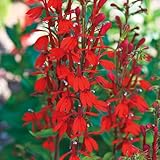
- The Red Cardinal Wildflower seeds can grow in Hardiness Zones 2-9.
- Touted as the reddest red found in nature, cardinal flowers are a crucial source of nectar for hummingbirds and butterflies.
- This low maintenance perennial grows in sunny to partially shaded areas and will reseed itself under optimum conditions.
- Deer Resistant and easy to grow in moist soils. Can be grown for aquariums or aquatic settings.
The ASPCA lists Lobelia cardinalis as toxic to dogs, cats, and horses. Its listed toxic principle is lobeline, with possible signs including depression, vomiting, diarrhea, salivation, abdominal pain, and heart-rhythm disturbances. NC State also lists several lobelia species as poisonous or potentially poisonous if eaten in large quantities, while the RHS identifies most lobelias other than bedding lobelia as harmful if eaten and potentially irritating to skin.
Wear gloves when handling damaged stems or sap, keep perennial lobelias away from children and pets who may chew plants, and contact a veterinarian or poison-control professional promptly after suspected ingestion. The ASPCA plant safety listing provides species-specific pet information.
Frequently overlooked points
- “Lobelia likes wet soil” is incomplete. Bedding lobelia needs regular moisture and drainage; cardinal flower and great blue lobelia prefer much wetter conditions.
- “Lobelia is an annual” is also incomplete. L. erinus is a tender perennial but is grown as an annual in most cooler regions. Cardinal flower and great blue lobelia are perennial species.
- Summer decline is often normal for bedding lobelia. Heat, not necessarily a lack of fertilizer, is frequently responsible.
- Tiny seeds should remain on the surface. Covering them deeply is a common reason for failed germination.
- Cardinal flower may need a succession plan. Preserve some seed, allow reseeding, or propagate young rosettes because individual plants can be short-lived.
- “Keep moist” does not mean “keep saturated.” Poor aeration can kill bedding lobelia and seedlings through damping-off or root disease.
Frequently Asked Questions
Is lobelia an annual or a perennial?
It depends on the species. Bedding lobelia, Lobelia erinus, is a tender perennial in USDA Zones 10–11 but is grown as an annual in most of the United States. Cardinal flower is generally perennial in Zones 3–9, while great blue lobelia is generally perennial in Zones 4–9. Cardinal flower can be short-lived and may rely on reseeding to remain in the garden.
Do these 3 things before closing this tab:
1Repair Windows errors before they cause bigger problems2Fix the driver behind crashes, sound loss and screen glitches3Clear out junk files and repair common Windows errorsCan lobelia grow in full shade?
Lobelia generally flowers best in full sun to part shade. Full shade is unlikely to provide reliable flowering. In hot climates, afternoon shade can be beneficial, especially when the soil remains consistently moist.
Does lobelia come back every year?
Bedding lobelia usually does not return after winter outside warm Zones 10–11. Cardinal flower and great blue lobelia can return as perennials, but cardinal flower may disappear if drought, heavy mulch, disturbance, or failure to reseed prevents replacement plants from developing.
Can lobelia grow in containers?
Yes. Compact and trailing Lobelia erinus is well suited to containers, window boxes, and hanging baskets. Use a freely draining potting mix, keep it evenly moist, check the pot frequently in hot weather, and never leave the container standing in stagnant water.
How often should lobelia be watered?
Water whenever the root zone begins to dry, with containers checked more often than garden beds. Bedding lobelia needs consistent moisture but good drainage. Cardinal flower and great blue lobelia should not be allowed to dry out and may need a naturally damp or wet planting site.
Quick wins for a faster PC:
Repair Windows errors before they cause bigger problemsFix Now →Fix the driver behind crashes, sound loss and screen glitchesFind Drivers →Clear out junk files and repair common Windows errorsFree Scan →Why did my lobelia stop blooming?
For bedding lobelia, the most likely causes are summer heat, dry soil, or an overheated container. Move it to morning sun or part shade, restore even moisture, and shear tired growth. For perennial lobelias, also check for drought, excessive shade, root damage, or insufficient space.
Should I deadhead lobelia?
Routine deadheading is usually unnecessary for self-cleaning bedding cultivars, although shearing can refresh a tired plant. Deadhead perennial lobelia for tidiness, but leave some seed heads if you want cardinal flower or great blue lobelia to reseed.
Does lobelia seed need light to germinate?
Yes. Lobelia seed is very small and should generally be surface-sown and pressed gently into moist seed-starting mix rather than covered deeply. Keep the surface moist and provide light.
Can cardinal flower grow in dry soil?
No. Cardinal flower needs consistently moist to wet soil and is unreliable in a dry bed. Choose it for a rain garden, pond margin, wet meadow, or other location that does not regularly dry out.
Crashes, No Sound, or Screen Glitches?
Random freezes, missing sound and display glitches usually trace back to one bad driver. Find and replace yours safely.Free scan · under a minuteWindows Errors? Fix Them Before They Spread
Repair common Windows errors and clear accumulated junk for a smoother, more stable PC - no reinstall needed.Free scan · no reinstallIs lobelia safe for pets?
Do not assume it is safe. The ASPCA lists cardinal flower as toxic to dogs, cats, and horses, with possible gastrointestinal, neurological, and heart-related signs. Do not let pets chew lobelia, and seek veterinary advice after suspected ingestion.
The Bottom Line
Match the plant to the moisture level before doing anything else. Grow low Lobelia erinus as a cool-season annual in moist but well-drained soil, with afternoon protection in hot climates. Grow cardinal flower and great blue lobelia as moisture-dependent perennials in fertile, consistently damp soil. Surface-sow the tiny seeds, avoid both drought and stagnant water, shear bedding lobelia when summer heat reduces flowering, and leave some perennial seed heads if long-term reseeding matters.
Quick Recap
Product prices and availability are accurate as of the date/time indicated and are subject to change. Any price and availability information displayed on Amazon at the time of purchase will apply.

