Garlic is easiest to grow when you plant individual cloves in fall, give them full sun and well-drained soil, protect them with clean mulch, and keep the bed weed-free. Plant each firm clove with its pointed end up and about 2 inches of soil over it. In most regions, harvest when the lower leaves have turned brown but roughly half of the upper leaves are still green. Cure the bulbs in a dry, shaded, well-ventilated place for three to four weeks before storing them.
The exact planting date depends on your climate, winter severity, soil conditions and garlic type. Fall planting is the standard method, while spring planting is a fallback that may produce smaller or poorly formed bulbs.
As an Amazon Associate I earn from qualifying purchases.
Garlic-growing calendar at a glance
| Timing | What to do |
|---|---|
| Late summer to fall | Choose healthy seed garlic, prepare fertile soil and plant several weeks before the ground is expected to freeze. |
| After planting | Apply clean, weed-free straw mulch before severe winter weather. |
| Spring | Thin excessive mulch if it keeps the soil wet, weed shallowly, resume regular watering and feed only according to a soil test or local recommendation. |
| When hardneck scapes curl | Cut the edible flower stalks if you want to direct the plant’s remaining growth toward the bulb. |
| Early summer or local harvest season | Test a bulb when the lower leaves are brown and about half of the upper leaves remain green. |
| After harvest | Cure intact plants for approximately three to four weeks, then trim and store the bulbs in a cool, dry, airy location. |
1. Choose the right garlic for planting
Garlic is normally propagated from cloves rather than from botanical seed. Buy garlic seed bulbs sold specifically for planting, or obtain firm, healthy bulbs from a reputable garden supplier. Ordinary grocery-store garlic may sprout, but its variety, disease status and adaptation to your climate are uncertain.
The Tool Desk
Outbyte PC Repair FREEClear out junk files and repair common Windows errorsFree Scan →Outbyte Driver Updater FREEScan for outdated or missing drivers - takes under a minuteDriver Scan →Disclosure: As an Amazon Associate, we earn from qualifying purchases.
Choose the largest, firmest cloves in the bulb. Larger planting cloves generally have more resources available for early growth and tend to produce larger mature bulbs. Keep the bulb intact until just before planting, then separate the cloves carefully. Leave the papery skin attached and discard cloves that are soft, moldy, visibly diseased or badly damaged.
#1 Best Overall

- Gardening Kit: 55 Most Popular Vegetable Seeds Variety Pack NON GMO Heirloom Seeds LESS THAN $0.70 PER SEED VARIETY PACK 35,600+ seeds including: Artichoke, Arugula, Bean, Beet, Bok Choy, Broccoli, Brussel Sprouts, Cabbage, Carrot, Cauliflower, Celery, Collard, Corn, Cucumber, Curled Cress, Eggplant, Endive, Kale, Kohlrabi, Lettuce, Mache Corn Salad, Okra, Leek, Scallion, Onion Parsnip, Pea, Pepper , Pumpkin, Radish, Rapini, Spinach, Squash, Sunflower, Swiss Chard, Tomatoes, Turnip, Zucchini.
- Enhanced Gardening Experience: Our seeds for planting outdoor and indoor garden come in a waterproof resealable bag with 55 individual craft seed packets inside. Enjoy planting home garden with mini gardening supplies including leaf clipper, tweezers, seed dibber tool, weeding fork, and widger tool. Scan the QR codes on the seed packets to access online gardener basic growing guide and culinary book. Learn about vegetable gardening, discover everyday recipes to make the most of your harvest.
- Garden Success Assured: Whether you have an indoor hydroponic garden or an outdoor vegetable patch, our seeds are perfect for any setting. With a superior germination rate proven through various tests, enjoy fresh vegetables growing food all year round. Enjoy the satisfaction of growing seeds on your own garden, knowing that our high-quality seeds for planting vegetables guarantee abundant harvest and delicious meals for you and your family.
- Quality You Can Trust: Proudly made in the USA by a Small Family-Owned Business, our seeds for planting vegetables undergo rigorous testing with a 90%+ germination rate. Sealed to last for up to 2 years, you can trust the freshness and viability of our seeds.
Hardneck, softneck or elephant garlic?
- Hardneck garlic produces a stiff central flower stalk called a scape. It is often chosen for large cloves and strong flavor, but it generally has a shorter storage life.
- Softneck garlic does not produce the same firm central scape and commonly stores longer. Its flexible stems are also suitable for braiding.
- Elephant garlic is botanically closer to a leek than to true garlic. It has a milder flavor and generally stores poorly compared with many true-garlic varieties.
Local performance matters more than a national planting calendar. A regional supplier or local extension recommendation can help you choose a cultivar suited to your winter and growing season.
2. Prepare a sunny, well-drained bed
Garlic grows best in full sun and fertile soil that holds moisture without staying waterlogged. Aim for a soil pH of approximately 6.0 to 7.0. Garlic bulbs develop underground, so compacted or persistently wet soil can cause disappointing growth and increase the risk of rot.
What’s actually slowing this PC down?
Pick the symptom - the matching free tool is one click away.
Test the soil before adding fertilizer. A home soil test kit can help identify whether the bed needs an amendment or nutrients, but it is a decision aid rather than a guarantee of a successful crop. Where organic matter is needed, incorporate mature compost or a well-rotted compost for garden beds. Do not add so much amendment that the soil becomes heavy, poorly drained or prone to holding standing water.
If you are growing garlic in a constructed raised bed, drainage should be a design priority. Fill it with a fertile, friable growing medium and avoid creating a low, water-collecting area. The same principle applies to containers: excess water must be able to leave the growing medium.
3. Plant garlic at the right time
Fall planting: the dependable default
For most U.S. regions, plant garlic in fall, several weeks before the ground is expected to freeze. This gives cloves time to establish roots before winter without encouraging a large amount of tender top growth that can be damaged by severe cold.
There is no single correct date for the entire country. Examples from extension recommendations include mid- to late October in Pennsylvania, mid-September through early November in Utah, and mid- to late October in Maryland. Use your local expected freeze and soil-freeze timing rather than copying a date from another state. Cultivar and winter conditions also affect the best window.
Planting too early can produce excessive top growth before winter; planting too late may leave cloves with insufficient time to establish roots. If the soil is workable and the local planting window is open, plant promptly rather than waiting for a particular calendar date.
Spring planting: possible, but less reliable
Spring planting can work when fall planting was missed or local conditions require it, but garlic benefits from a cold period and spring-planted cloves may not form a normal bulb. One Illinois recommendation is to chill cloves in a refrigerator for approximately eight weeks, then plant them as soon as the soil can be worked. Oregon guidance cautions that spring planting can still fail to produce a normal bulb under some conditions.
Rank #2

- Get Excellent Results: Our sod plugger reinforced steel construction prevents bending and makes digging in heavy soil easier
- First Quality Construction: This grass plugger is made from high-hardness materials, ensuring long-lasting durability and resistance to deformation
- Accurate Depth Every Time: Toresano seed planter features a clearly marked depth scale, ensuring precise and uniform planting depth with every use
- Plant Faster: Designed to save time and effort, this bulb digger includes an automatic soil release mechanism for quicker hole digging and easy soil discharge
- Ideal Gardening Tool: Lightweight and portable, perfect for planting daffodil, lily, and dahlia bulbs in your garden or flower bed
Use spring planting as a regional or fallback method, not as the universal alternative to fall planting. If you try it, use healthy planting stock, provide full sun and plant as early as workable soil allows.
4. Plant the cloves correctly
- Separate the bulb immediately before planting. Keep the papery skin on each clove.
- Make a planting hole or furrow. Place the clove’s basal, root end down and its pointed end up.
- Cover the clove with about 2 inches of soil. Recommendations range from roughly 1 to 3 inches. Use the local recommendation where available; somewhat deeper planting may be appropriate in colder or more exposed conditions.
- Space the cloves for the bulb size you want. A practical starting point is 6 inches between cloves and about 12 inches between rows. Regional recommendations range from approximately 3 to 7 inches between cloves and 6 to 12 inches between rows.
- Firm the soil gently and water if the soil is dry. Do not compress it into a hard layer over the cloves.
Wider spacing makes cultivation easier and gives individual bulbs more room. Tighter spacing produces more plants in the same area, but it can reduce the size of individual bulbs.
Quick wins for a faster PC:
Clear out junk files and repair common Windows errorsFree Scan →Fix the driver behind crashes, sound loss and screen glitchesFind Drivers →Repair Windows errors before they cause bigger problemsFix Now →5. Mulch, water and control weeds
Apply clean mulch for winter protection
After planting, apply a layer of clean, weed-free straw mulch, particularly before severe winter weather. Straw helps moderate soil temperature, reduce winter heaving, conserve moisture and suppress weeds. Avoid straw containing mature weed seed, which can create a larger problem than the mulch solves.
In spring, inspect the bed. Thin or remove excessive mulch if it keeps the soil too wet or delays warming, but retain enough to suppress weeds and conserve moisture. A weed-free straw mulch is an optional material for this job; it is not a substitute for good drainage.
Water consistently, then stop before harvest
During the growing season, provide approximately 1 inch of water per week, including rainfall, adjusting upward in sandy soil or during unusually dry weather. Water deeply enough to wet the root zone rather than applying frequent, shallow sprinkles.
Stop watering roughly two weeks before harvest. Drier soil at harvest helps reduce staining and lowers the chance of disease during curing. If the soil is already wet, do not add water simply to follow a schedule.
Do these 3 things before closing this tab:
1Clear out junk files and repair common Windows errors2Scan for outdated or missing drivers - takes under a minute3Repair Windows errors before they cause bigger problemsKeep the bed weed-free
Garlic competes poorly with weeds, especially early in the season. Weed shallowly and carefully so you do not cut developing bulbs or disturb their roots. Mechanical injury can increase disease risk. Pulling large weeds when the soil is damp is often safer than cultivating deeply near the plants.
Rank #3

- Can Be Grown Anywhere Northern To Southern Climate American Grown
- These Sweet Yellow Onion Bulbs Allways Grow Big Around The One Pound Mark
- One Of The Best Storing Onion 6-8 Months Order Now So You Can Have Fresh Onions In A Few Months
- Simpy Seed Guarnteed To Grow Results 60-80 Bulb Per Pack
Fertilize from evidence, not habit
Base fertilizer decisions on a soil test and local extension guidance. If nutrients are needed, a complete fertilizer may be incorporated as recommended. Some regional guidance calls for nitrogen side-dressing in May, but the appropriate rate and timing vary with soil, climate and crop condition. Avoid a blanket fertilizer schedule that ignores the test results; excess nitrogen can encourage foliage without solving a different soil limitation.
6. Harvest hardneck scapes
Hardneck garlic sends up a firm flower stalk, or scape, as it matures. When the scape emerges and begins to curl, many gardeners cut it. Scapes are edible and provide a useful secondary harvest. Cutting them is common practice intended to keep the plant’s resources focused on bulb development, but do not treat a larger bulb as guaranteed simply because the scape was removed.
Use clean scissors or pruners and avoid tearing the foliage or damaging the plant. Harvesting the scape while it is still tender generally gives the best culinary texture.
7. Know when garlic is ready to harvest
Harvest timing affects both bulb size and storage quality. Harvest too early and the bulbs may be undersized. Wait too long and the cloves may separate or push through their wrappers, making the bulbs harder to store.
A broadly useful signal is that the lower leaves have turned brown while approximately half, or slightly more than half, of the upper leaves are still green. Since weather and varieties differ, confirm the timing by digging one test bulb:
- The cloves should fill their skins.
- The bulb should be formed and firm.
- The wrappers should be intact rather than badly split.
Do not pull the crop all at once based only on the calendar. Test a bulb first, especially if the plants are at different stages or the season has been unusually wet or dry.
Lift bulbs without bruising them
Loosen the soil with a garden fork and lift the plant while keeping the bulb, roots and stalk attached. A garden fork for harvesting garlic can help loosen compacted soil without forcing you to pull on the leaves. Do not yank bulbs from the foliage, and avoid spearing or bruising the bulbs with the fork.
Recommended Free Tools
Do not wash freshly dug garlic. Extra moisture can encourage rot while the bulbs are curing. Shake or brush off loose soil gently, leaving the protective wrapper layers in place.
Rank #4
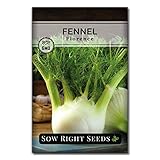
- Beautiful - Large premium packets of Florence Fennel (Foeniculum Vulgare). A delicious garden snack also Known as Finocho. Minimum of 400 mg per packet (about 150 seeds).
- Good Eats - Fennel seeds can be harvested and dried for fennel spice, which is popular in spice blends to season meat and fish.The bulb, stalks, and feathery leaves have a subtle anise or licorice flavor.
- Productive - Florence Fennel germinates in 14-28 days when soil temps are 65-70°F. Plant 1/4” deep and space 12” apart in an area with full sun. This variety will grow 2-3’ tall with a spread of 10-16”. This variety will mature in 100-120 days, plant in USDA Zones 3-11.
- Easy to grow - Instructions included on each packet. Plus, we are available to answer all your questions. If these seeds don’t germinate, we will happily make it right for you.
- Safe and Sustainable - Our operation is fully solar powered, and Sow Right Seeds has taken the Safe Seed Pledge to sell only fresh Non-GMO heirloom seeds for you and your family.
8. Cure garlic before storing it
Curing dries the foliage, roots and outer wrappers so the bulb is better protected in storage. Cure garlic in a warm, dry, shaded, well-ventilated location. Keep the plants intact and spread them in a single layer or hang them in small bundles so air can circulate around the bulbs. Direct heat is unnecessary; good airflow is more important.
Allow approximately three to four weeks under suitable conditions. In a cooler or more humid space, curing may take four to six weeks. The bulbs are ready when the foliage and roots are dry and the outer wrappers feel dry and papery.
You do not need to buy special equipment. A shaded shelf, mesh surface or hanging arrangement can work if it is dry and airy. For people who lack a suitable surface, a ventilated curing rack is an optional convenience, not a requirement.
Trim and store the cured bulbs
- Trim the stalk to about 1 inch above the bulb.
- Trim the roots close to the base.
- Brush away loose soil without stripping off sound wrapper layers.
- Move the bulbs to a cool, dry, airy storage location.
Softneck garlic commonly stores longer than hardneck garlic. Under suitable conditions, approximate storage ranges are six to eight months for softneck and three to four months for hardneck. These are estimates, not guarantees: cultivar, curing quality and storage temperature and humidity all affect storage life. Discard bulbs that become soft, moldy or visibly rotten rather than allowing the problem to spread.
9. Save garlic for next year’s planting
Save the largest, healthiest bulbs from your harvest for the following planting season. Keep the selected bulbs intact in a dry, suitable location, and separate them into cloves only immediately before planting. Do not save visibly diseased, soft or damaged bulbs, because planting stock can carry problems into the next crop.
Rotate garlic and related crops where practical. A four-year rotation is recommended by some extension guidance, particularly because certain pests and diseases can persist in soil or planting material. If a bed has had recurring garlic problems, move the crop rather than repeatedly replanting it in the same soil.
Independent reader supportYour contribution helps us test, update, and keep practical guides available for everyone.Common garlic problems and what to do
| Problem or failure | Likely contributing factor | Best first response |
|---|---|---|
| Small bulbs | Small planting cloves, crowding, weeds, inadequate growing time or spring planting | Start with large healthy cloves, use appropriate spacing, control weeds and favor fall planting where your climate allows. |
| Rotting or soft bulbs | Poor drainage, overwatering, bruising or wet storage | Improve drainage, water only as needed, lift bulbs carefully, stop watering before harvest and cure thoroughly. |
| Uneven emergence | Variable planting stock, late planting, compacted soil or inconsistent moisture | Use uniform healthy cloves, plant within the local window and prepare a loose, well-drained bed. |
| Split wrappers or separated cloves | Harvesting too late | Test bulbs as the lower leaves brown instead of waiting until all foliage dies back. |
| Heavy weed pressure | Insufficient mulch or delayed cultivation | Use clean straw mulch and weed shallowly before weeds become established. |
| Insect or disease symptoms | Possible onion maggot, bulb mites, aster leafhopper or a problem carried in soil or planting stock | Remove questionable planting material, rotate crops, avoid bulb injury and use a diagnostic service when symptoms are unclear rather than treating by guesswork. |
Many garlic failures are preventable: begin with clean planting stock, avoid waterlogged soil, protect fall plantings, keep weeds under control and harvest at the right maturity. When symptoms do not fit a clear pattern, diagnosis is more reliable than applying an unidentified treatment.
Free tools Windows power users keep installed
One-click scans. No signup required.
Growing garlic in a container
Garlic can be grown in containers if the container has adequate depth, reliable drainage, full sun and a quality potting medium. Space cloves so each plant has room to develop a bulb; do not pack them tightly simply to maximize the number of plants.
Best Value

- GARDEN DIBBER - This garden dibber tool is used for planting seeds, seedlings or bulbs. Our garden dibbers are made with stainless steel, suitable for planting roots and seeds in holes, perfect for dibber and planting bulbs, ideal tool for sowing and seedling, dig hole in soil for address signs, dig hole for solar garden lights, soil digger for self watering stakes, good accessory for your garden
- EASY TO USE –The seed digging tool is designed with T handle and depth mark, easily held, fits comfortably in your hand, give you full control, this dibber will save you time when you are planting bulbs and seeds
- PERMANENT USE- Fully made of light stainless steel, can be used for permanent, easily cleaning and maintenance, can casually place at everywhere include humid environment
- DEPTH MEASUREMENTS- Engraved with depth mark, be used as a planting ruler to ensure seeds and bulbs at the correct depth to ensure they can grow
- LIGHTWEIGHT-Around 4 ounces, length: 10 inches
Container roots are more exposed to extreme cold than roots in the ground. Protect the container and root mass from severe freezing according to your local climate, while avoiding a covered setup that stays waterlogged. Monitor containers more often than in-ground beds because they can dry out faster, especially in sandy or lightweight media. Container yields and variety performance vary widely, so treat any promised yield as site-specific rather than universal.
A practical garlic checklist
- Buy firm, healthy planting stock sold as seed garlic whenever possible.
- Select the largest cloves and keep their papery skins intact.
- Use full sun and fertile, well-drained soil with a preferred pH near 6.0–7.0.
- Plant in fall several weeks before the expected ground freeze, using local recommendations to set the date.
- Place cloves pointed end up, root end down, with about 2 inches of soil cover.
- Allow roughly 3–7 inches between cloves and 6–12 inches between rows, adjusting for local guidance and desired bulb size.
- Apply clean, weed-free straw mulch and adjust it in spring if it holds too much moisture.
- Water about 1 inch per week during active growth, then stop roughly two weeks before harvest.
- Cut curling hardneck scapes if desired and use them as an edible crop.
- Test one bulb before harvesting the bed.
- Lift bulbs with a fork rather than pulling the stalks.
- Cure intact plants in a dry, shaded, well-ventilated space for about three to four weeks.
- Store trimmed bulbs in a cool, dry, airy location and save only the healthiest bulbs for replanting.
Frequently Asked Questions
Can I plant garlic from the grocery store?
You can try, but ordinary grocery-store garlic may have an unknown variety, disease status and climate adaptation. Seed garlic bulbs from a reputable garden supplier are the more dependable choice for planting.
What month should I plant garlic?
There is no universal month. In most U.S. regions, plant several weeks before the ground is expected to freeze. Examples include mid- to late October in Pennsylvania and Maryland, while Utah recommendations span roughly mid-September through early November. Follow local soil and freeze conditions.
Should I cut garlic scapes?
If you grow hardneck garlic, you may cut the scape when it begins to curl and eat it. Removing scapes is common practice to focus the plant’s remaining growth on the bulb, but it does not guarantee a specific increase in bulb size.
How do I know when garlic is ready to harvest?
Dig one test bulb when the lower leaves are brown but approximately half, or slightly more than half, of the upper leaves remain green. The cloves should fill their skins and the bulb should be formed without badly split wrappers.
How long does cured garlic last?
Storage varies by cultivar and conditions. As an approximate guide, softneck garlic may store six to eight months and hardneck garlic three to four months when properly cured and kept cool, dry and well ventilated.
The Bottom Line
Bottom line
For the most reliable crop, plant large, healthy garlic cloves in a sunny, well-drained bed several weeks before the local ground-freeze date. Mulch and weed carefully through the season, water consistently but stop before harvest, then lift, cure and store the bulbs properly. The right planting date and good drainage matter more than any single fertilizer or gadget.
Outdated Drivers Are Slowing You Down
One free scan finds every outdated or missing driver and matches the right update for your exact hardware.Free scan · exact hardware matchPC Slower Than It Used to Be?
A free scan shows the junk files, broken settings and background clutter dragging Windows down - then fixes them in one click.Free scan · Windows 10 & 11Quick Recap
Product prices and availability are accurate as of the date/time indicated and are subject to change. Any price and availability information displayed on Amazon at the time of purchase will apply.

