Grow crown of thorns (Euphorbia milii) in strong light, sharply draining soil, and warm conditions, and water only after the mix dries. The plant is drought-tolerant but not tolerant of cold, wet roots. This guide covers indoor containers, summer outdoor care, warm-climate landscaping, pruning, propagation, flowering, pest control, and the precautions required for its thorns and irritating latex.
The key to growing crown of thorns successfully is abundant light, sharply draining soil, and restrained watering. Let the potting mix dry between thorough waterings, keep the plant warm, and protect it from frost and cold, wet conditions. With those basics in place, Euphorbia milii is a long-lived, relatively drought-tolerant plant that can flower for much of the year in warm climates and for extended periods indoors.
As an Amazon Associate I earn from qualifying purchases.
What is crown of thorns?
Crown of thorns, Christ plant, or Christ thorn is Euphorbia milii, a thorny succulent shrub in the spurge family, Euphorbiaceae. It is native to Madagascar and stores water in its fleshy stems and leaves.
Quick wins for a faster PC:
Repair Windows errors before they cause bigger problemsFix Now →Scan for outdated or missing drivers - takes under a minuteDriver Scan →The colorful parts are not the true flowers. The small flowers are surrounded by long-lasting bracts, which may be red, pink, white, yellow, or combinations of colors depending on the cultivar or hybrid. Some hybrids are more vigorous and may have somewhat different watering needs, so treat the following guidance as a starting point rather than a rigid schedule for every plant.
#1 Best Overall
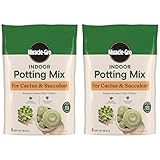
- Miracle-Gro Indoor Potting Mix for Cactus and Succulent is enriched with Miracle-Gro Plant Food and enhances desert plant vitality (vs unfed plants when used as directed)
- This specially formulated blend contains forest products, sphagnum peat moss, sand, and perlite to promote fast drainage for desert plants
- This cactus potting mix is designed for indoor container plants such as cacti, citrus trees, and succulents
- To nurture your succulents and cacti, simply fill containers with this ready-to-use succulent soil mix - no mixing required
- Bundle comes with 2 bags of Miracle-Gro Indoor Potting Mix for Cactus and Succulent; each 8 qt. bag fills five 6-inch containers (amounts may vary based on root ball size)
In a favorable outdoor climate, crown of thorns can become a shrub several feet tall. Container plants are commonly kept below about 2 feet with pruning. Older leaves may naturally drop, and a seasonal leaf drop can occur before or during winter rest.
Quick care requirements
- Light: Give it several hours of direct sun or the brightest practical indoor location.
- Soil: Use a porous cactus or succulent mix amended with perlite, pumice, coarse sand, or fine gravel.
- Water: Soak the mix thoroughly, then wait until it dries before watering again.
- Temperature: Protect it from frost and temperatures below approximately 35°F. Active growth is best in warm conditions, around 65°F or higher.
- Fertilizer: Feed lightly during active spring and summer growth; do not fertilize a cold, dormant, or stressed plant.
- Pruning: Remove damaged or overlong stems to maintain shape and encourage branching, wearing gloves and eye protection because of the spines and irritating sap.
Light: provide as much as practical
Bright light is the most important factor for compact growth and reliable flowering. Outdoors, crown of thorns can usually take full sun. Indoors, place it at a bright south-, southeast-, or west-facing window. Rotate the pot occasionally so growth remains reasonably even.
A plant kept in lower light may survive, but it is more likely to become weak and stretched and to produce fewer flowers. Part shade can work for some hybrids or in extremely hot climates. In very hot summer regions, light midday shade may prevent excessive stress while still providing enough total light for flowering.
Recommended Free Tools
Moving a plant into stronger sun
Do not move a crown of thorns directly from a dim room to intense outdoor sun. Gradually increase its exposure over roughly one to two weeks, beginning with bright indirect light or gentle morning sun and adding stronger light as it adjusts. A sudden change can scorch leaves and tender stems.
Likewise, bring an indoor plant outdoors only after cold weather has passed, and acclimate it even if the final location will be sunny.
Soil and potting: drainage matters more than richness
Crown of thorns is much more likely to suffer from waterlogged roots than from a lack of rich soil. Use a porous, sharply draining medium, such as a commercial cactus and succulent soil mix amended with perlite, pumice, coarse sand, or fine gravel. The goal is a mix that allows excess water to leave quickly rather than remaining dense and wet around the roots.
Choose a container with an actual drainage hole. Do not rely on a layer of gravel at the bottom of a sealed pot to correct poor drainage; water can still collect in the root zone. If you use a decorative cachepot, remove the growing pot for watering and empty any water that collects outside it.
Free tools Windows power users keep installed
One-click scans. No signup required.
A relatively small pot is usually acceptable because crown of thorns tolerates restricted roots and can remain more compact. Oversizing the container can make the mix stay wet for too long. Repot only when the plant has clearly outgrown its container, roots are tightly crowded, or the old mix has broken down and no longer drains well. Choose the next pot only slightly larger, and avoid burying the stem deeper than it was previously planted.
Repot during active growth, commonly in spring or summer. Handle the root ball carefully, keep the plant upright, and be especially cautious around the thorns and milky sap. After repotting, allow any damaged roots or stems to dry before returning to a normal watering routine.
Rank #2

- Includes 6qt of Back to the Roots Succulent & Cacti Mix Potting Soil. Carefully crafted with succulents and cacti in mind, this specialized blend provides the perfect nutrient balance for optimal growth
- ENHANCED SOIL STRUCTURE: The inclusion of aged bark promotes a better soil structure, enhancing aeration and root growth for stronger, more resilient plants
- RAPID DRAINAGE SYSTEM: The incorporation of perlite and horticultural sand facilitates fast drainage, preventing waterlogged soil and safeguarding your plants from root rot
- SMART GARDENER'S CHOICE: Designed exclusively for succulents and cacti, this smart soil mix takes the guesswork out of plant care, giving your green friends the best environment to flourish
- 100% SATISFACTION GUARANTEE: Our USA-made product comes with a 100% growth guarantee, and if you're unsatisfied, we'll promptly send you a Back To The Roots replacement upon messaging us
How to water crown of thorns
Water thoroughly when the growing medium has dried, allowing water to run from the drainage hole. Empty the saucer or cachepot afterward. Then wait until the mix is dry again before watering.
There is no dependable universal schedule. The interval changes with light, temperature, pot size, soil composition, humidity, and cultivar. A plant in strong summer sun may dry much faster than one in a cool indoor room. Check the mix with a finger or moisture probe several inches down and consider the plant’s weight; do not water solely because a calendar says it is time.
Do these 3 things before closing this tab:
1Repair Windows errors before they cause bigger problems2Scan for outdated or missing drivers - takes under a minute3Clear out junk files and repair common Windows errorsDuring active growth, crown of thorns can accept moderate moisture, but constant moisture is harmful. Slightly drier conditions often support better flowering than frequent light watering. Avoid repeatedly wetting only the surface, which can leave the deeper root zone either dry or unexpectedly saturated.
Winter watering
Reduce watering sharply in winter or whenever growth slows. A plant kept cool and dormant should be much drier than it would be during active summer growth. Cold, wet soil is a particularly common cause of root and stem rot.
If the plant remains in a warm, bright room and continues growing, it may need occasional water, but the mix should still dry between waterings. Never use fertilizer to compensate for weak winter growth.
When watering symptoms are confusing
Leaf drop can result from drought, heat stress, cold exposure, seasonal rest, or root damage from chronic overwatering. Yellowing and wilting do not automatically mean the plant needs more water. If the soil is wet and the plant is declining, inspect the lower stem and roots. Soft, dark, foul-smelling, or collapsing tissue points toward rot rather than simple thirst.
What’s actually slowing this PC down?
Pick the symptom - the matching free tool is one click away.
Temperature and seasonal placement
Protect crown of thorns from frost and freezing temperatures. Damage can occur below approximately 35°F, although the exact tolerance depends on the cultivar, exposure, length of the cold period, and whether the soil is wet. A dry plant generally tolerates cool conditions better than one sitting in cold, saturated soil.
For active growth, warm conditions around 65°F or higher are preferable. In the United States, dependable outdoor in-ground growing is generally limited to warm regions approximately corresponding to USDA Zones 10–12. Even in those areas, a freeze can damage or kill a plant, so local exposure and forecast temperatures matter more than a zone label alone.
Rank #3

- Includes 12qt of Back to the Roots Succulent & Cacti Mix Potting Soil. Carefully crafted with succulents and cacti in mind, this specialized blend provides the perfect nutrient balance for optimal growth
- ENHANCED SOIL STRUCTURE: The inclusion of aged bark promotes a better soil structure, enhancing aeration and root growth for stronger, more resilient plants
- RAPID DRAINAGE SYSTEM: The incorporation of perlite and horticultural sand facilitates fast drainage, preventing waterlogged soil and safeguarding your plants from root rot
- SMART GARDENER'S CHOICE: Designed exclusively for succulents and cacti, this smart soil mix takes the guesswork out of plant care, giving your green friends the best environment to flourish
- 100% SATISFACTION GUARANTEE: Our USA-made product comes with a 100% growth guarantee, and if you're unsatisfied, we'll promptly send you a Back To The Roots replacement upon messaging us
Indoor and outdoor care by season
| Situation | Best approach |
|---|---|
| Bright indoor window | Use gritty soil, water only after the mix dries, keep the plant warm, and rotate it periodically. |
| Summer outdoors | Acclimate gradually to direct sun, protect it from prolonged rain, and monitor the pot more frequently as it dries faster. |
| Warm outdoor landscape | Use full sun and very well-drained soil. Irrigate modestly after establishment and protect the plant from freezes. |
| Winter rest | Keep it warmer and drier, reduce watering substantially, and stop fertilizing. |
For container plants outside warm climates, move the plant indoors before temperatures approach frost or sustained cold. Check for pests before bringing it inside and place it in the brightest available window.
Fertilizer: feed lightly
Fertilize only during active spring and summer growth. A balanced liquid fertilizer used according to its label, or a low-nitrogen liquid feed applied about monthly during growth, is appropriate. Watering the plant first can help reduce the chance of fertilizer salts concentrating around dry roots.
More fertilizer does not guarantee more flowers. Excess nitrogen may produce soft, leafy growth at the expense of blooms, while feeding a cold, dormant, recently repotted, or stressed plant can worsen root problems. Strong light, suitable warmth, and avoiding excessive water and fertilizer are more dependable ways to support flowering.
Pruning and shaping
Prune crown of thorns to remove dead, weak, damaged, or excessively long branches and to maintain a compact form. Cutting a stem back toward an axillary bud can encourage branching. Pruning is also useful for container plants that are becoming too tall or lopsided.
The plant’s thorns and sap make preparation essential. Wear thick thorn-resistant gardening gloves and eye protection, use a cleanable sharp tool, and keep children and pets away from the work area. A clean pruning knife is suitable for small stems. Clean the tool promptly after cutting so sticky latex does not remain on the blade.
- Put on gloves and eye protection before touching the plant.
- Identify the stems to remove and plan where the remaining growth should branch.
- Make clean cuts rather than crushing the stem.
- Keep cut surfaces and sap away from your face, eyes, and broken skin.
- Wash exposed skin and tools promptly.
Do not compost contaminated cuttings where children or animals could contact them. If sap enters an eye, flush it with clean water and seek medical advice for persistent pain, irritation, or vision changes. Euphorbia latex can cause significant eye injury.
Propagating from stem cuttings
Stem cuttings are the most practical propagation method for home growers. Seed is possible, but producing seed commonly requires pollination between different plants, so cuttings are usually simpler and more predictable.
Materials
- A healthy terminal stem approximately 3–6 inches long
- Thick gloves and eye protection
- A clean pruning knife
- A small container or optional plant propagation tray with drainage
- A sharply draining, gritty propagation medium
Propagation steps
- Protect yourself. Put on gloves and eye protection before cutting. The latex is irritating, and the spines can puncture skin.
- Take the cutting. Select healthy terminal growth and make a clean cut. Expect milky sap to flow.
- Manage the sap safely. Keep the cutting pointed away from your face and allow the sap to stop flowing. Do not wipe latex onto your skin.
- Let it callus. Place the cutting in a safe, shaded, dry location for about 2–3 days so the cut end can dry and callus.
- Plant it shallowly. Insert the callused end into barely moist, gritty medium. Do not bury a large section of stem.
- Provide suitable conditions. Keep the cutting warm and bright, but protected from harsh direct sun while it is rooting.
- Water sparingly. Keep the medium only barely moist. Excess water can rot an unrooted cutting.
- Wait for evidence of rooting. Rooting may take roughly 5–8 weeks under warm conditions. New growth and resistance when the cutting is gently tested are better indicators than a fixed deadline.
- Transition gradually. Once roots and new growth are evident, increase watering carefully and introduce stronger light gradually.
Discard cuttings that become soft, black, or foul-smelling rather than repeatedly watering them in an attempt to save them.
How to encourage flowering
Give the plant strong light first. Crown of thorns may flower for long periods, and in tropical or subtropical conditions it can bloom much of the year. Indoor plants often flower most strongly from late winter through fall, but timing varies with cultivar, temperature, light, and winter rest.
Rank #4
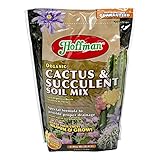
- Ready-to-use
- Professionally formulated for jungle and desert cacti
- pH balanced
- Encourages bloom and root development
- Provides drainage cacti need to flourish
If a healthy plant is not flowering, check these factors in order:
Outdated Drivers Are Slowing You Down
One free scan finds every outdated or missing driver and matches the right update for your exact hardware.Free scan · exact hardware matchWindows Errors? Fix Them Before They Spread
Repair common Windows errors and clear accumulated junk for a smoother, more stable PC - no reinstall needed.Free scan · no reinstall- Light: Is it receiving several hours of direct sun or the brightest practical indoor light?
- Temperature: Has it been exposed to cold or a prolonged cool period?
- Water: Is the mix staying wet for too long?
- Fertilizer: Has excess nitrogen encouraged leaves and stems instead of flowers?
- Plant maturity and season: Has it recently been repotted, pruned heavily, moved, or entered winter rest?
Do not judge flowering potential from leaf color alone. Some cultivars naturally have pale green foliage. Also, do not assume that extra phosphorus will force a bloom if light, temperature, or drainage is inadequate.
Pests and diseases
Crown of thorns is generally relatively trouble-free, but indoor plants may develop mealybugs, scale, thrips, mites, or whiteflies. Inspect the stems, leaf axils, and undersides of leaves whenever you water or move the plant indoors.
- Mealybugs: Look for white, cottony clusters and weakened growth.
- Scale: Look for small, fixed bumps on stems or leaves and sticky residue.
- Mites or thrips: Watch for stippling, distorted new growth, or fine webbing in severe mite infestations.
- Whiteflies: Small insects may flutter from the plant when it is disturbed.
- Fungus gnats: yellow sticky traps can help monitor adults, although their presence often also indicates persistently damp medium.
insecticidal soap or another appropriate treatment may help, but test any product on a small area first. Succulents can be sensitive to sprays, especially in hot sun. Follow the product label and repeat only as directed.
Potential diseases include leaf spot, botrytis, stem rot, and root rot. Prevention is more effective than rescue: use a porous medium and a pot with drainage, provide airflow, remove dead or wet debris, and avoid prolonged cold and moisture. Isolate a declining plant when practical. Remove brown, soft, or clearly infected tissue with a clean tool, keeping sap and contaminated cuttings away from people and animals.
Common problems and what to do
| Symptom | Likely causes | First response |
|---|---|---|
| Long, weak, widely spaced growth | Insufficient light | Move it toward a brighter location gradually; prune excessively long growth if needed. |
| Few or no flowers | Low light, cold exposure, excess water, or excess nitrogen | Increase light, keep it warm, allow the mix to dry, and stop heavy feeding. |
| Leaves dropping | Seasonal rest, drought, heat, cold, or root damage | Check temperature, light, and soil moisture; inspect roots if the mix is wet and the plant is declining. |
| Yellow leaves and wet soil | Overwatering or poor drainage | Stop watering until the mix dries, verify drainage, and inspect roots and the lower stem for rot. |
| Soft or collapsing stem | Stem or root rot, often associated with cold, wet conditions | Isolate the plant, remove affected tissue where feasible, and replace persistently wet medium. |
| Cutting turns soft after planting | Insufficient callusing or excessive moisture | Discard badly rotted material; use a dry, callused cutting and barely moist gritty medium. |
Safety around children, pets, and people
Crown of thorns is not a pet-safe or child-safe plant. It has sharp spines and produces milky latex sap that can irritate skin and may be poisonous if eaten. Keep it where small children and pets cannot reach it. Wear gloves and eye protection for pruning, repotting, and propagation, and wash your hands and tools afterward.
If a person gets sap on the skin, wash the area promptly with soap and water and avoid touching the eyes. For eye exposure, flush with clean water and obtain medical advice if pain, irritation, or vision changes persist. If a pet chews or ingests any part of the plant, prevent further exposure and contact a veterinarian or appropriate animal poison-control service promptly. Do not describe crown of thorns as harmless simply because many people grow it successfully.
Bottom line
Grow crown of thorns in the brightest location available, in a smallish pot with a drainage hole and gritty soil. Water deeply only after the medium has dried, then keep the plant warmer and drier during winter. Prune cautiously because both the thorns and latex require protection. If flowering is poor, improve light and review cold, water, and fertilizer before buying a bloom stimulant. In cool climates, treat it as a container plant and bring it indoors before frost.
Best Value
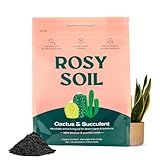
- THE CHUNKY TEXTURE YOUR SUCCULENTS ACTUALLY NEED: Most potting soils for succulents pack too dense and hold too much water; our chunky succulent soil potting mix stays loose and airy, letting roots breathe and excess moisture drain fast – no compaction, no soggy pots
- LIVING SOIL WITH MICROBES AND WORM CASTINGS: Beneficial fungi, microorganisms, and organic worm castings come pre-loaded in every bag of this cactus potting mix, building a thriving underground ecosystem that feeds roots without synthetic fertilizers
- PEAT-FREE FORMULA HELPS PREVENT OVERWATERING: By skipping peat moss entirely, this organic cactus and succulent potting soil drains more freely, is less hospitable to other indoor soil problems, and is kinder to the environment than conventional potting mixes
- IDEAL FOR ALOE VERA, JADE, CHRISTMAS CACTUS, DESERT ROSE, LITHOPS, SNAKE PLANT, AND BONSAI: One versatile bag of well-draining cactus soil handles virtually every drought-tolerant houseplant, including specialty varieties that demand gritty, low-moisture conditions
- SUSTAINABLE 4QT RESEALABLE BAG, MADE IN THE USA: Plastic-neutral, tear-open, resealable packaging keeps the cacti soil mix fresh between uses; each bag fills 2-3 plants; clear step-by-step planting guidance is printed right on the bag so even first-time growers can pot with confidence
Frequently Asked Questions
How much light does crown of thorns need?
Give crown of thorns the brightest practical location, ideally several hours of direct sun. Indoors, a south-, southeast-, or west-facing window is usually suitable. Acclimate it gradually when moving it from low light into strong outdoor sun.
How often should I water crown of thorns?
Water thoroughly, then allow the potting mix to dry before watering again. The interval depends on light, temperature, pot size, soil, and cultivar, so checking the medium is more reliable than following a calendar.
Can crown of thorns grow in regular potting soil?
Yes, but only if the pot has a drainage hole and the mix is sharply draining. A cactus or succulent mix amended with perlite, pumice, coarse sand, or fine gravel is appropriate.
Why is my crown of thorns losing leaves?
Leaf drop can be seasonal, or it can result from drought, heat, cold, or root damage from overwatering. If the soil is wet and the plant is declining, inspect the roots and lower stem for soft or rotting tissue.
How can I make crown of thorns flower?
Strong light is the first requirement. Also check for cold exposure, constantly wet soil, and excessive nitrogen. These problems can reduce flowering even when the plant appears otherwise healthy.
The Tool Desk
Outbyte Driver Updater FREEFix the driver behind crashes, sound loss and screen glitchesFind Drivers →Outbyte PC Repair FREEClear out junk files and repair common Windows errorsFree Scan →Can crown of thorns be propagated from cuttings?
Yes. Stem cuttings about 3–6 inches long can be allowed to callus for roughly 2–3 days and then planted in barely moist, gritty medium. Under warm conditions, rooting may take about 5–8 weeks.
Is crown of thorns safe around pets and children?
Treat it as potentially harmful to both people and animals. The sharp spines can injure, and the milky latex can irritate skin and seriously harm the eyes. Keep it away from children and pets and use gloves and eye protection when handling it.
The Bottom Line
Crown of thorns thrives on strong light, fast drainage, dry-downs between waterings, and warmth. Protect it from frost, cold wet soil, excess fertilizer, thorns, and irritating latex, and it can remain compact and flower for many years.
Quick Recap
Product prices and availability are accurate as of the date/time indicated and are subject to change. Any price and availability information displayed on Amazon at the time of purchase will apply.

