The safest way to remove a sticker from glass is to start with slow hand-peeling, warm soapy water or a warm damp cloth, and a plastic scraper. If adhesive remains, move up to vinegar, oil, rubbing alcohol, or a purpose-made remover. Save a metal razor for ordinary, uncoated glass only—never assume that tinted glass, mirror glass, window film, acrylic, or polycarbonate can be scraped safely.
First identify whether you are removing the sticker itself or the thin adhesive film left behind. Paper and vinyl usually respond to moisture or gentle heat; the remaining glue often needs a solvent and light rubbing.
Before you start: identify the glass
These methods are intended primarily for ordinary, uncoated glass. Use extra caution with:
As an Amazon Associate I earn from qualifying purchases.
- Mirrors: keep liquids away from the edges because moisture can damage the backing.
- Tinted automotive windows and window film: a razor or solvent may damage the film.
- Printed, painted, etched, laminated, or coated glass: test any solvent and avoid scraping unless the manufacturer permits it.
- Plastic that looks like glass: acrylic, polycarbonate, and clear polystyrene can scratch, haze, or react with solvents.
- Cracked, antique, valuable, or irreplaceable glass: stop before scraping and consult the manufacturer, conservator, or a professional cleaner.
Test every solvent on an inconspicuous spot, particularly when a frame, seal, painted border, or decorative finish is nearby.
12 ways to remove stickers from glass
1. Peel the sticker slowly from one corner
Start with the least aggressive method. Lift one corner with a fingernail and pull the sticker back slowly at a low angle, keeping it close to the glass rather than yanking it straight outward. A low-angle pull puts less stress on the sticker and may remove it in one piece.
#1 Best Overall

- REXBETI razor scrapers are built with high quality and durable design that can achieve heavy-duty use. The sturdy construction is reliable and long-lasting providing you with greater durability, ensuring you can easily tackle tough tasks
- 3 position for easy to retract and push out blades. Easy blade replacement - simple, quick blade-swapping that doesn't require tools or complicated steps, allowing you to maintain the effectiveness of the scrapers
- 2 razor scrapers with 30pcs metal and 50pcs plastic blades for your daily use. Window and glass cleaning - For removing stickers, decals, dried paint splatters, and hard water stains from car windows and glass surfaces. Kitchen and appliance cleaning - For scraping grease, burnt-on residue, and stubborn stains from flat-top stoves, cooktops, and countertops. Paint removal - For stripping dried paint from tables, chairs, window frames, and flooring. Sticker and label removal - For taking off stickers, labels, and decals from vehicles and surfaces. DIY and home projects - For removing old wallpaper, caulk, and adhesive residue during renovations
- The dual-blade system (metal for tough surfaces, plastic for delicate ones) makes it versatile. Require both metal blades for tough surfaces and plastic blades for delicate surfaces to protect against scratching and damage. All blades are sharp and durable and packaged in a sturdy reusable plastic box
- Safe, comfortable handles - Ergonomic design with good grip control during extended use. Designed for homeowners, renters, car owners, DIY enthusiasts, cleaning-focused households
If the sticker tears, remove the loose paper or vinyl first. Then treat the remaining adhesive instead of repeatedly picking at the glass with a fingernail or sharp object.
2. Soak removable glassware in warm, soapy water
For jars, bottles, drinking glasses, and other washable items, place the sticker area in warm water with dish soap. Let it soak until the paper softens and the adhesive begins to release, then peel or wipe it away.
Windows Errors? Fix Them Before They Spread
Repair common Windows errors and clear accumulated junk for a smoother, more stable PC - no reinstall needed.Free scan · no reinstallCrashes, No Sound, or Screen Glitches?
Random freezes, missing sound and display glitches usually trace back to one bad driver. Find and replace yours safely.Free scan · under a minuteRinse thoroughly afterward, especially if the glass will hold food or beverages. Do not put cold glass into very hot water: the sudden temperature change can cause thermal shock and break it. Use comfortably warm water instead.
3. Cover a fixed sticker with a warm, damp cloth
For a window, mirror, picture frame, or other fixed glass surface, soak a cloth in warm water, wring it out, and lay it over the sticker for several minutes. Re-wet the cloth if necessary.
This softens paper and some water-sensitive adhesives without flooding the frame, wall, seal, backing, or nearby electronics. Once the sticker is pliable, peel it away and wipe the area clean.
Rank #2
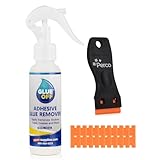
- EFFECTIVE ON TOUGH MESSES – Removes silicone caulk, adhesives, sealants, tree sap, wet paint, glue, asphalt, ink, marker, soot, tar, wax, and grease/oil with ease.
- GREAT FOR AUTOMOTIVE SURFACES – Works best on metal, painted car surfaces, plastics, and finished wood.
- NOT FOR USE ON DELICATE OR POROUS SURFACES – Avoid use on rubber, leather, silk, fabric, faux stainless steel, unpainted drywall, unfinished wood, unsealed stone, matte or satin finishes, and other absorbent surfaces.
- SOAK FOR 5-10 MINUTES FOR BEST RESULTS – Apply generously to the affected area and allow to soak before wiping or scraping.
- LOW ODOR, EASY APPLICATION – Includes a precision nozzle for targeted use; ideal for ventilated indoor or outdoor use.
4. Warm the adhesive with a hair dryer
Set a hair dryer to low or medium and keep the airflow moving across the sticker. Warm the area for a short period, then test whether a corner peels more easily. Heat softens some pressure-sensitive adhesives, but it does not work equally well on every sticker.
Do not overheat laminated glass, window film, plastic frames, painted surfaces, or electronics. Hold the dryer far enough away to avoid concentrating heat in one spot. Peel slowly while the adhesive is warm, then deal with any residue separately.
5. Use white vinegar
Apply white vinegar to a cloth or cotton pad and press it against the sticker or residue. For a stubborn decal, keep the cloth in place long enough to let the vinegar soak into the paper and adhesive. Then rub or lift the softened material.
White vinegar is a commonly recommended option for price tags and decals on glass, wood, and china, but the surrounding material matters. Do not flood a mirror edge, sensitive stone, or metal surround. Wipe the glass with clean water afterward.
6. Loosen oily residue with cooking oil
A small amount of vegetable oil or mineral oil can loosen some sticky adhesive films. Put the oil on a cloth or cotton pad rather than pouring it onto the surface. Allow it to sit briefly, then wipe with light pressure.
Oil is best suited to plain glass. Keep it away from rubber seals, unfinished wood, fabric, and surfaces where it could stain. Once the glue is gone, wash the area with dish soap and water or glass cleaner to remove the oily film.
Rank #3

- 1 Razor Scraper with 10 Double Edged Plastic Blades
- MINIMIZE POTENTIAL SCRATCHES,Safe plastic razor blade scraper is an ideal tool for scraping away unwanted materials anywhere.
- Multi Function plastic scraper tool:Widely used in removing debris, glue, stickers, caulk, labels, decals from counter tops, stoves, appliances, metal, glass, etc. Save your valuable time by keeping Ehdis razor scraper tool kit in the kitchen, bathrooms, workshop, toolbox, office, car, boat, RV, motorcycle.
- Easy to Carry and Use:Small enough to carry in a pocket or toolkit, it is a very handy scraper tool to have when doing the cleaning outside. Use the razor blade tool to meet all your scraping and cleaning needs.
- Ergonomic comfort scraper,greater control and strength, making scraping projects faster and easier. 2 slots hold the plastic razor blade firmly, ensure the blade won't slip out.
7. Make a baking-soda-and-oil paste
For thick, stubborn residue, mix a small amount of baking soda with enough oil to form a spreadable paste. Apply it with a soft cloth and rub gently in short strokes. The mixture can help loosen adhesive while providing only mild cleaning action.
Use minimal pressure. Baking soda should not be treated as permission to scour the surface. Avoid this approach on coated, etched, painted, laminated, or otherwise fragile glass unless a hidden test area shows that it is safe. Rinse and clean the glass afterward.
8. Apply rubbing alcohol
Isopropyl rubbing alcohol dissolves or loosens many adhesive residues and evaporates quickly from plain glass. Apply it to a cloth or cotton pad, wipe the glue, and repeat as needed rather than saturating the frame or surrounding materials.
Provide ventilation, keep alcohol away from flames and ignition sources, and test first on tinted glass, films, painted borders, printed markings, and specialty coatings. After the residue lifts, wipe the surface clean.
9. Lift softened residue with a plastic scraper
A plastic scraper, old gift card, or purpose-made plastic razor scraper is useful after warm water, vinegar, oil, alcohol, or heat has softened the sticker. Hold the tool nearly parallel to the glass and use short, controlled strokes.
Plastic is less likely than metal to cut the surface, but it can still drag grit across glass. Use a clean tool, keep the pressure light, and wipe away loosened adhesive as you go.
Rank #4

- REMOVE STUBBORN ADHESIVE FAST: This 2-in-1 combo features a powerful glue remover and an easy-to-use scraper, working together to eliminate sticky residue quickly and effortlessly
- VERSATILE APPLICATION: Effectively removes labels, stickers, tape residue, car decals, and grease from various surfaces without leaving marks or causing damage
- GENTLE ON MOST SURFACES: Safe for most surfaces that prevent damage. This adhesive cleaner water-based formula and double-edged protectant blades scraper make the removal ultra safe
- ERGONOMIC & EASY-TO-USE SCRAPER: This adhesive remover set features a non-slip, curved grip scraper for safe and comfortable use at home, office, or school
- RELIABLE & CONVENIENT VALUE-PACKED SOLUTION: Designed for ease of use and efficiency, our products help you streamline tasks and improve productivity
10. Use Goo Gone Sticker Lifter or another dedicated remover
When household methods have not removed the residue, a purpose-made product such as Goo Gone Sticker Lifter is a logical next step. The manufacturer specifically lists glass, labels, stickers, wine glasses, and drinking glasses among relevant uses.
What’s actually slowing this PC down?
Pick the symptom - the matching free tool is one click away.
Apply the product according to its label, allow the stated dwell time—typically a few minutes for Goo Gone products—then wipe the residue away. A plastic scraper or old card can help with particularly stubborn patches. Finish by washing with hot soapy water or glass cleaner as directed by the product instructions.
Pre-test an inconspicuous area. Do not assume the product is suitable for rubber, leather, suede, silk, unfinished wood, or every type of frame or coating. For food-contact glassware, wash thoroughly after treatment.
11. Try WD-40 Multi-Use Product, then wash thoroughly
WD-40 Multi-Use Product for sticker residue can loosen some stickers and adhesive films, and the manufacturer identifies glass as a suitable surface when the product is used as directed. It is a secondary option, not the default choice for every glass item.
Spot-test first, ventilate the area, and keep the product away from flames. Do not use it on polycarbonate or clear polystyrene, and be cautious with any object that only looks like glass. Apply a small amount, wipe away the residue, and wash the surface thoroughly with soap and water. This washing step is especially important for jars, glasses, or anything that will contact food or beverages.
Do these 3 things before closing this tab:
1Fix the driver behind crashes, sound loss and screen glitches2Repair Windows errors before they cause bigger problems3Scan for outdated or missing drivers - takes under a minute12. Scrape plain, uncoated glass with a single-edge razor
A single-edge razor can remove a thin, stubborn film from ordinary flat glass, but it is the highest-risk method in this list. Use it only when you have confirmed that the surface is plain, uncoated glass with no tint, window film, printed design, mirror backing, or plastic component.
Best Value
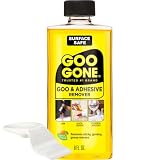
- #1 TRUSTED BRAND FOR REMOVING GOOEY MESSES: Try it on stickers, wax, markers, crayons, glue, tar, window decals, glitter, gum, labels and so much more
- SAFELY RESTORE YOUR SURFACES: The surface-safe formula removes the goo without harming your surface. Formulated with citrus cleaning agents and a pleasant citrus scent
- MULTIPLE USES AROUND THE HOUSE: Everything from wine glass label remover, scuff eraser, windowsill cleaner, adhesive remover, tar cleaner, crayon drawing eraser, to glue remover
- PERFECT FOR TEACHERS AND PARENTS: Use this to remove gum, tape, crayon, and sticker residue left behind by kids
- GREAT FOR COLLECTORS AND THRIFTERS: Safely remove price stickers from gifts, wine glasses, clothing, drinking glasses, vintage collectables and more!
Hold the blade almost flat against the glass and use controlled strokes in one direction. Keep the surface and blade free of grit. Never stab downward, scrape aggressively, or use this technique on acrylic, polycarbonate, tinted windows, coated mirrors, printed glass, or window film. Wear appropriate hand protection and follow the tool manufacturer’s safety instructions.
Independent reader supportYour contribution helps us test, update, and keep practical guides available for everyone.The best order to use these methods
- Identify the surface: ordinary glass, mirror glass, automotive glass, coated glass, film-covered glass, or plastic.
- Remove loose paper or vinyl by hand.
- Try warm soapy water or a warm damp cloth.
- Add gentle hair-dryer heat if the adhesive remains hard.
- Use a plastic card or scraper to lift softened material.
- Treat the remaining residue with vinegar, oil, rubbing alcohol, or a dedicated adhesive remover, choosing the option that suits the surface.
- Reserve a metal razor for plain, uncoated glass only.
- Wash away residue with dish soap and water or an appropriate glass cleaner, then dry with a clean lint-free cloth.
Quick method guide
| Situation | Best starting method | Important caution |
|---|---|---|
| Glass jar or drinking glass | Warm, soapy-water soak | Avoid thermal shock and wash thoroughly after any solvent. |
| Window or fixed pane | Warm damp cloth, then gentle heat | Do not flood frames, seals, or electronics. |
| Mirror | Warm cloth and careful wiping | Keep liquid away from the edges and backing. |
| Tinted automotive glass | Check the film manufacturer’s instructions first | Avoid razors and unapproved solvents. |
| Thick residue on plain glass | Dedicated remover followed by a plastic scraper | Pre-test the surrounding material. |
| Thin film on ordinary uncoated glass | Single-edge razor held nearly flat | Never use on plastic, film, tint, or coatings. |
How to clean up after removing the sticker
Once the adhesive has lifted, remove any oil, commercial remover, or WD-40 residue with dish soap and water or a suitable glass cleaner. Use a clean microfiber cloth for the final wipe so dirt and grit do not become trapped under the cloth and scratch the surface. Do not use steel wool, rough scouring pads, or aggressive abrasives.
For the cleanup stage, a microfiber glass-cleaning cloth is useful for applying a solvent and drying the glass without leaving much lint. It is an accessory, not a substitute for choosing a compatible remover.
Quick wins for a faster PC:
Scan for outdated or missing drivers - takes under a minuteDriver Scan →Repair Windows errors before they cause bigger problemsFix Now →Fix the driver behind crashes, sound loss and screen glitchesFind Drivers →Common mistakes to avoid
- Using a razor too soon: soften the sticker first and confirm that the glass is uncoated.
- Pulling straight outward: peel back slowly at a low angle.
- Flooding a mirror: liquid can reach the backing through the edges.
- Assuming clear plastic is glass: identify acrylic, polycarbonate, and other plastics before using a solvent or blade.
- Scrubbing with steel wool or a rough pad: abrasive tools can scratch glass or leave a film.
- Leaving oil or solvent on food-contact items: wash jars, bottles, and drinking glasses thoroughly.
- Mixing cleaners: never mix bleach with ammonia, vinegar, rubbing alcohol, or other household cleaners. Dangerous chemical reactions can result.
When to stop
If the glass is cracked, unusually valuable, antique, chemically etched, painted, or part of an irreplaceable object, do not experiment with blades or solvents. Contact the manufacturer, a conservator, or a professional cleaner. Adhesive chemistry varies with the sticker’s age, backing, and exposure to heat, so no single method is guaranteed for every sticker.
Frequently Asked Questions
What is the easiest way to remove a sticker from glass?
Start by peeling it slowly from one corner. If it resists, soften it with warm soapy water, a warm damp cloth, or gentle hair-dryer heat. Then lift the softened sticker with a plastic card or scraper.
Can I use a razor blade on glass to remove a sticker?
Only on confirmed plain, uncoated glass. Hold a single-edge razor almost flat and use controlled strokes. Do not use it on mirrors, tinted windows, window film, coated or printed glass, acrylic, or polycarbonate.
Is WD-40 safe for removing sticker residue from glass?
The manufacturer states that WD-40 Multi-Use Product can remove adhesive from glass when used as directed, but spot-test first, ventilate the area, avoid polycarbonate and clear polystyrene, and wash thoroughly afterward. Use extra care on food-contact glassware.
Free tools Windows power users keep installed
One-click scans. No signup required.
How do I remove sticker residue from a mirror?
Use a warm, damp cloth and apply any cleaner to the cloth rather than flooding the mirror. Keep liquid away from the edges and backing. Avoid a razor unless the mirror manufacturer specifically confirms that scraping is safe.
The Bottom Line
For most glass stickers, use this escalation ladder: slow hand-peeling, warm water or a warm cloth, gentle heat, a plastic scraper, then a compatible residue remover. Use a metal razor only on plain, uncoated glass, and always wash food-contact glassware thoroughly after using oil, WD-40, alcohol, vinegar, or commercial adhesive remover.
Quick Recap
Product prices and availability are accurate as of the date/time indicated and are subject to change. Any price and availability information displayed on Amazon at the time of purchase will apply.

