Boxelder bugs rarely cause major structural damage. Their real impact is seasonal nuisance: large clusters on sunny walls, entry through cracks and screens, and staining when they are crushed. The best plan is to seal the building before late-summer or fall movement, remove indoor bugs physically, and use exterior insecticide only for heavy or recurring infestations.
Boxelder bugs rarely cause major structural damage. They are primarily nuisance pests: in late summer and fall they can gather by the hundreds on sunny walls, squeeze through small openings, stain light-colored surfaces, and become difficult to remove indoors. The most effective strategy is not trying to eliminate every bug in the yard. It is sealing entry points before seasonal movement begins, then using physical removal indoors and carefully timed exterior treatment only when infestations are heavy or recurring.
As an Amazon Associate I earn from qualifying purchases.
What boxelder bugs look like
The species commonly discussed by extension services is Boisea trivittata. Adults are about one-half inch long, mostly black, with red or orange markings—including three red lines behind the head and red markings along the wings. Nymphs are smaller, wingless, and often bright red with black markings.
Recommended Free Tools
They are especially associated with female boxelder trees, which produce the seed pods the insects feed on. Boxelder bugs may also use maple and ash trees. Adults commonly spend winter in protected cracks and spaces around buildings. On warm, sunny days they become active again, and in late summer and fall they often leave host trees and cluster on warm south- or west-facing walls.
#1 Best Overall

- REPELS MOSQUITOES: Repels mosquitoes, including those that may transmit the Zika, West Nile, Dengue and Chikungunya viruses.
- CONTAINS 98.11% DEET: Formulated for protection in severe insect conditions.
- PROTECTS FOR UP TO 10 HOURS: Provides long-lasting protection, so you don't have to limit your family’s adventure because of mosquitoes.
- ALSO REPELS TICKS, GNATS, BITING FLIES, CHIGGERS & FLEAS: Repel these annoying bugs that can spoil the outdoors.
- PUMP SPRAY: Perfect for outdoor travel – the compact size stores perfectly with whatever adventure gear you're taking that day.
What damage do boxelder bugs actually cause?
In a typical home landscape, boxelder bugs are not considered a serious threat to the structure, people, or healthy landscape plants. They do not normally chew through siding, weaken framing, or reproduce inside a house during the overwintering nuisance period.
The practical problems are different:
- Large clusters can cover siding, windows, doors, and foundation walls.
- They may enter through damaged screens, cracks, vents, and gaps around utilities.
- Crushed bugs can produce an unpleasant odor and leave stains or excrement on light-colored walls, curtains, draperies, and other surfaces.
- Bugs that overwinter in wall voids, attics, or other protected spaces may emerge gradually during warm winter or spring weather.
So the goal is best measured as fewer bugs entering the home and less seasonal nuisance, not guaranteed eradication of the local population.
When to start control measures
Begin inspection and repairs before boxelder bugs start clustering on the building. The exact calendar varies with location and weather. In Minnesota, for example, University of Minnesota Extension recommends completing repairs before the end of August and considering exterior treatment in late summer or early fall when bugs first gather on the building. That timing should not be treated as a universal date for every climate.
The Tool Desk
Outbyte Driver Updater FREEScan for outdated or missing drivers - takes under a minuteDriver Scan →Outbyte PC Repair FREEClear out junk files and repair common Windows errorsFree Scan →Watch for the first sustained clusters on warm, sunny exterior surfaces. Once large numbers are already moving toward the house, exclusion work can still help, but sealing beforehand is more effective because it prevents insects from reaching hidden entry points.
Step-by-step plan to keep boxelder bugs out
1. Inspect the warmest sides of the house
Start with south- and west-facing walls, where sunlight warms the surface. Check closely around:
- Windows and exterior doors
- Roof lines, fascia, soffits, and siding transitions
- Foundation-to-siding joints
- Roof and soffit vents
- Bathroom and kitchen exhaust-fan screens
- Outdoor faucets and dryer vents
- Openings where utility wires, pipes, cables, or conduit enter the building
- The bottom and sides of the garage door
Use a flashlight and inspect from both inside and outside where practical. A tiny visible opening can be more important than a large area of intact wall because boxelder bugs need very little space to enter.
Rank #2

- Two 4 oz cans of OFF Deep Woods Insect Repellent Aerosol protect against mosquitoes
- Outdoor bug repellent is formulated with 25% DEET and provides long lasting protection from mosquitoes, making this DEET mosquito repellent an ideal bug spray for camping, hiking, running and your favorite outdoor activities
- OFF mosquito spray offers effective protection from mosquitoes that may carry the Zika, Dengue, or West Nile viruses plus ticks that may cause Lyme disease, biting flies, gnats, and chiggers
- OFF bug spray with DEET comes in a convenient aerosol spray bottle for easy application
- Mosquito repellent spray goes on powder-dry, not oily or greasy, so you don't know you're wearing it and it doesn't stain
2. Repair screens
Replace or patch damaged window and door screens before the seasonal migration indoors. Do not overlook screens covering roof vents, soffit vents, bathroom fans, kitchen fans, or other openings that connect directly to the building.
What’s actually slowing this PC down?
Pick the symptom - the matching free tool is one click away.
Screen repair is an exclusion measure, not merely a comfort upgrade. It blocks one of the easiest routes into living spaces while allowing required ventilation to continue.
3. Seal cracks and utility penetrations
Apply an appropriate exterior sealant around windows, doors, fascia, siding transitions, roof lines, and utility penetrations. Depending on the material and location, suitable options may include silicone, elastomeric latex, or silicone/acrylic caulk. Larger gaps may require polyurethane expandable spray foam, copper mesh, or another compatible filler before the final seal is applied.
An exterior caulk or sealant can be useful for the smaller cracks identified during the inspection, but choose a product appropriate for the surface, exposure, and expected movement. Clean and dry the joint as directed by the product instructions, and do not use sealant to block an opening that is required for drainage or ventilation.
Older vinyl-sided buildings can be difficult to seal completely, but reducing the number of accessible gaps can substantially reduce indoor entry.
Quick wins for a faster PC:
Fix the driver behind crashes, sound loss and screen glitchesFind Drivers →Repair Windows errors before they cause bigger problemsFix Now →Scan for outdated or missing drivers - takes under a minuteDriver Scan →4. Close gaps beneath doors and the garage door
Install or replace door sweeps and thresholds on exterior entry doors. Inspect the garage door’s bottom rubber seal and replace it if it is cracked, flattened, or no longer contacts the floor evenly. Also check the side and top weatherstripping.
Rank #3

- Non-greasy, lightweight bug repellent spray dries quickly, not sticky
- Long-lasting protection from this OFF! mosquito repellent spray lasts up to 8 hours to keep you protected from mosquito bites day or night
- Odorless formula that helps you avoid mosquito bites during mosquito season
- OFF insect repellent spray is proven to repel mosquitoes, and ticks
- Easy-to-apply aerosol bug spray makes it simple to spray, spread and go
A door sweep or garage-door bottom seal is a relatively simple exclusion improvement, especially when bugs are found along the floor just inside an entry door or garage.
5. Reduce hiding and congregation points where practical
Keep an eye on gaps behind trim, loose fascia, damaged siding, and deteriorated sealant. Repairing these areas as part of normal exterior maintenance improves the building envelope and reduces protected spaces where insects can gather.
Do not assume that removing every boxelder tree is necessary. Tree removal is a context-dependent decision, not a guaranteed cure.
Free tools Windows power users keep installed
One-click scans. No signup required.
Should you remove a boxelder tree?
First determine whether a nearby female boxelder tree is a major local source. Female trees produce the seed pods boxelder bugs prefer, while adults can also travel from other trees and properties.
Extension guidance differs in emphasis. Colorado State Extension describes removing female boxelder trees as the most permanent solution in some settings. University of Minnesota Extension cautions that tree removal is generally not a good broad management strategy because adults can fly substantial distances and the landscape value of the trees may outweigh the nuisance.
That means removing one tree may not solve the problem if other host trees are nearby or bugs are arriving from elsewhere. For a mature, valuable, or difficult-to-remove tree, obtain an arborist assessment before making a decision. Consider removal only after weighing:
Rank #4
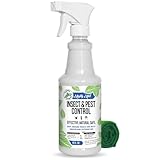
- Pet-Friendly & Family-Safe Formula – Mighty Mint is a top pick for pet parents looking for a natural pest control solution. Safe to use around dogs, cats, and kids when applied as directed—no harsh fumes or dangerous chemicals, just powerful peppermint protection you can trust.
- Powerful Plant-Based Pest Control – Formulated with extra-concentrated peppermint oil, this spray is a proven deterrent for spiders, ants, roaches, and more.
- Effective Indoor & Outdoor Use – Designed for versatile application on baseboards, entryways, patios, and other areas. Helps repel insects from kitchens, bathrooms, living spaces, and more—without staining surfaces.
- Fresh Minty Scent With Long-Lasting Effect – Infused with pure peppermint oil, this formula leaves a crisp, clean aroma that lingers without overwhelming. Free from synthetic fragrances and common allergens, making it a gentle option for scent-sensitive households.
- Ready-To-Use 16 Oz Spray For Targeted Application – Perfect for quick treatments in high-traffic areas, this 16 oz bottle delivers fast, focused pest control against spiders, ants, and other common insects. Pre-mixed and easy to use—just spray and go for natural protection wherever it’s needed most.
- Whether the tree is female and producing abundant seed pods
- How close it is to the house and whether bugs consistently congregate on it
- Whether other boxelder, maple, or ash trees are nearby
- The tree’s shade, habitat, wind, and landscape value
- Whether pruning, exclusion, and exterior treatment can address the nuisance without removal
When to use boxelder bug spray
For a small number of insects, sealing and physical removal are usually more sensible than spraying. An exterior insecticide may be worth considering when there are very large numbers of bugs or a history of recurring invasions despite reasonable exclusion work.
The most useful timing is generally late summer or early fall, when adults first cluster on exterior surfaces. Spraying in spring as bugs leave overwintering sites does not prevent the next fall’s population.
If you are comparing a boxelder bug spray, treat the phrase as a product category rather than a recommendation of a particular brand. Consumer products may list active ingredients such as bifenthrin, cyfluthrin, deltamethrin, lambda-cyhalothrin, or permethrin, but the active ingredient alone does not establish that a product is suitable for your building or situation.
Use exterior treatment only where the label permits it. Do not spray indoor wall voids as a routine boxelder-bug solution.
Independent reader supportYour contribution helps us test, update, and keep practical guides available for everyone.How to remove boxelder bugs already inside
Once boxelder bugs have emerged indoors, physical removal is the practical response:
- Vacuum visible insects. A handheld or hose-equipped vacuum makes it easier to reach windowsills, corners, curtains, and ceiling edges.
- Use a broom and dustpan where vacuum access is inconvenient.
- Empty the vacuum promptly according to the manufacturer’s instructions so insects do not escape back into the room.
- Avoid crushing large numbers against light-colored walls, curtains, or upholstery because odors and stains may result.
- Seal the exterior entry points afterward. Vacuuming solves the immediate indoor nuisance but does not stop more bugs from entering.
Boxelder bugs that overwintered in walls or attics may appear gradually during warm winter or spring conditions. They do not reproduce inside the home during this overwintering period, so seeing new adults indoors does not necessarily mean there is an indoor breeding colony.
Best Value
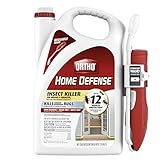
- WHERE TO USE INSECT SPRAY: Use this pest control spray indoors in kitchens and bathrooms or around doors and windows, and outdoors to the perimeter of foundations, patios, decks, garages or wherever insects are a recurring problem
- LONG-LASTING PROTECTION: This outdoor perimeter and indoor bug spray for homes creates a bug barrier that provides up to 12 month protection against ants, roaches and spiders when applied indoors on non-porous surfaces
- EASY-TO-USE APPLICATOR: This 1.33 gal. container of Ortho Home Defense Insect Killer for Indoor & Perimeter2 Ready-To-Use comes with a battery-powered Comfort Wand sprayer, which delivers a continuous spray for easy application
- INDOOR INSECT KILLER: Ortho Home Defense Insect Killer for Indoor & Perimeter2 is a bug killer spray that kills the toughest home-invading insects, including ants, cockroaches, spiders, fleas, ticks, scorpions, earwigs, silverfish, and more as listed
- WHEN TO USE: Apply this bug spray outdoors or indoors anytime as a preventative treatment or after you see evidence of insect activity
Household insecticidal aerosols or cleaners may kill individual insects on direct contact when used exactly as their labels direct, but that is not a reason to apply pesticides broadly indoors. Window sticky traps may catch some bugs on sills, but they are only a secondary capture aid and do not address the exterior source or entry points.
When to call a pest professional
Consider a licensed local pest-control service when:
- Large clusters return every year despite repairs and sealing
- Entry points are high, inaccessible, or connected to difficult roof and soffit areas
- You are unsure which exterior surfaces can legally and safely be treated
- The infestation affects multiple rooms or a shared building
- You need help distinguishing boxelder bugs from another red-and-black insect
Ask the provider what exterior areas will be treated, how exclusion work fits into the plan, which products and application sites are proposed, and whether the business and applicators meet applicable local licensing requirements. Professional treatment can be useful for severe infestations because technicians have equipment and experience, but it should not be presented as a guaranteed way to eliminate bugs arriving from surrounding properties.
Quick boxelder-bug prevention checklist
- Inspect south- and west-facing walls before late-summer or fall clustering.
- Repair window, door, soffit, roof, and exhaust-fan screens.
- Seal cracks around windows, doors, fascia, siding, pipes, wires, cables, and vents.
- Leave required brick and stone veneer weep holes open; use appropriate ventilation plugs instead.
- Replace worn door sweeps, thresholds, and garage-door bottom seals.
- Check whether a nearby female boxelder tree is a significant source before considering removal.
- Use exterior insecticide only for heavy or recurring infestations and only according to the current product label.
- Vacuum or sweep indoor bugs instead of crushing them on light surfaces.
- Escalate severe, recurring, or inaccessible problems to a qualified professional.
The bottom line
Boxelder bugs are usually a nuisance and staining problem—not a sign that your house is being structurally destroyed. Start with building-envelope maintenance: repair screens, seal cracks and penetrations, and close gaps beneath doors and the garage door before warm-season clustering begins. Treat tree removal as a conditional decision, not a universal answer. If numbers are severe or recurring, a properly labeled exterior treatment or qualified pest professional can supplement exclusion. Inside the home, vacuum or sweep the insects and focus on preventing the next entry.
Frequently Asked Questions
Do boxelder bugs cause structural damage?
Usually not. Boxelder bugs are primarily nuisance pests and do not normally damage house framing, siding, or healthy landscape plants. They can enter through small openings, gather in large numbers, produce an odor when crushed, and stain light-colored surfaces.
When should I treat for boxelder bugs?
The exact timing varies by climate and weather. They commonly cluster on warm, sunny south- and west-facing walls in late summer and fall. Begin screen repairs and sealing before the first large clusters appear.
Will removing a boxelder tree get rid of the bugs?
Not automatically. Removing a female boxelder tree may help in some settings, but adults can travel from other trees and properties. Identify whether the tree is a major local source and consider an arborist assessment before removal.
How do I remove boxelder bugs from inside my house?
Vacuum or sweep them up and avoid crushing large numbers on light-colored walls, curtains, or upholstery. Then seal exterior cracks and entry points. Routine pesticide treatment of indoor wall voids is not recommended.
The Bottom Line
Best approach: prevent entry before late-summer or fall clustering by repairing screens and sealing exterior gaps. Use physical removal indoors, and reserve carefully label-directed exterior insecticide for heavy or recurring infestations. Boxelder bugs rarely cause major structural damage; the real goals are fewer indoor insects, less staining, and less seasonal nuisance.
Quick Recap
Product prices and availability are accurate as of the date/time indicated and are subject to change. Any price and availability information displayed on Amazon at the time of purchase will apply.

