Free tools Windows power users keep installed
One-click scans. No signup required.
Use integrated pest management, not a one-step spray. Confirm bed bugs from physical evidence, contain belongings before moving them, dry suitable textiles on high heat, encase the mattress and box spring, isolate the bed with interceptors, inspect repeatedly, and use only labeled, legally registered pesticides when necessary. Persistent or extensive infestations warrant an experienced licensed professional.
The most reliable way to get rid of bed bugs is integrated pest management (IPM), not a single spray or home remedy. First confirm the infestation from physical evidence, then contain belongings, heat-treat suitable textiles, isolate and monitor the bed, reduce hiding places, and use only legally registered pesticides exactly as labeled when necessary. Persistent, extensive, or difficult infestations are best handled by a licensed professional with specific bed bug experience.
As an Amazon Associate I earn from qualifying purchases.
Bed bugs are difficult to eliminate because they hide in cracks, furniture, bed frames, and clutter; eggs may survive some treatments; and a successful heat or chemical treatment does not stop new bugs from arriving later. The goal is not simply to kill the bugs you can see. It is to remove or contain every life stage, find missed survivors, and prevent reintroduction.
First, make sure they are bed bugs
A rash or a few itchy spots is not enough to identify bed bugs. Bites can resemble mosquito or flea bites, may appear days after the bite, and some people have no visible reaction at all. Do not start applying pesticides solely because someone has an unexplained rash.
#1 Best Overall

- 360° Coverage Protection - Fits 54 inches by 75 inches full size mattress up to 13 inches deep, fully encasing all sides. The stretchy fabric slips on easily and stays securely in place without shifting. Refer to the installation video below for step-by-step guidance.
- Soft and Durable Fabric - The non-crinkling design keeps the full size mattress cover quiet and comfortable without feeling stiff. Made from smooth, knitted polyester, that lays flat across the mattress.
- Secure Zippered Closure - The wrap-around zipper encloses the mattress for a tight, secure fit. The mattress protector is designed to provide all-around coverage without shifting.
- 100% Waterproof Liquid Barrier - A protective waterproof layer helps block spills, sweat, drinks and everyday accidents from reaching the mattress, ideal for homes with kids or pets.
- Easy Machine Care – The full size mattress encasement is simple to maintain. Machine wash and tumble dry on low heat with your regular laundry to keep it clean. Note: Packaging may vary slightly.
Look for physical evidence around the bed and nearby furniture:
- Live adult bed bugs or smaller nymphs
- Flat, reddish-brown insects in mattress folds, bed-frame joints, furniture seams, cracks, or other protected areas
- Shed skins or pale exoskeletons
- Rust-colored or dark fecal spots on bedding, mattresses, bed frames, walls, or furniture
- Small eggs or eggshells in protected crevices
- A sweet, musty odor in heavier infestations
Whenever possible, photograph the insect beside a ruler or preserve it in a sealed container for identification. A pest professional, extension service, or other qualified insect-identification resource can help confirm a questionable specimen. If no bug or other infestation sign can be found, consider other causes of the skin reaction before escalating treatment.
What to do immediately: contain, do not spread
Before moving anything out of the room, assume loose belongings may contain bugs. Moving them untreated can turn one-room problem into a multi-room problem.
The Tool Desk
Outbyte Driver Updater FREEScan for outdated or missing drivers - takes under a minuteDriver Scan →Outbyte PC Repair FREEClear out junk files and repair common Windows errorsFree Scan →- Keep belongings in the infested room until they are sealed. Do not carry loose bedding, clothing, stuffed toys, bags, or clutter into another room.
- Bag items at the source. Use sealed plastic bags or lidded containers before taking items to a dryer, washer, freezer, or treatment area. Seal the container before it leaves the room.
- Separate treated from untreated items. Once an item has been treated, put it in a clean, sealed bag or container. Do not mix it with belongings that still need inspection or treatment.
- Reduce clutter methodically. Remove hiding places only after deciding how each item will be contained and treated. Avoid creating piles in hallways, vehicles, or another bedroom.
Do not automatically throw away a mattress, sofa, or other furniture. Replacement does not solve bugs hiding in walls, baseboards, bed frames, clothing, or nearby rooms. If an item must be discarded, wrap and seal it securely and mark or damage it according to local disposal requirements so someone else cannot take it. Never drag an unwrapped infested item through a hallway, elevator, vehicle, or sidewalk.
Use the dryer as the main laundry tool
For clothing, bedding, and other textiles that can safely tolerate heat, putting them directly into a dryer is generally more dependable than washing alone. University of Minnesota Extension guidance says a dryer set to at least medium-high heat for about 30 minutes kills all life stages on suitable items. Use the hottest temperature the fabric can safely withstand.
A practical laundry sequence
- Bag the textiles in the infested room.
- Carry the sealed bag directly to the laundry area.
- Empty the items carefully into the dryer. Do not spread them across a clean room or bed first.
- Run the dryer at the hottest fabric-safe setting for about 30 minutes, or follow a longer or different cycle if the item or equipment requires it.
- Place the dry, treated items into a new clean bag or container.
Do not overload the dryer. Heat must reach the items, and tightly packed bags or thick piles can create cooler areas that may not receive the required treatment. Dry-clean-only items may be put through a dryer if the material and care instructions permit it; drying can kill bed bugs, but it does not clean the item. Tell the cleaner about the possible infestation and transport the item in a sealed bag.
Washing alone generally will not kill bed bugs. If an item can be washed but cannot safely be dried with heat, obtain treatment instructions from a pest professional or another authoritative source rather than assuming the wash cycle is sufficient. Keep treated textiles sealed until the room and storage areas have been addressed.
What’s actually slowing this PC down?
Pick the symptom - the matching free tool is one click away.
Rank #2

- Bed Bug Mattress Encasement Sealed on All Six Sides: The nylon zipper closure glides around three sides and tucks under a stitched guard flap, leaving no open corner or gap at the pull; sleep tight knowing nothing crawls in and nothing crawls out
- Jersey Knit Mattress Encasement, Soft and Quiet: The knitted polyester face feels more like a soft T-shirt than plastic, silky smooth and silent as you turn over; the breathable jersey fabric handles a warm wash and low tumble dry and keeps its shape
- Waterproof Mattress Cover for Spills and Night Accidents: A waterproof layer sealed beneath the knit helps keep sweat, spills, and wet nights off your mattress; ideal for kids still learning, and when a mess happens it unzips and washes like a sheet
- Dust Mite Mattress Cover and Allergen Barrier: The tight knit and sealed zipper keep dust mite allergens shut inside the mattress instead of drifting into bedding; and rest easier knowing the fabric on your skin is OEKO-TEX Standard 100 certified
- Size and Depth: This Queen mattress encasement fits a mattress measuring 60 by 80 inches and 12 inches deep, stretching up to 13; measure yours first, then slip this zippered waterproof bed bug proof cover down like a pillowcase, and zip it closed
Encase the mattress and box spring
A purpose-made encasement should completely enclose the mattress, close securely, and remain intact. Use a compatible encasement for the box spring as well. A properly installed cover traps bed bugs already inside, prevents them from emerging to feed, and creates a smooth surface that is easier to inspect.
An encasement is a barrier and monitoring aid, not a complete infestation treatment. Bed bugs may still be in the bed frame, headboard, baseboards, nightstands, upholstered furniture, clothing, or clutter. Do not remove the encasement after a few days. Follow its instructions and any professional guidance, inspect it periodically, and replace it if the fabric tears or the zipper no longer closes securely.
Product note: If you are buying one, compare a bed bug mattress encasement that fully encloses the mattress, has a secure zipper, and is specifically designed for bed bugs. Avoid treating any encasement as a guaranteed elimination product.
Isolate the bed and use interceptors
Place an interceptor under every leg of the bed. These small cups catch or reveal bugs trying to climb to or from the furniture. They are monitors and barriers, not a stand-alone extermination method.
To make the monitoring setup work:
- Move the bed slightly away from the wall.
- Keep sheets, blankets, bed skirts, and clothing from touching the floor.
- Make sure cords, storage boxes, furniture, and other objects do not create a bridge around the interceptors.
- Use interceptors under other upholstered furniture being monitored when appropriate.
- Check them regularly, record what you find, and clean or reset them according to their instructions.
Commercial interceptors are convenient. The U.S. Environmental Protection Agency also describes do-it-yourself versions, but a homemade trap should not be treated as independently tested or equivalent to every commercial design.
Product note: Bed bug interceptors or bed bug monitor traps can make ongoing inspection easier. Choose them for detection and isolation, not as a substitute for treating the room and belongings.
Reduce hiding places without scattering the infestation
Bed bugs favor protected spaces. Carefully reduce clutter around the bed, inspect seams and joints, and make cracks and furniture edges easier to reach and examine. Work one area at a time and keep anything removed from the room sealed until it has been treated or discarded safely.
Do not move untreated belongings to a clean bedroom, garage, office, or vehicle. If you need to remove an item for inspection, place it in a sealed container first. The purpose of decluttering is to expose and reduce hiding places—not to redistribute them.
Steam can help when used carefully
Steam may help treat cracks, baseboards, bed frames, carpets, and furniture fabrics. EPA guidance recommends steam with a temperature of at least 130°F and a diffuser. The airflow should not be forceful enough to scatter bugs into new hiding places.
Rank #3
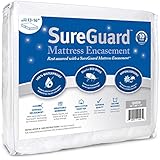
- 100% Waterproof - Six-sided premium mattress protector blocks perspiration, bed wetting, liquids and stains; 10-year quality guarantee (NOTE: For frequent accidents and easy clean-ups, place a fitted SureGuard Mattress Protector over the encasement).
- Bed Bug Proof - Super fine zipper with Invisi-Zip and SureSeal technology completely seals off the mattress from bed bugs - use with a SureGuard Box Spring Encasement
- Keeps Your Mattress Clean & Fresh - Blocks dust, dirt and dander on all sides.
- Soft & Noiseless - 100% cotton terry top; Wicks away moisture; Retains the feel of your mattress - Free from Vinyl, PVC, Phthalates, fire retardants and other toxic chemicals
- Queen (60 in x 80 in) - Fits 13 to 16 inches deep; Zippered Mattress Encasement - Machine wash and dry. Independently lab tested and GREENGUARD Gold certified.
Steam is not risk-free. Protect yourself from burns, avoid damaging moisture-sensitive materials, and follow the equipment manufacturer’s instructions around electricity, fabrics, and finished surfaces. Treat methodically rather than sweeping a powerful jet across the room. Steam should be one part of IPM, followed by encasements, monitoring, inspection, and repeat treatment when needed.
Do not improvise whole-room heat
Professional heat treatment uses controlled equipment and monitoring to bring the relevant area and contents to lethal conditions. It is not the same as turning up a thermostat or placing a heater in the room.
Do not try to heat a home with a fireplace, propane heater, space heater, heat gun, or improvised arrangement. These methods may leave cold spots where bugs and eggs survive and can cause fire, explosion, carbon-monoxide, or other exposure hazards. EPA IPM guidance gives an example of heating infested articles or areas to at least 120°F for 90 minutes to ensure eggs are killed. Treat that as a controlled treatment target—not permission to improvise with household heating equipment.
Heat also has no residual effect. Even if a professional treatment eliminates the infestation present today, new bugs can later arrive on luggage, used furniture, clothing, visitors’ belongings, or from an adjacent unit.
Use pesticides only as one part of IPM
If a pesticide is necessary, choose only a product legally registered for bed bug use in your location and follow its current label exactly. In the United States, EPA-registered products are reviewed for safety and effectiveness when used according to label directions, but resistance can reduce performance. The label controls where the product may be applied, how much may be used, ventilation, reentry, and whether mattresses, upholstery, cracks, or other surfaces are included.
Product registrations and availability change. Do not rely on an old online recommendation or assume a named brand is approved for every use. Never apply a pesticide to a person, pet, mattress, sofa, or other surface unless the label specifically permits that application.
Do not use these dangerous shortcuts
- Rubbing alcohol: it can ignite easily and harm people.
- Kerosene or gasoline: these are serious fire and poisoning hazards and are not bed bug treatments.
- Food-grade or pool-grade diatomaceous earth: do not substitute it for a pesticide product registered for bed bugs; inhalation can be hazardous.
- Foggers and bug bombs: they may not penetrate cracks and crevices where bed bugs hide, and misuse can cause fire, explosion, or dangerous exposure.
- Unregistered miracle products: a dramatic claim is not evidence that the product is legal, safe, or effective.
No spray replaces inspection, hot drying, encasements, isolation, and monitoring. If pesticides are used, protect children, pets, and medically vulnerable occupants according to the product label, and obtain professional advice when safe application is uncertain.
PC Slower Than It Used to Be?
A free scan shows the junk files, broken settings and background clutter dragging Windows down - then fixes them in one click.Free scan · Windows 10 & 11Crashes, No Sound, or Screen Glitches?
Random freezes, missing sound and display glitches usually trace back to one bad driver. Find and replace yours safely.Free scan · under a minuteRank #4

- 360° Coverage Protection - Fits 39 inches by 75 inches twin size mattress up to 13 inches deep, fully encasing all sides. The stretchy fabric slips on easily and stays securely in place without shifting. Refer to the installation video below for step-by-step guidance.
- Soft and Durable Fabric - The non-crinkling design keeps the twin size mattress cover quiet and comfortable without feeling stiff. Made from smooth, knitted polyester, that lays flat across the mattress.
- Secure Zippered Closure - The wrap-around zipper encloses the mattress for a tight, secure fit. The mattress protector is designed to provide all-around coverage without shifting.
- 100% Waterproof Liquid Barrier - A protective waterproof layer helps block spills, sweat, drinks and everyday accidents from reaching the mattress, ideal for homes with kids or pets.
- Easy Machine Care – The twin size mattress encasement is simple to maintain. Machine wash and tumble dry on low heat with your regular laundry to keep it clean. Note: Packaging may vary slightly.
Inspect and repeat instead of declaring victory early
Bed bug control takes time. Inspect every few days after the initial cleanup and treatment. Use visual inspections and interceptors together. Look for:
- Live bugs or nymphs
- New fecal spots
- Shed skins
- Eggs or eggshells
- Continuing activity in interceptors
Bites can be delayed, absent, or caused by something else, so bites alone do not prove that treatment failed or succeeded. Photograph new evidence and preserve a specimen when possible.
If signs continue, the first treatment may have missed a hiding place, eggs may have hatched, belongings may not have reached lethal conditions, or the population may be resistant to the selected pesticide. Reassess the preparation, hiding places, treatment coverage, and product label. Do not respond by repeatedly applying random pesticides; that can increase exposure without solving the problem.
Retreatment may be necessary. As a practical—not universal—benchmark, University of Minnesota Extension notes that after professional treatment, three weeks without continuing signs such as bites, live bugs, new fecal matter, or cast skins makes control likely. Continue sensible monitoring afterward because a later introduction remains possible.
Prevent bed bugs from coming back
Bed bugs are not a sign of poor housekeeping. They can occur in many environments, including expensive hotels and clean homes. Prevention is mainly about inspecting and containing potential introductions.
- Keep the bed slightly away from walls.
- Keep sheets and blankets from touching the floor.
- Leave intact mattress and box-spring encasements in place.
- Keep interceptors under bed legs while monitoring.
- After travel, inspect luggage and unpack away from the bed when practical.
- Inspect, treat, or isolate secondhand furniture before bringing it indoors.
- Do not move untreated belongings from an infested room into a clean room.
- In an apartment or other multi-unit property, notify management promptly. Neighboring units may need inspection because bed bugs can move between connected spaces.
Construction, remodeling, moving, and furniture replacement can create extra opportunities for spread if belongings are carried through common areas without containment. Plan the route, seal items before transport, and coordinate with building management or a pest professional when multiple rooms or units may be involved.
Independent reader supportYour contribution helps us test, update, and keep practical guides available for everyone.When to hire a professional
Hire a licensed pest-management professional with specific bed bug experience when bugs continue after careful preparation and treatment, the infestation is extensive, the property has multiple rooms or units, or you cannot safely perform the work. Professional help is also sensible when children, pets, or medically vulnerable people make pesticide decisions more complicated.
Best Value

- 360° Coverage Protection - Fits 72 inches by 84 inches california king size mattress up to 15 inches deep, fully encasing all sides. The stretchy fabric slips on easily and stays securely in place without shifting. Refer to the installation video below for step-by-step guidance.
- Soft and Durable Fabric - The non-crinkling design keeps the california king size mattress cover quiet and comfortable without feeling stiff. Made from smooth, knitted polyester, that lays flat across the mattress.
- Secure Zippered Closure - The wrap-around zipper encloses the mattress for a tight, secure fit. The mattress protector is designed to provide all-around coverage without shifting.
- 100% Waterproof Liquid Barrier - A protective waterproof layer helps block spills, sweat, drinks and everyday accidents from reaching the mattress, ideal for homes with kids or pets.
- Easy Machine Care – The california king size mattress encasement is simple to maintain. Machine wash and tumble dry on low heat with your regular laundry to keep it clean. Note: Packaging may vary slightly.
Look for a provider who explains the inspection and treatment plan rather than relying on a dramatic guarantee. Before hiring, ask:
Do these 3 things before closing this tab:
1Scan for outdated or missing drivers - takes under a minute2Repair Windows errors before they cause bigger problems3Fix the driver behind crashes, sound loss and screen glitches- How will you confirm that the problem is bed bugs?
- Which treatment methods do you propose, and what preparation is required?
- How will you address eggs, cracks, furniture, clutter, and adjacent rooms?
- How many follow-up inspections or retreatments are included, and under what conditions?
- Are you licensed and insured where the property is located?
- What will you treat, and what will you not treat?
- How will neighboring apartments or connected rooms be handled if relevant?
- Will you provide written preparation, safety, reentry, and monitoring instructions?
Be cautious about guaranteed one-visit elimination claims. A good plan acknowledges that missed bugs, eggs, resistance, and later introductions can affect results.
Bed bug treatment checklist
- Confirm: identify a live bug or reliable physical evidence.
- Contain: seal belongings before moving them.
- Heat-treat: use a suitable dryer cycle; do not depend on washing alone.
- Encase: fully enclose the mattress and box spring and keep covers intact.
- Isolate: move the bed from the wall, keep bedding off the floor, and install interceptors under every leg.
- Inspect: reduce hiding places carefully and check furniture, cracks, and interceptors.
- Treat: use steam, controlled professional heat, and labeled pesticides only where appropriate.
- Repeat: inspect every few days and reassess if signs continue.
- Prevent: inspect luggage and secondhand items and notify management in multi-unit housing.
Health note: The CDC says bed bugs are not known to spread disease to people, but bites can cause itching, lost sleep, anxiety, and skin damage from scratching. Basic symptom care and avoiding scratching are usually sufficient. Seek medical advice for a severe allergic reaction, spreading redness, pus, fever, or other signs of a secondary infection.
Frequently Asked Questions
Can washing clothes kill bed bugs?
Not reliably. Washing alone generally will not kill bed bugs. For suitable textiles, use the hottest fabric-safe dryer setting for about 30 minutes, avoid overloading, and keep treated items sealed afterward.
Do mattress encasements get rid of bed bugs?
They help by trapping bugs inside and making the mattress easier to inspect, but bugs may remain in the bed frame, headboard, baseboards, furniture, clothing, or clutter. Use a complete mattress and box-spring encasement as part of IPM, not as a stand-alone cure.
Recommended Free Tools
How long does it take to know whether bed bug treatment worked?
Do not judge success from bites alone because bites can be delayed, absent, or caused by another insect. Check interceptors and inspect for live bugs, new fecal spots, shed skins, and eggs every few days. After professional treatment, three weeks without continuing signs is a practical indication that control is likely, not a universal guarantee.
Should I throw away my mattress or furniture?
Not necessarily. Throwing out furniture can spread bugs through hallways, vehicles, and sidewalks, and replacement does not address bugs elsewhere in the room or building. Treat or contain the item when possible. If disposal is necessary, wrap it securely and follow local marking and disposal rules.
Are bed bugs caused by an unclean home?
No. Bed bugs are not caused by dirt and can occur in clean homes, hotels, and high-end properties. Cleanliness may make inspection easier, but it does not determine whether bed bugs are present.
The Bottom Line
Contain belongings first, use heat safely, isolate and monitor the bed, and treat the entire living area as an IPM problem. Encasements and interceptors help, but neither is a complete cure. If physical signs persist or the infestation is extensive, use an experienced licensed professional rather than escalating unsafe home remedies.
Quick wins for a faster PC:
Repair Windows errors before they cause bigger problemsFix Now →Scan for outdated or missing drivers - takes under a minuteDriver Scan →Quick Recap
Product prices and availability are accurate as of the date/time indicated and are subject to change. Any price and availability information displayed on Amazon at the time of purchase will apply.




