If trail or road construction may have damaged your property, document two things immediately: the physical damage and the nearby work or road condition you believe caused it. Photograph both from safe locations, write a dated timeline, preserve damaged items, collect estimates and receipts, and notify the project owner or road authority and your insurer according to their own procedures. A complete file helps an investigation, but it does not establish liability or guarantee payment.
There is no single claim process for every trail, road, contractor, insurer, or country. First identify who owns or manages the project area, then confirm the correct claim form, notice channel, deadline, evidence rules, inspection process, and dispute options for that organization and your policy.
As an Amazon Associate I earn from qualifying purchases.
1. Make the area safe before collecting evidence
Do not enter an active work zone, walk into traffic, cross barriers, or take a photograph from a dangerous position. Safety takes priority over a perfect image. If construction has created an immediate hazard—such as an unstable wall, exposed utility, flooding, falling material, or an unsafe access route—keep people away, take reasonable temporary measures to prevent further harm, and contact the appropriate emergency service or project contact.
Record the condition as soon as it is safe. Construction sites change quickly: a trench may be filled, a damaged verge may be graded, or equipment may be moved before an inspector arrives. Note the date and time of each observation, not just the date you eventually submit the claim.
#1 Best Overall

- 13 ft. Of reach*: allows for easy measurements when working alone (*based on maximum extension of average professional user)
- Compact size: easy to grip and store in any tool belt
- Easy grip design: extensive rubber overmold provides a comfortable grip and impact resistance
- Easy read fractions: fractions printed on the blade in alternating colors and heights for quick, easy measurements
- Includes: (1) CMHT37443S Tape Measure
2. Identify the correct claim route
Responsibility is not automatically assigned to the contractor whose machinery you saw. The landowner, public road or trail authority, government department, project sponsor, utility, contractor, or a contractor’s insurer may each have different responsibilities. Confirm who owns the land, who commissioned the work, and which organization accepts property-damage reports.
You may have more than one possible route. Do not assume that filing with one organization preserves every legal or insurance option; ask each recipient how notice affects other claims and whether your policy requires prompt notification.
| Possible route | What to confirm | Typical evidence to organize | Potential financial issue |
|---|---|---|---|
| Public road or trail authority | Claim form, notice address or portal, deadline, inspection procedure, and any statutory limits | Photos of damage and the road or work condition, location details, timeline, estimates or receipts, and correspondence | Agency rules may impose thresholds, exclusions, or limits; payment is not automatic |
| Your property insurer | Whether the policy may respond, the notification deadline, deductible, covered peril, proof-of-loss form, and inspection requirements | Policy number, photographs or video, mitigation receipts, repair estimates, invoices, and a statement of what happened | A deductible may apply; the insurer may pursue recovery from another party after investigating |
| Contractor or project insurer | The correct legal entity, claims contact, required notice, and whether the contractor’s insurer will open a third-party claim | Evidence linking the alleged work condition to the damage, witness information, estimates, and proof of ownership | Coverage and liability depend on the contract, policy, and local law |
| Legal or administrative appeal | Review deadline, required form, decision-maker, and whether an attorney or tribunal is needed | Original submission, acknowledgment, inspection reports, decision letter, and every supporting document | Time limits and available remedies vary by jurisdiction |
Ask every organization for its requirements in writing. Keep the answer with your claim file because a telephone representative’s instructions may differ from a published form or later request.
Recommended Free Tools
3. Photograph the damage and the alleged cause
Damage photographs
Take clear, dated photographs of every affected area before permanent repairs or cleaning alter it. Use a sequence that an unfamiliar reviewer can understand:
- Begin with wide views showing the property, the affected room or feature, and its relationship to fixed landmarks.
- Take medium-distance views that show the whole damaged object, wall, surface, fence, drainage feature, or landscape area.
- Take close views that reveal cracks, movement, broken components, water marks, soil loss, debris, abrasion, or other specific symptoms.
- Photograph adjacent undamaged areas when they help show the boundary or extent of the problem.
- Repeat key views with a ruler or measuring tape when scale matters. A measuring tape is optional; it is not a general claim requirement.
Keep the original files rather than relying only on social-media copies or screenshots. If your phone stores date, time, and location metadata, preserve the original file and do not edit it in a way that removes that information. Make a separate copy for annotations. Label an annotated copy as such and retain the unaltered original.
Photographs of the road, trail, or construction condition
When safe, photograph the nearby defect or work condition that you believe is relevant: an unprotected edge, diverted drainage, vibration-related excavation, construction access, settlement, debris, or other visible feature. Include recognizable landmarks, signs, intersections, property numbers, or project boards so an investigator can locate the exact spot. The Northern Ireland Department for Infrastructure specifically recommends close and distance photographs with landmarks and warns claimants to consider traffic, visibility, lighting, and safe vantage points.
Do not move barriers, clean a defect, enter a restricted area, or interfere with construction merely to obtain a better image. If the condition is no longer present, state that in your timeline and identify when you last saw it. A photograph can show condition and location; it does not by itself prove who caused the damage.
4. Create a contemporaneous timeline
Write the chronology while details are fresh. Use separate entries for observations, communications, and repairs. Include:
Rank #2

- 2 Pack Soft Fashion Measuring Tape Set. Double sided, 60 inch / 150 cm, portable,durable tape measure. Small and light pocket size measuring tape.
- Easy to Read and Accurate Measurements. The tape measure has accurate, large and clear markings in both inches and centimeters, easy and convenient to read. Wide Application on Home Office School Supplies: Cloth tape measure; body tape measure, sewing tape measure, measuring tape for body, waist tape measure, tailor tape measure. Great measuring tape for body, sewing, tailoring, weight loss, ordering clothes online, waist measurement or measuring any curved surface.
- NOTE: The black tape measure is retractable. There is a retract button in the center, just press on the button when pulling the tape out or retracting the tape back into it, or there will be loud noise.
- Package includes one soft fashion pink tape measure and one retractable black tape measure. Perfect multipurpose measuring tape for body fabric sewing tailor cloth knitting craft measurements. Great gift idea for family friends coworkers seamstress. (Retractable Black Measuring Tape, Size 2 x 2 x 0.5 inches, weight 0.7oz, portable and easy to carry or put into your bag.)
- The precise property address and, for a rural site, coordinates, nearest intersection, trail marker, lot description, or other locating information.
- When you first noticed the damage and when you last saw the property undamaged, if known.
- What construction activity was visible, including equipment, excavation, blasting, pile driving, haul routes, water diversion, or changes in access.
- Weather, flooding, vehicle impacts, utility work, or other events that could bear on alternative explanations.
- The names and contact details of witnesses, what each person personally observed, and when.
- Project signs, notices, permit numbers, contractor names, work-order references, and photographs of those signs.
- Every report, call, email, inspection, estimate, repair, and payment, with the person contacted and the promised next step.
Separate facts from conclusions. Write “a crack was visible on the north foundation wall on 12 May” rather than “the contractor caused the crack,” unless an appropriately qualified investigation has established causation. Use “alleged,” “suspected,” or “appears consistent with” when you are describing an inference.
5. Preserve damaged items and components
Keep broken parts, removed materials, contaminated contents, and other physical evidence when practical. Store them safely and protect them from further deterioration. Do not discard an item simply because a repair contractor says it is unusable; ask the adjuster, claims office, or authority whether it needs inspection first.
If an emergency repair already required removal or disposal, preserve detailed photographs, the removed component if feasible, the contractor’s notes, and the date and reason for the work. The Northern Ireland guidance says a damaged item may need inspection and asks claimants who have repaired damage to preserve the item where possible or provide photographs. The Texas Department of Insurance likewise advises photographing or recording damage and not discarding items until an adjuster advises you.
Do these 3 things before closing this tab:
1Clear out junk files and repair common Windows errors2Scan for outdated or missing drivers - takes under a minute3Repair Windows errors before they cause bigger problemsKeep a chain-of-custody note for anything handed to an inspector or contractor: identify the item, date, recipient, purpose, and whether it was returned.
6. Build the financial record
Estimates and permanent repairs
Obtain a written estimate before permanent work whenever safety and further-damage concerns permit. Ask the estimator to describe the observed condition, proposed scope, materials, labor, taxes, and any assumptions. If hidden damage is discovered after work starts, photograph it before it is covered and obtain a written change order or supplemental estimate.
Where an authority requests competing estimates, follow its exact number and format. Northern Ireland’s Department for Infrastructure guidance uses a £350 threshold: claims above £350 require receipts or three estimates or quotations, while claims below £350 require receipts or two estimates or quotations. That is an agency-specific rule and must not be treated as a universal standard for other authorities or insurance policies.
Receipts and temporary protection
Save original receipts and invoices for repairs, materials, emergency labor, temporary weatherproofing, pumping, security, storage, and other reasonable measures taken to prevent additional loss. Record the date, supplier, amount, payment method, and what the expense protected. Photograph the condition before temporary work begins, and keep removed materials when practical.
The Tool Desk
Outbyte PC Repair FREERepair Windows errors before they cause bigger problemsFix Now →Outbyte Driver Updater FREEScan for outdated or missing drivers - takes under a minuteDriver Scan →Do not inflate a claim with unrelated improvements. Separate damage restoration from upgrades, code-required work, maintenance, and betterment so the reviewer can identify the amount attributable to the incident.
Rank #3
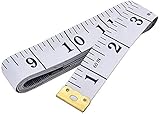
- Measuring range: 0 to 60 inches and 0 to 150 centimeters. There is a centimeter scale on the back, which is accurately printed in inches and centimeters. Both sides can be measured according to your requirements. You can put one in your pocket or backpack without taking up too much space
- Great Material: Tailor Vinyl tape measure won't stretch or deform, provides superior measurement consistence; Soft tape measure, a flexible and portable tape measure, made from soft plastic material, white color
- Operate and Read: Black markings on bright white tape is big enough for you to read, the tape has metal tabs on each end of the cloth tape measure to butt-up against the item your measuring; The metal ends also can prevent fraying
- Wide Application: Cloth tape measure; body tape measure,sewing tape measure,measuring tape tailor. Good sewing tool, accurate tape measuring for sewing, tailoring, body, waist measurement or measuring any curved surface. can provide you accurate measurements, suitable for a seamstress, a crafter, a quilter or whoever just need a flexible measuring tape
7. Notify the right parties promptly
Send notice through the channel specified by the project owner or authority—such as an online form, email address, postal address, or claims office—and notify your own insurer if the policy might apply. Ask for a claim or reference number and confirmation that the report was received.
Deadlines are not universal. They may arise from a statute, contract, policy condition, permit, or agency rule, and they can differ for public bodies and private parties. Ask specifically:
- What is the notice deadline, and from what event is it measured?
- Which form or proof-of-loss document is required?
- What photographs, estimates, receipts, ownership documents, or expert reports are expected?
- Must an inspection occur before repairs or disposal?
- Where should supplemental damage be reported?
- How will a denial or delayed response be reviewed?
Keep a communication log with the date, organization, representative’s name, telephone number or email, documents sent, instructions received, and next action. The Texas Office of Public Insurance Counsel recommends retaining records of claim communications and documents. Save sent emails, delivery confirmations, portal receipts, attachments, and a copy of every completed form.
Windows Errors? Fix Them Before They Spread
Repair common Windows errors and clear accumulated junk for a smoother, more stable PC - no reinstall needed.Free scan · no reinstallOutdated Drivers Are Slowing You Down
One free scan finds every outdated or missing driver and matches the right update for your exact hardware.Free scan · exact hardware match8. Submit a coherent claim file
Arrange the file so an investigator can follow the story without guessing. A practical order is:
- Cover page with your contact information, property address, claim number, and a one-paragraph description of the alleged event.
- One-page chronology with dates, observations, reports, inspections, and repairs.
- Location map or annotated site plan identifying the property, construction area, alleged defect, and photo viewpoints.
- Photograph index listing file name, date, viewpoint, and what each image shows. Include originals and clearly marked annotated copies.
- Damage description organized by room, structure, item, or area, with measurements where useful.
- Estimates, invoices, receipts, temporary-protection costs, and proof of payment.
- Witness list, project signs, permits or notices you received, and relevant correspondence.
- Copies of claim forms, acknowledgment messages, inspection reports, and your communication log.
Use consistent file names such as 2026-10-17_North-wall_close-up.jpg and keep a backup in a secure location. Do not send the only copy of an original photograph or receipt.
Cooperate with a reasonable inspection, but ask the inspector to identify the areas examined and provide a report or written findings when available. If an inspector requests a document you do not have, say so directly and provide the best substitute rather than guessing.
9. Understand what official examples do—and do not—establish
Northern Ireland Department for Infrastructure
The Department for Infrastructure’s public guidance states that each case is investigated and that “There is no automatic entitlement to compensation.” Its £350 estimate-and-receipt thresholds and its instructions about close and distance photographs are rules for that agency’s process. They are useful examples of the level of detail a public authority may request, not a general rule for every road or trail claim.
What’s actually slowing this PC down?
Pick the symptom - the matching free tool is one click away.
Queensland road-claim process
Queensland’s road authority asks claimants for information about the hazard and damage, including photographs and receipts, and describes statutory considerations in its road-claims process. The existence of that process does not establish the deadline, liability test, or remedy available where you live.
Rank #4

- Mr. Pen tape measure is an essential tool for anyone from homeowners and interior designers to professional handypersons, carpenters, metal or woodworkers, and architects.
- This retractable tape measure is perfect for anyone who needs to take quick, accurate measurements. The casing is made of a top-grade rubberized material that is conveniently shock-absorbent, making it durable and long-lasting.
- The tape measure has a length of 25' and features both metric and imperial measurements, including inch, cm, and mm, making it perfect for professional carpenters.
- The hook slot can be latched onto a protruding nail or screw head, which will hold the tape in place more steadily. Extend the blade, use the thumb lock to stop where you need it, and unlock the thumb to retract the blade.
- The belt clip on the back of the case allows hooking the tape measure conveniently onto a belt, tool belt, or pocket.
Texas insurance guidance
The Texas Department of Insurance advises policyholders to photograph or video damage, retain damaged items until an adjuster provides direction, and save repair receipts. The Texas Office of Public Insurance Counsel also emphasizes keeping claim communications and documents. These are consumer-insurance recommendations, not requirements imposed on every public authority or policy.
Independent reader supportYour contribution helps us test, update, and keep practical guides available for everyone.10. Common mistakes and how to correct them
Entering a hazardous work area
Problem: A claimant risks injury or violates site controls for a closer photograph.
Correction: Photograph only from a lawful, safe position and report the hazard to the project contact or emergency service. Explain in your timeline why a closer view was impossible.
Quick wins for a faster PC:
Scan for outdated or missing drivers - takes under a minuteDriver Scan →Clear out junk files and repair common Windows errorsFree Scan →Photographing only the damage
Problem: Close-ups show a crack or broken item but not where it is or what nearby condition is alleged to have caused it.
Correction: Add wide and medium views, landmarks, project signs, and a location map. Identify each image in an index.
Repairing before documenting
Problem: The original condition disappears before an inspection.
Correction: Photograph and measure first when safe, obtain a written estimate, and ask the claims contact whether an inspection is required. For urgent work, document why delay would have increased harm and keep removed components where practical.
Discarding damaged property
Problem: An adjuster or authority cannot examine the item.
Best Value

- Tape measure with MID accuracy and both inch and metric scales; measures up to 16 feet (5 meters)
- Self-locking mechanism with push button release allows inner tape to be smoothly extended and retracted
- Heat-treated spring ensures long-lasting performance; anti-skid ABS and soft rubber exterior for impact protection
- Belt clip and comfortable wrist strap for convenient carrying and easy access
- Product measures 3.43 x 2.83 x 1.69 inches
Correction: Keep it until you receive disposal instructions, or preserve comprehensive photographs, video, and contractor notes if disposal was unavoidable.
Making causation sound proven
Problem: A confident accusation can undermine credibility when other causes remain possible.
Correction: State observable facts, identify the suspected relationship, and invite the authority or insurer to investigate. Provide evidence of timing, location, construction activity, and alternative conditions.
Missing a local form or deadline
Problem: A well-documented file is sent to the wrong office or after a notice period.
Correction: Confirm the correct entity, form, delivery method, and deadline in writing. Request a receipt and keep proof of submission.
Mixing restoration with improvements
Problem: An estimate combines repair with upgrades, maintenance, or unrelated defects.
Correction: Ask the contractor to separate incident-related work, code requirements, betterment, and optional improvements.
Free tools Windows power users keep installed
One-click scans. No signup required.
11. When professional help may be appropriate
A qualified, insured repair contractor can help identify a safe temporary measure and prepare a scope of work. Verify licensing, insurance, references, and the exact work to be performed locally. A public adjuster may be an option for some property-insurance claims; the Texas consumer insurance guide describes public adjusters as a possible resource. Before signing, understand fees, authority to communicate for you, conflicts, cancellation rights, and whether the adjuster handles authority claims or only insurance claims.
Consider legal advice when the alleged loss is substantial, a public-body notice deadline is approaching, access or easement rights are disputed, multiple parties blame one another, an insurer issues a denial, or an inspection reveals structural or environmental issues. A lawyer can apply the law of the relevant jurisdiction; general road-claim guidance cannot determine your limitation period, defendant, burden of proof, or available remedy.
12. Final submission checklist
- Safety hazards reported and no evidence collected from an unsafe position.
- Dated close, medium, and wide photographs of every damaged area.
- Safe photographs of the alleged road, trail, drainage, excavation, or construction condition, with landmarks.
- Exact address or location description and a map or site sketch.
- Timeline distinguishing observations from opinions about cause.
- Witness names and contact details, project signs, notices, and correspondence.
- Damaged items and components preserved, or photographs and disposal explanation retained.
- Written estimates, original receipts, invoices, temporary-protection costs, and proof of payment.
- Correct authority, contractor, insurer, and policy contacts identified.
- Required form, notice method, deadline, inspection rule, and appeal route confirmed.
- Copies of every submission, acknowledgment, email, attachment, call note, and inspection report saved.
Submit the file promptly, answer follow-up requests accurately, and update the authority or insurer if new damage appears. Documentation gives the decision-maker a verifiable record of condition, timing, location, and cost; the final liability and coverage decision still depends on the governing law, contracts, policy terms, and investigation.
Quick Recap
Product prices and availability are accurate as of the date/time indicated and are subject to change. Any price and availability information displayed on Amazon at the time of purchase will apply.

