To do an ordinary load of laundry safely, match clothes with compatible care labels, sort them by color and fabric, pretreat stains, measure the correct amount of detergent, leave room in the washer, and check every item before it goes into the dryer. The routine below assumes a standard U.S. household washer and dryer and ordinary washable clothing. Your garment’s care label and your appliance owner’s manual always override general advice because cycle names, dispenser layouts, load limits, and temperatures vary by model. For a concise manufacturer example of the sequence, see Whirlpool’s laundry guide.
The 10-step laundry routine
- Gather detergent, a hamper, and a washer plus a dryer, rack, or clothesline.
- Read the care labels and prepare the garments.
- Sort by color, fabric strength, soil level, and lint.
- Pretreat stains and test stain products first.
- Measure detergent and any permitted optional additives.
- Load the washer loosely without overfilling.
- Select the cycle, water temperature, spin speed, and options.
- Inspect wet clothes before drying.
- Dry each item using its labeled heat or air-drying method.
- Remove, fold or hang, store, and leave the machines ready for the next load.
The goal is not to create as many separate piles as possible. The goal is to put together garments that can safely receive the same treatment.
As an Amazon Associate I earn from qualifying purchases.
Before you start: supplies and basic rules
Essential supplies
- Laundry detergent labeled for your washer.
- A laundry basket or hamper.
- Access to a washer and either a dryer, drying rack, clothesline, or suitable hangers.
Useful but optional supplies
- Stain remover or liquid detergent for pretreating.
- Mesh laundry bags for bras, hosiery, lingerie, small items, and delicate garments.
- Oxygen bleach or chlorine bleach, but only when both the garment label and product label allow it.
- Dryer balls or dryer sheets, with important fabric limitations.
- A drying rack and hangers.
Fabric softener, scent beads, dryer sheets, bleach, vinegar, and baking soda are not required to get clothes clean. Detergent and the correct care method are the essentials.
Recommended Free Tools
For a general overview of sorting, stains, detergent, and basic machine use, the American Cleaning Institute laundry basics guide is a useful reference. If your washer has unfamiliar controls, look up the exact model in the owner’s manual rather than assuming that a cycle called Normal, Eco, or Heavy Duty works identically on every machine.
#1 Best Overall

- 4 More Loads Per Bottle: 174 fl oz ARM & HAMMER Liquid Laundry Detergent, Clean Burst Scent, with up to 174 loads for excellent value and trusted cleaning power
- 2X Stain Fighters: Concentrated with 2X stain fighters in every load (vs leading value detergent); tackles grass, food, and oily stains in every load; infused with ARM & HAMMER Baking Soda to power out tough dirt and odors
- Fresh Clean Burst Scent: With a vibrantly fresh fragrance that leaves clothes smelling fresh without being overpowering
- High-Efficiency (HE) Detergent: Designed to work in all washers, including standard and high-efficiency (HE) machines; works at all temperatures, even cold water; suitable for all fabric types
- Trusted Clean: ARM & HAMMER is the #1 liquid laundry detergent brand (based on total wash loads sold, L52W ending 1/08/26)
Step 1: Gather supplies and choose a manageable load
Start with the clothes you intend to wash and identify anything that does not belong in a standard machine load. Separate dry-clean-only, hand-wash, wool, silk, heavily embellished, leather, and otherwise unusual items before you begin.
A manageable load contains items with broadly compatible care instructions. For example, everyday cotton T-shirts, casual pants, socks, and underwear may share a load if their colors and labels are compatible. A load containing a wool sweater, a lace bra, muddy work clothes, and white towels is not a good mixed load even if everything fits inside the drum.
Bulky items such as comforters may need a dedicated Bulky or Bedding cycle and a larger-capacity washer. If an item cannot move freely, use a larger machine at a laundromat rather than compressing it into a household washer.
Quick wins for a faster PC:
Clear out junk files and repair common Windows errorsFree Scan →Fix the driver behind crashes, sound loss and screen glitchesFind Drivers →Repair Windows errors before they cause bigger problemsFix Now →Step 2: Read the care labels and prepare the clothes
Care symbols are the garment’s risk boundary, not casual suggestions. A label saying dry clean only, hand wash, do not wash, or lay flat to dry should not be overridden simply because a gentle machine cycle is available. U.S. manufacturers and importers generally must provide care instructions for covered garments, and U.S. symbols are based on ASTM conventions rather than being identical to every European ISO symbol. The Federal Trade Commission’s care-label guidance explains the U.S. requirements.
Common care symbols
| Symbol or feature | What it tells you |
|---|---|
| Washtub | How the item may be washed and, where shown, the maximum temperature. |
| Lines under the washtub | Use a gentler or permanent-press cycle. More lines generally indicate more care. |
| Hand in a washtub | Hand wash, unless the label or manufacturer specifically permits an equivalent machine hand-wash cycle. |
| Crossed-out washtub | Do not wash in water. |
| Triangle | Whether bleaching is permitted. |
| Crossed-out triangle | Do not use bleach. |
| Square with a circle | Tumble drying is permitted, with dots or other marks indicating heat restrictions. |
| Crossed-out square with a circle | Do not tumble dry. |
| Square with a line or lines | Line dry, hang dry, or dry flat, depending on the line direction and symbol. |
| Iron | Whether ironing is permitted and the maximum heat, usually represented by dots. |
| Circle | Professional dry cleaning instructions. |
| Crossed-out symbol | Do not use that method. |
Dots generally indicate temperature: more dots mean more heat. Follow the written wording as well as the symbol. When the label and your preferred shortcut disagree, the label wins.
Prepare each garment
- Empty every pocket. Check for tissues, pens, crayons, coins, receipts, and other objects that can stain clothing or damage the machine.
- Remove belts, detachable accessories, and anything that should not be washed.
- Fasten hooks, snaps, and zippers to reduce snags. Tie drawstrings.
- Turn dark, printed, and embellished garments inside out. This can reduce visible abrasion, fading, and damage to decorations.
- Place bras, hosiery, lingerie, and small delicate items in mesh laundry bags.
- Repair obvious holes, loose seams, or broken fasteners before washing.
- Shake off excessive mud, sand, or dirt outdoors or over a trash can.
These few minutes prevent many common problems: tangled straps, pulled threads, pilling, dye transfer, and mysterious stains caused by forgotten objects. Preparation recommendations are also covered by Good Housekeeping’s garment-preparation guide.
Step 3: Sort by color, fabric, soil, and lint
Color is only one sorting factor. Group items that can safely share the same temperature, cycle, agitation, spin, and drying method.
Sort by color and colorfastness
- Whites: white garments and linens that have compatible care labels.
- Lights: pale and medium colors.
- Brights: vivid colors that may bleed.
- Darks: black, navy, dark gray, and similar shades.
- New or intensely dyed items: wash separately for the first few washes if you are unsure whether the dye will run.
Do not treat the traditional whites-lights-darks rule as absolute. A colorfast dark cotton shirt and a sturdy medium-color garment may be compatible, while a new red garment may not be. Dark dyes can transfer onto light fabrics, including light-colored synthetics. The American Cleaning Institute recommends separating whites, pastels and medium colors, brights, and darks when appropriate.
Sort by fabric and garment strength
Keep sturdy cottons, towels, jeans, and sheets away from lace, silk, wool, loose knits, embellished clothing, and items labeled for gentle washing. Similar care labels matter more than producing perfectly pure color categories.
Sort by soil level
Wash muddy workwear, greasy clothing, and heavily soiled items separately from lightly worn clothes when possible. Soil released from one garment can redeposit onto cleaner items. A heavily soiled load may also need a different cycle or pretreatment.
Rank #2

- Removes tough odors: 200.2 fl oz bottle of ARM & HAMMER Plus OxiClean with Odor Blasters Liquid Laundry Detergent in a Fresh Burst Scent
- 3X odor power: Concentrated with 3X odor fighters in every load (vs. leading value detergent) for fresh, clean laundry
- Fights tough odors: Powered by Odor Blasters, this liquid detergent tackles tough odors like pet odors, damp clothes, sweat, musty towels, and body odor
- Triple power action: Powered by OxiClean, this dermatologist-tested detergent fights tough odors, boosts lasting freshness, and blasts away stains
- Trusted ARM & HAMMER Plus OxiClean: Harness the power of OxiClean plus the cleaning power you know and trust from ARM & HAMMER
Sort by lint behavior
- Lint producers: towels, chenille, fleece, flannel, fuzzy sweatshirts, and new terry cloth.
- Lint collectors: corduroy, velveteen, synthetic dress clothes, and some dark knits.
Keep heavy lint producers separate from lint collectors when practical. The American Cleaning Institute’s laundry-problem guide covers lint, overloading, wrinkles, and related failures.
There is one useful balancing nuance: mixing large and small garments can help the load move and balance. That does not mean mixing every fabric together. Bulky bedding, comforters, and similarly large items may need their own cycle or a commercial-size machine.
Step 4: Pretreat stains before washing
Fresh stains are usually easier to remove than stains that have been dried. Identify the stain if possible, because grease, protein, ink, and dye stains may need different products. If you are uncertain, begin cautiously with cold water and a product permitted for the garment.
- Rinse or soak with cold water first when appropriate, especially if you do not know what caused the stain.
- Apply a stain remover, liquid detergent, or other suitable treatment.
- Test the product on an inconspicuous seam or hem to check for color change.
- Gently work in the product only as the product and garment instructions permit.
- Wash according to the care label.
- Inspect the item while it is still wet.
- If the stain remains, treat and wash again. Do not put it in the dryer yet.
Heat can permanently set some stains. The wet inspection is therefore a separate and important step, not an optional final glance. Do not casually combine stain-removal products. In particular, never mix bleach with ammonia, vinegar, acids, toilet-bowl cleaner, rust remover, or other household cleaners because dangerous fumes can form. See this bleach-safety explanation for the incompatibility warning.
Step 5: Measure detergent and optional additives
Use the detergent manufacturer’s dose for the load size, soil level, detergent concentration, washer type, and—where the label specifies it—water hardness. There is no reliable universal rule such as one full cap or one tablespoon for every load.
Windows Errors? Fix Them Before They Spread
Repair common Windows errors and clear accumulated junk for a smoother, more stable PC - no reinstall needed.Free scan · no reinstallOutdated Drivers Are Slowing You Down
One free scan finds every outdated or missing driver and matches the right update for your exact hardware.Free scan · exact hardware matchMore detergent does not mean cleaner clothes. Too much can create excess suds, residue, poor rinsing, longer cycles, and sometimes very wet clothing if the machine reduces its spin speed to manage the suds. Too little may leave soil behind. Never fill a washer dispenser above its MAX line, even if a detergent bottle appears to suggest more. Whirlpool explains the effects of detergent overuse and HE detergent in its detergent-use guidance.
HE detergent
Use detergent labeled HE in front-load washers and high-efficiency top-load washers. HE detergent is designed to produce fewer suds and work in lower water volumes. The U.S. Department of Energy laundry guidance also explains why selecting the right detergent matters for efficient washing.
Liquid, powder, or pods?
| Type | Practical considerations |
|---|---|
| Liquid | Easy to measure and useful for pretreating some stains. Follow the bottle’s dose and the washer dispenser markings. |
| Powder | Can be economical and effective, but may dissolve poorly in very cold water or leave residue in an overloaded load. |
| Pods or packets | Convenient and premeasured, but product instructions vary by load size and soil level. Keep them securely away from children and pets. |
For most machines, put a detergent pod directly into the empty drum before adding clothes, not in the detergent drawer, unless the appliance specifically supports drawer placement. Do not put a pod on top of an already loaded pile. An overloaded drum can prevent adequate water exposure and leave the packet partly dissolved. The American Cleaning Institute’s pod-use guidance explains the placement and loading principle.
Laundry detergent pods can cause serious injury if bitten or swallowed. Keep them in their original, closed container, out of sight and reach of children. The Poison Control guidance on laundry pods provides additional safety information.
Do these 3 things before closing this tab:
1Fix the driver behind crashes, sound loss and screen glitches2Clear out junk files and repair common Windows errors3Scan for outdated or missing drivers - takes under a minuteOptional additives
Fabric softener is a finishing product, not the cleaning agent. It is optional, may leave residue, can reduce towel absorbency over time, and may be unsuitable for some athletic or technical fabrics. If you use it, use the washer’s dispenser and never pour it directly onto clothing or above the dispenser’s MAX line. Some dryer sheets and softeners are also unsuitable for towels, microfiber, flame-resistant clothing, water-repellent fabrics, and technical athleticwear.
Rank #3
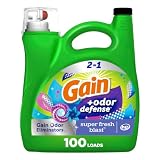
- LOOONG-LASTING: Gain Odor Defense Liquid Laundry Detergent Super Fresh Blast Scent capsules break for scent that continues to release during regular wear for lasting freshness for up to 6 weeks from wash until wear
- ODOR FIGHTING: Bye-bye, stink! Gain Odor Defense Liquid Laundry Detergent lifts away tough in-wear odors at the source, instead of just masking them. So you get the funk out of your clothes, leaving only the delightful scent of nature
- DESIGNED FOR COLDWATER: Gain Odor Defense Liquid Laundry Detergent delivers a powerful clean, even in cold water
- HE COMPATIBLE: Safe for use with regular washer and high-efficiency washers, even in cold water!
- PAIRS WELL WITH: Experience a scent explosion when you use with Gain Scent Booster, Gain Fabric Softener, and Gain Sheets
Use oxygen bleach or chlorine bleach only when the garment label and product label permit it. They are not interchangeable. Use the washer’s bleach dispenser when provided, follow the product dose, and never pour full-strength chlorine bleach directly onto fabric. Do not assume that color-safe means safe for every dye or fiber. Product-specific guidance is available from Clorox’s bleach instructions.
Do not use automatic-dishwasher detergent in a clothes washer. Dishwashing liquid can create excessive suds and is not designed for an automatic laundry machine.
Step 6: Load the washer loosely
Clothing needs room to move through water and detergent. Do not compress a load down to create space.
Free tools Windows power users keep installed
One-click scans. No signup required.
- Front-loader: Load loosely. A practical check is that a vertical hand generally fits between the top of the clothing and the drum, but your owner’s manual controls.
- Top-loader with an agitator: Do not pile clothing above the agitator. Distribute garments around it rather than wrapping sheets or pants around it.
- Top-loader without an agitator: Keep the load loose and below the manufacturer’s limit. A roughly two-thirds-full load is a practical upper guide for some machines, not a universal specification.
Overloading reduces cleaning and rinsing, increases tangling and vibration, and can leave clothes wetter. An unbalanced load can also stop a washer from reaching its intended spin speed. The American Cleaning Institute’s loading guidance and this GE load-size explanation illustrate why space and balance matter.
Step 7: Choose the cycle, temperature, spin speed, and options
Start with the care label, then choose the least aggressive cycle that should clean the load. Cycle names and exact settings differ by manufacturer, so the following table is a starting point rather than a promise that every machine uses the same controls.
| Load | Typical starting choice |
|---|---|
| Everyday cottons and mixed clothing | Normal, if the labels are compatible. |
| Wrinkle-prone synthetics and blends | Permanent Press or Casual. |
| Delicates, lingerie, or loosely knitted garments | Delicate or Gentle. |
| Sturdy, heavily soiled clothing | Heavy Duty, only when the labels permit the stronger treatment. |
| Sheets, blankets, or comforters | Bulky or Bedding, if the item and machine permit it. |
| Small, lightly soiled load | Quick or Express, if the label permits and the load really is small and lightly soiled. |
Choosing cold, warm, or hot water
- Cold: A sensible default for many colors, dark garments, and lightly soiled clothing. It can reduce fading and energy use.
- Warm: Useful for more soil when the garment label allows it.
- Hot: Reserve for items that permit it and situations where heavy soil or a specific hygiene requirement justifies the added heat.
Do not rely on the blanket rule that hot water is always best. The Department of Energy says warm or cold water generally cleans well unless oily stains are involved. ENERGY STAR reports that water heating accounts for about 90% of the energy used by a clothes washer, so a label-permitted cold or warm setting can reduce energy use. See the DOE laundry guidance and ENERGY STAR washer information.
Spin speed and extra options
Use a higher spin speed when the fabric and care label permit it. Removing more water during the final spin reduces subsequent dryer time. Choose a lower spin or gentler option for items that can stretch, snag, or become distorted. Extra rinse, prewash, steam, and sanitize options are machine-specific; use them only when the load and manual support them.
What’s actually slowing this PC down?
Pick the symptom - the matching free tool is one click away.
Step 8: Inspect wet clothes before drying
When the wash ends, open the washer promptly. Leaving wet clothes in a closed machine for a long period can contribute to musty odors and wrinkles. Untangle and shake out the garments, then inspect them before any heat is applied.
- Look for remaining stains.
- Check for dye transfer.
- Check for detergent residue or undissolved pod material.
- Look for tears, pulled threads, or damage.
- Separate items that must air-dry, hang-dry, or dry flat.
- Rewash stained items before they enter the dryer.
Never use the dryer as a test of whether a stain is gone. If a mark remains, treat and wash the item again. Heat may set it permanently.
Step 9: Dry clothes safely and according to the label
Use the care label’s drying instruction rather than automatically selecting high heat.
Rank #4

- 6X BOOSTED CLEAN: Tide liquid laundry detergent is engineered to be 4X cleaner and 2X fresher vs Tide Simply liquid detergent
- TOUGH ON COMMON STAINS: Works on 100% of common stains and has 10X the grease fighting ingredients vs leading bargain detergent
- CONCENTRATED FORMULA: Less water per drop vs leading bargain liquid detergents provides more cleaning power
- LONG-LASTING FRESHNESS: Enjoy the original washing detergent scent you love. Made to last all day, Tide liquid laundry detergent provides freshness that you can count on
- ORIGINAL SCENT FRESHNESS: Original scent helps keep laundry smelling fresh throughout the day
| Drying instruction | What to do |
|---|---|
| Tumble dry | The dryer is permitted; choose a heat level suitable for the garment. |
| Low heat | Use a lower temperature for many synthetics and shrink-prone garments. |
| Permanent press | Use the corresponding setting for suitable wrinkle-prone fabrics. |
| Air dry or no heat | Use an air-only setting or an external drying rack as the label permits. |
| Line dry or hang dry | Hang or support the item rather than substituting high-heat tumble drying. |
| Dry flat | Lay the garment flat and reshape it to help prevent stretching or distortion. |
Air drying can save energy and reduce heat-related wear, but garments may need reshaping or flat support. When your dryer has one, use a moisture-sensor or automatic-dry setting rather than a long timed cycle. ENERGY STAR explains that sensor-controlled drying stops when clothes are dry and helps avoid over-drying; see its dryer guidance.
Separate dense towels and heavy cottons from lightweight garments when possible. They dry at different rates, so a mixed load may leave small items overdried while thick items remain damp.
Dryer safety
- Clean the lint screen before or after every load.
- Do not operate the dryer without its lint filter.
- Periodically inspect and clean the vent and exhaust duct.
- Do not overload the dryer.
- Keep the area around the dryer clear.
- Never put clothing contaminated with gasoline, paint thinner, solvents, or other flammable substances into a dryer until it has been properly handled and washed according to appropriate safety guidance.
Lint buildup and blocked exhaust reduce airflow and create a fire hazard. The U.S. Consumer Product Safety Commission dryer-safety publication covers lint and exhaust precautions.
Step 10: Fold, store, and reset the machines
Remove clothes from the dryer promptly and fold or hang them while they are warm or fully dry. Reshape knits and lay-flat items before storing them. Never put damp clothing into a drawer or closet; trapped moisture encourages musty odors and can damage fabric.
After the load, clean the dryer lint screen. For a front-load washer, leave the door and detergent drawer ajar so moisture can evaporate if the manufacturer permits it and children cannot access the machine. Follow the washer manual for cleaning cycles, gasket care, pump-filter cleaning, and dispenser maintenance. Manufacturers differ in how often they recommend a dedicated cleaning cycle, so do not assume a universal monthly schedule. ENERGY STAR discusses leaving the door ajar, while this Samsung washer-maintenance guide illustrates why gasket, filter, and cleaning-cycle instructions are model-specific.
Quick decision tables
Which clothes can go together?
| Usually compatible | Usually separate |
|---|---|
| Everyday garments with similar labels, colors, soil levels, and fabric strength. | Dry-clean-only, do-not-wash, hand-wash, wool, silk, and fragile embellished items. |
| Large and small ordinary garments in a balanced load. | Bulky comforters or blankets that prevent free movement. |
| Lightly worn garments with similar care instructions. | Muddy, greasy, or heavily soiled workwear. |
| Similar colors from garments known to be colorfast. | New or strongly dyed garments with whites or pale synthetics. |
| Similar-fabric clothing when the labels allow the same cycle. | Heavy lint producers with lint collectors. |
Liquid, powder, or pod?
Choose a detergent compatible with your machine and follow its own directions. Liquid is easy to measure and can help pretreat some stains. Powder may be economical but can leave residue in very cold water or an overloaded drum. Pods are convenient but must be placed and stored safely. None should be used in an amount that exceeds the washer’s MAX line or the product’s instructions.
Independent reader supportYour contribution helps us test, update, and keep practical guides available for everyone.Special cases
Delicates, wool, silk, and dry-clean-only garments
If a label says hand wash, use a basin or the machine’s hand-wash cycle only if both the label and appliance instructions permit that approach. Avoid wringing delicate garments. Press out water gently and dry as directed.
If the label says dry clean only, use a professional cleaner rather than improvising with a normal washer. A missing label creates uncertainty; any recommendation based on fiber type is a risk-managed fallback, not a guarantee. The FTC’s care-label regulation provides the regulatory background.
Towels and microfiber
Wash towels with items that can tolerate their heavier weight and lint. Keep them away from delicate garments and lint-collecting dark clothing when possible. Fabric softener and some dryer sheets can reduce towel absorbency; they can also interfere with microfiber and some technical fabrics. Check the product and garment instructions.
The Tool Desk
Outbyte Driver Updater FREEScan for outdated or missing drivers - takes under a minuteDriver Scan →Outbyte PC Repair FREEClear out junk files and repair common Windows errorsFree Scan →Bedding and comforters
Wash sheets and pillowcases with compatible items, but give comforters and bulky blankets enough room to move. Use a Bulky or Bedding cycle if the item and machine permit it. A laundromat’s larger washer may be safer for an item that fills a household drum.
Best Value
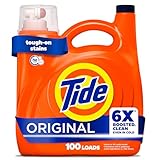
- 6X BOOSTED CLEAN: Tide liquid laundry detergent is specially engineered to be 4X cleaner and 2X fresher, formulated with 4 additional cleaning active ingredients and 2 additional freshness active ingredients versus Tide Simply liquid detergent
- TOUGH ON STAINS: Tide’s laundry soap works on 100% of common stains plus has 10X the grease fighting ingredients versus leading bargain detergent. Don't settle for "almost clean", get Boosted clean with Tide laundry detergent, every load, every time
- CONCENTRATED FORMULA: Tide concentrated liquid laundry soap has less water per drop versus leading bargain liquid detergents which means you get more cleaning power in every dose of Tide washing detergent
- LONG-LASTING FRESHNESS: Enjoy the original washing detergent scent you love. Made to last all day, Tide liquid laundry detergent provides freshness that you can count on
- EASY TO USE: Pour desired amount of liquid detergent into the laundry dispenser or drum. Tide laundry detergent works on all machine washable fabrics and in all cycles and water temperatures, including cold and quick cycles
If you do not have a dryer
Use the label’s line-dry, hang-dry, or dry-flat instruction. Shake out garments, reshape knits, and provide enough air circulation. Do not hang a heavy knit in a way that stretches the shoulders; lay it flat if the label says to do so.
Using a laundromat
Bring detergent, a way to transport clothes, and enough time to move wet clothes promptly. Inspect the machine’s drum and dispenser before loading. Choose a machine large enough for the load, follow the posted instructions, and use the same sorting, dosage, loading, inspection, and drying principles. Do not leave a stain in a hot dryer just because the laundromat cycle has started; inspect the wash before transferring it.
Laundry when someone is sick
For an ordinary household illness, CDC guidance says to use detergent and the recommended water temperature, dry items completely, and wash your hands after handling laundry. It is generally safe to wash a sick person’s dirty laundry with other household items; automatic separation is not always necessary. Do not claim that every normal wash disinfects clothing, because cleaning and disinfection are different claims.
For a specific pathogen or visibly contaminated items, follow disease-specific guidance. For example, CDC guidance for C. diff recommends the hottest water safe for the item and chlorine bleach when the fabric permits it. See the CDC household cleaning guidance and its C. diff prevention guidance.
Common laundry problems and how to recover
| Problem | Likely causes | Recovery |
|---|---|---|
| Clothes are still dirty | Overloaded washer, unsuitable cycle, incorrect detergent dose, or incompatible soil levels. | Pretreat stains and rewash a smaller load using the correct dose and a label-permitted cycle. |
| Excess suds or residue | Too much detergent, non-HE detergent in an HE machine, or an overfilled dispenser. | Run an extra rinse, reduce the detergent dose, and use HE detergent where required. |
| Clothes come out very wet | Overload, imbalance, excess suds, or a drainage or spin problem. | Redistribute the load and run Drain/Spin if available. If it happens repeatedly, consult the owner’s manual or service support. |
| Clothes or washer smell musty | Wet clothes left in the washer, a closed door, detergent buildup, or a dirty gasket or filter. | Remove clothes promptly, dry the washer interior, and run the manufacturer-approved cleaning procedure. |
| A stain remains | Wrong treatment, insufficient pretreatment, or the stain was dried with heat. | Treat and rewash. Avoid more heat until the stain is gone. |
| A pod is partly dissolved | Pod placed in the drawer, overloaded drum, or inadequate exposure to water. | Place the pod in the empty drum first and reduce the load. |
| Fabric-softener spots appear | Softener poured directly onto clothing or the dispenser was overfilled. | Rewash the item and use the correct dispenser and dose if you continue using softener. |
| Clothes tear or snag | Unfastened hardware, sharp objects in pockets, a damaged gasket or drum, or excessive spin. | Check pockets and closures, inspect the washer, and use a gentler cycle. Stop using the appliance if you find a sharp damaged part. |
Error codes and button sequences are model-dependent. Use the owner’s manual rather than trying a universal reset procedure. Manufacturer troubleshooting examples for residue, snags, softener spots, and washer problems are available in Samsung’s washer troubleshooting guidance.
What about vinegar and other laundry hacks?
Do not make vinegar a standard washer additive or assume that it is a universal washer cleaner. Whirlpool and Maytag warn that repeated vinegar exposure may damage some rubber seals and hoses, while some appliance-support instructions describe vinegar in limited odor-removal procedures. Because the advice varies by appliance, use the washer’s approved cleaning cycle or cleaner and follow its manual. Do not combine vinegar with bleach. If vinegar is used as a garment pretreatment, test the fabric first and rinse thoroughly. See Whirlpool’s vinegar caution and Maytag’s vinegar guidance.
One-minute check before you press Start
- Are the care labels compatible?
- Are pockets empty and zippers or hooks secured?
- Have stains been pretreated?
- Is the load sorted by color, fabric, soil, and lint?
- Is the washer loosely loaded rather than compressed?
- Did you measure the detergent for this load?
- Is the detergent HE if the washer requires HE detergent?
- Is the cycle and temperature permitted by the labels?
- Will any item need to air-dry, hang-dry, or dry flat?
- Afterward, will you inspect wet clothing before using heat and clean the dryer lint screen?
Frequently Asked Questions
How much detergent should I use for one load?
Use the detergent label’s dose for the load size, soil level, concentration, washer type, and any specified water-hardness adjustment. Do not use a universal full-cap rule, and never exceed the washer dispenser’s MAX line. HE washers require detergent labeled HE.
Do these 3 things before closing this tab:
1Repair Windows errors before they cause bigger problems2Fix the driver behind crashes, sound loss and screen glitches3Clear out junk files and repair common Windows errorsCan I wash all of my clothes together?
Not safely in every case. Combine garments only when their colors, fabrics, soil levels, wash temperatures, cycles, and drying methods are compatible. Separate dry-clean-only, hand-wash, wool, silk, delicate, heavily soiled, strongly dyed, bulky, and heavy-lint items when necessary.
Should I use hot water for every load?
No. Cold is a practical starting choice for many colors and lightly soiled garments, while warm or hot may be appropriate for heavier soil or oily stains when the care label permits it. Hot is not automatically better and can increase energy use, fading, shrinkage, and wear.
What should I do if a stain is still visible after washing?
Do not dry the garment. Pretreat the stain again, test the product on an inconspicuous area, and rewash according to the care label. Dryer heat can set some stains permanently.
Can I wash laundry from someone who is sick with other clothes?
For ordinary household illness, CDC guidance says it is generally safe to wash the laundry with other household items when using detergent, the recommended water temperature, and complete drying. Wash your hands after handling it. Follow disease-specific instructions for particular pathogens or visibly contaminated items.
PC Slower Than It Used to Be?
A free scan shows the junk files, broken settings and background clutter dragging Windows down - then fixes them in one click.Free scan · Windows 10 & 11Crashes, No Sound, or Screen Glitches?
Random freezes, missing sound and display glitches usually trace back to one bad driver. Find and replace yours safely.Free scan · under a minuteWhy are my clothes coming out wet or covered in suds?
Common causes include overloading, an unbalanced load, too much detergent, or using non-HE detergent in an HE machine. Redistribute the load, run Drain/Spin if available, use the correct detergent dose, and consult the owner’s manual if the problem keeps recurring.
The Bottom Line
Reliable laundry is less about memorizing complicated rules than matching the load to the garment labels and the machine: sort compatible items, pretreat stains, measure detergent, leave room to move, choose a label-permitted cycle, inspect clothes while wet, and dry them with the right amount of heat. When a garment or machine falls outside the ordinary case, follow its label or owner’s manual instead of guessing.
Quick Recap
Product prices and availability are accurate as of the date/time indicated and are subject to change. Any price and availability information displayed on Amazon at the time of purchase will apply.




