Quick wins for a faster PC:
Repair Windows errors before they cause bigger problemsFix Now →Fix the driver behind crashes, sound loss and screen glitchesFind Drivers →Clear out junk files and repair common Windows errorsFree Scan →Compare cement suppliers only after fixing the cement type, governing standard, jurisdiction, quantity and delivery schedule. Then shortlist suppliers that can prove product conformity, identify the manufacturing source, commit dependable capacity and logistics, and quote a fully delivered cost on the same commercial basis. Quality records, lot-testing rights and traceability should carry as much decision weight as price.
The standards and certification examples below are predominantly US-based. A project in another country may require different cement designations, approvals, laboratories or environmental rules; confirm the requirements in the contract documents and with the project engineer.
| # | Preview | Product | Price | |
|---|---|---|---|---|
| 1 |
|
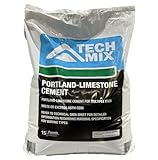
Tech Mix Portland-Limestone Cement, 15 Pounds | Small Pouch of Portland-Limestone Cement, Gray in... | $31.99 | Buy on Amazon |
| 2 |

|
PORTLAND CEMENT 47LB | $51.36 | Buy on Amazon |
| 3 |

|
Tech Mix Portland-Limestone Cement, 30 Pounds | $57.99 | Buy on Amazon |
As an Amazon Associate I earn from qualifying purchases.
1. Define the cement requirement before comparing suppliers
A supplier cannot be compared fairly if each bidder is pricing a different material. Start with the project specification, structural design, durability requirements and local code. Record the exact cementitious product, applicable standard, performance criteria, required quantity, delivery form and dates in the request for quotation (RFQ).
The Tool Desk
Outbyte PC Repair FREEClear out junk files and repair common Windows errorsFree Scan →Outbyte Driver Updater FREEFix the driver behind crashes, sound loss and screen glitchesFind Drivers →Choose the product and governing standard
ASTM C150/C150M covers Portland cement types and their chemical and physical requirements, including tests for compressive strength, fineness, setting time, heat of hydration and sulfate resistance. The search record identifies C150/C150M-24 as the active edition while the supplied abstract describes C150/C150M-20, so the contract should state the operative edition rather than relying on a supplier’s generic reference.
#1 Best Overall
- MULTIPURPOSE: Basic building material for crafts, pavement, sidewalks, reinforced concrete buildings, masonry units, and more
- MIX AND USE: Use to create concrete, mortar, and stucco mixes
- GREAT FOR DIY PROJECTS: Ideal for small crafts with forms and silicone molds
- HIGH STRENGTH: Solid once dry, dry in 48 hours
- LESS IS MORE: One bag yields approximately .16 cu. ft.
Blended hydraulic cement is covered through different specifications, commonly ASTM C595 and the corresponding AASHTO M 240 designation. Performance-based specifications may impose project-specific limits instead of naming only a traditional cement type. Do not treat Portland, blended and performance-based offers as interchangeable without written approval from the engineer.
State quantity, form and timing
- Give the estimated total tonnage and the planned weekly or monthly drawdown.
- Specify bulk or packaged delivery, silo or storage capacity, unloading equipment and allowable delivery windows.
- Identify the first-pour date, required buffer stock, seasonal constraints and any milestone for which a late shipment would affect the critical path.
- List required local approvals, public-agency prequalification, test methods and sustainability disclosures.
These details let suppliers quote the same service. A price for occasional truckloads from a nearby terminal is not comparable with a firm allocation for continuous bulk deliveries from a distant mill.
2. Establish eligibility and identify the real source
Use mandatory pass/fail requirements before applying any preference score. A bidder that cannot supply the specified cement or the required approvals should not remain in the price ranking.
PC Slower Than It Used to Be?
A free scan shows the junk files, broken settings and background clutter dragging Windows down - then fixes them in one click.Free scan · Windows 10 & 11Outdated Drivers Are Slowing You Down
One free scan finds every outdated or missing driver and matches the right update for your exact hardware.Free scan · exact hardware matchDistinguish a mill from a terminal
A mill manufactures, tests and stores cement. A terminal normally stores or redistributes cement made elsewhere. Ask every bidder to name the originating mill, every terminal or distributor that will handle the material, and the route to the site. A terminal offer can be reliable, but the mill’s certificates, production capacity and change-control procedures still matter.
Check qualification and approvals
- Confirm that the product and named facility are accepted by the project jurisdiction or owner.
- Ask whether the mill is on an agency-approved or prequalified list and what continuing submissions are required.
- Review any owner, engineer or public-agency restrictions on changing the mill, terminal or cement type after award.
USACE materials certification illustrates the level of assurance some owners seek: facility, equipment, quality systems, laboratories and material samples may be inspected and compared with producer results. Caltrans prequalification criteria illustrate a different, jurisdiction-specific approach in which a material may need authorization and a period of prior mill certification before use. Neither process is universal; treat them as examples of requirements that must be checked locally.
3. Request product- and facility-specific evidence
Supplier marketing statements are not a substitute for records tied to the product and production source you will receive. Include the following document list in the RFQ and define how current each item must be.
- Current mill certificates for the offered cement type, identifying the producing mill, product designation, lot or shipment references and test results.
- Recent chemical and physical test reports using the methods required by the project specification.
- The mill’s quality-control plan, laboratory qualifications, calibration practices, sampling frequency and record-retention policy.
- A certificate-traceability procedure linking each delivery ticket and lot to the producing facility, storage location and test record.
- Evidence of corrective action for out-of-specification results, including notification, quarantine, investigation and release procedures.
- Production or terminal capacity, planned allocation for this project, inventory policy and contingency arrangements.
- Transport plan showing mode, dispatch process, normal lead time, shipment size, delivery windows and emergency contacts.
- Insurance, licensing and any applicable local approvals required by the owner or authority having jurisdiction.
- When environmental criteria apply, a product-specific environmental product declaration (EPD) and its validity, declared unit, geography, product-category rules and reporting standard.
Ask for the name of the laboratory that generated each report and whether testing was performed by the producer, an accredited independent laboratory or both. A high-quality certificate from an unidentified or unrelated facility does not establish conformity for your shipment.
Do these 3 things before closing this tab:
1Fix the driver behind crashes, sound loss and screen glitches2Repair Windows errors before they cause bigger problems3Scan for outdated or missing drivers - takes under a minute4. Verify cement quality before and during delivery
Use producer quality control and purchaser verification together
The producer’s manufacturing quality-control program should control the process continuously. Purchaser sampling provides an independent check on material offered for sale; it does not replace the producer’s controls.
Rank #2
ASTM C183/C183M-25 describes procurement sampling after hydraulic cement has been manufactured and is ready to be offered for sale. Its results can support conformity decisions and acceptance or rejection of the sampled lot. Put the procedure in the contract, including who samples, where sampling occurs, the frequency, sample size, laboratory, test methods, cost allocation, reporting time and treatment of disputed results.
Define an acceptance workflow
- Identify the lot. Tie the sample to the mill, product type, silo or compartment, shipment numbers and delivery date.
- Take representative samples. Follow the project-adopted standard and use sealed, labeled containers with a documented chain of custody.
- Test against the contract. Use the specified chemical and physical tests and a laboratory accepted by the owner or engineer.
- Release or hold the shipment. Do not place a failed or disputed lot into production until the contract’s disposition process is complete.
- Resolve disputes. Specify referee-laboratory selection, split-sample procedures, retesting limits and responsibility for testing and delay costs.
Include moisture protection and contamination controls. The contract should state who bears responsibility for cement damaged by water, improper storage, cross-contamination or an unapproved transfer between facilities.
Maintain traceability through the project
Require delivery tickets to show product designation, source mill, terminal if used, lot or batch reference, quantity, vehicle and dispatch time. Keep the ticket with the receiving inspection and test record. Traceability allows the team to isolate a suspect lot without unnecessarily stopping unrelated work.
5. Test capacity and supply-chain resilience
Capacity is the quantity a supplier can commit to your project at the required times, not the facility’s nameplate production alone. Ask for a written week-by-week or month-by-month commitment and the assumptions behind it.
Questions for the mill or terminal
- What production line, silo or terminal compartment is reserved for the project?
- What inventory is normally held locally, and how many delivery days does it represent?
- How are planned maintenance, outages, labor disruptions, storms and transport interruptions communicated?
- Is a qualified backup mill or terminal available, and would changing it require engineer or agency approval?
- Can the supplier handle a demand increase, acceleration or recovery schedule, and at what notice?
- What truck, rail, barge or other transport capacity is contracted, and who controls dispatch during a shortage?
Verify the route, not just the distance. Bridge restrictions, port congestion, seasonal weather, delivery-hour limits and site queuing can make a nearby source less reliable than a farther source with more transport options.
Check site compatibility
Confirm silo volume, truck access, unloading rate, dust controls, weighing equipment and safe working clearances. Match shipment size to the site’s ability to receive and protect cement. A delivery schedule that exceeds storage or unloading capacity creates avoidable demurrage and production interruptions.
6. Compare delivered cost on a like-for-like basis
Request one delivered-price schedule for the same cement type, quantity profile, destination and delivery windows. Separate recurring and conditional charges so a low headline number cannot hide a costly assumption.
What’s actually slowing this PC down?
Pick the symptom - the matching free tool is one click away.
| Cost element | What to normalize | Why it affects the decision |
|---|---|---|
| Material price | Price per agreed mass unit for the specified cement and source | Different cement types, packaging or source mills are not equivalent products. |
| Freight and handling | Transport mode, distance, fuel basis, terminal transfer, unloading and demurrage | Delivered cost can change materially when a quote excludes a transfer or waiting charge. |
| Taxes and fees | Applicable taxes, environmental fees, permits and surcharges | Each bidder must price the same statutory and project charges. |
| Schedule terms | Lead time, delivery windows, minimum shipment, minimum monthly quantity and missed-slot charges | A nominally cheaper offer may require quantities or timing the site cannot accept. |
| Price adjustment | Index, base date, adjustment frequency, caps, notice and termination rights | Escalation risk belongs in the comparison, even when the initial price is fixed. |
| Quality and rejection | Sampling, laboratory, retesting, disposal, replacement and delay-cost responsibility | Testing and nonconformance costs can become significant on a large project. |
Show the evaluated total for the planned demand profile and a sensitivity case for acceleration or delay. Do not invent a market benchmark when the project has no validated local price data. Compare the assumptions and risk allocation instead.
Rank #3
- MULTIPURPOSE: Basic building material for crafts, pavement, sidewalks, reinforced concrete buildings, masonry units, and more
- MIX AND USE: Use to create concrete, mortar, and stucco mixes
- GREAT FOR DIY PROJECTS: Ideal for small crafts with forms and silicone molds
- HIGH STRENGTH: Solid once dry, dry in 48 hours
- LESS IS MORE: One bag yields approximately .5 cu. ft.
7. Evaluate environmental documentation correctly
If the project has embodied-impact targets or green-building documentation, require evidence for the exact product being offered. The American Cement Association describes cement EPD frameworks aligned in North America with ISO 21930 and an international module aligned with EN 15804.
Check four items before comparing EPD values:
- The declared unit is the same for every offer.
- The product category rules and reporting standard are compatible.
- The geography and supply route match the project as closely as the program requires.
- The declaration is current and covers the offered cement type and source.
A company-level sustainability claim cannot establish a lower impact for a particular cement shipment. The available evidence does not establish one universal emissions threshold for all projects, so the owner and engineer must set the applicable target and verification method.
Independent reader supportYour contribution helps us test, update, and keep practical guides available for everyone.8. Build a supplier comparison matrix
Separate mandatory gates from weighted preferences. Record the evidence behind every score so the procurement decision can be audited.
| Comparison axis | Pass/fail gate | Evidence to score after passing | Decision question |
|---|---|---|---|
| Specification and approvals | Offered product meets the project cement type, governing edition and local approval requirements. | Certificates, approvals and engineer confirmation. | Can this exact material be accepted for the intended work? |
| Quality assurance | Supplier provides product-specific records and accepts the contract testing and traceability procedure. | Mill results, QC plan, laboratory capability, corrective-action history and independent verification. | How convincingly can conformity be demonstrated and maintained? |
| Source and qualification | Named producing mill and all handling facilities are disclosed and acceptable. | Facility inspection, certification status, change-control process and source history. | Do we know where the cement comes from and how a source change is controlled? |
| Capacity and resilience | Supplier can commit the required quantity by the required dates. | Allocation, inventory, transport resources, backup source and outage plan. | Can the supplier protect the critical path under normal and disrupted conditions? |
| Logistics | Delivery mode and site requirements are feasible. | Route, shipment size, lead time, scheduling, communication and contingency plan. | Can the site receive the cement safely and predictably? |
| Commercial terms | Quote is complete enough to calculate delivered cost. | Freight, fees, escalation, payment, remedies and rejection costs. | What is the risk-adjusted cost, not merely the quoted unit price? |
| Environmental evidence | Required product-specific disclosure is supplied and valid. | EPD unit, category rules, geography, validity and reporting standard. | Can the project document the environmental claim using comparable evidence? |
There is no universal set of weighting percentages. The owner and engineer should assign weights after identifying the project’s dominant risks. A mandatory specification failure should exclude an offer rather than be offset by a low price or a favorable service score.
9. Run a disciplined RFQ and award process
- Issue a complete technical package. Include cement type, standard edition, quantity profile, delivery point, testing requirements, storage limits and environmental criteria.
- Hold a clarification period. Require bidders to list assumptions, exclusions, proposed substitutions and any source or terminal changes.
- Screen eligibility. Remove offers that fail product, approval, source or documentation gates.
- Audit the evidence. Check certificates against the named facility, review test dates and inspect the quality system or request an independent audit where risk warrants it.
- Validate logistics. Confirm route capacity, truck or rail availability, storage compatibility, dispatch contacts and contingency arrangements.
- Normalize the commercial bids. Recalculate delivered cost using one quantity and schedule model, including escalation and conditional charges.
- Score and negotiate. Negotiate only after technical comparability is established; seek better remedies, allocation and evidence rather than trading away mandatory requirements.
- Document the award. Keep the matrix, clarifications, approved source, certificates and negotiated assumptions as part of the procurement record.
10. Put the protections in the supply contract
The contract should make the comparison criteria enforceable. Include:
- The exact cement designation, governing standard and edition, approved source mill and permitted terminals.
- Required certificates, test reports, delivery-ticket data, retention period and notice of any process, source or formulation change.
- Sampling locations, frequency, chain of custody, laboratory qualifications, referee testing and lot acceptance or rejection rules.
- Weekly or monthly quantity commitments, delivery windows, notice periods, allocation during shortages and escalation procedures.
- Storage, moisture protection, contamination prevention, unloading responsibilities and inspection rights.
- Price basis, freight and fee assumptions, escalation formula, payment terms and any minimum quantities.
- Remedies for late, damaged or nonconforming cement, including replacement, disposal, retesting, delay costs and the right to suspend deliveries.
- Environmental documentation requirements, including EPD validity and notification if the declared product or source changes.
11. Red flags that deserve a stop or clarification
- A bidder quotes a cement type different from the specification without clearly identifying it as an alternative.
- The certificate names a corporate group but not the producing mill or lot.
- Recent test results are supplied without a quality-control plan, laboratory identity or traceability method.
- The offer depends on an undisclosed terminal, subcontracted carrier or uncommitted backup source.
- Capacity is stated as annual production but no project allocation, inventory or delivery schedule is offered.
- The lowest price excludes freight, terminal handling, unloading, taxes, escalation or rejected-lot costs.
- An environmental claim is company-wide, lacks a declared unit or has expired for the offered product.
- The supplier resists purchaser sampling, independent testing or disclosure of out-of-specification events.
Resolve a documentation gap in writing before award. If a supplier cannot provide evidence for a mandatory requirement, treat that as a qualification failure rather than an invitation to guess.
12. A practical final decision rule
Select the supplier that passes every mandatory technical and approval requirement and offers the strongest combination of verified quality, dependable delivered capacity, workable logistics, transparent commercial risk and required environmental evidence. Price should decide among genuinely comparable, compliant offers; it should not make a nonconforming product appear competitive.
Recommended Free Tools
Quick Recap
Product prices and availability are accurate as of the date/time indicated and are subject to change. Any price and availability information displayed on Amazon at the time of purchase will apply.

