For a thin layer of dry leaves on a lawn, run a mulching mower over it until the pieces settle between the grass blades and little debris remains visible. Rake, blow, or collect thicker layers instead of leaving a dense cover on the turf. Reuse healthy leaves as a modest bed mulch or compost them; keep leaves that may carry disease out of material you plan to reuse.
Choose a method by leaf depth and condition
The key test is whether chopped leaves can filter down through the grass. A light, dry layer is usually a good candidate for mulching. A thick layer that remains on top after mowing needs to be collected. Iowa State University Extension explains that dense leaf cover blocks light and can leave patchy dead areas more prone to weeds (Iowa State Extension).
| # | Preview | Product | Price | |
|---|---|---|---|---|
| 1 |

|
WORX Trivac 3-in-1 Electric Leaf Blower/Leaf Vacuum/Leaf Mulcher, WG509 | $79.99 | Buy on Amazon |
As an Amazon Associate I earn from qualifying purchases.
| Yard condition | Practical method | What to check |
|---|---|---|
| Thin, dry leaves on turf | Mulch with a mower | Pieces settle among grass blades and little debris remains visible. |
| Thick leaf cover on turf | Rake, blow, or use a mower collection bag | Do not leave a dense layer sitting on the lawn. |
| Healthy leaves for garden beds | Move a modest amount to beds; shred first if useful | Avoid a dense mat over plants or perennial crowns. |
| Leaves with signs of disease | Keep them separate from reusable leaf mulch and compost | Do not spread potentially infected debris around the yard. |
Mulch a manageable lawn layer
- Check the coverage. If leaves are thin and dry, try mulching. Wet or thick leaves are less likely to break up and settle cleanly.
- Mow over the leaves. If the first pass leaves pieces too large or visible, make additional passes. Colorado State University Extension also describes mower settings and repeated passes as part of mulching leaves (Colorado State Extension).
- Inspect the finished surface. The pieces should filter down among the grass blades, with very little leaf debris left visible on top. If a heavy layer will not settle into the turf, collect it rather than continuing to leave a thick cover.
A mower’s collection bag is another way to remove leaves from the lawn. Use it when the leaf volume is too great to mulch in place, then choose a safe destination for the collected material.
Collect thick leaves without leaving piles on the grass
Raking, blowing, and mowing with a collection bag are all options for removing a substantial layer. The right choice depends on the size of the area, how much material needs to be moved, and where it will go. The extension guidance identifies these methods but does not establish that one tool or mower model is best in every yard.
#1 Best Overall
- 3-IN-1 TRIVAC YARD CLEANUP: Blow, vacuum, and mulch leaves with this 12 Amp tool for lawn care, patios, driveways, decks, and walkways.
- STRONG BLOWING: Delivers up to 350 CFM and 210 MPH to loosen and move leaves, grass clippings, and yard debris from hard surfaces and lawn edges.
- 18:1 MULCH RATIO: Shreds leaves at an 18:1 mulch ratio to reduce bag volume and make disposal or composting easier.
- CORDED CONTINUOUS POWER: Work through longer cleanup sessions without waiting for batteries to recharge, ideal for routine seasonal leaf collection.
- VARIABLE-SPEED CONTROL: Choose lower airflow for controlled cleanup or higher airflow for larger leaf piles and open areas.
- Rake where you want direct control over what is collected, including around garden edges.
- Blow leaves into a collection area when moving them across open space is more practical.
- Bag with a mower when you want to collect leaves as you mow rather than leave chopped material on the lawn.
Whichever collection method you use, avoid leaving a dense pile on the turf after the main cleanup. Move collected leaves to a suitable bed, compost pile, or local yard-debris collection program if one is available in your area.
Independent reader supportYour contribution helps us test, update, and keep practical guides available for everyone.Reuse suitable leaves in beds or compost
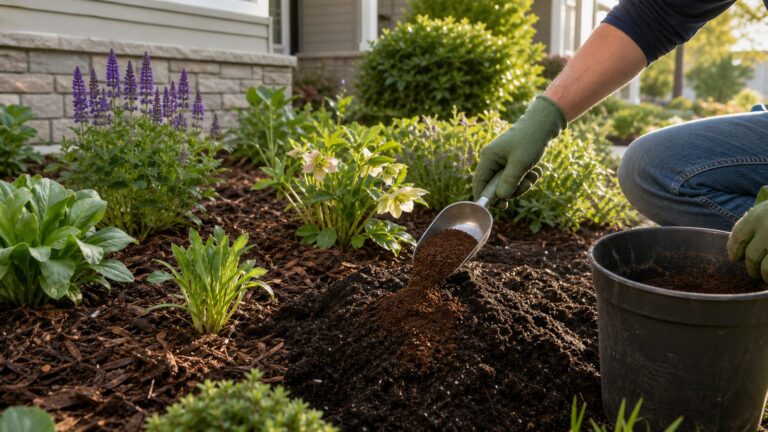
Healthy leaves can be useful yard material instead of waste. Apply a modest layer beneath trees and shrubs or in garden beds, taking care not to cover plants or perennial crowns so deeply that the leaves smother them. Iowa State Extension cautions against layering leaves too deeply over perennial crowns (Iowa State Extension).
Shred leaves if matting is a concern
Shredding is optional, and a separate shredder is not essential if a mower can do the job. Oregon State Extension says shredded leaves decompose faster, are less likely to mat or blow away, and make it easier for plants to emerge in spring (Oregon State Extension). If whole leaves form a dense mat or obstruct spring growth, move them aside.
What’s actually slowing this PC down?
Pick the symptom - the matching free tool is one click away.
Keep potentially diseased leaves out of reusable material
Some leaves may harbor plant pathogens. Iowa State Extension gives apple scab spores as an example and recommends raking and discarding affected leaves rather than spreading them through beds or compost intended for reuse (Iowa State Extension). Follow local guidance for disposal; yard-waste rules and collection options vary by municipality.
Quick Recap
Use equipment you already have where it fits
- Mulching mower: A direct option for a manageable layer on turf if the pieces become small enough to settle between grass blades. You do not need to buy a mower if a suitable one is already available.
- Leaf rake: A straightforward collection tool, especially when you need to gather thick cover or work around bed edges.
- Mower collection bag: Useful for removing leaves during mowing rather than leaving them on the lawn.
- Leaf shredder: An optional way to prepare leaves for beds; a mower may also shred them.
- Yard-debris service: Compost facilities or municipal collection may be available locally, but check your municipality for current rules and availability.
Product prices and availability are accurate as of the date/time indicated and are subject to change. Any price and availability information displayed on Amazon at the time of purchase will apply.