Crashes, No Sound, or Screen Glitches?
Random freezes, missing sound and display glitches usually trace back to one bad driver. Find and replace yours safely.Free scan · under a minutePC Slower Than It Used to Be?
A free scan shows the junk files, broken settings and background clutter dragging Windows down - then fixes them in one click.Free scan · Windows 10 & 11Some links on this page are affiliate links: if you buy through them we may earn a commission, at no extra cost to you.
A washing machine that smells musty, leaves residue on clothes, drains slowly, or shows dark buildup around the gasket is usually telling you the same thing: moisture, detergent film, lint, soil, and sometimes mineral scale are sitting where they should not. The right fix is not dumping in more soap or running random chemicals. The right fix is a complete cleaning routine that covers the tub, gasket, dispenser, filter, drain path, and the laundry-room conditions around the appliance.
For most homes, plan on cleaning the washer about once a month. Clean it more often if you wash pet bedding, construction work clothes, athletic gear, cloth diapers, heavily soiled towels, or large family loads every day. Front-load washers also need more regular attention because the rubber door boot holds moisture in folds and drain channels.
As an Amazon Associate I earn from qualifying purchases.
Recommended Free Tools
On our job sites, we pay attention to laundry rooms because washers combine water supply, drainage, vibration, electrical power, humidity, and finished flooring in one tight space. A five-dollar washer cleaning tablet can solve a normal odor issue. But if the smell comes back within days, or if you see swollen baseboards, stains in the drain pan, soft flooring, or sewer odor, you may be dealing with a plumbing or moisture problem instead of a dirty appliance.
Start With the Manual and Choose One Cleaner
Before you clean anything, check the owner’s manual for your exact washer model. Brands use different names for the maintenance cycle: self-clean, tub clean, basket clean, clean washer, or a similar setting. The manual also tells you whether bleach is allowed, how much to use, whether the pump filter is homeowner-accessible, and how to handle the gasket or dispenser drawer.
If you do not have the paper manual, search the model number printed inside the lid, around the door opening, or on the rear panel. A 10-minute manual check can prevent two common mistakes: using too much bleach and opening a pump filter without knowing how to catch the water behind it.
Popular on Amazon

- NO. 1 WASHING MACHINE CLEANER TABLET*
- TIME-RELEASE DEEP CLEAN. Affresh tablets are scientifically designed to deliver extended cleaning action throughout the wash cycle, helping power away bacteria, grime and soap scum deep inside the washing machine’s pump, drum and filter to help optimize performance.
- STINKY PET ODOR? Affresh washing machine cleaner helps remove residues that can trap odors from pets, sweat and mildew that can transfer onto clothes and sheets.
- ONE TABLET, ONCE A MONTH. Avoid the twice-monthly cleaning cycles of other appliance cleaners and cut your machine cleaning maintenance time in half.
- TRUSTED BY APPLIANCE EXPERTS. Backed by over 100 years of appliance innovation, affresh is the washing machine cleaner brand recommended by Whirlpool, Maytag, and Amana.**
Use one cleaning chemistry at a time. Washer-cleaning tablets, bleach, vinegar, hydrogen peroxide, citric-acid descalers, and specialty mold removers can each have a place, but they should not be combined. Never mix bleach with vinegar, ammonia, hydrogen peroxide, or other cleaners. Hazardous fumes are not worth a cleaner-looking gasket.
Quick wins for a faster PC:
Scan for outdated or missing drivers - takes under a minuteDriver Scan →Repair Windows errors before they cause bigger problemsFix Now →What Cleaner Should You Use?
For routine monthly maintenance, a washer-cleaning tablet or powder packet is the simplest option. Most of these products go directly in the empty drum, not in the detergent dispenser, unless the product label says otherwise. Expect to spend about $1 to $4 per cleaning cycle, with bulk packs bringing the per-use cost down.
Bleach can help sanitize and deodorize when the washer manual allows it, but it is not a cure for every problem. Vinegar can help with light odor and residue in some situations, but it should not be mixed with bleach and may not be the best choice for every rubber seal or machine design. For hard-water homes, a washer-safe descaling product may do more good than repeated deodorizing cycles because mineral scale can trap detergent film and soil.
How to Clean a Front-Load Washing Machine
Front-load washers are efficient, but they are less forgiving when moisture sits in the gasket, dispenser cavity, or pump filter. A proper cleaning usually takes 45 to 90 minutes of hands-on and cycle time, depending on the machine. If the washer has not been cleaned in a year or more, plan on a second maintenance cycle.
1. Empty the Washer and Run the Clean-Washer Cycle
Remove all laundry from the drum. Add the cleaning tablet or powder to the empty drum if the label directs drum placement. If using bleach, follow the washer manual for the correct amount and dispenser location. Do not guess. Some machines call for a specific fill line; others limit the volume.
The Tool Desk
Outbyte PC Repair FREERepair Windows errors before they cause bigger problemsFix Now →Outbyte Driver Updater FREEScan for outdated or missing drivers - takes under a minuteDriver Scan →Select the self-clean, tub-clean, basket-clean, or clean-washer cycle. If your washer does not have one, run the hottest normal or heavy cycle allowed by the manual. Use an empty drum. Do not add detergent, fabric softener, towels, or clothes during this maintenance cycle.
2. Wipe the Rubber Gasket and Drain Holes
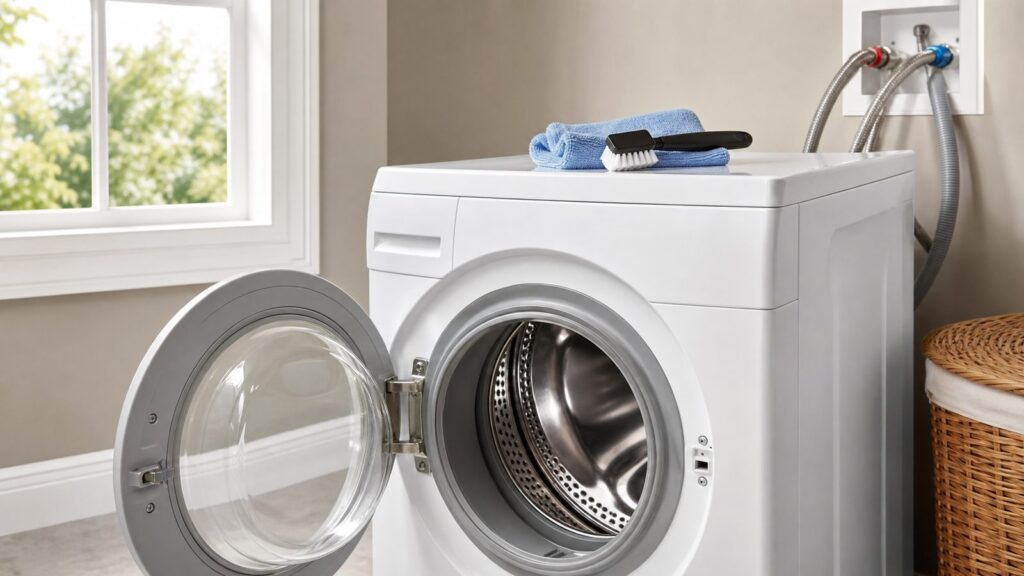
After the cycle, put on gloves and pull back the rubber gasket folds around the door opening. Wipe the entire boot with a microfiber cloth. Pay close attention to the lower section where water, lint, hair, coins, grit, and detergent residue collect.
Use a small nylon brush or old toothbrush for stubborn buildup. Do not force sharp tools into the gasket drain holes. Those small channels are there to return water to the tub, and damaging them can create leaks. If the rubber is cracked, torn, swollen, sticky, or permanently embedded with mold, cleaning may not be enough. A damaged door boot usually needs replacement.
3. Clean the Door Glass and Door Edge
Wipe the inside of the glass, especially the lower arc where it contacts the gasket. Residue on the glass can keep transferring back onto the rubber seal. Clean the plastic or painted door edge as well, then dry it with a clean cloth.
4. Remove and Wash the Dispenser Drawer
Pull out the detergent dispenser drawer according to the manual. Most have a release tab. Wash the drawer, inserts, siphon caps, and softener compartments in warm water. A small brush helps remove waxy softener film and detergent crust.
Then clean the dispenser cavity inside the machine. This is one of the most overlooked odor sources. Shine a flashlight into the opening. If you see black film, pink residue, or caked detergent, wipe and brush the area until water can move freely through the channels.
5. Check the Pump Filter if Your Model Allows It
Many front-load washers have a small access door near the bottom front panel. Behind it may be a drain tube and pump filter. Not every model exposes this part to homeowners, so check the manual first.
If the filter is accessible, place a shallow pan and towels under the opening. Drain water through the small tube if provided, then slowly loosen the filter. Expect water. Remove lint, hair, coins, buttons, pet fur, and grit. Clean the threads gently and reinstall the filter snugly by hand. Cross-threading or over-tightening can cause leaks.
Also popular on Amazon

- Works With All Washers - Perfect For High Efficiency Or Standard Toploader, Front Loading Compatible With GE, LG, Samsung, Whirlpool, Maytag, Electrolux, Etc. (Not For Dryer)
- Eco-Friendly Tabs - Natural Effervescent Foaming Tablets Are Septic Safe And Made With Less Packaging . Compare To Liquid Descaler And Wipes That Create Unnecessary Waste
- Instant Cleaning Power - Active Self Wash Tablet Cleans So You Don't Have To Brush And Wipe Your Washing Machines. When Exposed To Water, They Break Down Into Deep Scrubbing Powder Cleaners That Breaks Down Grime And Hard Water Build Up
- Bulk 24 Kit - Each Package Includes 1 Year Supply (24 Pods) Vs. Competitor 5 or 6 Tablet Packs Or Liquid Treatments Which Run Out Quickly
- Odor Eliminator- No More Smelly Washer. Descaler Will Freshen Your Laundry Machine Basket, Rubber Gasket, And Internal Parts So Your Clothes Will Come Out Clean And Smelling Fresh.
6. Run an Extra Rinse if Needed
If a chemical odor remains, run an extra rinse cycle with no cleaner and no laundry. This is worth doing in homes with sensitive skin, babies, or anyone bothered by fragrance or bleach odor.
7. Dry and Leave the Door Open
Wipe the gasket, glass, and dispenser area dry. Leave the door open and the dispenser drawer cracked after the last load of the day. That one habit does more for odor prevention than any cleaner used once a month.
How to Clean a Top-Load Washing Machine
Top-load washers are usually easier to ventilate, but they still collect residue under the lid, around the agitator or impeller, inside the detergent dispenser, and along the upper tub ring. Cleaning a top-loader usually takes 30 to 75 minutes, depending on cycle length and buildup.
1. Run the Maintenance Cycle Empty
Add the washer-cleaning product according to the label. For most tablets, that means directly into the empty tub. Use the clean-washer or basket-clean cycle if available. Otherwise, use the hottest heavy-duty cycle allowed by the manual.
Do not add clothes. Do not add detergent. The cleaner needs to circulate through the tub, hoses, and internal surfaces without laundry absorbing it.
2. Scrub the Lid, Rim, and Dispenser Areas
After the cycle, wipe the underside of the lid, the lid hinge area, the upper tub rim, and bleach or softener dispensers. These areas often hold splashed detergent and damp lint. If your machine has a removable fabric-softener cup on the agitator, remove it and wash it separately.
3. Clean Around the Agitator or Impeller
Use a cloth and small brush around the base of the agitator or impeller plate. Do not remove parts unless the manual explains the process or you are comfortable with appliance disassembly. If gritty work clothes have been washed, check for sand, drywall dust, metal shavings, or small debris around the lower tub.
4. Rinse and Dry
If the tub still smells like cleaner, run a rinse cycle. Wipe down the lid and rim, then leave the lid open until the tub is dry. Even top-loaders can mildew when closed immediately after use, especially in a closet or humid basement.
Cost: DIY Cleaning vs Professional Help
Cleaning a washer is one of the lowest-cost maintenance tasks in a home. The difference between a $4 maintenance cycle and a service visit is usually diagnosis. If the appliance is simply dirty, DIY is the right answer. If the odor points to a clogged pump, bad gasket, drain problem, or leak, you are no longer buying cleaning; you are buying troubleshooting and repair.
| Option | Typical 2026 Cost | Best For | What to Watch |
|---|---|---|---|
| Single DIY cleaning cycle | $1-$4 | Monthly maintenance, light odor, detergent film | Use one product only and follow label placement |
| DIY starter kit | $15-$40 | First deep clean, gasket wiping, dispenser cleaning | Gloves, microfiber cloths, small brush, cleaner, optional leak alarm |
| House-cleaning appliance add-on | $25-$75 per appliance | Surface cleaning, move-in or deep-clean service | May not include pump filter, drain diagnosis, or moving the washer |
| General cleaning labor | $27-$72 per hour, about $45 average | Whole-home cleaning with appliance wipe-downs | Scope varies by company and market |
| Whole-home deep clean | $180-$375 nationally | Move-in, move-out, post-construction dust, heavy buildup | Confirm whether behind-appliance cleaning is included |
| Appliance or plumbing service visit | Varies widely by market, brand, access, parts, and warranty | Leaks, pump clogs, failed gasket, sewer smell, drain defects | This is repair work, not a cleaning add-on |
Costs rise when the washer is stacked, installed in a tight closet, located upstairs, sitting in a drain pan with little clearance, or blocked by cabinets. Front-load machines with severe gasket mold take longer than basic top-load machines. Hard water, fabric softener buildup, pet hair, and post-construction dust also increase cleaning time.
Also popular on Amazon
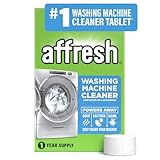
- NO. 1 WASHING MACHINE CLEANER TABLET*
- TIME-RELEASE DEEP CLEAN. Affresh tablets are scientifically designed to deliver extended cleaning action throughout the wash cycle, helping power away bacteria, grime and soap scum deep inside the washing machine’s pump, drum and filter to help optimize performance.
- STINKY PET ODOR? Affresh washing machine cleaner helps remove residues that can trap odors from pets, sweat and mildew that can transfer onto clothes and sheets.
- ONE TABLET, ONCE A MONTH. Avoid the twice-monthly cleaning cycles of other appliance cleaners and cut your machine cleaning maintenance time in half.
- TRUSTED BY APPLIANCE EXPERTS. Backed by over 100 years of appliance innovation, affresh is the washing machine cleaner brand recommended by Whirlpool, Maytag, and Amana.**
Stop Odor From Coming Back
The washer cleaning cycle resets the machine, but daily habits decide whether the odor returns. The goal is simple: reduce residue and dry the machine between uses.
Use Less Detergent
High-efficiency washers are sensitive to detergent overdosing. More soap does not mean cleaner clothes. Too much detergent leaves film on the drum, gasket, dispenser, drain hose, and clothing. It can also trigger extra rinse cycles or leave laundry feeling stiff or slick.
Do these 3 things before closing this tab:
1Scan for outdated or missing drivers - takes under a minute2Repair Windows errors before they cause bigger problems3Fix the driver behind crashes, sound loss and screen glitchesUse HE detergent in HE machines. Measure for load size, soil level, and water hardness. For many normal loads, the marked cap line is more than needed. If clothes are not heavily soiled, try reducing detergent before blaming the washer.
Limit Fabric Softener
Liquid fabric softener can leave a waxy film that holds odor. If the washer smells musty and the dispenser is coated, reduce or stop softener use for a few weeks. Clean the drawer and cavity thoroughly before judging whether the odor is gone.
Dry the Washer After the Last Load
After the final load of the day, wipe the front-load gasket and leave the door open. Leave the dispenser drawer open as well. For top-loaders, leave the lid open until the tub is dry. If the washer is in a closet, airflow matters. Louvered doors, appliance clearance, and humidity control can be just as important as the cleaner you choose.
Run Periodic Hot Maintenance Cycles
If your household runs only cold-water cycles for months, residue can build faster. Use a hot maintenance cycle when the machine manual allows it. This does not mean washing every load in hot water. It means giving the machine a proper empty cleaning cycle on a regular schedule.
Free tools Windows power users keep installed
One-click scans. No signup required.
Hard Water, Work Clothes, and Post-Construction Dust
Washer problems often show up after remodeling, landscaping, drywall work, or a season of muddy clothes. We see this pattern on job sites: dust, grit, sealant residue, and fine debris travel home on work pants and towels, then settle in the washer. If those loads are washed on a short cycle with low water and too much detergent, the machine holds onto the mess.
For construction work clothes, choose a cycle with enough water level, agitation, and time for the soil. Shake out loose debris outside first. Do not overload the tub. If grit remains in the gasket, impeller area, or drum after the load, wipe it out before running normal family laundry.
Hard water adds another layer. Minerals can form scale on internal surfaces, and that scale gives detergent residue a place to cling. If you see white crust around the dispenser, cloudy buildup on fixtures, or stiff towels even after reducing detergent, use a washer-safe descaling product on the schedule recommended by the cleaner and appliance manual. Repeated deodorizing cycles will not fully solve a mineral-scale problem.
When Washer Odor Is Really a Plumbing or Moisture Problem
A clean washer should not smell bad again two days later. If odor comes right back after a correct cleaning, stop adding stronger chemicals and inspect the surrounding system.
What’s actually slowing this PC down?
Pick the symptom - the matching free tool is one click away.
Also popular on Amazon

- Deep Cleaning Descaler for Every Washer - Powerful foaming tablets penetrate your washer’s drum, tub, gasket, and internal components to break down grime, residue, soap scum, and hard-water buildup that cause odors and reduce performance.
- Easy Drop-In Use — No Measuring or Mess - Simply place one tablet in an empty washer, run a hot or self-clean cycle, and let the active foaming action do the work. Cleans hard-to-reach areas without scrubbing, wiping, or dismantling your machine.
- Compatible With All Washer Types - Safe and effective for HE, front-load, and top-load washing machines. Works with major brands including GE, LG, Samsung, Whirlpool, Maytag, Electrolux, and more.
- Ultimate Deodorizer & Keeps Laundry Fresh - Refreshes your washer by clearing away built-up residues and wash cycle odors, helping your machine stay clean and operate at its best. Supports consistently fresh laundry results with every load.
- 24 Tablets = Full 12-Month Supply - Bulk pack includes 24 easy-use tablets for a complete year of routine washer maintenance. Outperforms smaller 5- or 6-count packs and helps extend the life of your machine.
Look at the drain hose first. It should not be kinked, crushed, or shoved too far into the standpipe. A drain hose pushed too deep can contribute to siphoning or poor drainage. The standpipe and trap must be installed correctly so the washer discharges without sewer gas entering the room.
Modern residential plumbing codes generally require each plumbing fixture to be trapped and vented properly. Clothes washer standpipes also have sizing and height requirements that vary by adopted code and local amendments. In many US installations, a 2-inch standpipe is common for a washing machine. If you are moving a laundry hookup, adding a new washer box, changing drain routing, opening walls, or tying into a plumbing stack, check local permit requirements before work starts.
Also inspect the building materials around the washer. Check the drain pan, floor, baseboards, drywall, cabinet sides, and adjacent trim. Stains, swollen MDF, cupped flooring, soft subfloor, rust marks, or musty baseboards are early warnings. A washer can look clean while a slow leak behind it is feeding mold in the wall cavity.
If the laundry room is enclosed, measure humidity with an inexpensive hygrometer. Indoor relative humidity consistently above about 60 percent makes odor and mildew harder to control. Improve airflow with a louvered door, undercut door clearance, exhaust fan where appropriate, or a dehumidifier in damp basements.
Safety Rules That Matter
Washer cleaning is simple, but the safety rules are not optional. Wear gloves when working around bleach, moldy residue, or pump-filter debris. Keep children and pets away from open cleaning products and standing water. Do not mix cleaners. Ventilate the room when using bleach or specialty cleaners.
If you find mold on hard, nonporous surfaces, cleaning and drying may solve it. If porous materials around the laundry area are wet or moldy, such as drywall, particleboard trim, carpet pad, or insulation, cleaning the washer will not fix the source. The moisture problem must be corrected and damaged material may need removal or replacement.
Unplug the washer before reaching into access panels, cleaning near electrical controls with liquid, or handling a pump filter if the manual directs it. Turn off supply valves if you need to move the appliance. If the shutoff valves are frozen, corroded, or inaccessible, do not force them. That is a plumbing repair waiting to happen.
Independent reader supportYour contribution helps us test, update, and keep practical guides available for everyone.Supply Hoses, Drain Pans, and Laundry-Room Details
While the washer is empty and pulled forward enough for inspection, check the supply hoses. Old rubber hoses are one of the easiest failure points to prevent. Replace aging rubber hoses proactively with quality braided stainless or manufacturer-approved hoses. Keep the hot and cold shutoff valves accessible, not buried behind shelving or storage bins.
Recommended Free Tools
Look for bulges, cracks, corrosion at fittings, drips, or greenish mineral staining. If the washer is upstairs or over finished space, a drain pan and leak alarm are cheap insurance. A basic leak alarm can fit into a $15 to $40 maintenance kit and may catch a slow drip before it damages flooring or ceiling drywall below.
Make sure the washer is level and stable. Excess vibration can loosen fittings, walk the machine forward, and stress hoses. If the washer sits in a tight closet, maintain the clearances required by the appliance manual so heat and moisture can escape. Finished laundry rooms should be built like wet-service spaces: durable flooring, accessible valves, sensible drainage, and trim materials that do not fail at the first sign of moisture.
When to DIY and When to Hire a Pro
DIY cleaning is appropriate when the washer has mild odor, visible detergent film, a dirty gasket, a grimy dispenser, or lint in an accessible pump filter. The work is low-cost, the tools are basic, and the risk is manageable when you follow the manual.
Also popular on Amazon

- Powerful Cleaning: The Bastion Washing Machine Cleaner Tablets effectively eliminate dirt, grime, and limescale from your washing machine, ensuring a thorough clean every time.
- One-Year Supply: With 24 tablets in each pack, our one-year supply ensures you have enough tablets for bi-monthly use, keeping your washing machine fresh and efficient all year long.
- Easy to Use: Simply drop one tablet into the drum, run a hot cycle without any laundry, and let the tablet dissolve to release a cleansing foam that reaches every corner of your machine.
- Extends Machine Lifespan: Regular use of these cleaner tablets prevents residue buildup, optimizing your washing machine's performance and extending its lifespan.
- Versatile Compatibility: Suitable for all types of washing machines, including front-loading, top-loading, and high-efficiency models. Tested and approved for GE, LG, Samsung, Whirlpool, Maytag, Electrolux machines & More.
Hire an appliance technician if the machine shows error codes, will not drain, leaves standing water in the drum, leaks from the door boot, has a torn gasket, makes grinding pump noises, or repeatedly clogs the filter. Hire a plumber if you smell sewer gas, see backup at the standpipe, find an improper trap or vent, have a drain line that cannot keep up with discharge, or need to move or add a laundry hookup.
Quick wins for a faster PC:
Scan for outdated or missing drivers - takes under a minuteDriver Scan →Repair Windows errors before they cause bigger problemsFix Now →Bring in a qualified contractor if cleaning exposes water-damaged flooring, swollen trim, moldy drywall, damaged subfloor, or moisture behind cabinets. That is no longer an appliance-cleaning issue. It is a building-envelope and interior-repair issue, and the fix needs to address the source before finishes are patched.
A good rule: if the washer smells better for a month, the cleaning worked. If it smells better for a day and then the must returns, keep investigating. Odor that returns quickly usually has a moisture, drainage, buildup, or ventilation source that a tub-clean cycle cannot reach.
A Practical Monthly Washer Maintenance Checklist
Once a month, run an empty clean-washer cycle with a washer-safe cleaner. Wipe the gasket or lid area. Clean the dispenser drawer and cavity. Check the pump filter if your model allows homeowner access. Inspect the drain pan and floor. Look at hose connections. Leave the door or lid open until the machine is dry.
After heavy soil loads, do a quick version of the same routine. Wipe grit from the gasket or lower tub. Leave the machine open. If the load included pet bedding, job-site clothes, muddy towels, or post-construction dust, inspect before washing regular clothing.
PC Slower Than It Used to Be?
A free scan shows the junk files, broken settings and background clutter dragging Windows down - then fixes them in one click.Free scan · Windows 10 & 11Crashes, No Sound, or Screen Glitches?
Random freezes, missing sound and display glitches usually trace back to one bad driver. Find and replace yours safely.Free scan · under a minuteThe right way to clean a washing machine is not complicated, but it is complete. Clean the parts that hold residue, use the right amount of detergent going forward, dry the machine between loads, and treat recurring odor as a clue. That approach keeps laundry fresher, protects the appliance, and helps you catch water problems while they are still small.
Frequently Asked Questions
How often should you clean your washing machine?
Most homes should clean the washer about once a month. Clean more often for high-use households, front-load machines, pet bedding, work clothes, heavy detergent use, hard water, or humid laundry rooms.
What is the best way to clean a front-load washer gasket?
Run an empty clean-washer cycle first, then pull back the gasket folds and wipe the full boot with a microfiber cloth. Use a small nylon brush for buildup, clean the drain holes gently, dry the gasket, and leave the door open after use.
Can you clean a washing machine with vinegar and bleach?
Use vinegar or bleach only when your washer manual allows it, but never use them together. Do not mix bleach with vinegar, ammonia, hydrogen peroxide, or other cleaners because hazardous fumes or reactions can occur.
Where do you put a washing-machine cleaning tablet?
Most washer-cleaning tablets go directly in the empty drum, not in the detergent dispenser. Always follow the product label and your washer manual because some machines and products have specific instructions.
Why does my washer still smell after I cleaned it?
A smell that returns quickly may come from hidden biofilm, a dirty dispenser cavity, clogged pump filter, kinked drain hose, improper standpipe or trap, standing water in a drain pan, hard-water scale, or poor laundry-room ventilation.
Do I need a permit to move or add a washing machine hookup?
Often, yes. Moving or adding a washer hookup can involve water supply, drainage, trap, vent, and wall work. Permit rules vary by local code, so check with your building department before rerouting plumbing.
Quick Recap
Product prices and availability are accurate as of the date/time indicated and are subject to change. Any price and availability information displayed on Amazon at the time of purchase will apply.
What’s actually slowing this PC down?
Pick the symptom - the matching free tool is one click away.

