Quick wins for a faster PC:
Fix the driver behind crashes, sound loss and screen glitchesFind Drivers →Repair Windows errors before they cause bigger problemsFix Now →Scan for outdated or missing drivers - takes under a minuteDriver Scan →Do not decide from appearance alone. Before sanding old floorboards, screen two separate risks: the condition of the boards and supporting floor, and hazardous materials that sanding, lifting or scraping could release. Look for damp, decay, fungal growth, splits, gaps, squeaks, loose boards and missing fixings, while also identifying paint, adhesive, backing or other hidden layers. A visual check can reveal warning signs, but it cannot prove that concealed joists are sound or that an old coating is free of asbestos or lead.
If suspect material may be disturbed, stop and arrange the appropriate professional assessment before creating dust. The U.S. Environmental Protection Agency (EPA) says asbestos cannot be identified reliably by sight and that lead paint in homes built before 1978 can become a dust hazard during renovation. The safe outcome is a documented decision to proceed, repair first, or use a qualified specialist—not a guess based on how the boards look.
As an Amazon Associate I earn from qualifying purchases.
Start with two separate safety questions
An old timber floor can look attractive and still have hidden decay, weak supports or hazardous layers beneath it. Treat physical condition and contamination as independent checks; passing one does not pass the other.
Recommended Free Tools
| Question | What you can screen without disturbing the floor | What resolves uncertainty |
|---|---|---|
| Are the boards and supporting floor sound? | Visible splits, gaps, movement, squeaks, sagging, softness, damp staining, fungal growth, loose boards and missing fixings; ventilation openings in a suspended floor should be present and unobstructed. | An appropriately qualified surveyor or timber-decay specialist, especially where the floor is springy, damp, sagging or visibly deteriorated. |
| Could renovation release a hazardous substance? | The building’s age and material history, plus visible paint, adhesive, backing, underlay or other layers that sanding or lifting would disturb. Appearance cannot identify asbestos, and it cannot reliably rule out lead paint. | A certified lead inspector or risk assessor for affected surfaces; a trained and accredited asbestos professional who arranges qualified laboratory analysis for suspect material. |
| Will the planned work disturb the material? | Map every operation—sanding, scraping, levelling, removing boards or lifting layers—and identify what each could contact. | Use the applicable professional and legal pathway before work that could spread dust or worsen damage. |
Keep the questions separate in your notes. A floor can be structurally repairable but unsafe to sand until a coating is assessed, or free of a known coating concern but too damp or unstable to refinish.
#1 Best Overall

- POWERFUL UPRIGHT VACUUM CLEANER: DuoClean PowerFins Technology combines two brushrolls—a PowerFins and soft roller—for nonstop contact to deep clean carpets and area rugs, directly engage hard floors, and pick up more debris in every pass (vs. original DuoClean)
- LIFT-AWAY ABOVE-FLOOR CLEANING: Step on the easy-release pedal to detach the lightweight Lift-Away pod for portable cleaning on stairs, furniture, baseboards, ceilings, and other above-floor areas
- SELF-CLEANING BRUSHROLL: Delivers powerful pet hair pickup with no hair wrap, continuously removing hair from the brushroll as you clean carpets and hard floors—ideal for homes with pets
- HEPA FILTRATION & ANTI-ALLERGEN SEAL: The HEPA filter and Anti-Allergen Complete Seal Technology trap 99.9% of dust and allergens inside the vacuum cleaner for whole-home cleaning—great for allergy-prone households
- PERFECT FOR PETS: The Pet Power Brush tackles stubborn pet hair on stairs and upholstery, while the Upholstery Tool removes embedded hair and debris from furniture and other fabric surfaces
A no-disturbance screening sequence
Work through these steps in order. Do not sand, scrape, drill, pry up boards or pull apart suspect layers while you are still deciding whether they are safe.
1. Establish the floor’s history and construction
Record when the home was built and, if known, when the floor was installed, covered or last altered. Ask whether the boards sit over paint, adhesive, paper or felt backing, underlay, levelling compound or another flooring layer. Exposed timber is not necessarily the only material your project will disturb: sanding edges, removing a board or abrading residue can contact materials that are not obvious from above.
For a U.S. home built before 1978, treat painted surfaces as potentially lead-containing until the affected surfaces are assessed. For any age of building, an uncertain installation date or unknown material history is a reason to investigate before disturbance, not evidence that the floor is safe.
Outdated Drivers Are Slowing You Down
One free scan finds every outdated or missing driver and matches the right update for your exact hardware.Free scan · exact hardware matchPC Slower Than It Used to Be?
A free scan shows the junk files, broken settings and background clutter dragging Windows down - then fixes them in one click.Free scan · Windows 10 & 112. Walk the room and document visible defects
Use normal foot traffic only. Note boards that flex, rock, squeak sharply or feel loose, and mark locations rather than trying to fix them immediately. Look for:
- Splits, deep cracks, open joints or unusually wide gaps.
- Loose boards, proud edges, missing nails or screws and failed fixings.
- Local sagging, a springy area or a change in level.
- Damp staining, water marks, condensation, softness or a musty smell.
- Surface erosion, crumbling timber or fungal growth.
- Gaps around pipes, walls or thresholds where moisture or pests may have entered.
Photograph each concern with a location reference and note whether it changes after wet weather or when heating is on. A clean-looking surface does not cancel defects underneath; the purpose of this pass is to identify where further inspection is needed without making the condition worse.
3. Check the room below and, where accessible, the floor void
Inspect ceilings or finishes below for staining and look for signs that plumbing, bathrooms, kitchens or exterior walls may have supplied moisture. If the floor is suspended, confirm that ventilation openings exist and are not blocked by soil, insulation, debris or later alterations. Inadequate ventilation and damp conditions are associated with timber decay.
Rank #2

- POWERFUL SUCTION. Dirt, fur & dust don’t stand a chance against the Pet Hair Eraser Allergen Lift-Off vacuum’s suction power.
- LIFT-OFF DETACHABLE POD. Conveniently clean anywhere in your home, even hard-to-reach areas, with the lightweight canister and quick-release extension wand.
- HEPA SEALED ALLERGEN SYSTEM. This vacuum captures dust allergens inside the vacuum so they don’t escape back into the air you breathe.
- TANGLE-FREE BRUSH ROLL. Cut the hassle, not the hair. This vacuum is designed to handle hair and fur.
- SCATTER-FREE TECHNOLOGY. Vacuuming hard floors shouldn't be a headache. Strong suction and scatter-free technology makes cleaning a breeze.
Do not enter a confined void or remove insulation simply to make a quick check. If access is unsafe, record that the area was not inspected and arrange an appropriate inspection. A walk-over cannot establish the condition of concealed joist ends, wall bearings or other supports; a springy, sagging or damp floor warrants a qualified surveyor or timber specialist before refinishing.
4. Identify every layer that sanding or removal could disturb
Draw a simple cross-section from the visible finish down to the structure. Include paint films, adhesive residues, sheet backing, underlay, levelling products, insulation and any replacement boards. Distinguish what is visible from what is assumed. If you cannot determine whether a layer is present, treat it as uncertain and avoid disturbing it.
Plan the work operation by operation. A floor that would be safe to leave undisturbed may require a different response if the project involves sanding through old paint, lifting boards, removing adhesive or levelling an uneven area.
5. Decide whether lead assessment is required
In the United States, EPA states that homes built before 1978 may contain lead-based paint and that sanding or other renovation disturbing it can generate hazardous dust. Arrange testing of the affected surfaces by a certified lead inspector or risk assessor when lead is possible and the work will disturb paint. For covered renovation work, EPA’s Renovation, Repair and Painting (RRP) program requires firms to be certified and to use lead-safe practices; check current applicability and local requirements before hiring or starting.
EPA-recognized lead test kits are not a universal authorization for unsupervised homeowner testing. The recognition described by the agency applies when kits are used by certified renovators and is limited to specified surfaces and uses. A negative result from an unsuitable kit or surface does not establish that the project is lead-free.
6. Decide whether asbestos assessment is required
Asbestos may occur in flooring, backing, adhesive or other building materials, and it cannot be reliably identified by sight. EPA’s plain-language warning is: “It’s not possible for you to tell whether a material in your home contains asbestos simply by looking at it.” If a suspect material is damaged or your renovation will disturb it, EPA recommends that a properly trained and accredited asbestos professional take samples for qualified laboratory analysis.
Rank #3
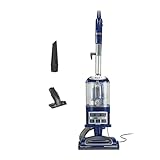
- POWERFUL SUCTION FOR CARPET & HARD FLOORS: Clean carpets and hardwood floors with strong multi-surface suction. This lightweight upright vacuum cleaner lifts dirt, debris, and pet hair for a complete home clean.
- LIFT-AWAY FUNCTIONALITY FOR ABOVE-FLOOR CLEANING: Detach the pod to clean stairs, furniture, and more—attach the upholstery or crevice tools to clean dust and debris from baseboards, curtains, blinds, tight spaces and other surfaces.
- PERFECT FOR PET HAIR CLEANUP: Powerful suction and a specialized upholstery tool removes pet hair from carpets, furniture, and stairs with ease—ideal for homes with pets and everyday messes.
- HEPA FILTER WITH ANTI-ALLERGEN COMPLETE SEAL: Advanced HEPA vacuum technology traps dust and allergens* inside the vacuum, helping deliver a cleaner home environment. *Allergens refer to non-living matter.
- SWIVEL STEERING FOR EASY MANEUVERABILITY: Navigate tight spaces, corners, and around furniture with ease using smooth swivel steering for effortless control across floors.
Do not collect a DIY sample merely to obtain reassurance. Incorrect sampling can release fibers or contaminate the area. EPA also states: “Don’t sand or try to level asbestos flooring or its backing.” Keep suspect material intact, restrict access and obtain the professional assessment required in your jurisdiction before sanding, levelling, lifting or removing it.
How each hazard changes the decision
Asbestos: a material-identification problem
Visual clues such as age, color, pattern or a paper-like backing cannot confirm asbestos content. The relevant question is not whether the floor looks old; it is whether a suspect material will be damaged or disturbed. Intact material that remains untouched may require a different management approach from material that will be abraded or removed, but that distinction should be made with the applicable professional guidance.
Use a trained and accredited asbestos professional and a qualified laboratory where sampling is indicated. Ask what material was sampled, where it was taken, which proposed tasks it covers and how the result applies to adjoining layers. Until the scope is clear, do not assume that testing one visible board clears adhesive, backing or a neighboring room.
Do these 3 things before closing this tab:
1Repair Windows errors before they cause bigger problems2Fix the driver behind crashes, sound loss and screen glitches3Clear out junk files and repair common Windows errorsLead: a renovation-dust problem
Lead paint can be hazardous when renovation creates dust or chips. For a pre-1978 U.S. home, have the surfaces affected by sanding or scraping evaluated by a certified inspector or risk assessor. If the project falls under RRP requirements, use a certified firm and confirm the firm’s lead-safe work plan before work begins.
EPA lists HEPA vacuuming among lead-safe DIY renovation cleanup measures. A HEPA vacuum is therefore a cleanup tool after appropriate controls are in place; it is not a test for lead or asbestos, does not certify a floor, and does not replace professional asbestos work. Do not use vacuuming as a reason to continue a job whose material status is unknown.
Timber decay and structural movement: a building-condition problem
Decay can begin below a finish or around supports while the top face remains presentable. Dampness, poor ventilation, fungal growth, softened timber, sagging or repeated movement are reasons to stop refinishing and investigate the cause. Repairs may involve the boards, joists, bearings, ventilation, plumbing or external water entry; sanding the surface does not address any of those causes.
Rank #4

- 【550W High-Power Motor & 45kPa Strong Suction】 Powered by a 550W motor, this cordless vacuum delivers up to 45,000Pa of suction for efficient, deep cleaning. Effectively lifts embedded dirt, fine dust, and stubborn pet hair from hardwood, carpet, and tile floors. Lightweight and tangle-free, it’s an ideal choice for daily maintenance in family homes, apartments, and pet-friendly households.
- 【Upgraded Tangle-Free Turbo Brush & LED Headlight – The Pet Hair Terminator】The Upgraded anti-tangle roller prevents hair wrap—lab-tested to handle hair from up to 6 pets with zero tangles. Built-in LED lights reveal hidden dust under furniture, making it a must-have for pet owners and long-haired households.Note:Easy Care for Lasting Power: Remove tangled hair from the brush head weekly and empty the dust cup at the MAX line. Simple routine maintenance ensures consistent, reliable performance.
- 【One-Touch Hygienic Emptying – No Mess, No Hands】 The patented one-touch ejection system empties the dustbin in just 3 seconds—hands never touch dirt. Sealed design contains dust and allergens, preventing secondary pollution for a cleaner, healthier home.
- 【 Dual HEPA + Stainless-Steel Filtration】The dual-layer HEPA and stainless-steel filter system traps up to 99.99% of fine dust, pet dander, helping maintain cleaner indoor environments.Ideal for allergy sufferers and families seeking fresher, purer indoor air.
- 【Ultra-Lightweight & Maneuverable – Lighter Than a Water Bottle】Weighing only 6 lbs (3.3 kg) with a low-profile design and 180° swivel steering, it glides effortlessly under furniture and cleans stairs with ease. The adjustable telescopic tube suits all family members—adults, seniors, and teens—enabling comfortable cleaning without bending or strain.
Where decay signs or fungal growth are present, seek specialist timber-decay advice. Where the floor is uneven, springy or moving, arrange an inspection by an appropriately qualified surveyor or timber specialist before loading it with equipment or removing boards.
What’s actually slowing this PC down?
Pick the symptom - the matching free tool is one click away.
Use this decision matrix before booking sanding
| What you find | Do not do yet | Next action |
|---|---|---|
| No visible defects, no suspect layers identified, and the floor history is documented. | Do not treat this as proof that hidden structure or coatings are safe. | Confirm that the proposed work will not disturb unknown material; proceed only under the applicable local requirements. |
| Old paint may be sanded or scraped in a U.S. home built before 1978. | Do not dry-sand or create dust while lead status is unknown. | Arrange a certified lead inspection or risk assessment and determine whether RRP rules apply. |
| Flooring, backing, adhesive or another layer is suspect, damaged or scheduled for disturbance. | Do not sand, level, drill, pry or take an improvised sample. | Use a trained and accredited asbestos professional and qualified laboratory analysis as required. |
| Boards are loose, split, soft, damp, sagging or affected by fungal growth. | Do not refinish over the defect or conceal the moisture source. | Obtain timber-decay or surveyor advice and repair the cause and structure first. |
| Suspended-floor ventilation openings are missing or blocked. | Do not assume a dry-looking room means the void is dry. | Have ventilation and damp-related risks assessed before closing or refinishing the floor. |
| The floor’s age, layers or support cannot be established. | Do not use appearance, a consumer kit or a HEPA vacuum as clearance. | Pause the project and document the unknowns for the relevant qualified professional. |
Prepare useful information for the specialist
A professional can give a more targeted opinion when the project is clearly described. Provide:
- The building location and jurisdiction, construction date if known, and dates of previous flooring work.
- Photographs and a marked plan showing loose boards, damp marks, cracks, sagging and suspected layers.
- The exact proposed operations: sanding depth, scraping, board removal, adhesive removal, levelling or work in adjoining rooms.
- Any history of leaks, flooding, condensation, plumbing repairs, pest damage or blocked ventilation.
- Whether anyone will occupy the home during the work and where dust could travel.
Ask the asbestos professional to identify the sampled material and the boundaries of the result. Ask the lead professional which surfaces and tasks the assessment covers. Ask the timber specialist what was inspected, what remained inaccessible and which moisture or structural repairs are required before finishing.
Common mistakes that turn a screening check into a hazard
“It looks like ordinary wood, so it must be safe.”
Appearance can show wear and damage but cannot identify asbestos and cannot reliably rule out lead in old paint. It also says little about concealed joist ends or wall bearings.
“I will sand a small test patch first.”
A test patch still creates dust and may disturb the very material that needs assessment. Use non-destructive observation and professional sampling instead.
“A HEPA vacuum will make the job safe.”
HEPA vacuuming can be part of lead-safe cleanup, but it is neither a hazard detector nor asbestos clearance. It cannot repair decay or certify the floor.
Best Value

- POWERFUL SUCTION FOR CARPET & HARD FLOORS: Clean carpets and hardwood floors with strong multi-surface suction. This lightweight upright vacuum cleaner lifts dirt, debris, and pet hair for a complete home clean.
- LIFT-AWAY FUNCTIONALITY FOR ABOVE-FLOOR CLEANING: Detach the pod to clean stairs, furniture, and more—attach the dusting brush or crevice tool to clean dust and debris from upholstery, baseboards, curtains, blinds, and other surfaces.
- PERFECT FOR PET HAIR CLEANUP: Powerful suction removes pet hair, dander, and debris from carpets, upholstery, and stairs—ideal for homes with pets.
- HEPA FILTER WITH ANTI-ALLERGEN COMPLETE SEAL: Advanced HEPA vacuum technology traps 99.9%* of dust and allergens**. *Based on ASTM F1977 (0.3 microns+), tested by IBR Laboratories per ASTM F1977-22 standard test method of a vacuum cleaner system, 2024. **Allergens refer to non-living matter.
- SWIVEL STEERING FOR EASY MANEUVERABILITY: Navigate tight spaces, corners, and around furniture with ease using smooth swivel steering for effortless control across floors.
“The boards are only squeaky, so refinishing will fix them.”
Squeaks may reflect movement, loose fixings or support problems. Record the location and investigate the cause before covering it with a new finish.
“One test clears the whole house.”
A result applies to the material and location sampled. Different rooms, backing products, adhesives and paint layers may have different histories. Keep the scope of each assessment explicit.
“Rules are the same everywhere.”
EPA lead RRP requirements cited here are U.S.-specific. Asbestos accreditation, lead law and renovation controls vary by country and locality. Outside the United States, consult the relevant local authority and use professionals recognized there.
The Tool Desk
Outbyte PC Repair FREERepair Windows errors before they cause bigger problemsFix Now →Outbyte Driver Updater FREEFix the driver behind crashes, sound loss and screen glitchesFind Drivers →When refinishing is reasonable to consider
Refinishing becomes a reasonable option only after the visible condition has been assessed, moisture and structural concerns have been addressed, and every material that the planned work will disturb has an appropriate determination. If no suspect material needs disturbance and the boards and supporting floor are sound, the project can move to its separate planning and workmanship stage.
This check does not prescribe a sanding method or certify a particular floor. It establishes whether you have enough information to choose the next safe step. If any warning sign remains unexplained, leave the surface undisturbed and obtain the relevant specialist assessment rather than relying on a visual verdict.
Quick Recap
What this check can—and cannot—prove
- It can identify visible damage, movement, damp indicators, fungal growth, missing fixings and blocked ventilation that need attention.
- It can reveal that the project will disturb paint, adhesive, backing or another layer whose status is unknown.
- It cannot identify asbestos by sight or prove that a surface is free of lead.
- It cannot certify concealed joists, bearings or other inaccessible structure.
- It cannot replace qualified laboratory analysis, certified lead assessment or specialist timber inspection where those are indicated.
Product prices and availability are accurate as of the date/time indicated and are subject to change. Any price and availability information displayed on Amazon at the time of purchase will apply.

