The Tool Desk
Outbyte Driver Updater FREEFix the driver behind crashes, sound loss and screen glitchesFind Drivers →Outbyte PC Repair FREERepair Windows errors before they cause bigger problemsFix Now →Shipyards manage stormwater as a layered system, not with one treatment device. The practical order is to prevent paint dust, blasting grit, metals, oil, fuel, solvents, waste and loose soil from contacting rain; stabilize exposed ground; capture sediment and contaminated runoff that remains; then inspect, maintain and document the controls required by the yard’s permit.
That sequence matters because a yard can have a clean-looking outfall and still fail if pollutants were exposed, controls were poorly maintained, or process water was discharged under the wrong authorization. The specific controls and legal duties depend on the yard’s layout, drainage, work, receiving waters and permitting authority.
As an Amazon Associate I earn from qualifying purchases.
Why shipyard stormwater is difficult to manage
Shipbuilding and repair combine industrial work with large outdoor areas. Surface preparation, abrasive blasting, painting, welding, engine repair, material handling, dry-dock operations and waste storage may all occur near inlets or drainage channels. Rain can carry fine paint and blasting debris, metals, oil, fuel, solvents, chemicals and sediment from those areas into a storm-drain system or receiving water.
Free tools Windows power users keep installed
One-click scans. No signup required.
The potential pollutant mix is not identical at every facility. A new-build yard, a repair yard and a small boatyard may have different materials, drainage patterns and exposure areas. A stormwater plan therefore starts with a site map and an inventory of actual activities, materials and discharge points rather than a generic list of equipment.
#1 Best Overall

- Sufficient Quantity: you will get 100 pieces of oil spill mats; Ample quantity meet your various uses and replacements demands
- Grade Fluid Absorption: the oil dry absorbent is made of quality polypropylene, the oil absorbing pads instantly lock in engine oil, coolants, transmission fluids, and water grease; Keeping your workshop or garage concrete floor pristine and slip free
- Suitable Size: each oil mat for garage floor measures about 25 x 33 cm/ 9.8 x 13 inch, big enough for you to wipe garage tools, machine, car or serve as a mat
- Trimmable Fit for Tight Spaces: no tools required, and feature a flexible structure that allows you to easily tear or cut them into any shape; Ideal for lining narrow corners, oily toolboxes, automotive workbenches, or placing directly under leaky engines without fraying
- Multi Surface Protection: these dimpled oil pads are ideal for concrete garage, basement, workshop, kitchen, industrial estate, home and more, They are also suitable for tile, sealed floors, and metal workbenches, suitable for both oil and water and more; Let it absorb completely, and toss it away; A clean, time-saving solution for mechanics, DIY auto enthusiasts, and homeowners alike
“Your first consideration should be for pollution prevention BMPs, which are designed to prevent or minimize pollutants from entering stormwater runoff and/or reduce the volume of stormwater requiring management.”
The four-layer control strategy
1. Prevent pollutants from contacting rain
Source control is usually the most reliable and least maintenance-intensive layer. Keeping a contaminant out of runoff is preferable to trying to remove it after it has mixed with a large volume of water.
- Keep paint, thinners, fuels, oils, blasting media, waste containers and maintenance chemicals under cover or inside secondary containment.
- Use lids, tarps, enclosed containers or buildings that remain secure during wind and heavy rain.
- Schedule exposed work with weather conditions in mind and minimize the time that materials or partially completed work remain outdoors.
- Maintain clean travel lanes and work pads. Sweep or vacuum debris instead of washing it toward a drain.
- Place spill kits where fluids are transferred or stored, train employees to use them, and remove recovered waste promptly.
- Inspect containers, hoses, tanks and equipment for leaks before a storm and repair defects without delay.
EPA’s Sector R examples focus on pressure washing, blasting and painting, material storage and handling, engine maintenance and repair, dry docks and general yard housekeeping. The exact measures should follow the facility’s stormwater pollution prevention plan (SWPPP) and current permit.
What’s actually slowing this PC down?
Pick the symptom - the matching free tool is one click away.
Pressure washing and paint removal
Pressure-wash water is not automatically stormwater. For ship repair, EPA’s 2006 fact sheet describes collecting pressure-wash discharge, removing visible solids and sending the water only to a sewer system when that discharge is allowed. A sewer owner may impose pretreatment or other conditions; a storm drain is not a substitute.
Paint removal and blasting should take place over an impermeable surface with a retaining berm or equivalent containment. Keep sanding dust, paint chips and spent abrasive away from storm drains. Collect solids during and after the job, package them appropriately and prevent wind or rain from redistributing them.
Rank #2

- Brady's value priced oil absorbing sheets used for petroleum based spills and leaks
- Proven to effectively absorb liquids and repel water, and is effective in both industrial and environmental applications with oil only class
- Absorbs up to 20.5 gallons of liquid per bale, with perforation and dimples for reduced waste and added durability
- Single ply melt blown polypropylene to resist chemicals, repel water, and float on water
- Perforations allow you to quickly and easily select the perfect size absorbent for your application
Spills and small oil residues
Absorbent pads can help pick up small oil residues during housekeeping, including oil removed from bilges, but they are a consumable—not a spill response plan, a required BMP or a treatment system. Used pads and other contaminated materials need proper collection and disposal under the yard’s waste procedures.
2. Stop erosion before soil becomes sediment
Erosion prevention and sediment control solve different problems. Erosion prevention keeps soil attached to the ground. Sediment controls intercept soil after it has already been displaced. Treating the second layer as a replacement for the first leaves a continuing source of muddy runoff and overloads downstream controls.
Erosion-prevention measures
- Seeding: Establish vegetation on finished slopes and other areas that will remain undisturbed long enough for cover to grow.
- Mulching: Protect freshly graded soil while vegetation establishes or where temporary cover is needed.
- Sodding: Provide immediate vegetative cover where schedule, slope or rainfall makes waiting for seed germination impractical.
- Stabilized surfaces: Use gravel, pavement, mats or other durable cover on heavily trafficked routes and equipment staging areas.
- Phased grading: Expose only the soil needed for the current work area, then stabilize it before opening another section.
Choose measures for the soil type, slope, rainfall, tidal influence, vehicle traffic and construction schedule. A steep, frequently trafficked access road needs a different treatment from a flat, rarely disturbed laydown area.
Sediment controls as backup
Silt fences, sediment ponds and stabilized entrances can slow or trap sediment that escapes an exposed area. They work only when runoff is directed through them, the fence is trenched and supported correctly, the pond has available storage and the entrance is maintained. Sediment controls should be installed before earth disturbance and inspected after significant rain, not added after muddy water has already left the site.
3. Manage the runoff that remains
Once source control and erosion prevention are in place, the yard can select controls for its drainage network. EPA examples include vegetated swales, stormwater collection and reuse, inlet controls, infiltration devices, wet retention measures, oil-water separators, wet ponds and proprietary filters.
Rank #3

- Heavy-Duty Absorption: 8-layer polypropylene pads soak up oils, coolants, solvents, water, and chemicals for all-purpose spill control.
- Durable & Lint-Free: Strong construction resists tearing and fraying, leaving surfaces clean without loose fibers or residue.
- Fast Spill Response: Dimpled surface accelerates wicking action, locking in leaks quickly to reduce slip hazards and cleanup time.
- Custom Fit Design: Perforations let you tear pads to size—ideal for small drips, large spills, or as disposable workbench covers.
- Safe & Organized Storage: Packaged in a dispenser box for fast access, keeping garages, shops, and factories prepared for emergencies.
| Control | Primary function | Questions before selection |
|---|---|---|
| Vegetated swale | Slows flow, promotes settling and can provide some filtration. | Is there enough length, stable soil and maintenance access? Will tides or groundwater keep it saturated? |
| Collection and reuse | Stores runoff for suitable non-potable uses and reduces discharge volume. | What tank capacity, water-quality safeguards, backflow protection and end use are available? |
| Inlet control | Stops or filters debris and sediment before it enters a drain. | Can it pass design flows without bypassing, and can staff clean it before it clogs? |
| Infiltration device | Disposes of runoff into the ground and reduces surface discharge. | Is the soil permeable, groundwater sufficiently deep and contamination risk acceptable? |
| Wet retention pond | Provides detention and settling, with treatment in a permanent pool. | Is there safe storage, mosquito and algae management, access for sediment removal and protection from tidal backflow? |
| Oil-water separator | Separates free oil from suitable flows. | Is the influent appropriate, is pretreatment needed, and who will remove accumulated oil and sediment? |
| Filter device | Filters selected pollutants from a defined flow. | What loading rate, bypass behavior, replacement interval and waste-disposal method apply? |
No device is universally appropriate. Evaluate the pollutant source, drainage area, peak flow, capacity, marine or tidal conditions, discharge route, inspection frequency, maintenance access and permit terms. A separator or filter cannot legalize a prohibited process-water discharge, and a treatment unit does not excuse uncovered materials or neglected housekeeping.
Separate stormwater from vessel and process water
The most important boundary is between rainwater runoff and water generated by ship operations. EPA’s Sector R fact sheet identifies bilge water, ballast water, pressure-wash water, sanitary waste and vessel-origin cooling water as prohibited under an industrial stormwater permit. If such water is discharged to receiving waters or through a municipal separate storm sewer system (MS4), it may require separate National Pollutant Discharge Elimination System (NPDES) authorization.
Do not route process water to a storm drain merely because the water is outdoors or appears clear. Identify each non-stormwater stream, isolate it from rainwater, and confirm the approved collection, pretreatment, sewer or permitted discharge route with the relevant authority. Current local permit language controls; the 2006 Sector R fact sheet is practical guidance, not a current permit for every yard.
Build the SWPPP around the actual yard
Industrial stormwater coverage commonly involves a written SWPPP, control measures and a request for coverage such as a Notice of Intent (NOI). The permitting authority may be the U.S. Environmental Protection Agency or a state environmental agency. Requirements differ by jurisdiction, facility classification and permit edition.
A useful SWPPP should let a new supervisor answer five questions quickly:
PC Slower Than It Used to Be?
A free scan shows the junk files, broken settings and background clutter dragging Windows down - then fixes them in one click.Free scan · Windows 10 & 11Outdated Drivers Are Slowing You Down
One free scan finds every outdated or missing driver and matches the right update for your exact hardware.Free scan · exact hardware matchRank #4
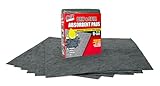
- ABSORBS LIQUID: Premium absorbtion of oil, grease, coolant, water and other leaky fluids
- CONTAINS LEAKS: great for oil changes, motorcycle maintenance, rain leaks and more
- PROTECTS SURFACES: creates a durable barrier between tough messes and surfaces, to make clean up easy and help prevent damage
- PREVENT MESSES: great for workshops to clean and store tools covered in oil and grease
- VERSATILE: use as a heavy duty rag to clean tools, parts & messes. Keep handy for other protection like tool benches, oil changes, pet care and floor care
- Where can pollutants contact rain? Mark painting, blasting, pressure washing, repair, fueling, storage, waste and loading areas.
- Where does water flow? Show slopes, inlets, ditches, ponds, outfalls, discharge points and nearby receiving waters.
- Which controls protect each area? Identify covers, berms, stabilized surfaces, erosion measures, inlet protection and treatment units.
- Who checks them and when? Assign named roles, inspection intervals, storm-response duties and repair authority.
- What evidence must be retained? Keep inspection forms, maintenance records, training logs, sampling results, corrective actions and permit filings for the period required by the applicable permit.
EPA’s industrial stormwater resources describe inspections, employee training, reporting and visual, analytical or compliance monitoring as possible permit elements. Do not assume every yard must sample the same pollutants or at the same frequency. Read the active permit and authorization documents for the facility’s location.
Independent reader supportYour contribution helps us test, update, and keep practical guides available for everyone.Inspection and maintenance that work in practice
Routine inspection
Walk the yard on the schedule required by the permit and after runoff events when required. Look for exposed containers, torn covers, leaking equipment, paint chips, oily sheen, blocked inlets, undercut silt fences, sediment-filled ponds, rills on slopes and erosion at outfalls. Include areas that were inactive during the previous inspection; a stored vessel or unused laydown area can still collect contaminants.
Storm-event response
Before forecast rain, secure lids and tarps, move portable materials under cover, check berms and clear inlet protection. During or soon after runoff, inspect flow paths and outfalls where safe to do so. Photograph and document failures, then correct the cause rather than only cleaning the symptom.
Maintenance triggers
- Remove sediment when a silt fence, inlet insert or pond loses effective storage or flow capacity.
- Repair or replace damaged covers, liners, berms and stabilized entrances.
- Clean oil-water separators and filters according to loading and manufacturer or permit requirements, not simply by calendar date.
- Re-seed, mulch or re-sod bare areas as soon as practicable.
- Track each corrective action to completion, including date, responsible person and disposal route for collected waste.
Common failure modes and the fix
| Observed problem | Why it happens | Practical correction |
|---|---|---|
| Muddy water leaves a disturbed slope. | Downstream controls were installed without stabilizing the source. | Reduce exposed area, stabilize with seed, mulch, sod or durable cover, then maintain sediment controls. |
| Inlet protection is clogged. | Debris and sediment were not removed after earlier storms. | Clean or replace the device, inspect upstream housekeeping and provide a safe bypass for design flows. |
| Oil sheen appears at an outfall. | A leak or exposed activity remains upstream; treatment is receiving more oil than designed. | Stop the source, contain and collect the spill, inspect the drainage area, and service the separator or filter as required. |
| Paint chips are found near a drain. | Blasting or sanding was performed without adequate containment or cleanup. | Use an impermeable, bermed work area, block nearby drains, collect solids and revise the work procedure. |
| Pressure-wash water enters a storm drain. | Workers treated process water as ordinary rainwater. | Stop the discharge, contain the water, notify the responsible environmental contact and use only an authorized collection, sewer or treatment route. |
| Controls appear intact but records are missing. | Inspection and training responsibilities were not assigned clearly. | Assign owners, use dated checklists and retain reports, photographs, sampling and corrective-action evidence. |
Why authorization and records matter
EPA announced on September 12, 2019 that it had ordered Guam Shipyard to obtain stormwater discharge permit coverage after concluding that pollutants in stormwater and process wastewater associated with industrial activity had been discharged without Clean Water Act authorization. That enforcement example demonstrates the importance of authorization and discharge control; it does not establish a typical penalty, a universal violation or the outcome for another shipyard.
A permit is not satisfied by purchasing one product or installing one pond. Compliance depends on the complete system: pollution prevention, erosion and sediment controls, runoff management, correct handling of non-stormwater flows, inspections, maintenance, training, reporting and any monitoring required by the active permit.
Quick Recap
A practical implementation sequence
- Confirm jurisdiction and coverage. Identify the permitting authority, applicable industrial sector, active permit, existing authorization and receiving-water or MS4 connections.
- Map the site. Trace every drainage path and mark pollutant sources, exposed materials, process-water lines and outfalls.
- Eliminate exposure. Cover or contain materials, improve housekeeping, establish spill procedures and train crews.
- Stabilize soil. Phase earthwork and use seeding, mulching, sodding or durable surfaces before relying on sediment traps.
- Install secondary controls. Add silt fences, stabilized entrances, inlet protection, ponds, swales, separators or filters where the site analysis supports them.
- Write enforceable procedures. Put inspection routes, storm preparation, maintenance triggers, responsible people and records into the SWPPP.
- Verify performance and adjust. Use required visual inspections, sampling and corrective actions to find failures; revise controls when work, drainage or weather changes.
Product prices and availability are accurate as of the date/time indicated and are subject to change. Any price and availability information displayed on Amazon at the time of purchase will apply.

