There is no dependable single annual price for maintaining a horse property. The total depends on where you live, how many horses you keep, the condition and productivity of your land, existing fences and buildings, water and power systems, and how much work you do yourself. A useful budget separates property operations and repairs from ownership costs and horse care, then prices each item with local quotes.
What a horse-property maintenance budget should include
Keeping a horse at home combines three different budgets. Separating them avoids mistaking the cost of caring for a horse for the cost of maintaining the land and facilities.
As an Amazon Associate I earn from qualifying purchases.
Recurring property operations
- Fence inspections, repairs, and replacement; barn, shelter, gate, and stall repairs.
- Pasture mowing, weed control, fertilizing, and liming.
- Water-system upkeep and electricity for lighting, fence chargers, or water heaters.
- Equipment fuel and repairs, plus labor for routine chores.
- Manure collection, storage, composting, land application, or hauling.
University of Maine Cooperative Extension identifies these kinds of property expenses and cautions that they vary greatly, so owners need to estimate them for their own operation (Equine Facts: Guide to First-Time Horse Ownership).
Ownership and capital costs
Property taxes, insurance, interest on borrowed capital, depreciation, and the value of your own labor can affect the cost of keeping a horse property. They are not the same as routine maintenance, but omitting them can make a budget look lower than the true cost of ownership. Include major replacements—such as a roof, water system, or long fence run—as planned capital expenses rather than assuming they will never occur.
#1 Best Overall

- Strong Structure: Our 4x100ft horse fence roll is made of 14-gauge galvanized steel wire, this horse fencing is built to last. It resists bending, rust, and harsh weather, offering long-term protection for your animals and property.
- Safe & Stable Design:The 2x4 inch rectangular mesh keeps horses and livestock safe by preventing hooves or heads from getting stuck, while the square knots ensure even tension and strong connections that reduce sagging and maintain long-term fence stability
- Versatile Use:Field fence is widely used for horses, cattle, sheep, pigs, and large dogs. They can also be combined with barbed wire or others for farm fencing, garden fencing, field fencing, livestock fencing , forest fencing, etc
- Rust-Proof & Galvanized Protection: Featuring a thick zinc coating, the livestock fence provides excellent corrosion resistance, ideal for outdoor and farm environments where durability matters most
- Easy to Install and Maintain: The Metal Wire Farm Fencing has a simple structure, making it easy to install on plains and hills. It can be dismantled and moved as needed, facilitating livestock management and operations
Horse-specific care
Feed and forage, bedding, veterinary and dental care, farrier work, and supplies belong in the horse-care budget. Their level depends in part on whether horses are stalled or turned out and how much usable pasture is available. University of Minnesota Extension discusses ways to manage horse-care costs without compromising safety or welfare in its guide to caring for horses on a budget.
What published cost figures can—and cannot—tell you
Published estimates can provide context, but the available examples are regional or historical and do not establish a current national price for maintaining a horse property.
Rank #2
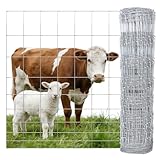
- Heavy Duty Galvanized Woven Construction: cattle panel built with 14 gauge galvanized steel wire and a 12 gauge reinforced border, this woven wire fence delivers exceptional strength and impact resistance. The hot-dip galvanized surface ensures superior rust and weather protection, making it a reliable choice for agricultural fencing and livestock fencing that withstands harsh outdoor conditions and heavy animal pressure.
- Tapered Mesh Design 8in to 3.5in: Wire mesh openings taper from 8 inches at the top down to 3.5 inches at the bottom. The wider top maintains visibility, while the tighter bottom prevents small animals from escaping—ideal for goat fence, hog wire fence panels, and field fence applications. No more chasing runaways or patching gaps.
- All-in-One Livestock & Property Fencing: One roll does it all. Whether used as cattle panel, hog panels, horse fence, or deer fence, this versatile solution adapts to farms, ranches, pastures, gardens, and yards. Perfect as a garden fence, fencing for yard, or yard fencing, it meets the needs of both livestock containment and property protection.
- Quick Setup & Portable Design: Rolls out easily and sets up fast with no special tools required. Lightweight enough for one person to handle, yet strong enough to serve as reliable agricultural fencing or portable cattle panel sections. Ideal for rotational grazing or reconfiguring property lines as needs change.
- Built to Last & Backed by Quality: Designed for years of reliable service in all weather conditions—15–20 years in normal environments, 10–15 years in extreme conditions. The combination of reinforced border wires and heavy galvanized coating means no rusting, no sagging, no constant repairs. Trusted by farmers and ranchers as a durable wire mesh solution for livestock fencing, field fence, and beyond.
| Source and scope | Published figures | How to interpret them |
|---|---|---|
| University of Maine Cooperative Extension; survey conducted in 2012 among 82 owners and 470 horses | Average annual total: $3,876 per horse; median: $2,419 per horse | Historical Maine hobby-owner figures covering hay and grain, pasture maintenance, veterinary and medicine, farrier, bedding, building maintenance, and training. The guide reports that hay and grain costs had risen 35% to 80% since the survey and provides inflation-adjusted ranges. These totals include horse care, omit some ownership costs, and are not a current property-maintenance quote. |
| New Mexico State University Cooperative Extension Service; May 2022 revision, adult 1,100-pound horse in New Mexico | Annual feed: $1,000–$2,000; hoof care: $200–$550; basic healthcare: $150–$300; stated annual horse-ownership total: $1,350–$3,000 per horse | A regional estimate of horse ownership costs, not a complete property-maintenance budget. The guide says startup costs can push a new owner’s total above $6,500, excluding the horse’s purchase price. |
The Maine guide’s totals should not be added to the New Mexico estimate: they cover different places, periods, and categories. Neither source supplies a current all-in annual cost for a typical U.S. horse property. See NMSU’s horse-ownership guide for the scope of its regional estimate.
Recommended Free Tools
How acreage and pasture change the budget
Acres alone do not determine the cost of keeping horses. Pasture productivity, soil, weather, management, and the share of a horse’s diet supplied by grazing all matter. University of Minnesota Extension gives a general recommendation of two acres per 1,000-pound horse when pasture is expected to provide most of the horse’s growing-season nutrition. A well-managed, fertile pasture used mainly for exercise and supplemental grazing may need one acre per horse; less productive or less-managed pasture may need up to five. Higher stocking rates generally require more hay supplementation. These are planning recommendations, not a universal acreage rule; use the UMN pasture-management guidance to understand the assumptions.
Rank #3

- ⚡ HEAVY-DUTY 12-GAUGE HIGH-TENSILE WIRE FENCE: Built from premium 12-gauge high-carbon steel wire, this cattle panel fencing delivers superior tensile strength and impact resistance. The heavy-gauge welded wire construction holds firm against large livestock pressure, making it a reliable choice for cattle panels, hog wire fencing, and permanent field fence installations.
- 🛡️ HOT-DIPPED GALVANIZED RUST-PROOF FENCING: Features a thick hot-dipped zinc coating that creates an impenetrable rust-proof barrier on every wire strand. This galvanized wire fence withstands rain, snow, UV exposure, and soil contact without corroding—ideal for long-term outdoor use as pasture fencing, corral fence, and perimeter livestock enclosure.
- 🔗 REINFORCED FIXED-KNOT WOVEN WIRE DESIGN: Engineered with a tight fixed-knot woven structure that locks vertical and horizontal wires securely at every intersection. The reinforced grid distributes animal impact evenly across the fence surface, preventing sagging and deformation—perfect for cattle fence, sheep fence, and goat wire fencing that demands structural integrity.
- 🐾 ALL-ANIMAL FARM FENCE FOR MULTI-USE: Trusted livestock containment for cattle, horses, sheep, goats, hogs, and poultry. Works as deer fence, field fence, garden fence, and homestead perimeter fencing. Also suits orchard protection, property boundary, and garden pest control—a versatile welded wire fence roll for any agricultural fencing need.
- 🔒 PREDATOR-PROOF ANIMAL BARRIER FENCE: The sturdy galvanized steel mesh acts as a powerful predator deterrent, keeping coyotes, foxes, and stray dogs away from your livestock. Dense bottom openings block small intruders while the rigid structure resists pushing and climbing—providing secure farm perimeter defense for your cattle, goats, and poultry enclosures.
For budgeting, consider pasture work as both an operating cost and a management decision: mowing, weed control, soil amendments, and repairs may change as grazing pressure and pasture condition change. Estimate forage and maintenance for your actual land rather than multiplying acreage by a fixed national rate.
Budget for fence upkeep, not just installation
Fence choice affects initial expense, ongoing repair work, useful life, visibility, and horse safety. In its comparative guidance, reviewed in 2021, University of Minnesota Extension rates wood post-and-rail as high in initial cost and maintenance, with an estimated 15–20-year lifespan; electric wire is rated low in initial cost and maintenance, with an estimated 20–25-year lifespan. These are relative categories and lifespan estimates, not current installed prices. Local materials, labor, terrain, and installation needs can change the result.
Rank #4

- Eye-Catching: This Sign professional especially designed to attract people's attention, 12" x 10" with 35" Pole size, Highly visible with big bold letters in contrast colors will definitely catch the attention of all passersby
- Durable Strong: This Sign is used first-class materials, has a great water resistance.It is made of strong rust free aluminum, and will stay as good as new even after many years of indoor and outdoor use.
- Easy to Read: This Sign Anti-rust aluminum alloy material,with reflective coating and UV coating gloss coating Whether it is day or night, Sign can attract the attention of passers-by. ideal for in your lot, front yard, lawn, garden or any area with grass.
- Widely Application: It can be applied for garden, yard, park, lawn, and other places, attract the attention of others, use this sign, you don't have to refuse unwanted visitors in the face. A nice subtle way of saying no thanks. Keeps unwanted visitors off your front porch.
- Easy Installation: Simple to combine 2 parts together, with a 45-degree cut for easy install. No additional tools needed, just stick it into the ground and you're done! As the bottom is not very sharp, please make the ground soft or wet, then insert it.
As UMN Extension puts it, “When considering fence costs be sure to include both material and maintenance costs.” Compare options using local installed quotes and the work they require over time, not appearance or first cost alone. Check fences routinely and choose a system that is suitable, visible, maintained, and safe for the horses. See Horse fencing considerations.
What’s actually slowing this PC down?
Pick the symptom - the matching free tool is one click away.
Include manure handling as a real operating cost
An average 1,000-pound horse produces more than 10 tons of manure per year, according to University of Minnesota Extension. The quantity makes handling capacity, labor, storage, equipment, and the eventual destination important budget questions—not incidental chores.
Best Value

- DURABLE ALUMINUM: 'Do Not Feed or Pet Horses' signs are made from heavy-duty 40 mil thick aluminum. Unlike steel signs, our aluminum signs do not rust. Signs easily last up to 7 years outside.
- EASY INSTALLATION: Signs have four 3/16 inch corner holes. Mount with screws, nails, tie-wraps or wires. Signs can also be attached with foam or double-sided velcro tape. Sign attachment accessories are not included.
- LAMINATED PROTECTION: With lamination, graphics are protected from weather and abuse to preserve a fresh look. Graffiti can be cleaned off too. Clear UV laminate resists chemicals, UV rays, water, and abrasion.
- MADE IN USA: All components are made in the USA and offer superior quality.
- PACK CONTENTS: One 14 x 10 inch multicolor aluminum sign.
Compare on-site storage or composting with hauling or dumpster service based on the number of horses, available space and equipment, labor, storage capacity, intended use of compost, and local rules. UMN notes that dumpster service may be more practical for barns handling substantial manure, though convenience comes at an added cost. Requirements vary by state, so check applicable local and state rules before deciding. The extension’s guide to managing and composting horse manure explains the main options.
Build a local estimate that fits your property
Before setting an annual number, list the conditions that drive it. Get current local quotes for variable inputs instead of using a dated budget as though it were a present-day rate.
- Describe the setup: note your region, number and size of horses, acreage, pasture condition, fencing type and condition, barn or shelter, and water and power systems.
- Separate annual bills from irregular repairs: estimate routine work and services each year, then set aside a separate reserve for replacement and major repairs to buildings, fences, equipment, and utilities.
- Choose a manure plan: identify storage or composting capacity, who will do the work, and whether you will need hauling or dumpster service. Confirm applicable rules for your location.
- Assign labor realistically: record what you will do yourself and what requires contractors or paid help. Owner labor is still a cost in time, even when no invoice arrives.
- Price horse care separately: request local estimates for forage and other feed, bedding, veterinary and dental care, farrier work, and supplies. Keep those figures distinct from property repairs.
- Review the budget as conditions change: pasture productivity, horse numbers, facility condition, and the balance of owner and hired work can all alter the annual total.
For a practical estimate, gather current local quotes for hay, labor, fencing materials and installation, fuel, utilities, taxes, and insurance. The result will be more useful than a single national average that does not account for your property or region.
Do these 3 things before closing this tab:
1Scan for outdated or missing drivers - takes under a minute2Repair Windows errors before they cause bigger problems3Fix the driver behind crashes, sound loss and screen glitchesKeeping horses at home shifts work as well as cost
Homekeeping may reduce boarding expenses, but it transfers daily chores and facility upkeep to the owner. Shelter and turnout choices also affect building and maintenance needs; outdoor housing may lower those costs for horses and conditions suited to it. Evaluate the arrangement against the care the horses need, the facilities available, and the time required—not on a presumed saving alone.
Quick Recap
Product prices and availability are accurate as of the date/time indicated and are subject to change. Any price and availability information displayed on Amazon at the time of purchase will apply.




