Lawn chemicals can harm dogs, but the risk depends on the exact product and exposure. Ingredient, formulation, concentration, amount, route of exposure, and whether the treatment was wet or dry all matter. Correctly using a product according to its label is far less risky than allowing a dog to lick concentrate, eat granules, walk through wet spray, or drink contaminated water.
Keep dogs away during application and for the complete label-directed re-entry period. If exposure has already happened, remove the dog from the source, protect yourself, wash external residue with lukewarm water and mild soap, and contact a veterinarian for product-specific advice. Suspected paraquat or diquat exposure, concentrate ingestion, breathing trouble, neurologic signs, collapse, or repeated vomiting is an emergency.
As an Amazon Associate I earn from qualifying purchases.
Dogs are particularly prone to exposure because they sniff treated areas, walk through residue, lick their paws, groom their coats, and may drink from puddles or outdoor containers. Residue can also be carried indoors on paws, fur, shoes, clothing, grass clippings, and other materials. The safest approach is to prevent access during application and for the complete label-directed re-entry period, then keep the product container or label available if an exposure occurs.
What’s actually slowing this PC down?
Pick the symptom - the matching free tool is one click away.
Which lawn chemicals are most concerning?
“Lawn chemical” is a broad category. It may refer to a herbicide, fertilizer, fertilizer-herbicide combination, insecticide, fungicide, or a product containing several active ingredients and formulation additives. Two products marketed for similar lawn uses can have very different risks.
#1 Best Overall

- TALL FESCUE LAWN SEED: O.M. Scott & Sons Tall Fescue Blend Grass Seed contains grass seeds for lawns that grow dense grass to naturally crowd out weeds and helps you grow a resilient green space so you can go hard on your yard
- 3-IN-1 GRASS SEED MIX: Designed for Northern and transition region lawns, this 3-in-1 product is crafted with hand-selected varieties of Tall Fescue grass seed grown in Oregon, and paired with Natural Grass Food and soil-improving clay
- SAFE FOR USE AROUND KIDS & PETS: This lawn grass seed contains no added artificial ingredients or pesticides, and it's safe for use around people and pets (when used as directed)
- WHEN TO APPLY: Apply this new lawn & overseeding grass seed in the spring or fall when the daily air temperature is consistently between 65�F and 85�F for two weeks; one 8 lb. bag covers 2,000 sq. ft. when overseeding or 665 sq. ft. when growing a new lawn
- RECYCLABLE PACKAGING: O.M. Scott & Sons products are packaged in a recyclable paper bag; apply the product to your yard then toss the bag in your curbside recycling bin where available
| Product or ingredient category | What accidental exposure may cause | Important qualification |
|---|---|---|
| Common consumer herbicides, including glyphosate formulations, 2,4-D, mecoprop, dicamba, triclopyr, and dinitroaniline herbicides | After ordinary accidental ingestion, gastrointestinal irritation such as vomiting, diarrhea, reduced appetite, or abdominal discomfort is commonly reported. | Concentrates, large amounts, and some formulations can produce more serious neurologic, muscular, respiratory, or cardiovascular effects. Surfactants and other ingredients may contribute to toxicity. Pet Poison Helpline explains the role of both active ingredients and formulations. |
| Paraquat and diquat, a group of bipyridyl herbicides | Potentially severe tissue injury after ingestion, inhalation, or substantial contact. | Any suspected exposure should be treated as an emergency rather than watched at home. In the United States, paraquat is a highly toxic restricted-use herbicide. Merck Veterinary Manual discusses herbicide poisoning in pets. |
| Fertilizers and fertilizer-herbicide combinations | Small ingestions may cause stomach upset; larger ingestions can cause severe poisoning. | Meal-based fertilizers may contribute to obstruction or pancreatitis, while iron-containing products add another potential source of toxicity. Combination products may also contain insecticides or fungicides. Read the product-category guidance from Pet Poison Helpline. |
Glyphosate illustrates why broad statements such as “this herbicide is harmless” are unreliable. Glyphosate targets a plant pathway that mammals do not have, but a commercial product may contain surfactants and other ingredients that irritate the gastrointestinal tract or alter the exposure risk. The useful question is not only “What is the active ingredient?” but also “What exact formulation, concentration, and amount did the dog encounter?”
Many newer selective herbicides have relatively low mammalian toxicity when used correctly, according to Merck Veterinary Manual. That is not a guarantee of safety after misuse, direct ingestion, or exposure to a more hazardous product.
How dogs are exposed
- Oral ingestion: A dog may lick residue from its paws or coat, eat treated grass, weeds, clippings, granules, or dead vegetation, chew a container, swallow concentrate, or drink from a contaminated puddle or outdoor bowl.
- Skin contact: A dog can walk through wet spray, lie on freshly treated turf, or contact a spill.
- Eye exposure: Spray, droplets, or residue can irritate or injure the eyes.
- Inhalation: Dogs near spray mist, vapors, or concentrated products may breathe them in, particularly during application or in poorly ventilated areas.
- Household transfer: Residues may come indoors on fur, paws, shoes, clothing, grass clippings, and toys.
A dry-looking lawn is not automatically a cleared lawn. Drying is only one possible label condition. Some product labels permit people and pets to re-enter after the spray has dried; others specify a different interval, watering requirement, or site restriction. In the United States, pesticide labels are legally enforceable and control how, where, how much, and how often a product may be used. The EPA’s pesticide-label guidance explains why the actual label must take priority over a universal “wait until dry” rule.
Quick wins for a faster PC:
Scan for outdated or missing drivers - takes under a minuteDriver Scan →Clear out junk files and repair common Windows errorsFree Scan →Fix the driver behind crashes, sound loss and screen glitchesFind Drivers →Symptoms to watch for
Signs depend on the ingredient, dose, formulation, and route. A dog that merely touched a properly treated surface may have no symptoms, while a dog that chewed a container or swallowed granules may become seriously ill.
Rank #2
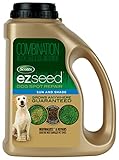
- Repair Pet Spots: Scotts EZ Seed Dog Spot Repair Sun and Shade has a special salt neutralizer formula that minimizes the effects of salts from dog urine and repairs high traffic areas and damage from digging
- Grass Seed Mix: consists of a combination of high performance grass seed, mulch that expands to surround the seed, a soil amendment that helps repair areas burned by dog urine
- Usage: Dog spot repair is guaranteed to grow anywhere (with proper care), and is ideal for urine spots, high traffic areas, and damage from digging
- Application: Grass seed germinates best when daytime temperatures are between 60°F and 80°F
- Coverage: one 2 lb. container of Scotts EZ Seed Dog Spot Repair Sun & Shade repairs up to 100 dog spots
Common or milder signs
- Vomiting
- Diarrhea
- Reduced appetite
- Abdominal discomfort
- Skin or eye irritation
Potentially serious signs
- Repeated vomiting or severe diarrhea
- Marked weakness or collapse
- Tremors or seizures
- Ataxia, stumbling, or severe incoordination
- Abnormal muscle stiffness or myotonia
- Breathing difficulty or other respiratory abnormalities
- Severe eye irritation
- Neurologic or cardiovascular changes
Do not use the absence of immediate symptoms to rule out danger after an unknown or concentrated exposure. Some exposures initially look minor, and the information needed to assess risk is product-specific. Call a veterinarian or animal poison-control service once the chemical source is identified, particularly if the dog swallowed any product or is showing signs of illness.
What to do if your dog contacts a treated lawn
- Stop further exposure. Move the dog away from the treated area, spilled product, puddle, container, or spray mist. Prevent licking while you determine what happened.
- Find the product information. Get the original container or label. Record the product name, active ingredients, EPA registration number if present, concentration, estimated amount, time of exposure, and whether the product was wet, dry, granular, or diluted.
- Protect yourself. Put on waterproof or disposable chemical-resistant gloves before handling or washing a contaminated dog. Do not become a second exposure while trying to help.
- For external contamination, blot rather than rub. Remove visible residue carefully, then wash the affected fur or skin with lukewarm water and mild skin soap. Keep the product away from the eyes and mouth.
- Flush irritated eyes. If chemical has entered an eye, flush with lukewarm water for 10–15 minutes and obtain veterinary guidance, especially if irritation continues.
- Call for ingredient-specific advice. Contact your veterinarian, an emergency veterinary clinic, or an animal poison-control service. Follow the label and professional instructions rather than guessing about treatment.
For a surface-only exposure after professional guidance, a mild dog shampoo for washing paws after outdoor exposure can be a practical cleanup aid. It does not neutralize a poison, treat ingestion, or replace veterinary care. If the dog swallowed concentrate or granules, has breathing difficulty, tremors, weakness, repeated vomiting, severe eye irritation, or any other serious sign, do not delay professional help to try a consumer grooming product.
For routine cleanup after ordinary walks—when there is no known chemical spill or symptomatic exposure—a dog paw cleaner may help remove everyday outdoor residue. It should not be presented as sufficient decontamination after a lawn-chemical incident; mild soap and water are the external-cleanup measures described in CDC guidance for pets exposed to chemicals.
What not to do
- Do not induce vomiting unless a veterinarian or poison-control professional specifically tells you to do so. The correct decision depends on the chemical and the risk of aspiration or further injury.
- Do not give activated charcoal, milk, oil, food, or another home remedy unless specifically directed by a veterinary professional.
- Do not assume drying makes every product safe. Follow the complete label-directed re-entry instructions instead.
- Do not scrub contaminated fur aggressively. Rubbing can spread residue or irritate the skin.
- Do not discard the container or label. The exact product information can materially change the recommended treatment.
When exposure is an emergency
Seek immediate veterinary care for breathing difficulty, collapse, seizures, severe weakness, tremors, marked incoordination, repeated vomiting, severe eye irritation, suspected concentrate ingestion, or suspected paraquat or diquat exposure. Treat an unknown ingestion seriously even if the dog currently appears normal.
Rank #3
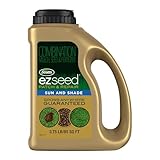
- WHEN TO APPLY : This lawn seed mix of Kentucky bluegrass seed, perennial ryegrass, and fine fescue grass seed germinates best when daytime temperatures are between 60°F and 80°F with no danger of frost
- PATCH & REPAIR: Scotts EZ Seed Patch & Repair Sun and Shade is a revolutionary grass seeding product that makes grass patch repair for lawns easy; it's designed to fill in bare spots and repair lawn damage
- COVERAGE: One 3.75 lb. jug of EZ Seed Patch & Repair lawn grass seed mix covers up to 85 sq. ft. in 3 easy steps: prep the area, evenly apply the seed and water until no more water is being absorbed
- WHERE TO USE: This sun and shade lawn repair grass seed mix is guaranteed to grow anywhere with proper care including in full sun, dense shade, high traffic areas and on slopes
- SUN AND SHADE GRASS: Contains a combination of high performance grass seed for lawns, mulch that expands to surround the seed, controlled release fertilizer, tackifier to help keep seed from washing away and a protectant to help keep seedlings safe
Small, elderly, pregnant, debilitated, or medically fragile dogs may have less margin for error. The same amount that causes limited stomach upset in one dog may be more consequential in another. A veterinarian or poison-control professional can assess the product, dose, body size, timing, and symptoms together; internet symptom lists cannot do that reliably.
Preventing lawn-chemical exposure
Before application
- Read the full product label, including pet re-entry, watering, ventilation, and site restrictions.
- Remove dogs, food and water bowls, toys, bedding, and other items from the treatment area.
- Tell a professional applicator that dogs use the property and ask for the product name, active ingredients, application time, and exact written pet re-entry instruction.
- Plan a leash route or indoor area that does not cross the treated lawn.
During and after application
- Keep dogs away while the product is being mixed, applied, or handled.
- Observe the entire label-directed re-entry period—not merely the time until the grass looks dry.
- Prevent dogs from eating treated grass, weeds, clippings, granules, dead vegetation, or any material collected from the lawn.
- Keep dogs away from puddles, spills, mixing containers, hoses, and outdoor bowls that may have been contaminated.
- Wash or change contaminated shoes and clothing before allowing the dog to rub against them, and clean residue from paws or fur when appropriate.
Storage and disposal
Keep lawn products in their original labeled containers, away from pets, food, and animal feed. Store them in a locked cabinet, shed, or other inaccessible location, and follow the label’s disposal instructions. A lockable pesticide storage solution can help households keep concentrated products away from dogs, but it is not a substitute for original-container labeling or proper disposal. EPA storage guidance recommends keeping pesticides out of reach of children and pets and, preferably, in a locked cabinet or shed.
Reduce the need for chemicals
Hand removal, mulching, mowing, targeted prevention, and other nonchemical lawn-care methods can reduce the number of applications and therefore the opportunities for exposure. Chemical use is not automatically unsafe, but using less—while still following the product label when treatment is necessary—reduces preventable risk.
Do lawn herbicides cause cancer in dogs?
The evidence does not support saying that lawn herbicides are proven to cause canine lymphoma. A 2012 observational case-control study reported associations between some lawn-care products and canine malignant lymphoma, including a 70% higher risk associated with professionally applied pesticides in that study. Because it was observational, it could not prove that a pesticide caused the cancer or identify one responsible chemical. The study is available through PubMed.
Rank #4

- URINE-RESISTANT & HIGH TRAFFIC DURABILITY – This fescue grass seed mix resists pet urine damage and heavy foot traffic. It grows fast, creating a dense, lush lawn that stays green year-round, even in high-use areas.
- FAST GERMINATION IN SUN & SHADE – This premium blend establishes quickly in both sunny and shaded areas. A mix of tall fescue and perennial ryegrass ensures a thick, uniform lawn that thrives in various light conditions.
- EARLY SPRING GREEN-UP & YEAR-ROUND COLOR – Get a vibrant, green lawn sooner! This mix is designed for cool-season growth, sprouting early in spring and maintaining color through fall, creating a dense, durable turf for any yard.
- ADAPTABLE TO MULTIPLE SOIL TYPES – This seed mix grows well in sandy, loamy, or clay soils. It thrives in compact or loose soil, improving drought resistance and supporting strong root development for a resilient, long-lasting lawn.
- PERENNIAL MIX FOR LONG-LASTING COVERAGE – Featuring Rhizing Moon Tall Fescue, Nightcrawler Tall Fescue, and Tetradark Perennial Ryegrass, this blend promotes deep-rooted, durable grass great for high-traffic yards and pet-compatible lawns.
Evidence concerning 2,4-D remains contested. A later toxicological review describes the earlier weak association, but also reports important study-design limitations identified by an expert panel. Separate analyses were not statistically significant, and a subsequent re-analysis did not confirm either a dose-response relationship or a significant association between 2,4-D use and canine malignant lymphoma. The National Academies’ toxicological review summarizes that debate.
Research is continuing. Recent studies involving boxer and golden retriever populations have examined environmental exposure to herbicides such as 2,4-D, glyphosate, and atrazine, but these findings should be described as emerging observational or mechanistic evidence—not proof that ordinary lawn exposure caused cancer in an individual dog. See the recent study record on PubMed.
The reasonable conclusion is precautionary rather than sensational: avoid unnecessary applications, follow the label exactly, keep dogs away during and after treatment, and document what product was used. That approach reduces known exposure opportunities without claiming that every lawn treatment causes cancer.
A simple response checklist
If there was contact:
- Move the dog away from the source.
- Prevent licking and keep other pets away.
- Put on protective gloves.
- Blot visible residue; do not rub.
- Wash external contamination with lukewarm water and mild soap.
- Flush the eyes with lukewarm water for 10–15 minutes if needed.
- Keep the container, label, active ingredients, amount, and timing ready.
- Call a veterinarian or animal poison-control professional for product-specific advice.
Go straight to emergency veterinary care for: breathing difficulty, collapse, seizures, severe weakness, tremors, marked incoordination, repeated vomiting, severe eye irritation, concentrate ingestion, or any suspected paraquat or diquat exposure.
Best Value

- SUN AND SHADE GRASS SEED: This combination lawn seed, grass fertilizer, and soil improver thrives in a variety of conditions
- WHEN TO APPLY: Use this sun and shade lawn grass seed mix to seed a new lawn or overseed an existing lawn in the spring or fall when daily average soil temperatures are consistently between 55°F and 70°F, or air temperatures between 60°F and 80°F
- GROW THICK, GREEN GRASS: Scotts Turf Builder Grass Seed Sun & Shade Mix features Root-Building Nutrition crafted to help establish deep roots to build a better, stronger lawn
- WHERE TO USE: This grass seed for lawns is designed for full sun and moderate shade, and has medium drought resistance with medium to high durability
- COVERAGE: One 5.6 lb. bag of Scotts Turf Builder Grass Seed Sun & Shade Mix has a new lawn coverage of 745 sq. ft. and an overseeding coverage of 2,240 sq. ft.
Frequently Asked Questions
Is a lawn safe for dogs after the chemicals dry?
Not necessarily. Some product labels allow people and pets to return after the spray has dried, but others require a different waiting period, watering procedure, or site restriction. The product label and the lawn-care company’s written instructions take priority over a general “wait until dry” rule.
What should I do if my dog walks through wet herbicide?
Move the dog away from the area, prevent licking, put on protective gloves, and wash externally contaminated fur or paws with lukewarm water and mild soap. Do not induce vomiting or give milk, oil, activated charcoal, or another home remedy unless a veterinarian or poison-control professional directs you. Contact a veterinarian for product-specific advice.
Can fertilizer or weed-and-feed products poison dogs?
Yes. A dog that swallows concentrate, granules, or a large amount of fertilizer may develop serious poisoning. Fertilizer combinations can also contain iron, herbicides, insecticides, or fungicides. Keep the container and label and call a veterinarian or animal poison-control service promptly.
Do lawn herbicides cause lymphoma in dogs?
The evidence does not establish that ordinary lawn-herbicide exposure causes canine lymphoma. Some observational research has reported associations, but it cannot prove causation, and later analyses did not confirm a significant 2,4-D association or dose-response relationship. Precaution—using fewer chemicals and following labels exactly—is appropriate, but stronger claims go beyond the evidence.
The Bottom Line
Lawn chemicals are not a single level of danger. The safest rule is to follow the exact product label, keep dogs away for the full re-entry period, prevent licking or ingestion, and obtain prompt professional advice for any unknown, concentrated, or symptomatic exposure. Mild soap and water may help with surface contamination, but no shampoo, paw cleaner, or home remedy treats poisoning.
Quick Recap
Product prices and availability are accurate as of the date/time indicated and are subject to change. Any price and availability information displayed on Amazon at the time of purchase will apply.




