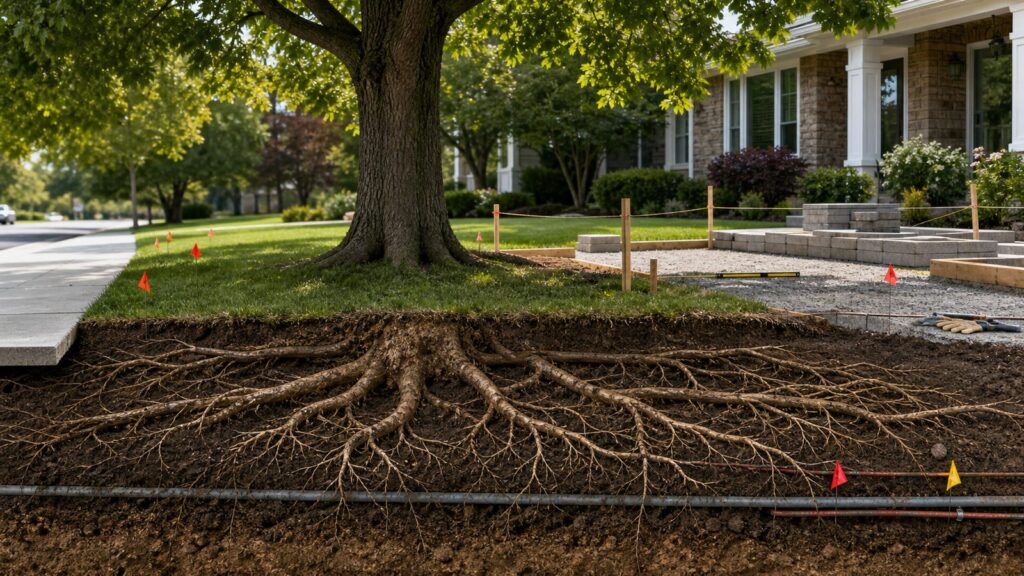
Most plant and tree roots spread wider than the average homeowner expects. They do not usually grow like a mirror image of the canopy, and they do not grow as deep as the plant is tall. For most trees, the working assumption should be this: the important roots are shallow, broad, and often far beyond the dripline.
On residential job sites, this matters because roots are not just a gardening issue. They affect patios, additions, sidewalks, irrigation, sewer lines, grading, trenching, drainage, and whether a mature tree survives after construction. A tree can look fine the day a driveway is poured, then decline over the next 1 to 5 years because its root zone was compacted, cut, buried, or dried out.
As an Amazon Associate I earn from qualifying purchases.
As a practical rule, most tree roots are in the top 6 to 24 inches of soil. Many absorbing roots sit even shallower, often in the upper 6 to 18 inches. Lateral spread commonly reaches 2 to 4 times the canopy diameter, and structural roots can extend more than 4 times beyond the dripline in favorable soil. That is why the root zone deserves planning before equipment arrives, not after damage shows up.
What the Root Zone Actually Means
The root zone is the volume of soil a plant uses for anchorage, water, oxygen, and nutrients. It is not one neat circle and it is not limited to the edge of the branches. Roots follow usable soil conditions: oxygen, moisture, loose texture, nutrients, and open pore space.
#1 Best Overall

- Trusted Since 2015: Become one of the many plant lovers who rely on the proven accuracy of XLUX. Established in 2015, our soil moisture meter has earned over 60,000+ verified ratings for its consistent performance. While many many newer brands come and go, we provide the long-term reliability and quality that American households have trusted for over a decade.
- Take the guesswork out of watering: While your eyes and fingers can only determine the moisture level of the soil surface, the XLUX meter tells you exactly what’s happening deep inside your pot or garden. Our high-sensitivity probe reaches the root zone where it matters most, requiring no batteries or charging—simply insert for an immediate, real-time reading to help your plants stay healthy and vibrant.
- Clear & Easy-to-Read Display: Perfect for beginners and expert gardeners alike. The large, color-coded dial features 10 distinct scales (Dry-Moist-Wet), making it incredibly simple to know exactly when to water. From lush Monsteras to tall Fiddle Leaf Figs, you’ll get the clarity you need at a single glance, ensuring every plant gets the precise care it deserves.
- Slim Single-Probe: Protects Delicate Roots: Protect your plants' health. Unlike bulky dual-probe testers or thick-diameter sensors that can tear and stress sensitive root systems, our sleek, slim-needle design slides smoothly into various soil types. It delivers reliable moisture data with minimal soil displacement, keeping your plants’ delicate roots safe and undisturbed while you monitor their hydration.
- Pristine Condition & Essential Care: To ensure you receive a factory-fresh instrument, each XLUX meter includes a custom anti-abrasion protective sleeve. This inner liner prevents micro-scratches during transit, maintaining the integrity of the 304 stainless steel probe. Usage Tips: 1. Soil Use Only (no liquids). 2. Temporary Test: Insert, read, and remove within 5 minutes. 3. Maintenance: Always wipe the probe clean and store it in its protective sleeve after use.
For homeowners, three terms are worth separating:
- Dripline: The outer edge of the canopy where rain would generally drip from the leaves. It is easy to see, but it is not the outer edge of the root system.
- Root zone: The broader area where roots are actively growing. For trees, this can extend well beyond the dripline.
- Critical root zone, or CRZ: The protection area used during construction or tree work. A common field formula is 1 foot of radius for every 1 inch of trunk diameter measured 4.5 feet above grade. Some local codes require 1.25 to 1.5 feet per inch, so check your city, county, HOA, or tree ordinance before trenching or grading.
Example: a 20-inch-diameter tree would typically need at least a 20-foot-radius CRZ. That means a protected circle about 40 feet across. If local rules require 1.5 feet per inch, that same tree may need a 30-foot-radius protection zone.
On our job sites, we mark this zone before demolition, excavation, material delivery, or equipment staging. Fencing after the skid steer has already compacted the soil is mostly a record of what went wrong.
How Far Different Roots Spread
Root depth and spread vary by species, soil, irrigation, compaction, and age. Still, there are useful working ranges for planning. The table below is not a substitute for an arborist report, but it is a good homeowner-level guide for deciding where work becomes risky.
Quick wins for a faster PC:
Scan for outdated or missing drivers - takes under a minuteDriver Scan →Clear out junk files and repair common Windows errorsFree Scan →| Plant Type | Typical Root Depth | Typical Lateral Spread | Risky Work Nearby |
|---|---|---|---|
| Lawn grasses | Often under 18 inches; tall fescue can reach 60 inches or more in unrestricted conditions | Dense root mass across the lawn area | Heavy equipment, repeated foot traffic, poor drainage, close mowing, overwatering, soil compaction |
| Perennials and annuals | Commonly 6 to 18 inches, depending on species | Usually near the plant crown to several feet outward | Shallow cultivation, edging, dry mulch beds, compacted planting strips |
| Vegetables | Shallow crops: 12 to 18 inches; medium: 18 to 24 inches; deep: 24 to 36+ inches | Usually 1 to 3 feet, more for vigorous crops | Small containers, compacted beds, inconsistent watering, raised beds with poor soil depth |
| Shrubs | Commonly 12 to 24 inches, with deeper roots possible in good soil | Often equal to or wider than mature canopy width | Foundation trenching, irrigation leaks, hard pruning followed by drought, regrading beds |
| Small ornamental trees | Mostly top 6 to 24 inches | Often 2 to 4 times canopy diameter at maturity | Sidewalk replacement, driveway widening, utility trenching, root cutting near the trunk |
| Large shade trees | Mostly top 6 to 24 inches; many absorbing roots in top 6 to 18 inches | Commonly 2 to 4 times canopy diameter; structural roots may extend more than 4 times the dripline | Additions, grade changes, excavation, soil compaction, paving, retaining walls, sewer replacement |
The shallow-root pattern surprises people, but it makes sense. Roots need oxygen. In many yards, oxygen is concentrated near the soil surface, especially in the upper 4 to 15 inches. Under good conditions, about 90% of woody plant roots may be in the upper 3 feet of soil, with a large share in the top foot.
Why Roots Grow Wide Instead of Deep
Roots grow where conditions support growth. The biggest drivers are oxygen, water, soil texture, compaction, drainage, fertility, species genetics, age, obstacles, and disturbance.
Oxygen controls depth
Roots respire. They need oxygen just like the above-ground parts of the plant need light. In compacted clay, poorly drained soil, or areas with a high water table, usable oxygen may only be available near the surface. That pushes roots outward instead of downward.
Water controls density
Roots do not think or aim at a foundation. They proliferate where moisture is available. A leaking irrigation line, cracked sewer lateral, downspout discharge, poorly drained foundation bed, or damp soil along the edge of pavement can create a rich root-growth zone.
Windows Errors? Fix Them Before They Spread
Repair common Windows errors and clear accumulated junk for a smoother, more stable PC - no reinstall needed.Free scan · no reinstallOutdated Drivers Are Slowing You Down
One free scan finds every outdated or missing driver and matches the right update for your exact hardware.Free scan · exact hardware matchThis is the reason roots often show up near pipes and slabs. They are not attacking concrete by intent. They are exploiting favorable conditions: moisture, loosened backfill, oxygen, and existing openings. Sound pipes and properly built foundations are less vulnerable than cracked, leaking, or poorly drained systems.
Soil structure controls spread
Loose, uncompacted soil with good pore space allows wider, healthier rooting. Compacted subsoil, construction fill, dense clay, and repeated vehicle traffic limit roots and push them into whatever easier soil remains. In new construction, roots often follow utility trenches, planting beds, irrigation corridors, and the softer soil at pavement edges.
Rank #2

- Accurate Soil Moisture Detection: The XLUX Soil Moisture Meter can tell you if the soil deep inside your pot or garden is dry, moist or wet; whereas your eyes and fingers can only determine the moisture level of the soil surface. The probe is 5.5 inches (14 cm) longer than regular styles, allowing it to measure the soil moisture at the bottom of larger and deeper flower pots.
- Easy-to-Read Large Dial: The large dial is easy to read and includes three zones with ten scales, making it very straightforward to understand.
- Immediate Moisture Reading: Insert the probe into the soil, and without waiting, the dial will immediately display the moisture level. You can then decide whether your plant needs watering based on the measurement. Do not leave this moisture meter in the soil for more than 5 minutes, as the metal tip will gradually corrode.
- Less Damage: A single probe causes less damage to plant roots compared to double or multiple probes, and when you remove the probe after testing, it won't bring out much soil.
- Usage Precautions: Do not use it to test very hard soil. Do not test water or other liquids. After testing, please wipe the probe clean.
Heat and pavement change moisture patterns
Sidewalks, driveways, patios, and streets warm the surrounding soil and shed water to their edges. Roots may concentrate beside pavement because that is where water, oxygen, and loosened soil collect. This is one reason sidewalk panels lift over time, especially where a large tree was planted in a narrow tree lawn without enough uncompacted soil volume.
How to Estimate a Tree’s Root Zone at Home
You can make a rough root-zone estimate in 5 minutes with a tape measure. It will not replace professional evaluation, but it will help you avoid obvious mistakes.
The Tool Desk
Outbyte Driver Updater FREEFix the driver behind crashes, sound loss and screen glitchesFind Drivers →Outbyte PC Repair FREERepair Windows errors before they cause bigger problemsFix Now →- Measure the trunk diameter at 4.5 feet above ground. This is commonly called DBH.
- Use 1 foot of radius per 1 inch of trunk diameter as the minimum critical root zone.
- Compare that circle to the canopy dripline. Protect at least the dripline area when possible, and remember many roots extend beyond it.
- Check local code before root pruning, trenching, sidewalk work, or removal. Some jurisdictions require permits for work near street trees or protected trees.
For a 12-inch tree, plan on at least a 12-foot radius from the trunk. For a 30-inch tree, plan on at least a 30-foot radius. If that area overlaps your planned patio, addition, utility trench, or driveway expansion, treat the tree as a construction constraint.
The closer work gets to the trunk, the higher the risk. Cutting a few small feeder roots at the outer edge of the root zone is not the same as cutting large structural roots within a few feet of the trunk. A root over 2 inches in diameter should not be cut casually. Near valuable trees, foundations, retaining walls, sidewalks, or utilities, we prefer air excavation before decisions are made. It exposes roots without tearing them apart with a trencher or excavator bucket.
Root Zones and Construction: Where Homeowners Get Burned
Most root damage during construction is not dramatic. It is usually ordinary job-site activity in the wrong place: parking trucks under a tree, stacking lumber over roots, scraping grade, trenching for drainage, or adding fill around the trunk.
Compaction
Compaction is one of the easiest ways to damage a root zone. Heavy equipment squeezes soil pores, reducing oxygen and water movement. Roots can suffocate even if none are visibly cut. A single pass from heavy machinery can compact wet soil; repeated staging can be worse.
Do these 3 things before closing this tab:
1Clear out junk files and repair common Windows errors2Fix the driver behind crashes, sound loss and screen glitches3Repair Windows errors before they cause bigger problemsProtection fencing should go up before equipment arrives. For high-value trees, the fenced area should follow the CRZ or the maximum practical protected area. Mulch can help protect surface soil, but mulch is not a license to drive over roots.
Trenching and utilities
Utility trenches, irrigation lines, sewer replacement, gas lines, and drainage work can sever roots across a long path. Before digging, call 811. In the United States, 811 is the standard utility locating system, and it should be used before excavation, even for smaller landscape projects.
Utility marking does not identify tree roots. It only helps locate buried utilities. If the trench crosses a major tree’s CRZ, use an arborist, air excavation, boring, or rerouting where practical.
Grading and fill
Lowering grade can remove absorbing roots. Raising grade can bury roots and reduce oxygen. Even a few inches of poorly placed fill can stress sensitive trees, especially if soil is compacted or piled against the trunk flare.
Rank #3

- Accurate Soil Moisture Detection: The XLUX Soil Moisture Meter can tell you if the soil deep inside your pot or garden is dry, moist or wet; whereas your eyes and fingers can only determine the moisture level of the soil surface. The probe is 5.5 inches (14 cm) longer than regular styles, allowing it to measure the soil moisture at the bottom of larger and deeper flower pots.
- Easy-to-Read Large Dial: The large dial is easy to read and includes three zones with ten scales, making it very straightforward to understand.
- Immediate Moisture Reading: Insert the probe into the soil, and without waiting, the dial will immediately display the moisture level. You can then decide whether your plant needs watering based on the measurement. Do not leave this moisture meter in the soil for more than 5 minutes, as the metal tip will gradually corrode.
- Less Damage: A single probe causes less damage to plant roots compared to double or multiple probes, and when you remove the probe after testing, it won't bring out much soil.
- Usage Precautions: Do not use it to test very hard soil. Do not test water or other liquids. After testing, please wipe the probe clean.
Never bury the root flare. The trunk should widen visibly where it meets the soil. If the trunk looks like a telephone pole going straight into mulch or soil, the tree may be planted too deep or buried.
Pavement and hardscape
Patios, walks, driveways, and slabs reduce water and oxygen exchange. They also increase heat and concentrate runoff along edges. Around mature trees, hardscape design should account for root location, future trunk growth, and drainage.
Where tree roots and sidewalks conflict, cutting roots is only one option, and often not the best one. Depending on site conditions, better choices may include ramping or bridging slabs, flexible pavement, rerouting the walk, selective root pruning by an arborist, Root barriers, or replacing the tree with a right-sized species when allowed.
Planting Distance: How Far From a House Should Trees Go?
The right distance depends on mature size, soil volume, foundation type, utilities, irrigation, and local rules. A small ornamental tree is different from a mature oak, maple, sycamore, or cottonwood.
As a conservative homeowner guide:
- Plant small trees at least 10 to 15 feet from the house when mature canopy spread allows it.
- Plant medium trees roughly 20 feet or more from the house.
- Plant large shade trees 30 to 50 feet or more from foundations, septic fields, sewer corridors, and major hardscape when the lot allows.
- Avoid large trees in narrow tree lawns, tight foundation beds, and small courtyards unless the species is specifically suited to restricted soil volume.
Spacing is not only about roots touching a foundation. It is about mature canopy clearance, root-zone volume, maintenance access, gutter debris, sidewalk conflicts, drainage, and future repair work.
When planting, dig a wide, shallow hole rather than a deep, narrow one. A common standard is 2 to 3 times wider than the root ball, with the root flare at or slightly above finished grade. The goal is to help roots move into surrounding soil, not sink the tree into a deep pocket that collects water and buries the trunk.
Watering the Root Zone the Right Way
Established trees should be watered across the broad root zone, not just at the trunk. Most feeder roots are shallow and spread wide, so a hose dripping beside the trunk misses much of the active system.
For established trees and shrubs, water slowly enough to wet the upper 12 to 18 inches of soil where many absorbing roots are active. Move the hose, soaker line, or sprinkler around the area under and beyond the canopy. In dry weather, deep, infrequent watering is usually better than daily shallow watering.
Free tools Windows power users keep installed
One-click scans. No signup required.
Mulch helps when used correctly. Apply 2 to 4 inches of organic mulch over the root zone, keeping it several inches away from the trunk. A wide mulch ring protects surface roots, moderates soil temperature, reduces mower damage, and improves soil structure as it breaks down.
Do not pile mulch against the trunk. Mulch volcanoes trap moisture against bark, hide the root flare, and create pest and decay problems.
Surface Roots in Lawns
Surface roots are common, especially with mature trees, shallow soil, compacted ground, erosion, and species that naturally root near the surface. The worst response is usually repeated mowing over exposed roots. That damages the roots, damages mower blades, and can create trip hazards.
Rank #4
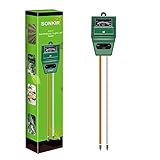
- Kindly NOTE: This soil tester can not be applied to test pH value of any other liquid. If the soil is too dry the indicator will not move, and water it before testing.
- 3 METERS IN ONE: Soil moisture level, Soil pH value and Sunlight level could be tested easily according to your need by switching the function button of this soil meter.
- NO BATTERY NEEDED: Simply insert the meter into soil, wait few minutes, accurate test results will be displayed on the readout panel. No battery is needed.
- STURDY AND SCIENTIFIC DESIGN: Reliable materials and upgraded technology used for this soil meter make it advanced and high-quality for long-term use.
- MULTIPURPOSE SOIL TEST KIT: Portable and compact design enables you to use this soil meter for house garden, farm, lawn and any other soil & plant analysis. Ideal for indoor and outdoor use.
Better options include expanding the mulch ring, planting shade-tolerant groundcovers, adjusting the lawn edge, or lightly topdressing only where appropriate. Do not add several inches of soil over exposed roots to force turf to grow. That can reduce oxygen and stress the tree.
What’s actually slowing this PC down?
Pick the symptom - the matching free tool is one click away.
Cutting surface roots can be risky. Roots close to the trunk may provide anchorage and major water movement. If a root is large, within the critical root zone, lifting a sidewalk, or near a foundation or utility, bring in an arborist before cutting.
Root Barriers, Pruning, and Stump Work: 2026 Cost Guide
Root work prices vary widely because every site is different. Soil, access, trench depth, utilities, hardscape removal, tree size, and arborist oversight all affect the final number. The table below gives realistic 2026 U.S. planning ranges.
| Work Item | Typical 2026 Cost Range | What Drives Cost |
|---|---|---|
| Small/simple root barrier | About $200 to $300 | Short trench, easy access, shallow barrier, limited hardscape |
| Root barrier by linear foot | About $15 to $30 per linear foot in some sandy-soil markets; $60 to $65 per linear foot in higher-cost contractor quotes | Depth, soil type, utilities, roots encountered, panel material, labor market |
| Larger root barrier project | About $1,500 to $4,000 | Long runs, 24- to 36-inch depth, hardscape removal, arborist involvement, difficult access |
| Stump grinding | About $100 to $600+ | Stump diameter, access, rocky or clay soil, cleanup, hauling |
| Full stump and root excavation | About $200 to $1,000+ | Root spread, depth, equipment access, restoration, disposal |
| Root complexity adders | Deep roots may add $150 to $350; wide surface roots may add $50 to $100 | Extra cutting, excavation time, difficult soil, cleanup |
| Lawn aeration for compacted root zones | About $75 to $206 per service; often $0.10 to $0.35 per sq. ft. | Lawn size, slope, soil condition, prep, overseeding |
| Root-related foundation or pipe repair | Minor cracks about $500 to $1,000; major foundation work can exceed $10,000; pipe replacement may run about $1,000 to $20,000 | Damage severity, access, excavation, structural repair, plumbing scope |
Root barriers can be useful, but they are not magic. They redirect roots. They do not eliminate the need for proper watering, adequate soil volume, drainage correction, and choosing the right plant for the available space.
High-density polyethylene panels or membranes are common. Barriers near slabs, sewer corridors, patios, and sidewalks are often 24 to 36 inches deep. Placement matters. A barrier installed too close to a trunk can harm the tree; a barrier installed after roots have already damaged a pipe or slab may not solve the underlying moisture or drainage issue.
When to DIY and When to Hire a Pro
Some root-zone work is reasonable for a careful homeowner. Some is not worth the risk.
Reasonable DIY work
- Expanding mulch rings with 2 to 4 inches of organic mulch.
- Watering the broad root zone during dry weather.
- Hand-weeding and light planting around small shrubs or young trees.
- Using a soil probe to check whether water is reaching 12 to 18 inches deep.
- Scheduling lawn aeration for compacted turf areas.
- Replacing struggling turf under trees with mulch or compatible groundcovers.
Hire a professional
- Cutting roots larger than about 2 inches in diameter.
- Work inside the critical root zone of a valuable mature tree.
- Excavation near foundations, retaining walls, sidewalks, sewer lines, or utilities.
- Installing deep root barriers.
- Diagnosing root-related foundation or pipe damage.
- Working on protected, street, heritage, or HOA-regulated trees.
- Any project where tree stability could be affected.
For construction, the best pro decision is often early planning. An arborist report, root mapping, or air excavation can cost less than redesigning a patio, repairing a heaved walk, or losing a mature tree after the project is finished.
Permits, Safety, and Utility Notes
Before digging, call 811. Do it for fences, irrigation, drainage, planting large trees, root barriers, deck footings, and utility trenches. Private lines such as irrigation, low-voltage lighting, pool lines, and some sewer laterals may not be covered by standard utility marking, so confirm what is and is not included.
Permits may be required for street tree root pruning, protected tree removal, work in the public right-of-way, sidewalk replacement, major grading, retaining walls, and utility work. Requirements vary by city and county. Some jurisdictions regulate root pruning because cutting roots can destabilize a public tree or shorten its life.
Recommended Free Tools
Best Value
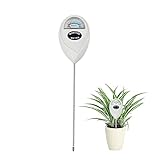
- 【SAVE YOUR PLANTS】: Over watering can cause problems with your plants or even kill them. This soil moisture meter helps you know the soil is dry, moist or wet.No more over watering!
- 【ACCURATE & FAST READING】: This plant moisture sensor can get accurate and fast reading of moisture level in the soil, just plunge the probe sensor into the soil to the plant root region and read the meter. No need to wait!
- 【NO BATTERY NEEDED】: The plant hygrometer is simple and easy to use, no battery or electricity needed. The meter probe can easily get down to the plant roots area and tell if you need to water or not.
- 【INDOOR OUTDOOR USE】: With 6.7 inch long probe sensor design, this soil moisture meter is suitable for both indoor and outdoor use. Great lifesaver for indoor outdoor plants and flowers, hanging flower baskets, potted plants,vegetable, grass watering,picky plants.
- 【GREAT SIZE & PORTABLE】: This soil meter is a great handy tool for home gardeners, plant lovers, beginners. Do not leave the soil moisture meter in the soil for long time or directly soak it into a cup of water that will ruin the device.
From a safety standpoint, do not trench blindly around large trees. Do not undercut retaining walls. Do not cut roots supporting a leaning tree. Do not assume a surface root is harmless because it is inconvenient. Roots are part of the structure.
The Practical Bottom Line
If you remember one thing, remember this: roots are usually shallow, wide, and opportunistic. For trees, expect most roots in the top 6 to 24 inches and plan for a spread that can reach 2 to 4 times the canopy diameter, sometimes more. For construction, irrigation, hardscape, and planting, the root zone is part of the build site.
Good root-zone management is not complicated, but it has to happen early. Match the mature plant to the available soil volume. Water the broad root area, not just the trunk. Keep equipment and materials out of the critical root zone. Use mulch instead of fighting surface roots with turf. Bring in an arborist before cutting large roots or excavating near valuable trees.
That approach prevents the expensive problems: cracked pavement, damaged pipes, unstable trees, declining shade, failed lawns, and change orders that could have been avoided with a tape measure and a root-zone plan.
Do these 3 things before closing this tab:
1Fix the driver behind crashes, sound loss and screen glitches2Repair Windows errors before they cause bigger problems3Scan for outdated or missing drivers - takes under a minuteFrequently Asked Questions
How far do tree roots spread beyond the dripline?
Many tree roots extend well beyond the dripline. A practical planning range is 2 to 4 times the canopy diameter, with some structural roots extending more than 4 times beyond the dripline in favorable soil.
How deep do most tree roots grow?
Most tree roots are shallow. Many absorbing roots are in the upper 6 to 18 inches, and most tree roots are commonly found in the top 6 to 24 inches of soil because oxygen is more available near the surface.
Can tree roots damage a foundation?
Tree roots usually exploit existing weaknesses rather than intentionally attacking foundations. Moisture, cracks, loose backfill, poor drainage, and leaking pipes create favorable conditions where roots can proliferate.
Is it safe to cut surface tree roots in my lawn?
Small roots far from the trunk may be low risk, but large roots or roots inside the critical root zone should not be cut casually. Roots larger than about 2 inches, roots near the trunk, and roots near sidewalks, foundations, or utilities should be evaluated by a professional.
How much does a root barrier cost in 2026?
Small root barriers may cost about $200 to $300, while larger projects often run $1,500 to $4,000. Linear-foot pricing can range from about $15 to $30 per foot in some markets to $60 to $65 per foot in higher-cost installations.
What is the difference between dripline, root zone, and critical root zone?
The dripline is the visible edge of the canopy. The root zone is the broader area where roots grow, often beyond the canopy. The critical root zone is the protected construction area, commonly estimated as 1 foot of radius per inch of trunk diameter measured 4.5 feet above grade.
Quick Recap
Product prices and availability are accurate as of the date/time indicated and are subject to change. Any price and availability information displayed on Amazon at the time of purchase will apply.

