Free tools Windows power users keep installed
One-click scans. No signup required.
For the best fall display, pinch established garden mums in spring and early summer while they are making leafy growth. When shoots reach about 4–10 inches, remove the growing tips to encourage side branches, repeat once or twice if needed, and stop before flower buds form. Fall cutting is a separate decision based on whether the plant is a hardy garden mum, florist mum, or specialist chrysanthemum and how severe or wet your winter is.
The short answer
For the best fall display, do most of your cutting back in spring and early summer, not as a severe autumn prune. When new mum growth is about 4 to 10 inches tall, remove the growing tips to encourage branching. Repeat the pinch once or twice as the plant grows, then stop by the locally recommended final-pinch date—often late June or early July in many U.S. gardens, although the correct timing varies by cultivar and climate.
As an Amazon Associate I earn from qualifying purchases.
After flowering, remove faded flower heads to keep the plant tidy. Treat the old stems separately: hardy garden mums may benefit from keeping their stems through winter and cutting them back after new growth appears in spring, while some chrysanthemums are cut to about 8 inches after flowering and protected or stored for winter. The right fall treatment depends on the type of mum, drainage, and local winter conditions.
Why pinching produces more mum flowers
A mum naturally grows upward from a terminal, or main, growing tip. If that tip is left alone, the plant may produce a few tall stems that become leggy or floppy. Removing the terminal tip releases dormant side buds lower on the stem. Those buds develop into lateral branches, creating a shorter, fuller plant with more potential flowering points.
#1 Best Overall

- CLEAN CUTS FOR LIVE GROWTH: Bypass blade design is ideal for pruning delicate flower stems and green growth, helping reduce crushing and plant damage while cutting stems and small branches up to 5/8” in diameter
- BLADES STAY SHARP: Precision-ground steel blades are engineered to stay sharp through heavy use, & all-steel construction provides lasting durability, delivering consistent cutting performance for regular garden maintenance & detailed pruning tasks
- SMART BLADE FEATURES: Blade coating helps reduce friction for smoother cuts, minimizes sap buildup & gumming, and enhances resistance to rust for longer-lasting performance in outdoor conditions; sap groove keeps the blades from sticking during use
- COMFORTABLE, CONTROLLED GRIP: Ergonomic, non‑slip handle enhances control and reduces hand fatigue during repetitive cuts; easy‑open safety lock secures the blade for safe transport and compact storage
- INCLUDES: (1) Fiskars Bypass Pruning Shears designed for everyday gardening and plant care and backed by a Lifetime Warranty. Product care tips: Wipe pruners clean after each use to prevent sap build-up and lightly oil blade for longer product life
Pinching generally favors more flowers overall, though individual blooms may be smaller. This is the opposite of disbudding, a specialist technique used to remove side buds so the plant puts its energy into fewer, larger flowers.
When to cut back mums
| Time of year | What to do | Why it matters |
|---|---|---|
| Early spring | Remove clearly dead or damaged stems after new shoots appear. | Reveals healthy growth and improves air movement without removing useful winter protection too early. |
| Late spring | Pinch the growing tips when shoots are approximately 4–10 inches tall. | Encourages side branching and a compact shape. |
| Early to midsummer | Repeat the pinch after another flush of growth, if the plant needs more shaping. | Builds additional flowering stems. |
| By the local final-pinch date | Stop cutting once flower buds begin forming or the recommended deadline arrives. | Gives the plant time to recover and set buds for its normal bloom period. |
| During flowering | Remove faded flower heads. | Maintains a tidy display and may extend the ornamental period. |
| After flowering | Choose a winter cleanup method based on mum type and climate. | Standing stems can protect hardy plants, while other plants may need cutting back and shelter. |
Step 1: Remove old growth when spring growth starts
If you are growing an established hardy garden mum outdoors, do not automatically cut every stem to the ground in autumn. In many gardens, the old stems help protect the crown from winter exposure, especially during cold or changeable weather.
Wait until spring shoots emerge from the crown. Then inspect the plant and remove the brown, brittle material that is clearly dead. Cut out damaged or diseased stems as well. Leave any living stems that are producing healthy leaves; spring cleanup is not the same as cutting the entire plant back.
Removing the old material once new growth is visible makes it easier to see the plant’s shape and allows better air circulation around the crown. Dispose of diseased cuttings rather than adding them to compost unless your composting system is designed to destroy plant pathogens.
Step 2: Find the growing tip
The part to remove is the soft, leafy tip at the end of each actively growing stem. Look for the newest cluster of leaves at the top. The terminal tip may be only a fraction of an inch long on a young shoot, or several inches long on a vigorous stem.
Pinching does not mean cutting the whole plant to a uniform height. It means removing the end of each selected stem while leaving healthy leaves or side buds below the cut. Those lower buds are what produce the new branches.
Rank #2

- LONG-LASTING SHARPNESS: Japanese SK5 bypass blade with titanium coating is tested through 5,000 cuts to maintain a sharp edge and deliver clean, consistent cuts on live stems and branches
- BUILT FOR 5X DURABILITY: Heavy-duty 3-layer titanium-coated SK5 blade resists wear and corrosion, while anodized aluminum handles and high-hardness screws reinforce the pruner. Repeated cutting tests show up to 5X the durability of standard pruners
- POWERFUL 4X LEVER CUTTING: The optimized lever-action design multiplies cutting force up to 4X, making thicker branches easier to prune with less hand effort. Cuts branches up to 3/4" with smooth, controlled power for everyday garden pruning
- ARTHRITIS & SENIORS FRIENDLY: Ergonomic non-slip rubber handles cushion pressure and provide a secure, comfortable grip, helping reduce hand and wrist fatigue. A comfortable hand pruner for seniors, arthritis and longer pruning sessions
- ONE-HAND SAFETY LOCK: The easy-access safety lock opens and closes with one hand for faster trimming, then securely holds the blades closed for safer carrying and storage
Step 3: Make the first pinch at the right size
Begin when the new shoots are roughly 4 to 10 inches tall. The lower end of that range may suit a smaller cultivar or a plant that is already branching well. A vigorous, tall-growing mum may be allowed to reach closer to 8–10 inches before the first pinch.
Recommended Free Tools
Remove approximately 1/2 to 1 inch of tender tip growth when only a small correction is needed. On longer, more vigorous shoots, removing about 2 to 3 inches can provide more substantial shaping. The cut should be made just above a healthy set of leaves or a lateral bud.
Use your fingers for soft, tender tips. For a mature plant with many stems, clean bypass pruning shears make repeated cuts faster and cleaner. Bypass-style blades are intended for green, living growth. Shears are optional, however; you do not need specialized equipment for a few young shoots.
Step 4: Repeat the pinch while the plant is vegetative
After the first pinch, each stem should produce side shoots. Allow those shoots to grow, then pinch again if the plant remains too open, tall, or uneven. A practical home-garden schedule is:
- First pinch: when spring growth reaches approximately 4–10 inches.
- Second pinch: after the next strong flush of growth, often around the summer solstice or near the end of June.
- Optional additional pinch: only if the plant needs more shaping and has not started forming flower buds.
Some growing guidance recommends pinching every four to six weeks until buds begin to appear. Other schedules use a first pinch at 8–10 inches, a second pinch around the summer solstice, and a final pinch by about July 4. These are useful frameworks, not universal rules.
The Tool Desk
Outbyte Driver Updater FREEFix the driver behind crashes, sound loss and screen glitchesFind Drivers →Outbyte PC Repair FREERepair Windows errors before they cause bigger problemsFix Now →Pinch evenly around the plant rather than stripping only the tallest side. Uneven cutting creates an unbalanced canopy, and the resulting flowers may develop at different heights or appear irregularly spaced.
When to stop pinching mums
Stop before the plant is committed to flowering. In many U.S. gardens, the final pinch is made by late June or early July. Some cultivars and warmer or cooler regions require a different date, and specialist chrysanthemum schedules may place the final pinch in mid-July or later.
Rank #3

- Drop-forged construction delivers exceptional durability and sturdiness for long-term heavy garden use.
- Premium SK-5 steel blade with titanium coating and ultra-fine polishing ensures sharpness, rust resistance, and smooth cutting.
- Ergonomic non-slip aluminum handles wrapped with PVC offer lightweight strength, comfort, and reduced hand fatigue.
- Built-in sap groove effectively channels away sap to prevent sticking and keep blades clean during pruning.
- Capable of cutting branches up to 3/4 inch in diameter, ideal for live plants, stems, and light woody pruning tasks.
The most reliable rule is to follow the recommended final-pinch date for your cultivar and region, then stop when flower buds begin to form. Do not continue cutting simply because the plant is still getting taller.
Mums respond to long, uninterrupted nights—often described as short-day plants, although the flowering trigger is the lengthening period of darkness. A late pinch can delay flowering because the plant must regrow before it can complete its fall display. Outdoor lights, security lighting, and bright porch lights near the plant can also interfere with flower initiation by interrupting the dark period.
Practical test: If you can see distinct flower buds at the ends of the stems, stop formative pinching. Switch to watering, feeding as appropriate for your growing system, support if needed, and deadheading once flowers fade.
Deadheading is different from cutting back
Deadheading removes spent flowers after blooming. Pinching removes actively growing tips earlier in the season to create branches. They are not interchangeable.
When a flower fades, cut or pinch off the flower head just below the spent bloom, or cut back to a healthy leaf or side shoot. Remove faded flowers regularly if you want a cleaner appearance and the cultivar continues producing ornamental blooms.
Do not use deadheading as an excuse to shear the entire plant in fall. Once flowering has finished, the question becomes winter management rather than flower production.
Rank #4
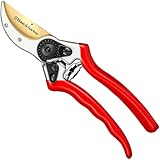
- Sharp, Clean Cuts Every Time – Engineered from Japanese grade, high-carbon steel, ClassicPRO bypass pruning shears for gardening stay sharp and make precise cuts that encourage healthy growth and won’t damage your plants
- No More Hand Fatigue and Wrist Strain – ClassicPRO gardening shears are designed with an ergonomic handle, non-slip grips, and shock-absorbing pads, making them lightweight and comfortable for smaller hands, seniors, and arthritis sufferers
- Rust and Corrosion Resistant – Tired of garden shears that rust after just a few uses? Our heavy duty pruning shears are constructed from anodized aluminum with titanium-coated blades to reduce friction and protect against rust and corrosion
- One Gardening Pruner, Many Uses - Preferred by professional landscapers and master gardeners, ClassicPRO clippers for gardening are adjustable general-purpose secateurs and branch cutters to trim trees, plants, and indoor flowers up to 1” thick
- Designed to Last Season After Season – Tired of cheap, low-quality hand pruners for gardening? Our heavy duty handheld garden clippers are designed for durability and longevity so you always have reliable shears
What to do with mums after flowering
There is no single fall-pruning rule that applies to every chrysanthemum. First determine what you have:
Established hardy garden mums
For hardy garden mums planted in the landscape, leaving the old stems in place through winter is often the safer approach. The stems can provide some protection from cold, wind, and rapid temperature changes. Cut them back after new growth begins in spring, removing the dead material above the emerging shoots.
In areas with severe winters or frequent freeze-thaw cycles, apply suitable mulch after the ground freezes. Do not use mulch to compensate for poor drainage, and avoid creating persistently wet conditions around the crown.
Chrysanthemums in severe-winter climates
Some chrysanthemums are managed by cutting them to approximately 20 cm, or 8 inches, after late-autumn flowering. They may then be lifted and stored in a cool, frost-free location. This approach is more relevant to plants that are not reliably hardy in the local ground or to gardeners following a protected overwintering system.
PC Slower Than It Used to Be?
A free scan shows the junk files, broken settings and background clutter dragging Windows down - then fixes them in one click.Free scan · Windows 10 & 11Crashes, No Sound, or Screen Glitches?
Random freezes, missing sound and display glitches usually trace back to one bad driver. Find and replace yours safely.Free scan · under a minuteFlorist pot mums
A florist mum purchased for seasonal decoration is not automatically equivalent to an established hardy garden cultivar. Its winter survival depends on the variety, how it was produced, the planting date, and local conditions. If you want to plant it outdoors, give it well-drained soil and do not assume that a fall haircut will make it hardy.
Wet or poorly drained sites
Winter wet can damage chrysanthemum crowns even where temperatures are moderate. Improve drainage before relying on mulch or overwintering techniques. A plant in waterlogged soil may fail regardless of whether its stems are left long or cut short.
Best Value

- · ULTRA-SHARP SK5 STAINLESS STEEL - Engineered with premium SK5 stainless steel, these heavy duty pruning shears deliver razor-sharp precision and maximum hardness. The rust-resistant blades are designed to stay sharp longer, effortlessly resisting corrosion and sap buildup for smooth, friction-free garden shears performance year after year.
- · CLEAN CUTS FOR 1 INCH THICK BRANCHES - Say goodbye to crushed stems and ragged bark. Our professional bypass pruning shears slice through thick branches up to 1 inch like butter(as the videoes show). By ensuring perfectly clean cuts without leaving debris, it helps your roses, fruit trees, and indoor plants heal faster and stay healthy.
- · ERGONOMIC COMFORT FOR ARTHRITIS & WEAK HANDS - No more hand fatigue or wrist strain! Featuring a non-slip SoftGrip handle with premium cushioning, these garden clippers absorb pressure with every cut. It is the ultimate arthritis friendly hand pruner for seniors or anyone with limited hand strength to enjoy yard work pain-free.
- · 100% LEFT-HANDED FRIENDLY & SAFETY LOCK - Unlike standard garden scissors that flop and crush stems when used left-handed, our uniquely balanced hand pruners work flawlessly for both right and left-handed users. Equipped with a secure, easy-to-operate safety lock to protect your fingers and ensure safe storage.
- · HIGH-VISIBILITY RED & LIFETIME WARRANTY - Never lose your tools in the grass again! The vibrant high-visibility red handle makes these plant shears pop instantly in any backyard setting. We stand behind our industrial-grade quality—enjoy 100% risk-free shopping backed by our ironclad Lifetime Warranty. Perfect gardening gifts for women and men!
Common mistakes when cutting back mums
- Pinching after buds form: Late cuts can delay bloom and reduce the quality of the fall display.
- Using July 4 as an absolute rule: The date is a convenient reminder in some U.S. gardening schedules, not a guarantee for every region or cultivar.
- Removing only one side: Pinch around the entire plant for a balanced canopy.
- Cutting every stem to the ground in autumn: This can remove useful winter protection from hardy garden mums.
- Assuming every mum is hardy: Florist pot mums and specialist varieties may need different winter treatment.
- Working with dirty or dull tools: Clean, sharp cutting tools make less damaging cuts. Disinfect tools between plants when disease is suspected.
- Leaving diseased debris at the crown: Remove infected material from the planting area rather than spreading it through compost.
- Ignoring night lighting: Continuous light can interrupt the dark period mums need to initiate flowers.
- Overlooking drainage: Cold, wet soil is a major overwintering risk.
A simple mum-pruning checklist
- Identify whether the plant is a hardy garden mum, florist mum, or specialist chrysanthemum.
- In spring, wait for new shoots before removing old stems.
- When shoots reach about 4–10 inches, remove the terminal tips.
- Cut above healthy leaves or lateral buds.
- Repeat after new growth develops if the plant needs more branching.
- Stop by the local final-pinch date or as soon as flower buds begin forming.
- Deadhead faded flowers during bloom.
- After flowering, choose a winter method based on hardiness, drainage, and climate—not a universal calendar rule.
Frequently asked questions
Should I cut mums back after they bloom?
Sometimes. Hardy garden mums can often be left standing through winter and cut back after new spring growth appears. Other chrysanthemums may be reduced to about 8 inches after late-autumn flowering and overwintered in a cool, frost-free place. The best choice depends on the plant and climate.
How far back should I pinch mums?
Remove the tender growing tip while leaving healthy leaves or side buds below it. That may mean about 1/2–1 inch on a small shoot or approximately 2–3 inches on a taller, vigorous stem. The objective is branching, not severe reduction.
Can I cut mums back in July?
Only if the timing is still appropriate for the cultivar and region. A final pinch around late June or early July is common in U.S. home-garden guidance, but a late cut after buds appear may postpone flowering. Use the plant’s development and local recommendations rather than the calendar alone.
Will cutting mums make the flowers bigger?
Pinching usually creates more flowering stems and more blooms, but individual flowers may be smaller. To produce fewer, larger exhibition-style blooms, growers use disbudding rather than repeated formative pinching.
Frequently Asked Questions
Should I cut mums back after they bloom?
Sometimes. Hardy garden mums can often be left standing through winter and cut back after new spring growth appears. Other chrysanthemums may be reduced to about 8 inches after late-autumn flowering and overwintered in a cool, frost-free place. The best choice depends on the plant and climate.
How far back should I pinch mums?
Remove the tender growing tip while leaving healthy leaves or side buds below it. That may mean about 1/2–1 inch on a small shoot or approximately 2–3 inches on a taller, vigorous stem. The objective is branching, not severe reduction.
Quick wins for a faster PC:
Repair Windows errors before they cause bigger problemsFix Now →Fix the driver behind crashes, sound loss and screen glitchesFind Drivers →Can I cut mums back in July?
Only if the timing is still appropriate for the cultivar and region. A final pinch around late June or early July is common in U.S. home-garden guidance, but a late cut after buds appear may postpone flowering. Use the plant’s development and local recommendations rather than the calendar alone.
Will cutting mums make the flowers bigger?
Pinching usually creates more flowering stems and more blooms, but individual flowers may be smaller. To produce fewer, larger exhibition-style blooms, growers use disbudding rather than repeated formative pinching.
The Bottom Line
Pinch mums in spring and early summer for branching, stop before buds form, deadhead during bloom, and treat fall cleanup according to the plant’s hardiness and winter conditions.
Quick Recap
Product prices and availability are accurate as of the date/time indicated and are subject to change. Any price and availability information displayed on Amazon at the time of purchase will apply.
Do these 3 things before closing this tab:
1Fix the driver behind crashes, sound loss and screen glitches2Repair Windows errors before they cause bigger problems3Scan for outdated or missing drivers - takes under a minute
