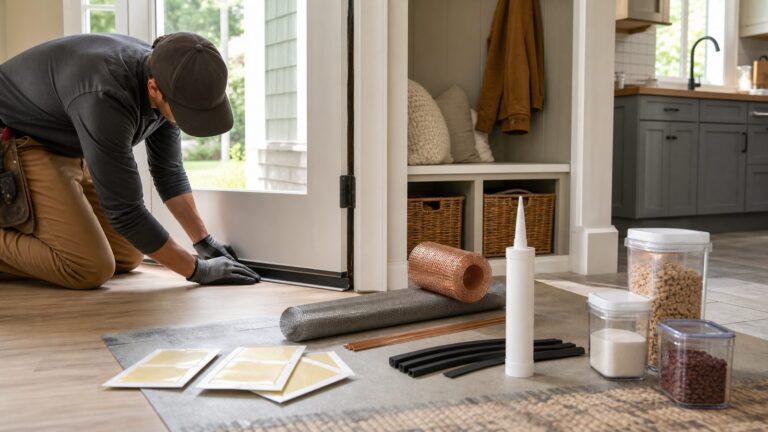
The most reliable spider-control measures are usually building maintenance and habitat reduction—not scented sprays. Vacuum webs and egg sacs, seal cracks and gaps, repair screens, install door sweeps, reduce clutter and insect prey, and use sticky traps to find activity hotspots. Store-bought pesticides are a secondary, label-dependent option.
What actually works against spiders
The most dependable way to reduce spiders is not to fill a room with a scented spray. Start with the building itself: remove webs and egg sacs, vacuum regularly, seal cracks and gaps, repair screens, fit door sweeps, reduce clutter, and limit the insects that provide spiders with food. Sticky traps can help you locate activity and capture wandering spiders. Labeled pesticides are a secondary option for specific situations—not a substitute for exclusion and sanitation.
That distinction matters because “spider repellent” is used broadly in retail marketing. A product intended to prevent, destroy, repel, or mitigate a pest is generally regulated as a pesticide in the United States unless an exemption applies. “Natural,” “plant-based,” “non-toxic,” and “pet-safe” are not, by themselves, proof that a product works or that it has been evaluated for the use you have in mind.
1. Begin with cleaning and removal
Vacuum or sweep visible webs, spiders, and egg sacs, paying particular attention to corners, closets, basements, garages, behind furniture, and other quiet areas. A vacuum is useful because it removes both the spider and the web material rather than simply disturbing it.
Quick wins for a faster PC:
Clear out junk files and repair common Windows errorsFree Scan →Scan for outdated or missing drivers - takes under a minuteDriver Scan →Repair Windows errors before they cause bigger problemsFix Now →As an Amazon Associate I earn from qualifying purchases.
Empty the vacuum contents in a way that prevents escape when appropriate. If you use a bagless vacuum, do not leave captured material sitting indoors. Dispose of it according to the vacuum manufacturer’s instructions and local waste rules.
Regular cleaning is more useful than a one-time treatment. Revisit areas where webs return, then look for the reason spiders are using that location: a gap to the outside, a sheltered void, excess clutter, or a concentration of insects.
#1 Best Overall
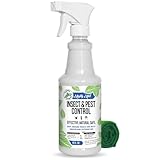
- Pet-Friendly & Family-Safe Formula – Mighty Mint is a top pick for pet parents looking for a natural pest control solution. Safe to use around dogs, cats, and kids when applied as directed—no harsh fumes or dangerous chemicals, just powerful peppermint protection you can trust.
- Powerful Plant-Based Pest Control – Formulated with extra-concentrated peppermint oil, this spray is a proven deterrent for spiders, ants, roaches, and more.
- Effective Indoor & Outdoor Use – Designed for versatile application on baseboards, entryways, patios, and other areas. Helps repel insects from kitchens, bathrooms, living spaces, and more—without staining surfaces.
- Fresh Minty Scent With Long-Lasting Effect – Infused with pure peppermint oil, this formula leaves a crisp, clean aroma that lingers without overwhelming. Free from synthetic fragrances and common allergens, making it a gentle option for scent-sensitive households.
- Ready-To-Use 16 Oz Spray For Targeted Application – Perfect for quick treatments in high-traffic areas, this 16 oz bottle delivers fast, focused pest control against spiders, ants, and other common insects. Pre-mixed and easy to use—just spray and go for natural protection wherever it’s needed most.
2. Seal the routes spiders use to enter
Spider control is often a building-maintenance problem. Inspect the foundation, siding transitions, window frames, doors, utility penetrations, vents, and areas where different construction materials meet. Pay special attention to low-light corners and openings near exterior lighting.
Windows Errors? Fix Them Before They Spread
Repair common Windows errors and clear accumulated junk for a smoother, more stable PC - no reinstall needed.Free scan · no reinstallOutdated Drivers Are Slowing You Down
One free scan finds every outdated or missing driver and matches the right update for your exact hardware.Free scan · exact hardware match- Caulk cracks and crevices in the foundation and around stationary penetrations.
- Repair torn window and door screens.
- Install or replace door sweeps where daylight or drafts are visible below exterior doors.
- Use weather stripping around exterior doors and windows when the seal is worn.
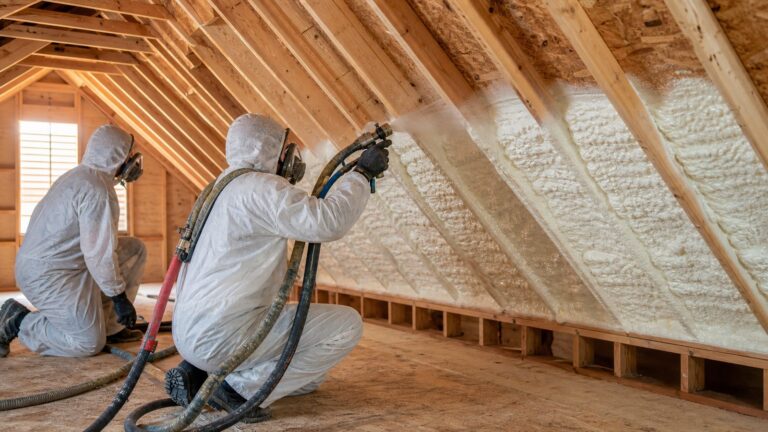
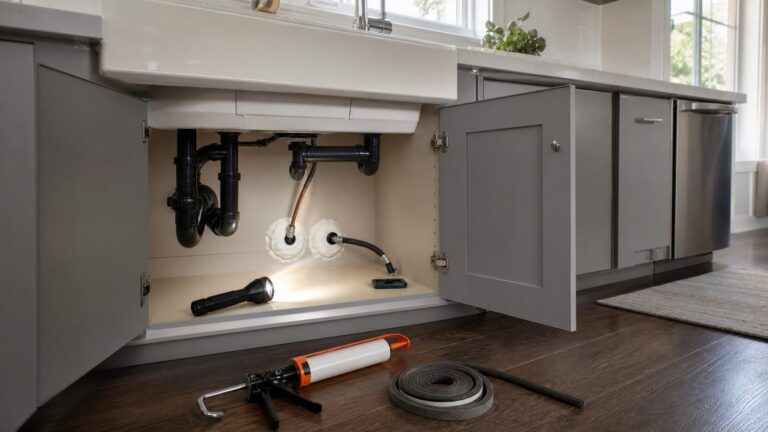
- Close unnecessary gaps around pipes, cables, vents, and other service entries using materials appropriate for the location.
For a construction or maintenance project, silicone caulk for foundation cracks is a prevention material, not a chemical repellent. Choose a product suitable for the substrate and exterior exposure, and prepare the surface as directed. Large structural cracks, water intrusion, or movement at a joint may require assessment and repair beyond simply applying caulk.
Likewise, a door sweep for spider prevention works by closing an entry gap. Measure the door and threshold first, and make sure the sweep does not interfere with safe door operation or drainage.
A window screen repair kit can address small holes and loose screen sections. Replace severely damaged screens or frames rather than relying on a patch that will not stay sealed.
3. Reduce shelter and the insects spiders eat
Spiders tend to remain where conditions provide shelter and prey. Indoor clutter gives them undisturbed hiding places, while outdoor debris close to the building can create habitat immediately beside the walls.
Move firewood, lumber, rocks, brush, compost, and similar materials away from the structure where practical. Keep vegetation from pressing against walls and maintain the exterior so that debris does not accumulate at the foundation. Indoors, reduce piles of stored materials in basements, garages, crawlspaces, attics, closets, and utility rooms.
Also address insect activity. Flies, moths, beetles, and other insects can support spider populations. Repair screens, keep doors closed, correct moisture problems, store food properly, and deal with an underlying insect infestation rather than repeatedly spraying for spiders alone.
Exterior lighting can contribute to the problem. Bright lights attract flying insects, which may then attract spiders to nearby walls, eaves, doors, and windows. Where safety permits, reduce unnecessary lighting, use timers or motion controls, and consider lighting choices that are less attractive to insects. Do not remove lighting needed for safe entry, stairs, or security without providing an appropriate alternative.
Rank #2

- 🐾【𝐏𝐄𝐓 𝐒𝐀𝐅𝐄 𝐀𝐍𝐃 𝐅𝐀𝐌𝐈𝐋𝐘 𝐅𝐑𝐈𝐄𝐍𝐃𝐋𝐘】Formulated with natural peppermint oil, this plant-based spray is safe to use around pets and family when used as directed. It offers a gentle yet effective alternative to harsh with no strong fumes—giving you peace of mind for reliable indoor home defense
- 🛡️【𝐄𝐗𝐓𝐑𝐀 𝐒𝐓𝐑𝐄𝐍𝐆𝐓𝐇 𝐁𝐔𝐆 𝐂𝐎𝐍𝐓𝐑𝐎𝐋】Powered by the natural potency of peppermint essential oil, this formula delivers robust protection against pests. Proven to effectively repel and control spiders, ants and roaches, providing a strong plant-based barrier for your home
- 🏡【𝐈𝐍𝐃𝐎𝐎𝐑 𝐀𝐍𝐃 𝐎𝐔𝐓𝐃𝐎𝐎𝐑 𝐏𝐑𝐎𝐓𝐄𝐂𝐓𝐈𝐎𝐍】Designed for versatile use, this spray effectively defends your living spaces. Perfect for applying around baseboards, entryways, kitchens, patios, and garages. The non-staining formula leaves no residue, keeping your home clean and protected
- 🌿【𝐅𝐑𝐄𝐒𝐇 𝐏𝐄𝐏𝐏𝐄𝐑𝐌𝐈𝐍𝐓 𝐒𝐂𝐄𝐍𝐓】Infused with natural peppermint oil, this spray leaves a crisp, clean aroma that freshens your home. The ready-to-use formula requires no mixing—simply spray to repel pests without the harsh fumes found in traditional insecticides
- ✔【𝟏𝟔 𝐎𝐙 𝐄𝐀𝐒𝐘-𝐒𝐏𝐑𝐀𝐘 𝐁𝐎𝐓𝐓𝐋𝐄】Designed for smooth and controlled spraying, this 16 oz bottle makes routine pest prevention simple and efficient. Easy to handle and ideal for regular use around your home and outdoor spaces
Are peppermint oil, eucalyptus, vinegar, or chestnuts effective?
These remedies are frequently described online as spider repellents, but the available research in this guide does not establish dependable, long-lasting performance for peppermint oil, eucalyptus oil, vinegar, chestnuts, or similar household substances. They may be discussed as personal-preference approaches, but they should not be presented as proven barriers or as a replacement for sealing and cleaning.
Essential oils can also irritate skin and airways, damage some finishes, and create hazards for children or animals if misused. “Natural” does not mean harmless, and a product’s ingredients do not tell you whether it works in a particular room, climate, or building.
In the United States, the Environmental Protection Agency treats products intended to prevent, destroy, repel, or mitigate pests as pesticides unless an exemption applies. Some products may qualify for the FIFRA minimum-risk exemption, commonly associated with certain eligible ingredients, but that exemption is conditional. It involves ingredient, labeling, and claim requirements, does not permit false or misleading claims, and does not automatically remove state requirements.
Do not infer that a bottle is EPA-approved for spider control merely because it says “plant-based,” “non-toxic,” or “pet-safe.” Read the label and check the requirements that apply where you live.
Store-bought options that have a practical role
Sticky traps: useful for monitoring and targeted capture
Spider sticky traps are one of the more defensible store-bought options because extension guidance supports their use for monitoring and capturing wandering spiders. Place them along baseboards, in corners, closets, behind furniture, near storage areas, or along suspected travel routes.
The Tool Desk
Outbyte PC Repair FREEClear out junk files and repair common Windows errorsFree Scan →Outbyte Driver Updater FREEFix the driver behind crashes, sound loss and screen glitchesFind Drivers →Use the results diagnostically. Several catches in one corner may indicate a gap, cluttered void, moisture issue, or concentration of prey insects nearby. Move your inspection and exclusion work to that hotspot rather than scattering traps without investigating.
Rank #3
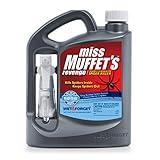
- Kills spiders and creates a barrier inside and outside the home to keep them away for up to 12 months with just one application
- Attached sprayer for quick and easy application with a spray range of up to 10 feet for those hard to reach places
- Treat all areas were spiders are found, spray until wet but not soaking and for long lasting results leave spray undisturbed
- Apply in calm weather where rain is not expected for 24hrs and allow to dry completely before entering treated area
- Miss Muffet's Revenge has unlimited shelf life, is ready to use, and especially formulated for all spiders except Black Widow and Brown Recluse
Sticky traps do not seal the house, eliminate insects, or demonstrate that a scented spray works. They also can capture non-target animals. Keep them inaccessible to children and pets, inspect them regularly, and follow the product’s disposal instructions. If you are uncomfortable using glue traps, a container-and-card method or a long-handled catcher may be preferable for an occasional visible spider.
long-handle spider catchers
A long-handle spider catcher can help someone remove an occasional spider without touching it or spraying indoors. A cup or container and a stiff piece of card can serve the same basic purpose when it is safe to approach the spider.
There is no basis here for claiming that a particular commercial catcher is more effective than those simple methods. Do not attempt close handling when the spider may be medically important or when identification is uncertain. Use gloves when moving stored materials, and do not place your hands into dark cracks, boxes, woodpiles, or other concealed spaces.
Chemical sprays and dusts
A targeted residual insecticide may have a role at sites where spiders breed or travel, but pesticides alone usually perform poorly when entry points, shelter, and prey remain. Product labels differ substantially, so the active ingredient or a “barrier” slogan is not enough to determine whether a product is appropriate.
Before buying or applying a pesticide, confirm all of the following:
- The label names spiders as a target pest.
- The intended site—indoor room, foundation, exterior wall, crawlspace, garage, or another location—is permitted.
- The application rate, equipment, ventilation, drying time, and re-entry instructions are clear.
- The label explains restrictions involving children, pets, food-contact surfaces, aquariums, drains, water, and wildlife.
- You can apply it precisely without contaminating surfaces, belongings, or areas where people and animals spend time.
Follow the entire label, not just the directions on the front of the package. Registered products may carry different indoor and outdoor uses depending on their formulation and label. Pyrethrin and pyrethroid products also have residential risk-management and environmental-labeling considerations; no chemical active ingredient should be treated as universally best without evaluating the exact registered product and use site.
Do not make total-release foggers the default spider solution. Extension guidance indicates that foggers may have little effect against spiders, while creating avoidable exposure and fire or ventilation concerns when misused.
Do these 3 things before closing this tab:
1Clear out junk files and repair common Windows errors2Scan for outdated or missing drivers - takes under a minute3Repair Windows errors before they cause bigger problemsRank #4
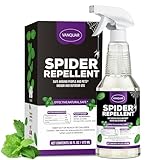
- EFFECTIVE SPIDER REPELLENT INDOOR & OUTDOOR : Our highly effective peppermint oil spray for bugs is a powerful, natural solution proven to deter spiders, ants, and a wide range of insects. It provides long-lasting protection for your entire home, making it the perfect spider spray for both indoor spaces and outdoor areas
- VERSATILE USE FOR ANY SPACE : This powerful plant-based pest control spray is ideal for kitchens, bathrooms, garages, gardens, patios, and even vehicles. Designed for versatile application, it seamlessly adapts to manage pests in various environments without staining surfaces, delivering comprehensive protection wherever needed
- SAFE FOR PETS AND CHILDREN : Formulated with natural ingredients, this family-safe peppermint oil spray is a trusted choice for pet parents. It is safe to use around dogs, cats, and kids when applied as directed—no harsh fumes or dangerous chemicals, just powerful protection you can trust
- NATURAL INGREDIENTS SPIDERS DISLIKE : Infused with pure, high-purity peppermint oil and other natural extracts, this formula leaves a fresh, crisp scent that spiders and bugs actively avoid. It effectively creates an uncomfortable environment for pests while being gentle for scent-sensitive households
- LONG-LASTING PROTECTION & VALUE : Each ready-to-use 16oz bottle of this extra-concentrated bug spray provides up to 1,500 targeted applications. Offering extended coverage for home, garden, or vehicle, it ensures precise, effective pest control and outstanding value with every spray
A room-by-room spider-prevention checklist
| Area | What to check | Practical action |
|---|---|---|
| Basement or crawlspace | Foundation cracks, moisture, clutter, webs, utility penetrations | Vacuum webs, reduce storage clutter, correct moisture sources, and seal suitable gaps. |
| Garage | Door perimeter, stored boxes, firewood, wall openings | Fit a sound door seal, keep materials off the wall where practical, and inspect before bringing items indoors. |
| Attic | Roof or soffit openings, screens, undisturbed storage | Repair screening, reduce clutter, and address openings as part of the building envelope. |
| Bedrooms and living areas | Baseboards, furniture edges, closets, window screens | Vacuum corners and under furniture, repair screens, and place monitoring traps only where inaccessible to children and pets. |
| Exterior foundation | Debris, vegetation, lighting, cracks, spider webs | Move debris away, trim vegetation, reduce unnecessary insect-attracting light, and seal appropriate cracks. |
| Doors and windows | Daylight, drafts, torn screens, worn weather stripping | Install a correctly sized sweep, replace weather stripping, and repair or replace screens. |
When to call a professional
Consider a licensed pest-control inspection or targeted treatment when activity remains high after cleaning and exclusion, when spiders are appearing throughout the building, or when you cannot safely identify or handle what you are seeing.
Seek professional assistance for a confirmed black widow or brown recluse infestation. Penn State Extension specifically advises expert help for confirmed infestations involving these medically important spiders. A professional can help distinguish spider activity from an insect problem, inspect concealed areas, recommend exclusion work, and select treatment based on the actual species and site.
Ask what the service will inspect, which areas will be treated, what preparation is required, how long people and pets must stay away, and what building repairs or sanitation steps are still needed. A treatment described as a permanent whole-house barrier should be treated cautiously unless its scope, limitations, and label-compliant use are clearly explained.
Bite safety and identification
Spiders are generally not aggressive, and many bites occur when a spider is trapped or touched. Avoid handling unfamiliar spiders, and do not assume that every unexplained red mark or skin lesion was caused by a spider. Photographs alone are often insufficient for reliable identification.
Free tools Windows power users keep installed
One-click scans. No signup required.
For a suspected bite, CDC/NIOSH first-aid guidance includes washing the area with soap and water, applying a cold cloth or ice pack, and elevating the area if possible. Seek professional medical attention when symptoms are severe, worsening, or otherwise concerning. Emergency symptoms require urgent medical care.
Best Value

- Pet-Friendly & Family-Safe Formula – Mighty Mint is a top pick for pet parents looking for a natural pest control solution. Safe to use around dogs, cats, and kids when applied as directed—no harsh fumes or dangerous chemicals, just powerful peppermint protection you can trust.
- Powerful Plant-Based Pest Control – Formulated with extra-concentrated peppermint oil and geraniol, this spray quicky repels and kills spiders using a proven formula.
- Effective Indoor & Outdoor Use – Designed for versatile application on baseboards, entryways, patios, and other areas. Helps repel insects from kitchens, bathrooms, living spaces, and more—without staining surfaces.
- Fresh Minty Scent With Long-Lasting Effect – Infused with pure peppermint oil, this formula leaves a crisp, clean aroma that lingers without overwhelming. Free from synthetic fragrances and common allergens, making it a gentle option for scent-sensitive households.
- Ready-To-Use 16 Oz Spray With Microfiber Cloth For Targeted Application – Perfect for quick treatments in high-traffic areas, this 16 oz bottle delivers fast, focused pest control against spiders and other common insects. Pre-mixed and easy to use—just spray and go for natural protection wherever it’s needed most.
Do not try to diagnose a medically important spider bite from an online image or self-treat a serious reaction. If possible, preserve information about when and where the incident occurred without risking another bite.
How to choose a spider-control product
- Define the problem. Are you removing one spider, monitoring a hotspot, sealing an opening, or dealing with a persistent infestation?
- Fix the building first. Check screens, sweeps, weather stripping, cracks, clutter, moisture, outdoor debris, lighting, and insect activity.
- Choose the least hazardous tool that fits. A vacuum, container, exclusion material, or sticky trap may be enough for occasional activity.
- Read the full label. For pesticides, verify the pest, use site, rate, ventilation, re-entry, child and pet precautions, and environmental restrictions.
- Do not trust marketing adjectives alone. “Natural,” “non-toxic,” and “pet-safe” do not establish efficacy or universal safety.
- Escalate when necessary. Use a licensed professional for medically important spiders, uncertain identification, or persistent activity that does not improve.
Bottom line
The best spider “repellent” strategy is usually an integrated pest-management plan: vacuum and remove webs, seal entry points, reduce shelter and insect prey, adjust problem lighting, and use sticky traps to locate activity. Natural sprays may be appealing, but the evidence here does not support promising essential oils or household ingredients as reliable long-term repellents. Store-bought pesticides should be used only when the label matches the pest and site, and professional help is appropriate for confirmed medically important spiders or persistent infestations.
Frequently Asked Questions
What is the most effective way to keep spiders out of a house?
For most homes, no scented product is needed. Vacuum webs and egg sacs, seal cracks and gaps, repair screens, install door sweeps, reduce clutter and outdoor debris, and address insects that attract spiders. Sticky traps can help locate activity hotspots.
Do peppermint oil and other natural spider repellents work?
Peppermint oil, eucalyptus oil, vinegar, chestnuts, and similar remedies may be discussed as anecdotal options, but the evidence in this guide does not establish dependable, long-lasting spider repellency. Natural ingredients are not automatically safe or effective.
Where should spider sticky traps be placed?
Yes, for monitoring and targeted capture. Place them along baseboards, in corners, closets, and suspected travel routes, keep them away from children and pets, and use catches to identify where sealing or cleaning is needed. They do not exclude spiders from the building.
When should I call pest control for spiders?
Contact a licensed pest professional for a confirmed black widow or brown recluse infestation, persistent high-volume activity after exclusion and sanitation, or spiders you cannot safely identify or handle. Do not diagnose a spider bite or species from a photograph alone.
Quick Recap
The Bottom Line
For most homes, exclusion and sanitation outperform scented spider sprays. Seal gaps, repair screens and door seals, remove webs, reduce clutter and insects, and use sticky traps to monitor hotspots. Treat chemical products as label-dependent, targeted tools—not a substitute for fixing the building.
Recommended Free Tools
Product prices and availability are accurate as of the date/time indicated and are subject to change. Any price and availability information displayed on Amazon at the time of purchase will apply.