Free tools Windows power users keep installed
One-click scans. No signup required.
For a typical subpanel in a separate building supplied by a feeder, a ground rod may be part of the required grounding electrode system, but it does not replace the feeder’s equipment grounding conductor. The neutral is generally kept isolated from the equipment grounding system at the remote disconnect. The exact requirements depend on how the panel is supplied and which electrical code edition and local amendments your authority having jurisdiction (AHJ) has adopted.
First determine where the subpanel is and how it is supplied
“Subpanel” can describe different installations. A panel farther along in the same building is not automatically subject to the separate-building rules. The distinction matters because NEC Article 250.32 addresses buildings or structures supplied by feeders or branch circuits.
As an Amazon Associate I earn from qualifying purchases.
| Installation | What to establish |
|---|---|
| Panel in the same building | Article 250.32’s separate-building grounding-electrode requirement is not automatically applicable merely because the panel is downstream. Confirm the rules for the actual installation with the locally adopted code and AHJ. |
| Separate building supplied by a feeder | The cited Article 250.32 material calls for a grounding electrode system and a feeder equipment grounding conductor connected to the remote disconnect and electrode system. A ground rod does not replace the feeder equipment grounding conductor. |
| Separate building supplied by only one branch circuit, including a multiwire branch circuit | The cited exception applies where that single branch circuit includes an equipment grounding conductor. It should not be generalized to a feeder-supplied building. |
These distinctions are based on the cited Article 250.32 material; verify the final text and any amendments in the code edition adopted for the project. EC&M’s Q&A discusses the rule using the 2020 NEC.
Do these 3 things before closing this tab:
1Fix the driver behind crashes, sound loss and screen glitches2Repair Windows errors before they cause bigger problems3Scan for outdated or missing drivers - takes under a minuteWhat the feeder equipment grounding conductor and ground rod each do
In a typical feeder-supplied separate-building installation, the equipment grounding conductor runs with the feeder and connects to the remote disconnect enclosure. It provides the equipment grounding path; the grounding electrode system connects the installation to earth. Those are different functions, so an earth connection through a rod is not a substitute for the equipment grounding conductor back with the feeder.
#1 Best Overall
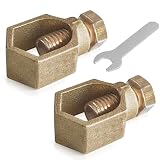
- Material: Copper ground rod clamp with galvanized bolt, standard duty. Maximum service and conductivity. to provide a solderless connection between ground wire & ground rod.
- Wire Range: # 10 SOL/STR - # 2 STR
- Great for 1/2" to 5/8" Grounding Rod , Rebar,or pipe
- Complimentary portable spanner
- Designed for residential and household installations such as electric fence grounding, outdoor antenna grounding ,rebar connection and applications without direct burial requirements.
The grounding electrode system may include one or more electrode types permitted by Article 250. A ground rod can be one electrode in that system, but “ground rod” does not mean the whole grounding electrode system in every installation. The cited explanation describes the electrode’s role as connecting equipment or the electrical system to earth and helping keep it near local earth potential. EC&M explains the purpose of grounding electrodes.
Neutral and ground at the remote disconnect
Under the general rule described in the cited Article 250.32 material, an installed grounded conductor (neutral) at the remote disconnect must not be connected to the equipment grounding conductor or grounding electrode(s). Keep the neutral isolated from the equipment grounding system at the remote panel rather than adding a neutral-to-ground bond there.
Rank #2

- Material: Copper ground rod clamp with galvanized bolt, standard duty. Maximum service and conductivity. to provide a solderless connection between ground wire & ground rod.
- Wire Range: # 10 SOL/STR - # 2 STR
- Great for 1/2" to 5/8" Grounding Rod , Rebar,or pipe
- Designed for residential and household installations such as electric fence grounding, outdoor antenna grounding ,rebar connection and applications without direct burial requirements.
Legacy installations and separately derived systems can involve different conditions. Do not apply the general rule to those situations without confirming the system arrangement and governing code with the AHJ or a qualified electrical professional. The cited explanation of the bonding rule is based on the 2020 NEC.
Ground rod requirements in the cited code material
The cited rod provisions describe requirements for rod, pipe, or plate electrodes. These details come from explanatory and NFPA code-development material, not a determination of the rules for a particular property; check the final edition adopted locally before applying them.
Rank #3

- Material: Copper ground rod clamp with galvanized bolt, standard duty. Maximum service and conductivity. to provide a solderless connection between ground wire & ground rod.
- Wire Range: # 10 SOL/STR - # 2 STR
- Great for 1/2" to 5/8" Grounding Rod , Rebar,or pipe
- Designed for residential and household installations such as electric fence grounding, outdoor antenna grounding ,rebar connection and applications without direct burial requirements.
- A rod, pipe, or plate electrode should be free of nonconductive coatings and installed below permanent moisture level when practicable.
- The cited material specifies at least 8 feet of rod contact with soil.
- A single rod, pipe, or plate generally needs a supplemental electrode unless the resistance to earth of that single electrode is 25 ohms or less.
- Multiple rods installed to meet the requirement must be at least 6 feet apart.
These measurements and conditions are not a universal instruction to install one rod and stop. The applicable electrode system, existing electrodes, conductor routing and sizing, grounding electrode conductor termination, soil and site conditions, and local amendments all matter. NFPA’s code-development material is a public-input record, not final adopted 2026 NEC text.
Which NEC edition applies?
NFPA lists NFPA 70 (NEC), 2026 edition, as current and says the code is updated every three years. That does not establish that a particular city, state, or project has adopted the 2026 edition, or adopted it without amendments. The enforceable requirements depend on the jurisdiction governing the work.
Rank #4

- Durable construction: Made of high strength copper alloy for durability, corrosion resistance.
- Range of options: Equipped with 1/0-10, 1-10 and 2-10 wire ranges, these direct buried copper ground rod clamps are available in a range of diameters including 1/2", 5/8", 3/4" and 3/8".
- Easy to use: Fits a 5/8" rod and has a hex bolt for one-wrench installation. Package includes 10 set ground rod clamps.
- Widely used: Designed to maintain proper alignment and contact between the ground wire and rod. Use for commercial, industrial, agricultural or residential applications.
- Direct burial: Rated for direct burial. Clamps used to connect the ground wire to the ground rod to carry the current away from the circuit.
- Identify the project location and the authority having jurisdiction.
- Ask the AHJ which NEC edition and local amendments govern the work.
- Confirm whether the panel is in a separate building and whether it is supplied by a feeder or by only one branch circuit with an equipment grounding conductor.
- Have the feeder, bonding, electrode system, and existing installation assessed when any of those details are uncertain.
What the Code rule says about connecting an electrode system to a feeder-supplied building
The cited Article 250.32 material calls for the building’s grounding electrode system to be connected at the building disconnect, with the feeder equipment grounding conductor connected to that disconnect and electrode system. The remote neutral is generally not connected to the equipment grounding conductor or electrodes. This description is subject to the applicable code edition, local amendments, and the specific installation.
Quick Recap
Best Value
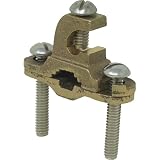
- Southwire ground clamps are used to connect copper ground wire to a water pipe, copper tubing or ground rods. This clamp features an integrated lay in lug for faster install. Product is suitable for direct burial.
- Wire Range: # 10 SOL - # 2 STR
- Fits 1/2"-1" Pipe; Fits 3/8"-1" Rod
- Convenient lay-in connector, parallel to pipe
- Suitable for Direct Burial
Product prices and availability are accurate as of the date/time indicated and are subject to change. Any price and availability information displayed on Amazon at the time of purchase will apply.




