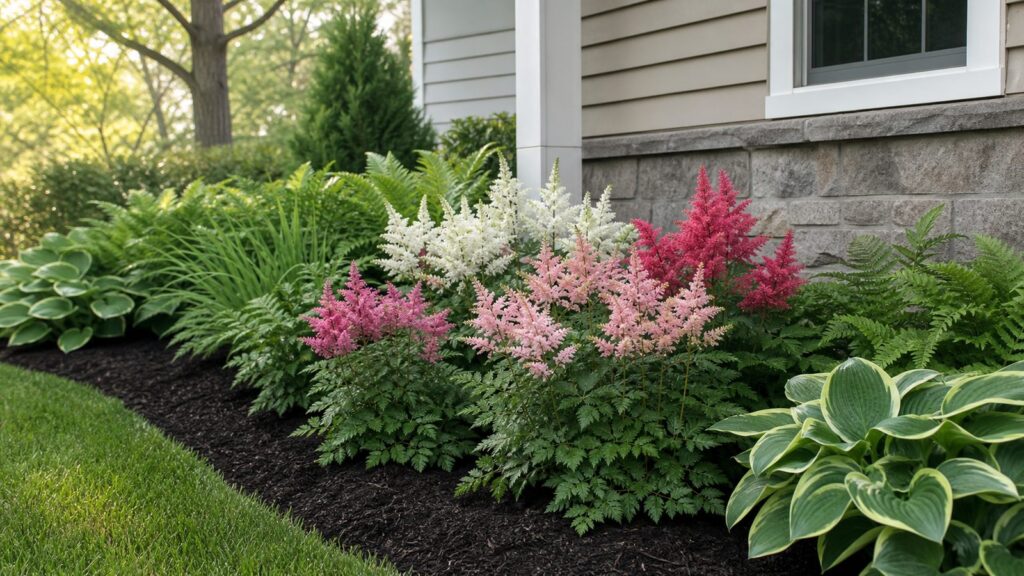
Edible flowers are not just garnish. A well-planned edible flower bed can add color to the yard, support pollinators, soften the edges of vegetable beds, and give you harvestable blooms for salads, teas, syrups, compound butters, baked goods, and summer drinks. The key is treating them like food crops, not like ordinary ornamentals.
The short answer: good edible flowers for home gardens include nasturtium, calendula, pansy, viola, borage, chive blossoms, bee balm, anise hyssop, bachelor’s button, chamomile, lavender, rose, dianthus, signet marigold, squash blossoms, scarlet runner bean flowers, hibiscus, daylily, lilac, and scented geranium. Most need 6 to 8 hours of sun, clean soil, steady drainage, and no ornamental pesticides.
As an Amazon Associate I earn from qualifying purchases.
On our job sites, the garden projects that hold up best are planned like small outdoor rooms: proper bed width, clean access, controlled water, durable edging, and a clear maintenance path. Edible flowers are the same. You can grow them in a $75 in-ground bed or a $4,000 custom raised bed, but the details decide whether the garden is useful or just pretty for three weeks.
Start With Safety Before You Plant
Only eat flowers you can positively identify. Many common garden flowers are not edible, and some are poisonous. Do not guess from a photo, a plant tag that fell out, or a neighbor’s memory. Keep plant tags, seed packets, or a simple garden map so everyone in the household knows what was planted and which part is edible.
#1 Best Overall

- Quality flower seeds packaged by Seed Needs. Intended for the current and the following growing season. Packets are 3.25" wide by 4.50" tall and come with a full colored illustration on the front side, as well as detailed sowing instructions on the reverse.b1
- This assortment includes 7 individually packaged strains, including Swiss Giants Pansy, Johnny Jump Up, Wild Bee Balm, Jewel Nasturtium, Common Chives, Borage and Pacific Beauty Calendula.
- All of the flowers within this assortment are edible. Most are used to add coloring to boring salads. They can also be used as a garnish as well.
- The plants within this assortment are mostly annual, with the exception of Common Chives and Wild Bee Balm, which are perennial flowering plants.
- Quality: All seeds packaged by Seed Needs are intended for the current and the following growing seasons. All seeds are stored in a temperature controlled facility that is free of significant amounts of moisture.
Do not eat flowers from florists, roadside beds, unknown nursery stock, municipal plantings, or treated ornamental landscapes. Systemic pesticides can be absorbed into plant tissue and cannot be washed off the way dust can. If a plant was sold as an ornamental and you do not know how it was grown, assume it is not food-safe.
Place edible beds away from treated lawns, road spray, pet waste areas, old pressure-treated debris, questionable roof runoff, and low spots where water collects from the rest of the yard. Near older homes, be careful around peeling exterior paint, old garage foundations, and soil next to driveways or alleys. If you suspect lead, petroleum residue, or other contamination, use a raised bed with imported growing mix and a barrier between the native soil and the bed.
Introduce edible flowers slowly. Even safe flowers can bother people with allergies or sensitive stomachs. Remove stamens and pistils unless a trusted food source says they are edible. For many flowers, the petals are the edible portion, while the bitter white base should be removed before serving.
What’s actually slowing this PC down?
Pick the symptom - the matching free tool is one click away.
The 20 Best Edible Flowers for Home Gardens
This table is the practical shortlist. Hardiness varies by cultivar and microclimate, so use USDA zone information as a starting point, then check the exact plant tag or seed packet.
| Flower | Type | Sun | Edible Part | Flavor and Best Use | Caution |
|---|---|---|---|---|---|
| Nasturtium | Annual | Full sun to part sun | Flowers and leaves | Peppery; salads, tacos, herb butter | Avoid overfertilizing or you get leaves over blooms |
| Calendula | Annual | Full sun | Petals | Mildly tangy; rice, soups, butter, baking | Use petals, not the whole flower head |
| Pansy | Cool-season annual or short-lived perennial | Full sun in cool weather, part shade in heat | Flowers | Mild and grassy; cakes, salads, ice cubes | Buy food-safe starts or grow from seed |
| Viola / Johnny-jump-up | Cool-season annual or short-lived perennial | Full sun to part shade | Flowers | Delicate; desserts, salads, pressed decorations | Confirm species and avoid treated ornamentals |
| Borage | Annual | Full sun | Flowers | Cucumber-like; drinks, salads, frozen cubes | Self-seeds readily in many gardens |
| Chive Blossoms | Perennial, often zones 3-9 | Full sun | Flowers | Onion flavor; vinegar, eggs, potatoes | Use true chives, not look-alike bulbs |
| Bee Balm | Perennial, often zones 4-9 | Full sun to part sun | Petals | Minty, oregano-like; tea, salads, garnish | Needs airflow to reduce mildew |
| Anise Hyssop | Perennial, often zones 4-8 | Full sun | Flowers and leaves | Licorice-mint; tea, fruit, desserts | Can reseed; check local behavior |
| Bachelor’s Button | Annual | Full sun | Petals | Mild clove-like note; salads, butter, garnish | Petals are more useful than whole flower heads |
| Chamomile | Annual or perennial depending on type | Full sun to part sun | Flowers | Apple-like; tea, syrups, desserts | Avoid if sensitive to ragweed-family plants |
| Lavender | Perennial, often zones 5-9 | Full sun | Buds and petals | Floral and resinous; cookies, sugar, lemonade | Use lightly; too much tastes soapy |
| Rose | Shrub, hardiness varies | Full sun | Petals and hips from safe plants | Floral; jam, syrups, desserts, tea | Remove bitter white petal bases |
| Dianthus | Annual or perennial by type | Full sun | Petals | Clove-like; cakes, salads, infused sugar | Remove bitter petal base |
| Signet Marigold | Annual | Full sun | Petals | Citrus-spicy; salads, soups, garnish | Use edible signet types, not random marigolds |
| Squash Blossoms | Warm-season annual | Full sun | Male and female flowers | Mild squash flavor; stuffing, frying, quesadillas | Harvest mostly male blossoms if you want fruit |
| Scarlet Runner Bean Flowers | Annual in most areas | Full sun | Flowers | Bean-like; salads, garnish | Do not confuse with ornamental sweet pea |
| Hibiscus | Annual, perennial, or shrub depending on type | Full sun | Calyces or petals by type | Tart cranberry-like; tea, syrups, drinks | Confirm edible species before use |
| Daylily | Perennial, often zones 3-9 | Full sun to part sun | Buds and flowers | Mild vegetal; stir-fries, salads, stuffing | True daylily only; lilies are not the same |
| Lilac | Shrub, often zones 3-7 | Full sun | Flowers | Floral and slightly bitter; syrups, sugar, garnish | Use sparingly and avoid sprayed shrubs |
| Scented Geranium | Tender perennial, often grown annual | Full sun to part sun | Leaves and flowers | Rose, lemon, mint, or spice notes; sugar, cakes, tea | Use scented Pelargonium types, not random geraniums |
How to Design an Edible Flower Bed That Works
A harvestable bed should be easy to reach without stepping on soil. For beds accessed from both sides, keep width near 4 feet. Against a fence or wall, stay closer to 2 to 3 feet. That single dimension matters more than most plant lists because compacted soil and awkward reaching are two reasons gardens get abandoned by July.
For a simple 4-by-8-foot edible flower bed, plan on 32 square feet of planting space. At 10 to 12 inches deep, a raised bed that size takes roughly 1.0 to 1.2 cubic yards of growing mix. If you buy bagged premium raised-bed mix, the soil can cost more than the lumber. Bulk delivery is usually more economical when you are filling more than one bed, but it needs driveway access and a place to stage material.
Use untreated cedar, galvanized steel rated for garden use, stone, brick, or food-safe composite materials. Avoid unknown salvaged timbers, railroad ties, painted scrap lumber, and old pressure-treated debris. Modern treated lumber is different from older material, but many homeowners prefer cedar or metal for food beds because it removes the question.
Rank #2

- EDIBLE FLOWER SEED VARIETY PACK: Create a colorful, fragrant garden full of blooms you can enjoy both visually and in the kitchen. Perfect for garnishes, teas, salads, desserts, and charming cottage-style gardens.
- 10 INDIVIDUAL SEED PACKETS: Chives Common, Mexican Tarragon, Chamomile, Borage Blue, Calendula Pacific Beauty, Nasturtium Jewel Blend, Fenugreek, Lavender, Viola Johnny Jump Up, Pansy Swiss Giants Blend.
- A BOUNTIFUL HARVEST AWAITS: Transform your garden with Family Sown’s premium vegetable and herb seeds. Enjoy exceptional germination rates and abundant harvests that turn every seed into a masterpiece of nature.
- GIFTABLE PACKAGING: Share the love of gardening with Family Sown's beautifully designed seed packaging. Crafted for freshness and ease, each pack includes simple planting instructions and a reusable zipper — an ideal gift for any nature-loving friend or family member.
- PLANT WITH CONFIDENCE: At Family Sown, we treat every garden like it's our own. If our seeds don't grow, let us know — we’ll refund your purchase within 30 days, no questions asked. From our family to yours, we’re here to help your garden flourish!
Drainage should be steady, not soggy. If water sits in the area after a normal rain, correct the grade, add a better-draining bed profile, or choose a different location. We look for the same basics we want near patios and walkways: water moving away from structures, no roof valleys dumping into the bed, and no mulch piled against siding or trim.
Spacing and Planting Layout
Plant taller perennials, roses, hibiscus, bee balm, anise hyssop, and trellised scarlet runner beans where they will not shade short cool-season flowers. Use pansies, violas, calendula, signet marigolds, and nasturtiums along edges where you can harvest quickly. Keep at least one 24- to 36-inch walkway beside beds that will be used often. If two people will work side by side or you need wheelbarrow access, 36 to 42 inches is more comfortable.
A good mixed plan is simple: cool-season pansies, violas, and chamomile in spring; nasturtium, calendula, borage, squash blossoms, bachelor’s button, and signet marigold for summer; chives, bee balm, lavender, roses, anise hyssop, lilac, and daylily as perennial anchors. Succession sow annuals every 2 to 4 weeks during the planting window so you do not get one heavy bloom and then nothing.
What It Costs in 2026
U.S. homeowners are still spending on gardens, but the better move is durable spending, not impulse spending. The 2026 National Gardening Survey reported U.S. garden spending reached $79.0 billion in 2025, up 13.5% from 2024, with average spending at $740 per household, up 18.3%. Edible flowers fit that trend because you can start small and add infrastructure only where it pays off.
Free tools Windows power users keep installed
One-click scans. No signup required.
| Project Scope | Typical 2026 Cost | Best For |
|---|---|---|
| Seed packets | About $2 to $6 each; specialty edible flower listings often $7 to $27 | Budget planting, succession sowing, larger beds |
| Starter plants | About $4 to $10 per 3- to 4-inch annual or herb start | Fast color, beginners, small patios |
| Larger perennials, lavender, roses, hibiscus | Commonly $10 to $35+ each | Permanent structure and repeat seasons |
| DIY in-ground 4-by-8 bed | Roughly $75 to $350 if tools are already owned | Level yards with decent soil |
| DIY raised bed kit | Often $300 to $900 for a 5-by-12 kit; smaller cedar kits often around $40 to $300 | Cleaner soil, better access, defined layout |
| Professionally installed flower bed | About $20 to $65 per square foot | Finished curb-facing beds, grading, edging, planting |
| Custom raised bed | About $1,200 to $4,000 for a 5-by-12 custom bed | Long-term food garden with carpentry and site prep |
| Premium built raised beds | DIY wood beds about $25 to $50 per square foot; professional wood beds often $100+ per square foot | Cedar, trellises, irrigation, fitted enclosures |
| Drip irrigation kit | About $25 to $100 DIY for one or two beds | Cleaner harvests and less mildew |
| Deer or rabbit protection | About $20 to $100 for light hoops and netting; $500 to $2,500+ for framed fencing or enclosures | High-pressure wildlife areas |
The biggest cost drivers are soil volume, labor rates, cedar versus steel or composite materials, slope correction, drainage work, irrigation tie-ins, trellises, deer fencing, and HOA design requirements. A flat backyard with hose access is inexpensive. A sloped side yard with retaining, stairs, custom cedar beds, automatic irrigation, and fencing is a construction project.
Watering, Drainage, and Soil Details
Most edible flowers want consistent moisture but not saturated roots. Drip irrigation is usually better than overhead watering because it reduces petal damage, mildew, and soil splash. Soil splash matters with edible flowers because the harvestable part is often low, delicate, and served fresh.
A basic drip kit for one or two beds can be installed by a capable homeowner for $25 to $100. A professional irrigation tie-in with a timer, trenching, multiple zones, or required backflow protection can run several hundred dollars or more. If tying into a potable water system, local code may require a backflow device. That is not a detail to skip.
Rank #3

- Huge Value - 25 Edible Flower Seeds Variety Pack for Planting Indoor & Outdoors. NON-GMO Heirloom Flower Garden Seeds for LESS THAN $1.50 PER SEEDS VARIETY - Over 4500 seeds including: Anise, Borage, Bishop's Flower, Bergamot, California Poppy, Cape Forget-Me-Not, Chamomile, Calendula, Dandelion, Chives, Chicory, Evening Primrose, Hollyhock, Johnny Jump-Up, Lavender, Love Lies Bleeding, Nasturtium, Pansy, Echinacea, Hyssop, Cape Daisy, Sunflower, Columbine, White Yarrow, Zinnia.
- Easy & Fun Growing Experience with our online guides - Don’t plant disappointment - Add more colors to your flower garden with our Edible Flower Seeds Variety Pack! We send only super hearty flower seeds with the highest germination rate and fast sprout. Our detailed growing guide helps you grow the garden of your dream like a PRO.
- Fresh Flowers & Herbs from Seeds to Your Table All Year Round. Grow edible flower seeds everywhere - Indoor in window and hydroponics garden or transfer them to your Outdoor Home Garden. Grow your flower seeds and Enjoy healthy meals with the help of our cooking guide.
- Outstanding Meaningful Gift - for couples, vegetarians, vegans, gardeners, house survivalist, people who are looking for a new hobby or trying something new. Can be used for a variety of occasions - as a housewarming, babyshower, birthday, anniversary gift and more.
- Made in the USA by Small Family-Owned Business - Quality You Can Trust - Our flower seeds are tested at highest germination rates before being sealed to last for up to 3 years before you need to plant. Each packet in our seeds variety pack is resealable to make easy to store and has own label with a QR code for the growing instructions.
Mulch helps, but keep it clean. Use shredded leaves, clean straw, fine bark, or composted mulch that has not been contaminated with herbicide residue. Leave breathing room around crowns of perennials and shrubs. In tight urban yards, raised beds with imported mix are often the better call because they give you control over soil quality, depth, and drainage from day one.
The Tool Desk
Outbyte Driver Updater FREEScan for outdated or missing drivers - takes under a minuteDriver Scan →Outbyte PC Repair FREERepair Windows errors before they cause bigger problemsFix Now →HOA, Permit, and Placement Notes
Most small edible flower beds do not need a building permit, but rules change when the project becomes a structure. Triggers can include retaining walls, tall fencing, permanent electrical work, irrigation backflow connections, work in drainage easements, front-yard visibility, or beds attached to decks, patios, or fences. Some communities and HOAs limit bed height, materials, color, placement, or visibility from the street.
Before building a front-yard raised bed, check the HOA rules and local code. A 10-inch cedar box in a private backyard is one thing. A 4-foot-tall enclosed garden with gates, posts, and irrigation in a front setback is another. If you live in a planned community, submit a simple layout with dimensions, material, color, height, and location before buying custom materials.
From a curb-appeal standpoint, edible flower beds look best when they are intentional. Align them with existing walks, patios, fences, or house lines. Use consistent edging. Keep trellises plumb. Leave mowing strips where turf meets the bed. A productive garden can still look finished from the street.
When to DIY vs. When to Hire a Pro
DIY makes sense when the bed is small, the site is level, drainage is already good, and you are using seeds, starter plants, or a simple kit. A 4-by-8 in-ground bed or one cedar kit near an existing hose bib is well within reach for many homeowners. Expect a weekend for layout, soil prep, assembly, filling, and planting if materials are already on site.
Recommended Free Tools
Hire a pro when the garden affects drainage, grade, hardscape, irrigation, fencing, or front-yard design. Also bring in help if you need several raised beds to line up cleanly, if the yard slopes more than a few inches across the bed footprint, if you are building deer protection with gates, or if the bed will sit near a foundation, patio, deck, or retaining wall. Those are the jobs where small layout mistakes become expensive or ugly.
A professional crew should be able to handle excavation, base prep, bed construction, soil import, drip irrigation, edging, and finish grading in a coordinated sequence. That matters because a garden bed is not just a box of dirt. It is part of the yard’s drainage, circulation, maintenance, and appearance.
Rank #4

- 1,000 PREMIUM SEEDS: Packed with 1,000 high-quality edible flower and herb seeds—ideal for gardeners wanting a bountiful, flavor-rich harvest.
- CULINARY BLEND: A gourmet mix of edible flowers, microgreens, and culinary herbs to brighten your dishes, salads, and garnishes with color and taste.
- 2026 SEASON FRESH: Carefully packaged for the 2026 season to ensure peak germination, vibrant growth, and optimal flavor in your garden.
- EASY TO GROW: Thrives in pots, garden beds, or raised trays. Perfect for beginner and expert gardeners looking for a productive and beautiful culinary garden.
- FAMILY SOWN PROMISE: Sealed in a freshness-lock 5-gram pouch and includes simple planting instructions. If your seeds don’t grow, we’ll refund your purchase—no questions asked!
Harvesting and Kitchen Use
Pick edible flowers at peak bloom in the cool part of the day, usually morning after dew has dried. Inspect for insects, shake gently, and refrigerate loosely if you are not using them right away. Rinse gently right before use, not hours ahead, because petals wilt quickly.
Use strong-flavored flowers lightly. Lavender, rose, bee balm, dianthus, and scented geranium can overpower food fast. Mild flowers like pansies, violas, borage, bachelor’s button, and calendula are easier for beginners. For squash blossoms, harvest mostly male flowers if you still want squash fruit. Male blossoms usually have a thin stem; female blossoms have the small developing fruit behind the flower.
Windows Errors? Fix Them Before They Spread
Repair common Windows errors and clear accumulated junk for a smoother, more stable PC - no reinstall needed.Free scan · no reinstallOutdated Drivers Are Slowing You Down
One free scan finds every outdated or missing driver and matches the right update for your exact hardware.Free scan · exact hardware matchKeep harvest records if you grow multiple cultivars. A simple tag that says “calendula petals only” or “rose petals, unsprayed” is useful when guests, children, or another cook is harvesting. If there is any doubt, do not eat it.
Common Flowers Not to Eat
Do not eat foxglove, lily-of-the-valley, sweet pea, larkspur, lupine, oleander, azalea, rhododendron, daffodil, or nicotiana. This is not a complete poison list; it is a practical warning list because these plants are common in ornamental gardens and can be confused by inexperienced gardeners.
The sweet pea warning is especially important. Scarlet runner bean flowers are edible when properly identified, but ornamental sweet pea is poisonous. True daylily is another place to be precise. Daylilies are not the same as lilies, and many lilies are dangerous, especially around pets. Label plants clearly and keep non-edible ornamentals out of the harvest zone.
A Practical Planting Plan for One 4-by-8 Bed
For a first edible flower bed, keep the plan simple. Place a small trellis on the north side for scarlet runner beans so it does not shade the bed. Put chives, anise hyssop, or compact bee balm near the back corners as perennial structure. Use the front edge for pansies and violas in spring, then replace tired plants with nasturtiums or signet marigolds as the weather warms.
Do these 3 things before closing this tab:
1Scan for outdated or missing drivers - takes under a minute2Repair Windows errors before they cause bigger problems3Fix the driver behind crashes, sound loss and screen glitchesUse the center for calendula, borage, bachelor’s button, and chamomile, leaving enough room to reach through without breaking stems. If you want squash blossoms, give squash its own end of the bed or a nearby mound; one squash plant can easily dominate a small flower bed. In hot climates, give cool-season flowers afternoon shade or grow them in the shoulder seasons.
Best Value

- Extra large packet contains over 1 full ounce of pure live seeds (7,000+ seeds!) Enough to cover 100 square feet
- Fresh and healthy seeds with high germination rates make growing your garden quick, easy, and fun
- Premium Packaging designed for optimal seed storage, with resealble zipper, beautiful photos, and full planting instructions; Great for gift giving
- Quality seeds your can trust; non-GMO, open polinated, from the USA, 100% pure live seeds
- Your edible flower garden contains 16 different wildflowers that can all be eaten; A variety of colors, textures, and tastes
That layout gives you bloom from spring into fall in many U.S. regions, supports pollinators around vegetables, and keeps harvestable flowers along reachable edges. It also lets you upgrade over time: drip irrigation first, then better edging, then deer protection or a second bed if the first one earns its keep.
Bottom Line
The best edible flower garden is safe, reachable, and built to last more than one season. Start with clean soil, confirmed edible plants, 6 to 8 hours of sun where possible, drip irrigation, and beds sized so you can harvest without stepping into them. Spend money where it improves the structure: soil, drainage, access, irrigation, and protection.
For most homeowners, a small edible flower bed is a modest project: $75 to $350 in-ground, a few hundred dollars for a DIY raised bed, or more if you want custom cedar construction, irrigation, fencing, and a finished landscape look. Done well, it gives you more than decoration. It gives you a productive garden that looks intentional from the patio, the kitchen window, and the curb.
Quick wins for a faster PC:
Fix the driver behind crashes, sound loss and screen glitchesFind Drivers →Clear out junk files and repair common Windows errorsFree Scan →Frequently Asked Questions
What flowers are safe to eat from your garden?
Safe choices include properly identified nasturtium, calendula, pansy, viola, borage, chive blossoms, bee balm, anise hyssop, bachelor’s button, chamomile, lavender, rose, dianthus, signet marigold, squash blossoms, scarlet runner bean flowers, hibiscus, daylily, lilac, and scented geranium. Only eat flowers grown without ornamental pesticides and use the edible plant part specified for that flower.
Can you eat flowers bought from a nursery or garden center?
Not unless they were sold specifically as edible or food-safe. Many ornamental nursery plants may have been treated with systemic pesticides that enter plant tissue and cannot simply be washed off. For eating, grow from seed, buy organic edible starts, or confirm the grower’s pesticide practices.
Which edible flowers are easiest for beginners to grow?
Nasturtium, calendula, pansy, viola, borage, bachelor’s button, signet marigold, chives, and squash blossoms are among the easiest. They germinate or establish reliably, have obvious uses in the kitchen, and work well in raised beds, vegetable borders, and containers.
Do edible flowers need full sun?
Most edible flowers perform best with 6 to 8 hours of sun. Cool-season flowers such as pansies and violas can handle part shade, especially in warm regions. Lavender, squash, calendula, chives, bee balm, and anise hyssop generally bloom better in full sun.
How much does an edible flower garden cost?
A small DIY in-ground bed commonly costs about $75 to $350 if you already own basic tools. Seed packets are often $2 to $6 each, starter plants about $4 to $10 each, and a DIY raised bed kit can run a few hundred dollars. Professionally installed beds typically cost more, especially with cedar construction, irrigation, fencing, or grading.
Do raised garden beds need permits?
Small backyard beds usually do not, but permit or HOA review may apply if the project includes retaining walls, tall fencing, permanent irrigation connections, electrical work, front-yard placement, drainage changes, or construction in an easement. Check local rules before building a large or visible bed.
Quick Recap
Product prices and availability are accurate as of the date/time indicated and are subject to change. Any price and availability information displayed on Amazon at the time of purchase will apply.

