Some links on this page are affiliate links: if you buy through them we may earn a commission, at no extra cost to you.
The safest way to prepare for first frost is to combine your area’s average frost date with the current forecast. A calendar date is only a probability based on climate normals, not a promise for your garden. Start watching overnight lows when they approach the mid-30s Fahrenheit, identify the coldest spots in your yard, and protect tender plants before sunset whenever frost is forecast. The University of Maryland Extension says closely monitoring current weather reports is the surest way to know when frost is expected, because nearby yards can cool differently.
When is my first frost date?
Your first frost date is best treated as a planning window. Many published charts use NOAA’s 1991–2020 U.S. Climate Normals, but elevation, buildings, wind, slopes and nearby water can shift the actual temperature in one garden.
As an Amazon Associate I earn from qualifying purchases.
What’s actually slowing this PC down?
Pick the symptom - the matching free tool is one click away.
For example, a University of Maryland Extension chart based on NOAA normals gives these probabilities for Frederick, Maryland’s first 32°F reading:
| Probability of the first 32°F reading | Date |
|---|---|
| 10% | October 13 |
| 30% | October 23 |
| 50% | October 30 |
| 70% | November 5 |
| 90% | November 15 |
Use your ZIP code or county’s chart to establish a watch period, then let the local forecast determine when you act. A low-lying bed or exposed corner may frost before a sheltered patio even on the same night.
Popular on Amazon
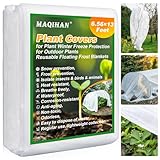
- Product Features: Our plant covers are ideal for protecting all plant. Made from premium 1 oz/sq non-woven fabric, their durability and breathability ensuring both insulation against frost and facilitation of sunlight penetration for healthy plant growth
- Versatility: These covers serve triple duty as frost protection, snow protection, animal barriers, insect barriers, and sun shields, adaptable to various gardening needs, the versatile row covers promise a tailored fit for all horticultural necessities
- Usability: Users can cut the frost blanket according to the size of the plant, and then easily cover the plant blanket directly on the plant, lay the cover loosely over plants, or fix it with the help of hoops or frames, providing customizable protection
- Cold & Wind Protection: Shield delicate plants from wintry chills and harsh winds, safeguarding them from frost damage. Regulate sunlight exposure to prevent overheating, maintaining optimal growth conditions. Maintain stable soil temperatures
- Optimize Performance: Deploy the covers before sunset to harness residual warmth from the soil. Once morning temperatures rise above freezing, remove the covers to permit sunlight warming. Wet covers should be dried before reuse
What should I do weeks before the likely frost window?
- Track the forecast. Begin checking overnight lows as they move toward the mid-30s Fahrenheit. Record the forecast date, expected low and duration below freezing.
- Find cold spots. Walk the property at night or place minimum/maximum outdoor thermometers in low areas, open lawns and other suspected frost pockets. Compare those readings with a sheltered planting area.
- Inventory vulnerable plants. Put tropical and subtropical plants, citrus, succulents, basil, tomatoes, cucumbers, peppers, zinnias, marigolds and other tender annuals at the top of the list. Plan a final harvest for crops that a hard frost can injure.
- Stage supplies. Keep frost cloth or sheets, hoops or stakes, clips, movable containers and an outdoor-rated thermometer together. Frost cloth is reusable and purpose-built; sheets are a short-event backup.
- Pause stimulating work. Stop late-fall fertilizer and postpone routine pruning on cold-sensitive plants. Tender new growth is more vulnerable, and pruning now can make later damage harder to judge.
Should I bring potted plants inside?
Yes, when practical. Potted tropicals, annuals and other tender containers are usually the most reliable plants to protect by moving them into a garage, porch or similarly sheltered space before temperatures fall.
If a container cannot be moved, group pots together against a protected wall and insulate them. Containers lose heat faster than garden soil, so grouping reduces exposed surface area. Check that the site still has adequate ventilation and that covers do not block doors, vents or walkways.
Do these 3 things before closing this tab:
1Scan for outdated or missing drivers - takes under a minute2Repair Windows errors before they cause bigger problems3Fix the driver behind crashes, sound loss and screen glitchesAlso popular on Amazon
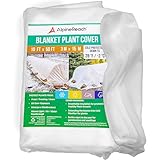
- ALL-SEASON PLANT PROTECTION - Safeguard your plants through the harsh winters with our breathable Plant Frost Cover, designed to shield against frost, freezing temperatures, snow, and harsh winds. Extend your growing season into the colder months while ensuring your plants thrive year-round.
- PROMOTES HEALTHY GROWTH - Our frost cover acts as an insulation layer, creating a microclimate that keeps plants warmer in cold weather. This helps prevent frost damage and promotes healthier growth, giving your plants a head start in the growing season and accelerating germination.
- BREATHABLE & PERMEABLE DESIGN - Engineered to allow essential light, air, and water to penetrate while keeping out the cold. Your plants receive the necessary nutrients for growth without being smothered, making it ideal for delicate seedlings and established plants alike.
- UV SUN SCORCH & WIND PROTECTION - Not just for the cold, this cover also offers UV protection to prevent sunburn scorching during unexpected winter sun exposure, while also serving as an effective windbreaker, reducing plant stress caused by strong winds.
- DURABLE & EASY TO USE - Made from high-quality, reusable materials, our Plant Frost Cover is easy to install and remove, making seasonal transitions simple. Its durable construction ensures long-lasting protection, giving you peace of mind through multiple winters.
What should I do on the day frost is forecast?
Water carefully
Water the root zone when the soil is not already saturated. Moist soil stores and reradiates more heat than dry soil, but poorly drained ground can damage roots. Do not create standing water in an attempt to add protection.
Harvest tender crops
Pick ripe tomatoes, peppers, cucumbers, basil and other tender crops before the significant frost. Leave cool-season crops such as kale and collards when possible; their quality can improve in cool weather.
Also popular on Amazon

- ALL-SEASON PLANT PROTECTION - Safeguard your plants through the harsh winters with our breathable Plant Frost Cover, designed to shield against frost, freezing temperatures, snow, and harsh winds. Extend your growing season into the colder months while ensuring your plants thrive year-round.
- PROMOTES HEALTHY GROWTH - Our frost cover acts as an insulation layer, creating a microclimate that keeps plants warmer in cold weather. This helps prevent frost damage and promotes healthier growth, giving your plants a head start in the growing season and accelerating germination.
- BREATHABLE & PERMEABLE DESIGN - Engineered to allow essential light, air, and water to penetrate while keeping out the cold. Your plants receive the necessary nutrients for growth without being smothered, making it ideal for delicate seedlings and established plants alike.
- UV SUN SCORCH & WIND PROTECTION - Not just for the cold, this cover also offers UV protection to prevent sunburn scorching during unexpected winter sun exposure, while also serving as an effective windbreaker, reducing plant stress caused by strong winds.
- DURABLE & EASY TO USE - Made from high-quality, reusable materials, our Plant Frost Cover is easy to install and remove, making seasonal transitions simple. Its durable construction ensures long-lasting protection, giving you peace of mind through multiple winters.
Prepare covers and supports
Set out the fabric, clips and hoops during daylight. A cover that is ready at dusk is more likely to be installed correctly than one assembled after temperatures drop.
How do I cover plants on the frost night?
- Cover before sunset. Early installation helps trap heat radiating from the soil.
- Reach the ground. Extend the cover from the plant’s widest point straight down to the soil and secure every edge. NC State Extension specifically advises covering “all the way to the ground, straight down from the widest point.”
- Support heavy material. Hoops, stakes or a frame keep heavier sheets from crushing foliage. Purpose-made frost cloth can rest on foliage when its instructions allow it.
- Keep heat sources safe. During an unusual hard freeze, use only a properly rated outdoor light or other approved heat source, keep it away from leaves and fabric, and monitor it for fire risk. Never improvise with an indoor appliance or an exposed flame.
| Method | Best use | Important limitation or safety point |
|---|---|---|
| Move container indoors | Single pots and the most frost-sensitive plants | Most reliable when a suitable sheltered space is available |
| Frost cloth or row cover | Beds and repeated frost events | Reusable; secure edges to the soil and follow product limits |
| Sheet | Inexpensive, short-duration protection | Support heavy fabric and remove or ventilate it after warming |
| Cloche or cold frame | Small plants or a compact planting area | Limited coverage; requires ventilation as temperatures rise |
Different weights of frost cloth provide about 4 to 8 degrees Fahrenheit of protection, according to University of California Agriculture and Natural Resources (2020). Actual protection depends on the installation, wind, plant exposure and how long temperatures remain below freezing.
Also popular on Amazon

- Comprehensive Winter Protection for Your Garden: Our outdoor plant covers provide complete freeze protection for strawberries, vegetables, tomatoes, fruit trees, citrus plants, shrubs, and potted plants throughout the winter. This frost cloth plant freeze protection shields delicate plants from sudden temperature drops, frost, and strong winds, ensuring they survive harsh winter conditions. Ideal for those looking for frost blankets for outdoor plants and reliable plant freeze protection covers.
- Lightweight and Breathable Floating Row Cover: Made from 0.9 oz/sq non-woven, breathable frost fabric for plants, our frost row cover allows essential air, moisture, and sunlight to reach your plants. This frost cover helps regulate sunlight exposure to prevent overheating and maintain stable soil temperatures, ensuring optimal growing conditions, this planket frost protection plant cover guarantees healthy growth.
- Reusable Freeze Cloth for Outdoor Plants: No need to remove and replace the frost cloths for outdoor plants daily. Easily cut to fit various sizes and shapes, wrap the plant protector for winter around trees and shrubs, or lay it directly over potted plants, flowers, vegetables, raised beds, or grow tunnels. This garden bed row cover can be secured with stones, stakes, or supported with garden hoops or frames.
- Versatile Floating Row Cover: Our winter plant covers freeze protection products offer multiple functions, including garden beds frost protection, snow resistance, animal barriers, insect barriers, and shade cover. The plant frost protection covers shield your plants from frost, wind, snow, ice, and freezing temperatures in late fall and winter. In spring and summer, these frost protection for outdoor plants defend your garden against strong sunlight, insects, and birds.
- Extended Growing Season: Frost blankets for plants and plant covers for winter for vegetables frost protection allow gardeners to plant earlier in the spring or extend their growing season into the winter. The garden covers for raised beds helps retain warmth during cold nights, promoting faster seed germination and seedling growth, leading to earlier harvests and increased yields.
What do I do the morning after the first freeze?
- Ventilate or remove temporary covers. Once temperatures rise above freezing and sunlight can heat the covered space, remove ordinary sheets and plastic or open them for ventilation. Frost cloth designed for extended use may remain temporarily if its product instructions permit.
- Delay pruning. Brown or wilted leaves and stems do not always reveal the full extent of injury. Wait for spring growth to show which woody sections survived, then prune confirmed dead portions.
- Inspect containers and soil. As soil thaws, check for broken stems, split containers and waterlogged areas. Frozen soil can temporarily prevent roots from taking up water; water when the root zone needs it after the freeze.
- Record what happened. Note the actual low, the coldest locations and which covers worked. Those observations improve next year’s timing more than an average date alone.
How can I make next year’s checklist easier?
Save your local frost chart, add a recurring calendar reminder for the start of your watch window, and store covers with clips and supports in a labeled, dry container. Keep the thermometer where it can be checked quickly. At the end of the season, record which plants were harvested, moved or covered and where frost appeared first. This creates a site-specific plan that accounts for your yard’s microclimates rather than relying only on a regional average.
Frequently Asked Questions
Does mulch stop a first frost from damaging leaves?
Mulch can slow heat loss from the root zone, but it does not protect exposed foliage. Cover the plant canopy or move the container when the leaves are frost-sensitive.
Also popular on Amazon
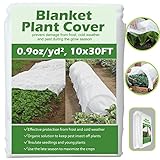
- ※Big Size to cover large area : The size of our plant cover is 10x30ft, the size can cover large areas. You can cut the plant covers freeze protection into different sizes for different use. You can cover it over the plant such as shrub tomato, pepper, pumpkin, and so on.
- ※Lightweight and Breathable MATERIAL Good for protecting Plant: the plant frost cover material is 0.9 oz/sq² non-woven polypropylene fabric which is lightweight breathable. The plant blanket frost protection allows sunlight reach the plants, perfect for protecting plant from the damage of freeze or frost.
- ※Wide Application In your Garden Work. The plant row cover not only can work as a barrier against frost , but also can be a great tool for germination and good for rapid seedling growth. By using the fabric plant covers over your plant, you can stat the plant earlier in the spring and extending the growing season of your plants.
- ※How to Use the plant Covers: you can cover the plant covers for freeze over your the plants loosely directly and then secure the plant frost blanket with soil, stones or staples. You can also support the floating row covers with a hoop, make enough room for plants to breath and grow. You could also cut the plant covers into different sizes for different purposes.
- ※SATISFACTION CUSTOMER SERVICE: We don’t just sell plant cover for cold weather, Our helpful and knowledgeable team is available anytime to provide advice and answer any questions to ensure you get the possible results. Have a nice shopping experience on our amazon store.
Can plastic touch my plants overnight?
Ordinary plastic can transmit cold to contacting leaves and may trap damaging condensation. Keep it off foliage with hoops or stakes, seal the edges to the ground, and remove or ventilate it after temperatures rise.
How long can a plant stay covered?
That depends on the material, sunlight and temperature. Remove or ventilate sheets and plastic after the freeze; leave extended-use frost cloth only for the period allowed by its product instructions.
Why did one part of my yard frost while another did not?
Cold air settles in low areas, while walls, buildings, windbreaks and nearby water can moderate temperatures. Measuring separate locations with minimum/maximum thermometers reveals these microclimates.

