Yes—but an outdoor faucet cover is supplemental protection, not the main winterization step. Before freezing weather, disconnect every hose and attachment, shut off and drain conventional hose bibs, check for leaks, and protect any exposed pipe. Then install a snug cover over each faucet. A cover reduces wind exposure and helps retain heat at the wall, but it cannot drain trapped water or prevent a burst pipe if the faucet is leaking, improperly installed, or connected to a hose.
Why outdoor faucets freeze and burst
Water expands as it freezes. When water is trapped inside a faucet or pipe section with nowhere to expand, the resulting pressure can split the faucet body, valve, or nearby supply pipe. The damage may remain hidden until the ice thaws and pressurized water begins leaking.
Outdoor faucets are especially vulnerable where they connect to piping near an exterior wall, unheated crawl space, garage, basement, or drafty wall penetration. The faucet itself may be exposed to cold air while the connected pipe remains close enough to the exterior to freeze.
As an Amazon Associate I earn from qualifying purchases.
That is why winter preparation has two parts:
- Remove or drain the water that could freeze.
- Reduce cold-air exposure around the fixture and adjacent pipe.
A cover helps with the second part. It does not replace the first.
What an outdoor faucet cover actually does
A foam, rubber, or rigid plastic cover fits over the hose bib and seals reasonably tightly against the wall. It reduces direct exposure to wind and cold air and helps retain some heat conducted through the building wall. Utilities such as Bedford Water recommend covers for both conventional and frost-free outdoor fixtures.
#1 Best Overall

- Protects outdoor faucets from freezing, wind and chill
- Easy to install
- Eco Friendly Option and Energy Efficiency
- 4 Pack
- Made in the USA
Use a cover when:
- the faucet is exposed to freezing weather;
- the fixture is on a drafty exterior wall;
- the faucet is connected to piping near an unheated space; or
- you want an inexpensive extra layer of protection after the line has been drained.
Choose a cover that is large enough to fit over the entire faucet and tight enough to sit against the wall without a major gap. A wet, damaged, or poorly fitted cover is less useful than a dry, snug one. An outdoor faucet cover is a practical accessory for this final protective step, but it should be installed only after hoses and other attachments have been removed and the line has been winterized.
First identify what type of hose bib you have
The correct winterization procedure depends on whether the faucet is conventional or frost-free. Do not assume that a faucet is protected simply because it is labeled “freeze-proof” or because it has a cover.
Conventional hose bib
A conventional hose bib usually has its shutoff close to the outdoor end of the fixture. Unless there is a separate indoor shutoff and drain, water can remain in the exposed or wall-adjacent portion after the faucet is closed.
For this type, closing the outdoor handle alone may leave enough water trapped to freeze. The line should be isolated from inside and drained.
Frost-free or freeze-resistant hose bib
A frost-free hose bib has a longer valve stem. When correctly installed, the valve closes inside the insulated wall rather than at the exposed outdoor end. With the faucet open or closed as designed, the outdoor section can drain after the water supply is shut off.
This design reduces freeze risk, but it does not make the fixture invulnerable. A connected hose, splitter, timer, or quick-connect fitting can prevent drainage. A frost-free faucet can also freeze if the wall connection is in an unheated or drafty location, if it was installed without the correct downward slope, or if unusually severe cold reaches the valve and connected pipe.
Free tools Windows power users keep installed
One-click scans. No signup required.
Older homes may not have an accessible drainable indoor shutoff. In that situation, adding one or replacing the fixture with a properly selected frost-free wall hydrant may be a better long-term solution than relying on a cover alone. Fixture length, wall thickness, connection type, slope, insulation, and local requirements all matter.
How to winterize an outdoor faucet
1. Remove every attachment
Disconnect the garden hose, splitter, Y-connector, quick-connect fitting, irrigation timer, spray nozzle, and any other device. Do this even if the faucet is frost-free.
Rank #2

- ❄【High Compatibility】-- Faucet covers for winter measures 6.7" W x 8.3" H, Works well with various faucet types, such as garden spigots, hose bibs, water tap, keep faucets protected in freezing weather.
- ❄【Easy To Install and Remove】-- Spicket cover outside No more tools and screws.ust slide covers onto the faucet; fasten it with hook-and-loop straps & cord. Measier to use than some foam covers or hook & loop tape styles.
- ❄【Superior Protection】-- Very thick faucet cover design.In winter protecting your outside faucets from freezing and bursting. In summer prevent faucets from the blazing sun or the rust. Help save costly repairs.
- ❄【Against freezing & Waterproof Material】-- Outside faucet cover freeze protection outer surface is 600D Oxford protection water coating, which prevents rainwater from entering. the middle was filled with special PP insulated cotton.Three-layer design have Some good insulation effects. effectively keep the faucet dry and warm during.
- ❄【Please confirm again】--- Our water faucet covers for outside size and packaging is 6.7" W x 8.3" H, Set of 2,If you don't know the size of your faucet, you can try to buy it. If it is not compatible with your faucet or the product is damaged, please contact our customer service team at any time, we will refund or replace you within 24 hours.
Attachments can trap water inside the faucet and stop a frost-free fixture from draining. A hose left connected can also hold water against the faucet during a freeze. Store hoses indoors or in a protected location after allowing them to drain.
2. Inspect the faucet for leaks
Check the handle, spout, packing area, and the point where the faucet enters the wall. Repair dripping or leaking fixtures before freezing weather. A leak may indicate a failed washer, cartridge, packing component, or valve—and can leave water in a location that should drain.
Quick wins for a faster PC:
Scan for outdated or missing drivers - takes under a minuteDriver Scan →Repair Windows errors before they cause bigger problemsFix Now →If water is leaking from behind the wall plate, from the wall penetration, or from a pipe inside the building, turn off the water supply and arrange a repair rather than covering the problem.
3. Shut off and drain a conventional faucet
- Locate the indoor shutoff serving the outdoor faucet. It may be in a basement, crawl space, utility room, garage, or near the point where the pipe passes through the wall.
- Close the shutoff fully, without forcing it.
- Open the outdoor faucet to relieve pressure and let water drain.
- If the indoor shutoff has a bleed, drain, or stop-and-waste port, open it carefully to drain the remaining water.
- Leave the outdoor faucet open while the line drains, unless the manufacturer’s instructions specify otherwise.
- Close or recap the drain port as appropriate after draining. A missing cap can allow leakage when the system is repressurized.
Some lines develop an air lock and do not drain completely until the small drain cap or bleed screw is removed. Boshart’s winterization guidance explains this drain-and-bleed procedure. If you cannot find the shutoff, the line will not drain, or the drain port is damaged, stop rather than forcing a valve or removing a component you cannot replace.
4. Confirm that a frost-free faucet can drain
Remove all attachments, close the outdoor handle, and check the installation and manufacturer instructions. The fixture must be able to drain through its outdoor outlet. If water remains trapped, the faucet is installed incorrectly, the wall connection is exposed to freezing conditions, or a component is obstructing drainage, it needs evaluation.
A frost-free faucet is not a license to leave a hose attached over winter.
Windows Errors? Fix Them Before They Spread
Repair common Windows errors and clear accumulated junk for a smoother, more stable PC - no reinstall needed.Free scan · no reinstallCrashes, No Sound, or Screen Glitches?
Random freezes, missing sound and display glitches usually trace back to one bad driver. Find and replace yours safely.Free scan · under a minute5. Install the faucet cover
Once the line is disconnected and drained, fit the cover over the faucet. Press it firmly against the wall and use the supplied fastening method so wind cannot dislodge it. Do not compress or damage the faucet, and do not cover an active leak.
Rank #3
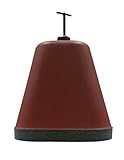
- Cover has a hard outer plastic shell to prevent freeze up in the winter season
- Protect from freezing, wind, and chill
- Insulate and protect regular and stand outdoor faucets
- Easy to install
- Hard. Outdoor. Faucet Cover.Insulates Faucet To Prevent Winter Freeze-up.Hard Plastic Outer Shell, Plus Poly Foam.Inner Cover Provides A Long Lasting Insulation.Protects From Freezing Wind, And Chill
Foam and hard-plastic covers are common options; Frost King describes foam faucet-cover products. The specific material matters less than a sound fit, weather resistance, and compatibility with the shape of the fixture.
6. Protect exposed supply piping
Look beyond the faucet. If the pipe is visible in a crawl space, garage, basement, or unfinished wall area, protect that pipe with suitable foam pipe insulation and seal drafts around the wall penetration where appropriate. Insulation should fit the pipe and be installed according to its instructions; it should not be treated as a substitute for shutting off and draining a conventional hose bib.
A faucet cover cannot protect a long exposed pipe run or a pipe located entirely in an unheated space. In particularly vulnerable construction, additional freeze protection or a plumbing alteration may be necessary.
Common mistakes that make faucet covers ineffective
- Leaving a hose attached: The hose can trap water and prevent a frost-free faucet from draining.
- Covering a leaking faucet: The cover does not repair a failed washer, cartridge, packing seal, or valve.
- Closing only the outdoor handle: A conventional faucet may still contain water in the exposed section.
- Ignoring the indoor pipe: A cover does little for a supply line running through an unheated crawl space or garage.
- Assuming “frost-free” means foolproof: Installation, slope, insulation, attachments, and local conditions still affect performance.
- Using a loose or damaged cover: Gaps and wind can reduce the cover’s insulating benefit.
- Waiting until the first hard freeze: A shutoff may be difficult to find, a leak may go unnoticed, and a frozen line may already be damaged.
Do building codes require outdoor faucet covers?
Code requirements vary by jurisdiction, climate, and the edition of the plumbing code adopted locally. Model plumbing provisions generally require piping exposed to freezing conditions to be protected. The International Plumbing Code freeze-protection provision is a useful reference, but it is not a substitute for checking the code enforced where the home is located.
In practical terms, a local code may address the installation of an interior stop-and-waste valve, the placement and insulation of a frost-proof fixture, or protection for water piping in an unheated area. A cover is generally an accessory measure, not a universal code-approved substitute for proper plumbing design.
When a cover is not enough
You need more than a seasonal cover when:
- there is no accessible indoor shutoff for a conventional hose bib;
- the faucet or pipe has frozen or burst before;
- the faucet leaks from the wall or handle;
- the wall penetration or connected pipe is in an unheated or highly drafty space;
- the line will not drain after the shutoff is closed;
- the fixture is too short, incorrectly sloped, or otherwise improperly installed; or
- you need to replace a conventional faucet with a frost-free model.
A drainable indoor shutoff valve can make conventional hose-bib winterization more reliable, but installing one may require cutting into existing plumbing and complying with local requirements. A frost-free hose bib can be a sound replacement path, but it is not a universal drop-in purchase: the correct length, connection, wall construction, slope, and installation method must be confirmed first.
Independent reader supportYour contribution helps us test, update, and keep practical guides available for everyone.When to call a plumber
Arrange professional evaluation if you cannot locate the indoor shutoff, the line will not drain, the shutoff will not operate, or the faucet leaks from the wall, handle, or supply connection. Professional help is also appropriate when replacing the fixture, adding a drainable shutoff, correcting a poorly installed frost-free faucet, or protecting piping that runs inside an inaccessible wall or crawl space.
What’s actually slowing this PC down?
Pick the symptom - the matching free tool is one click away.
If a pipe freezes, open the faucet if possible and shut off the water supplying it. Never use an open flame to thaw a pipe. A plumber should inspect the line if it has split or if the pipe is inaccessible.
After a freeze, inspect the basement, crawl space, wall area, or utility room before leaving the system pressurized for normal use. A split pipe may not leak until the ice thaws. If there is any sign of water damage, shut off the supply and have the area checked.
Rank #4

- The product is manufactured in China
- The product is highly durable and easy to use
- Easy installation and easy handling
- The product is manufactured in China
- Easy installation and easy handling
A simple winter checklist
- Remove hoses, splitters, timers, quick-connect fittings, and nozzles.
- Check every outdoor faucet for drips and leaks.
- Identify whether each fixture is conventional or frost-free.
- Close the indoor shutoff for every conventional faucet.
- Open the outdoor faucet and use the bleed or drain port if provided.
- Verify that frost-free fixtures can drain and are not obstructed by attachments.
- Insulate exposed adjacent pipe and seal obvious drafts around penetrations.
- Install a snug, dry outdoor faucet cover.
- Check the plumbing again after a severe freeze or thaw.
Bottom line: cover outdoor faucets, but do the plumbing first
Outdoor faucet covers are worthwhile low-cost insurance, especially on exposed or drafty walls. But the essential protection is disconnecting all attachments, shutting off and draining conventional hose bibs, confirming that frost-free fixtures can drain, and repairing leaks. If the plumbing remains vulnerable after those steps, the durable solution may be a drainable indoor shutoff, better insulation and air sealing, or a correctly selected frost-free hose bib installed by a qualified professional.
Frequently Asked Questions
Should I cover a frost-free outdoor faucet?
Yes. A cover provides supplemental protection against wind and cold air, even though a properly installed frost-free faucet shuts off inside the wall and is designed to drain. Remove every hose and attachment first.
Do I need to cover an outdoor faucet if I shut off the indoor valve?
You should still drain the outdoor line and cover the faucet when freezing weather is expected. The cover reduces exposure, while the shutoff and draining remove the water most likely to cause freeze damage.
Can I leave a hose attached to a frost-free faucet in winter?
No. A connected hose, splitter, timer, or quick-connect fitting can prevent the faucet from draining and increase the risk of freezing.
What should I do if I cannot find the indoor shutoff?
Do not guess or force valves. Trace the pipe from the outdoor faucet through the basement, crawl space, garage, or utility area. If the shutoff remains inaccessible or the line cannot be drained, have a licensed plumber evaluate it before freezing weather.
Can an outdoor faucet cover prevent a pipe from bursting?
Not by itself. A cover cannot drain trapped water, fix a leak, protect a long exposed pipe run, or correct an improperly installed frost-free faucet.
Do these 3 things before closing this tab:
1Scan for outdated or missing drivers - takes under a minute2Clear out junk files and repair common Windows errors3Fix the driver behind crashes, sound loss and screen glitchesQuick Recap
Product prices and availability are accurate as of the date/time indicated and are subject to change. Any price and availability information displayed on Amazon at the time of purchase will apply.




