Do these 3 things before closing this tab:
1Scan for outdated or missing drivers - takes under a minute2Clear out junk files and repair common Windows errors3Fix the driver behind crashes, sound loss and screen glitchesSurface mining and underground mining are the two broad ways to extract coal. Surface mining removes soil and rock above a seam to reach it; underground mining uses shafts and tunnels to reach deeper deposits. In general, the U.S. Energy Information Administration (EIA) says surface mining costs less, but it tends to disturb more land. Underground mining usually has a smaller visible footprint, yet it can cause subsidence, acidic drainage and substantial methane emissions.
What is the difference between surface and underground coal mining?
The distinction is where the work takes place. Surface operations remove overburden—the soil and rock covering a coal seam—then extract coal from the exposed deposit. Underground operations develop access through shafts and tunnels, then mine coal below the surface. The EIA describes surface mining as often used for coal less than 200 feet underground and underground mining as typical for deeper coal. That is a U.S. rule of thumb, not a universal engineering cutoff: seam thickness and shape, terrain, overburden, safety, technology and project economics also influence the choice. EIA’s coal mining and transportation overview explains the methods.


As an Amazon Associate I earn from qualifying purchases.
| Comparison | Surface mining | Underground mining |
|---|---|---|
| Typical deposit | A relatively shallow seam where removing the overburden is feasible | A deeper seam reached through shafts and tunnels |
| Work sequence | Remove soil and rock, expose and excavate the coal, then reclaim disturbed areas | Develop access, ventilate and support underground workings, then extract coal |
| General cost direction | The EIA says it is generally less expensive | The EIA says it is generally more expensive |
| Typical surface effects | Greater direct disturbance and landform change | Usually less visible disturbance, but subsidence can affect the ground above |
| Key environmental concerns | Land disturbance, spoil placement, runoff and potential stream or ecosystem effects | Subsidence, acidic drainage and methane; underground safety hazards also require management |
How do the methods work?
Surface mining
Large equipment removes the overburden so crews can access the coal seam. Strip mining is one surface method. In some Appalachian settings, mountaintop removal and area mining involve removing layers above seams, extracting coal, placing excess spoil and progressively regrading and revegetating disturbed ground. The EPA describes these methods and their regional context in its Appalachia surface coal mining overview.
Underground mining
Underground mines use shafts and tunnels to reach seams that are too deep or otherwise unsuitable for surface extraction. Longwall mining can be highly productive, but it is suited to coalbeds that are flat, thick and uniform; it is not a fit for every deposit. Seam geometry and local geology therefore matter as much as depth when selecting a method.
Is surface mining cheaper?
Generally, yes: the EIA says surface mining is less expensive than underground mining. This is a relative comparison, not a current dollar-per-ton price or a fixed cost ratio. Surface operations avoid some of the underground development, ventilation and tunnel work required for deep deposits, while they must remove and manage overburden and reclaim disturbed land. Actual costs depend on the site and operation.
Mining cost is also not the same as delivered coal cost. The EIA notes that transporting coal can cost more than mining it, so distance to buyers and access to rail or barge routes can shape delivered economics.
Which method has the greater environmental impact?
Neither method is impact-free, and “worse” depends on which effects matter. Surface mining makes more direct changes to land; underground mining generally disturbs less of the visible landscape but can affect the surface and has significant methane and water concerns.
Windows Errors? Fix Them Before They Spread
Repair common Windows errors and clear accumulated junk for a smoother, more stable PC - no reinstall needed.Free scan · no reinstallCrashes, No Sound, or Screen Glitches?
Random freezes, missing sound and display glitches usually trace back to one bad driver. Find and replace yours safely.Free scan · under a minuteLand and streams near surface mines
Removing overburden changes land directly, and spoil placement and runoff can affect nearby waterways. In parts of West Virginia and Kentucky, mountaintop removal can remove mountaintops and bury streams under rock and dirt. Drainage from these sites can carry pollutants that harm downstream aquatic wildlife. These are specific regional impacts, not a description of every surface mine. The EIA summarizes land and stream concerns in its coal and environment overview; the EPA details stream ecosystem effects in its Appalachia explainer.
Rank #3

- Complete rock hammer geology tools: This complete geological tool set includes rock pick hammer, chisels, brushes, folding shovel, magnifier, compass, preserved gear, Aluminum box, tweezers, divider box, and a Canvas bag for Rockhounding & Gold Mining
- Durable & safe chisel set – This rock hammer and chisel set built for splitting rocks, prying fossils, and breaking concrete in geological surveys and mining tasks. The shock‑absorbing handle with integrated hand guard protects you from overstrikes and missed hits, making it ideal for cutting, splitting, carving, and demolishing brickwork, concrete, metal, and stone with confidence
- Defensive tools: The kit includes preserved equipment to preserve you, such as gloves, preserved glasses, a whistle, and a compass.Rock cracking kit also includes a cleaning brush and a storage box for collecting your findings
- Geology kit bag: It comfortably carries all tools plus your discoveries (rocks, minerals, gems, or fossils), keeping your rockhounding tools organized
- Various outdoor applications: Rock hounding equipment provides rock hammer geology tools for gold panning, rock digging, and field discovery, making it a ready-to-use rock excavation kit for any adventure.Whether you're a hobbyist, student, seasoned collector, rock hounding equipment for adults collecting tools to inspire discovery and discovery in any terrain
Subsidence, drainage and methane from underground mines
Ground above underground workings can subside or collapse, and acidic water may drain from abandoned mines. Methane trapped in coal seams can accumulate in underground workings, creating a safety hazard that must be managed. The EPA says underground mines account for the vast majority of coal-mining methane emissions in the United States and worldwide, although surface mines also emit methane. Its coal mine methane overview explains the distinction.
What U.S. production and emissions figures show
About 63% of U.S. coal production came from surface mines in 2022, according to the EIA. That is a historical U.S. production share for that year, not a global figure or a current estimate for 2026.
Rank #4
The EIA estimated that methane from active and abandoned U.S. coal mines together accounted for about 7% of total U.S. methane emissions and about 1% of total U.S. greenhouse gas emissions in 2021. Those figures combine active and abandoned mines and do not divide emissions between surface and underground mining. Separately, the EPA reported that coal mining and abandoned coal mines accounted for about 8% of total U.S. methane emissions in 2019. The figures cover different years and inventories, so they should not be treated as directly comparable estimates.
Recommended Free Tools
What U.S. reclamation requirements do—and do not—mean
U.S. law requires controls for dust and water runoff and reclamation of affected mine areas. Surface mine operations are generally required to reclaim toward “approximate original contours” unless a regulator has authorized a waiver, as the EPA explains in its Appalachia mining overview. Regrading and revegetating a site do not establish that its pre-mining ecosystem has been restored. The federal statute’s findings recognize that surface mining can disturb land and affect commerce and public welfare; see 30 U.S.C. § 1201.
Quick Recap
Best Value
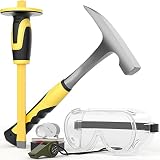
- Rock Pick Value Package : Come with a 32 oz. rock pick hammer, 1pcs mason rock chisel and 3 in one whistle (thermometer, compass) ,glasses and mini hand lens magnifier, necessary equipment that will you need.
- Stainless Steel Rock Hammer : Drop forged one-piece all steel head-handle construction with fully polished finish and additional rust-preventative clear coating for maximum strength and durability.
- Safe Rock Hammer and Chisel Set : Shock-absorb handle with hand guard,provide you great protections from overstrikes and missed hits,ideal for cutting/splitting/carving/demolishing brickwork, concrete, metal, and stone.
- Plastic Magnifying Lens : with comfortable ergonomic handle,it is great for kid‘s close observation for those items like insects, coins, rocks and gem collection (5X ).
- Your Essential Rockhounding Tools : Great for the experienced rock collector, gem hunter, hobbyist. fossil digging. If you are not satisfied with INCLY rock hounding equipment , we’re very happy to either provide a no-questions-asked Refund or Replacement. Order today risk free!
Product prices and availability are accurate as of the date/time indicated and are subject to change. Any price and availability information displayed on Amazon at the time of purchase will apply.




