Your first construction-tool purchase should be a coordinated loadout, not a random collection of gear. Start with the written tool list from your employer or apprenticeship program, then buy versatile hand tools and hazard-matched personal protective equipment (PPE) for the work you are actually assigned. Do not assume you must provide power tools, batteries, chargers, a compressor or every item of PPE: ownership and replacement policies vary.
This guide puts purchases in a sensible order, explains what each item is for, and shows how to check fit, compatibility, maintenance and safety before you spend money.
As an Amazon Associate I earn from qualifying purchases.
Start with the employer’s written list
Ask your supervisor, apprenticeship coordinator or site safety contact for the current tool and PPE list before buying anything. The same apprentice may need a different loadout in framing, concrete, trim, demolition, electrical work or general labor. A written list also tells you which items are supplied, which must be personal, and whether a particular size, voltage platform, blade type or approved safety rating is required.
What’s actually slowing this PC down?
Pick the symptom - the matching free tool is one click away.
Questions to settle before shopping
- Which hand tools must I own on the first day?
- Does the employer provide hard hats, eye protection, hearing protection, gloves and high-visibility clothing?
- Who supplies power drills, batteries, chargers, saws, sledgehammers and air compressors?
- Who replaces worn or damaged employer-issued equipment and PPE?
- Are there site rules for utility-knife blades, tool belts, personal ladders, corded equipment or battery brands?
- Which footwear features are required: slip resistance, puncture resistance, safety toes or electrical protection?
Keep the answer in writing. If a foreman gives a verbal exception, confirm it by text or email so you do not arrive with equipment that cannot be used on that site.
#1 Best Overall

- Forged steel head for superior durability
- ProTouch grip for maximum comfort even after prolonged use
- Smooth face leaves fewer marks on surfaces
- Fiberglass construction absorbs vibration and reduces fatigue
- Hybrid handle design is rounded for more comfort and fit with a curved base to prevent slippage and a hardened end cap
Buy in this order
The table below separates broadly useful items from equipment that should wait until the assignment is known.
| Priority | Item | Why it belongs here | Confirm first |
|---|---|---|---|
| First | Claw hammer | Useful for ordinary nailing and commonly shown in OSHA construction training examples. | Required weight, handle style and whether a hammer is issued. |
| First | Carpenter’s or utility knife | Cuts plastic sheeting and similar materials when the task permits. | Blade-security rules and whether spare blades may be carried. |
| First | Hand saw | Provides basic cutting capability without depending on a powered tool. | Saw type for framing, trim, demolition or another trade. |
| First or employer-issued | Eye, foot, hand, head and hearing protection | Controls specific hazards and must fit correctly. | What the employer supplies, approved ratings and replacement policy. |
| After assignment is clear | Tape, square, level and chalk line | Essential for layout, but the required specification depends on the trade and program. | Length, accuracy, graduations and site requirements. |
| Usually supplied or later | Power drill or driver | Useful, but ownership, batteries and chargers are often controlled by the employer. | Voltage platform, accessories, training and lockout rules. |
| Task-specific | Sledgehammer | OSHA training uses it for driving metal stakes; it is not a universal first purchase. | Whether the assignment actually requires it and what weight is safe. |
| Task-specific | Air compressor and pneumatic tools | Needed only where the job uses compressed air equipment. | Employer supply, hose fittings, pressure limits and operator training. |
Core hand tools
Claw hammer
A claw hammer is the practical default search term for a general construction hammer. OSHA’s construction trainer guide uses a hammer for nailing 2x4s, but it does not prescribe a universal weight or handle. A heavier head can drive nails efficiently yet increase fatigue and control demands; a lighter model may be easier to handle during repetitive work. Follow the weight and style used by your crew rather than copying another trade.
Before buying, check that the head is securely attached, the striking face is not mushroomed or chipped, and the handle has no cracks, looseness or sharp splinters. Choose a grip that remains controllable with gloves. A smooth, clean face and a sound claw matter more than decorative features.
Outdated Drivers Are Slowing You Down
One free scan finds every outdated or missing driver and matches the right update for your exact hardware.Free scan · exact hardware matchPC Slower Than It Used to Be?
A free scan shows the junk files, broken settings and background clutter dragging Windows down - then fixes them in one click.Free scan · Windows 10 & 11Carpenter’s or utility knife
OSHA uses a carpenter’s knife for cutting plastic sheeting. Select a knife with a secure blade mechanism, a handle that can be controlled while wearing the required gloves, and a guard or locking feature that prevents accidental opening. Carry spare blades only when site rules permit them; store them in a closed container, never loose in a pocket or tool bag.
Inspect the blade before each use. A dull or damaged blade requires more force and is harder to control. Cut away from your body, keep the other hand out of the blade path, and use a cutting surface when the task allows. Return the blade fully into its housing before carrying the knife.
Hand saw
OSHA lists a saw in its tool-safety activity, but “hand saw” covers several designs. Framing, trim, demolition and specialty work each favor different tooth patterns and lengths. Wait until you know the assignment, then ask an experienced carpenter which saw the crew actually uses. A saw that is technically capable but poorly suited to the material wastes time and encourages excessive force.
Rank #2
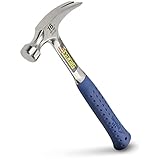
- RIP CLAW VERSATILITY – Estwing hammers are ideal for pulling nails, prying boards, demolition work, and more. The longer handle provides increased striking power making your job easier.
- BUILT FOR THE PRO – The optimal claw hammer for framers, roofers, carpenters, contractors, tradesman & serious DIYers.
- FORGED IN ONE PIECE - Forged using one solid piece of American steel. This means no poor quality castings or welds to fail. The result is the most durable, longest lasting striking tool available.
- PATENTED SHOCK REDUCTION GRIP - Reducing impact vibration by 70%, Estwing's molded shock reduction grip provides optimal slip-free comfort, durability and superior grip in all jobsite conditions
- MADE IN THE USA – Since 1923, our tools have been proudly American made in Rockford, IL using only the finest American steel.
Check that the handle is tight, the blade is straight and the teeth are not damaged. Keep the cut line visible, support the work securely and maintain a stance that keeps your fingers clear of the stroke. Store the saw so its teeth cannot contact other tools or a person reaching into the bag.
Measuring and marking tools
A tape measure, square, level and chalk line are common layout tools, but the cited OSHA material emphasizes using the right tool rather than specifying brands, lengths or models. Ask whether your program requires a particular tape length, measurement scale, square size or level accuracy. Buy only after that requirement is clear.
Check a tape’s hook, lock, housing and readable markings. A square should sit flat without wobble; a level should have intact vials and a clean reference edge. Replace a chalk line with a frayed cord or damaged reel instead of trying to repair it in the field.
Sledgehammer
OSHA’s training example assigns a sledgehammer to driving metal stakes. That makes it a task-specific tool, not an automatic first-day purchase. If your assignment requires one, have the supervisor specify the head weight and handle length. Inspect the head-to-handle joint before every use and maintain a clear swing zone. Never swing when another worker, vehicle or unstable material could enter the arc.
PPE: match protection to the hazard
PPE is not a single universal kit. OSHA guidance calls for protection selected for the hazard, and the employer’s assessment determines what is required on a particular site. Confirm what is furnished before buying duplicates, but never decline required protection because you expected the employer to provide it; resolve the discrepancy before starting work.
Do these 3 things before closing this tab:
1Fix the driver behind crashes, sound loss and screen glitches2Clear out junk files and repair common Windows errors3Scan for outdated or missing drivers - takes under a minuteEye and face protection
Safety glasses or a face shield may be needed for flying objects and operations such as cutting, grinding and nailing. Ordinary clear glasses are not automatically adequate for every task. Ask which impact or splash protection is approved, whether side protection is required, and when a face shield must be worn over safety glasses. Keep lenses clean and replace scratched, cracked or badly fogged protection.
Rank #3

- Durability: overstrike protection where fiberglass handles are most prone to break
- Improved grip during use: over mold grip
- Driving and pulling nails
Foot protection
OSHA identifies slip-resistant and puncture-resistant soles as important construction features. Safety toes address hazards from falling or heavy objects; they do not replace slip or puncture resistance. Fit matters: boots should hold the heel, leave toe room and remain comfortable with the socks used on site. Match the sole to the surfaces you will actually walk on, and replace boots when the tread, upper or protective components are no longer reliable.
Task-specific gloves
Gloves must fit snugly without restricting movement or creating a snag hazard. No glove protects against every hazard. OSHA examples include heavy-duty rubber gloves for concrete, welding gloves for welding, and insulated gloves and sleeves for electrical hazards. Those examples are not interchangeable: concrete-resistant gloves do not make electrical work safe, and welding gloves are not a substitute for cut or chemical protection where those hazards exist.
Ask the competent person which glove material and rating match the task. Inspect seams, fingertips and cuffs; remove gloves that are torn, saturated or contaminated. Keep incompatible glove types separated in your bag so the wrong pair is not grabbed in a hurry.
Head and hearing protection
Hard hats are used where falling objects, contact with fixed objects or electrical hazards exist. Earplugs or earmuffs are used in high-noise areas. Confirm the employer’s approved model, replacement schedule and rules for accessories such as face shields or hearing-protection mounts. Inspect suspension systems and shells, keep them clean, and replace equipment after damage or according to the manufacturer’s instructions.
Fit and the current legal context
OSHA’s construction PPE revision became effective January 13, 2025 and requires properly fitting PPE. “One size fits all” is not an adequate fit policy. Adjust straps, closures and suspension systems while wearing the clothing and other PPE used on the job. Federal OSHA is the baseline; a state plan may impose more stringent requirements, so check the jurisdiction governing your site.
Power tools, batteries and compressed air
OSHA’s trainer examples include a power drill and an air compressor, but that does not mean every apprentice should purchase them. Employers often standardize battery platforms, provide chargers and control inspection, guarding and maintenance. Buying a different platform can leave you with an expensive tool that cannot be used or charged at work.
Rank #4
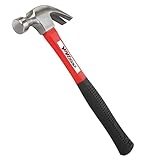
- Forged Hardened Steel Head with polished smooth face
- Fiberglass handle with shock absorbing design
- Ideal for construction, home improvement, general repairs and maintenance, woodworking, art hanging, and more
- Contoured fiberglass handle provides a comfortable grip and dampens strike vibration, reducing stress on your body
- Balanced weight for comfortable use on most general purpose jobs
Ask who is authorized to operate each tool, what training is required, and where batteries are charged and stored. Inspect cords, plugs, guards, switches, hoses and fittings before use. Follow the manufacturer’s instructions and the site’s lockout, housekeeping and cord-management rules. Do not improvise adapters, defeat guards or connect pneumatic equipment to an unknown pressure source.
Choose a tool bag or belt that supports safe work
A bag or belt should keep commonly used tools accessible without forcing you to overfill it. Place heavy items so the load is balanced, protect sharp blades and saw teeth, and keep fasteners in closed pouches. A bag that swings, catches on framing or encourages climbing with both hands creates a hazard even if every tool inside is good.
Check the employer’s rules before wearing a belt in tight spaces, around rotating equipment or while using fall protection. Clean out damaged blades, broken fasteners and concrete dust regularly. Label personal tools if the crew has shared equipment, and never assume an unmarked tool is yours to take.
Compare purchases with a repeatable framework
When two options appear similar, score them against the job rather than choosing by appearance or the lowest shelf price.
| Criterion | What to ask |
|---|---|
| Task coverage | Will this tool perform the assigned operation, or am I buying a specialty item before I need it? |
| Hazard protection | Does the PPE address the identified impact, noise, slip, puncture, chemical, heat or electrical hazard? |
| Durability and maintenance | Can I inspect, clean, adjust and replace wear parts without defeating a safety feature? |
| Fit and ergonomics | Can I control it with required gloves and clothing without excessive force, awkward posture or fatigue? |
| Employer compatibility | Does it meet the site’s approved rating, battery platform, blade rule and tool-belt policy? |
| Replacement parts | Are blades, suspension parts, batteries, lenses or other consumables available when needed? |
| Total cost | Have I included consumables, chargers, replacement parts, maintenance and the cost of an item the employer may already supply? |
There is no universal price or single best brand for an unknown trade. A modest tool that fits the assignment and can be maintained is a better purchase than an expensive tool that sits unused or violates site rules.
Inspection, maintenance and removal from service
OSHA’s guidance is direct: “Use the right tool for the job.” It also says, “Inspect your tools for damage. Immediately remove damaged tools from use.” These rules apply whether the tool belongs to you, a coworker or the employer.
Best Value

- 【Package Include】- Package includes 1pcs 8oz claw hammer. This hammer is easy to use, enough to meet your daily needs.
- 【Multifunctional Hammer Head】- The hammer head is made of forged high-carbon steel, which can quickly hammer nails into the ground/wall. The surface of the hammer head is finely polished and very smooth.
- 【Straight Rip Claw】- The claws are multifunctional. The claw can be easily pulled out of the nails, prolonged the stubborn wooden board and performed precise demolition work.
- 【Rubber Covered Handle】- This hammer has an ergonomically designed handle, the handle is especially suitable for holding in winter and will not slip during use.
- 【Wide Application】- This hammer has a wide range of application scenarios, such as carpenters, camping, family maintenance, DIY projects, etc.
Before each shift
- Look for cracked handles, loose heads, mushroomed striking faces, bent blades, damaged guards, frayed cords and broken switches.
- Check PPE for cracks, tears, worn soles, contaminated surfaces and failed adjustment points.
- Confirm that batteries, chargers, hoses and accessories match the equipment and are in safe condition.
- Make sure the work area, lighting and access route allow the tool to be used without striking people or structures.
When a defect appears
Stop using the item, identify it as damaged and notify the responsible supervisor. Do not place a defective tool back into a common box where another worker may grab it. Do not straighten, weld, tape or otherwise modify a safety-critical component unless an authorized repair process permits it. OSHA’s construction standard states: “All hand and power tools and similar equipment, whether furnished by the employer or the employee, shall be maintained in a safe condition” (29 CFR 1926.300(a)).
After use
Clean tools according to the manufacturer’s instructions, dry items that could corrode, retract or cap cutting edges, and store PPE where it will not be crushed or contaminated. Workers should operate tools according to manufacturers’ instructions and be trained to recognize hazards and precautions. If you have not been trained on a tool, ask before operating it.
Adjust the loadout to the trade
Framing and general carpentry
Prioritize the hammer, approved knife, hand saw and the measuring and marking tools specified by the crew. Confirm whether the employer supplies a drill or driver and which fasteners the work uses. Eye, head, foot and hearing protection should follow the site hazard assessment, not a generic carpenter’s checklist.
Quick wins for a faster PC:
Clear out junk files and repair common Windows errorsFree Scan →Fix the driver behind crashes, sound loss and screen glitchesFind Drivers →Repair Windows errors before they cause bigger problemsFix Now →Concrete and masonry
Ask specifically about heavy-duty rubber gloves for concrete, eye and face protection for splashes and flying material, puncture-resistant footwear and hearing protection around powered equipment. Do not substitute ordinary work gloves for the task-specific protection named by the safety assessment.
Demolition
Demolition can change hazards from one room or shift to the next. Confirm the approved saw or sledgehammer, eye and face protection, gloves, footwear, hard hat and hearing protection before entering the work area. Keep the tool bag light enough to move safely and avoid carrying a blade or striking tool that the supervisor has not authorized.
Electrical or work near electrical hazards
Follow the electrical safety program and training requirements. OSHA’s examples of insulated gloves and sleeves apply to electrical hazards, while ordinary gloves do not. Ask who verifies glove condition and testing, what head and foot protection is approved, and which tools may be used in the area.
A first-week checklist
- Obtain the written tool and PPE list and identify the employer-supplied items.
- Confirm the trade assignment, first tasks and any required tool sizes or ratings.
- Buy or borrow only the core items approved for those tasks.
- Fit boots, eye protection, gloves, hard hat and hearing protection while wearing normal work clothing.
- Mark personal tools and set up a balanced bag or belt without loose blades.
- Complete required training before using drills, compressors, saws or other powered equipment.
- Inspect every item at the start and end of each shift and report defects immediately.
Common buying mistakes and the fix
- Buying power tools first: Confirm ownership, battery compatibility and training before spending on a drill, driver or compressor.
- Choosing PPE by size alone: Match the protection to the hazard and verify proper fit under the January 13, 2025 OSHA construction PPE requirement.
- Assuming one glove works everywhere: Use the material and rating specified for concrete, welding, electrical or other hazards.
- Overloading a tool belt: Carry only what the assignment requires and keep sharp or heavy items secured.
- Keeping a damaged tool for emergencies: Remove it from service immediately and notify the responsible person.
- Buying a specialty tool without a task: Wait until the foreman or apprenticeship program identifies the need, size and approved model.
The best starter kit is the smallest set that lets you perform assigned work safely and efficiently: a sound hammer, approved knife and saw; the measuring tools your program specifies; correctly fitted, hazard-matched PPE; and only the power equipment your employer authorizes you to use. Build from the written list, inspect everything every shift, and expand the loadout as your trade and responsibilities become clearer.
The Tool Desk
Outbyte PC Repair FREERepair Windows errors before they cause bigger problemsFix Now →Outbyte Driver Updater FREEFix the driver behind crashes, sound loss and screen glitchesFind Drivers →Quick Recap
Product prices and availability are accurate as of the date/time indicated and are subject to change. Any price and availability information displayed on Amazon at the time of purchase will apply.

