What’s actually slowing this PC down?
Pick the symptom - the matching free tool is one click away.
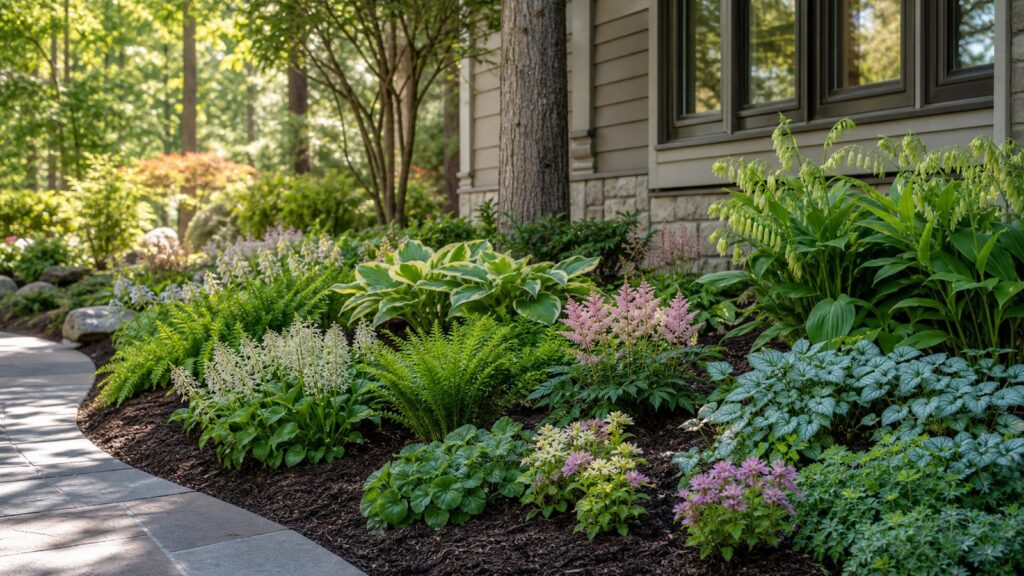
Shade does not have to mean a thin bed of mulch and a few struggling plants. The right shade perennials can turn the cool side of a house, a mature tree canopy, or the edge of a patio into a finished landscape that looks intentional for years.
The best shade perennials for most U.S. yards are hosta, Astilbe, heuchera, hellebore, Bleeding heart, Brunnera, Japanese Painted Fern, Christmas fern, Epimedium, Foamflower, Lungwort, Solomon’s Seal, Woodland Phlox, Columbine, and Japanese Anemone. The best choice depends less on the flower photo and more on four job-site conditions: how much light the bed gets, how dry the soil is, what USDA zone you are in, and whether deer browse your yard.
On our job sites, we treat shade planting the same way we treat drainage, grading, walkways, and foundation work: measure the conditions first, then pick materials that match. A $12 perennial in the right spot will outperform a $45 specialty plant in the wrong one.
As an Amazon Associate I earn from qualifying purchases.
Start by Identifying the Type of Shade
Shade is not one condition. Before buying plants, watch the bed for a full day if you can. Morning sun with afternoon shade is very different from deep shade under a maple tree.
- Part shade: Usually 3 to 6 hours of direct sun, often morning or late-day sun. This is the easiest shade condition for flowering perennials.
- Full shade: Less than about 3 hours of direct sun, or bright filtered light through tree canopies.
- Deep shade: Very little direct sun, often between buildings, under dense evergreens, or on the north side of a structure.
- Dry shade: Shade plus root competition, roof overhangs, or poor rainfall penetration. This is the hardest condition.
- Moist shade: Woodland-like soil that stays evenly damp but does not stay soggy. Many classic shade perennials thrive here.
The USDA Plant Hardiness Zone Map was updated in 2023 and remains the standard reference in 2026. It is based on 30-year averages of annual extreme minimum winter temperatures. Use it to screen plants before you spend money, especially if you are ordering specialty cultivars online.
#1 Best Overall

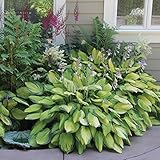
- SHADE PLANTS: Hosta 'So Sweet' is a wonderfully fragrant hosta, hence its name. It is a rapid grower with very shiny, dark green leaves and yellow margins in Spring.
- GROWTH: This hosta grows to be about 12 inches tall and 22 inches wide.
- CARE: All hostas need some shade and few, if any, will do well in strong direct sunlight. Water regularly. They will fully mature in four to eight years. For the best care of hostas, plant them in rich organic soil with a slightly acidic pH.
- FUN FACT: Hosta, also known as plantain lily, is a genus of about 40 plants native to Eastern Asia.
- LIVE PLANTS: Our plants are grown exclusively for Deep Roots and The Three Company, shipped fresh directly from our greenhouse to you!
Quick Comparison: 15 Shade Perennials Worth Planting
This table gives you the practical buying view: where each plant fits, what it costs, and what to watch for during installation.
| Plant | Best Use | Typical Light | Spacing | 2026 Plant Cost | Watch-Out |
|---|---|---|---|---|---|
| Hosta | Bold foliage, foundation beds | Part to full shade | 18-36 in. | $8-$25 | Deer favorite |
| Astilbe | Moist shade flowers | Part shade | 18-24 in. | $10-$25 | Needs consistent moisture |
| Heuchera | Foliage color, edging | Part shade | 12-18 in. | $12-$30 | Needs drainage |
| Hellebore | Early blooms, deer resistance | Part to full shade | 18-24 in. | $18-$45 | Slow to size up |
| Bleeding Heart | Spring flowers | Part shade | 24-30 in. | $12-$30 | May go dormant in heat |
| Brunnera | Silver foliage, spring blue flowers | Part to full shade | 18-24 in. | $15-$35 | Needs moisture in hot areas |
| Japanese Painted Fern | Fine texture, silver color | Part to full shade | 18-24 in. | $10-$25 | Avoid dry sites |
| Christmas Fern | Native evergreen texture | Part to full shade | 18-24 in. | $10-$25 | Slow but reliable |
| Epimedium | Dry shade ground layer | Part to full shade | 12-18 in. | $15-$35 | Costs more upfront |
| Foamflower | Native woodland ground layer | Part to full shade | 12-18 in. | $10-$25 | Prefers organic soil |
| Lungwort | Early flowers, spotted leaves | Part shade | 15-18 in. | $10-$25 | Needs airflow |
| Solomon’s Seal | Vertical structure, woodland beds | Part to full shade | 18-30 in. | $12-$35 | Spreads slowly |
| Woodland Phlox | Native spring color | Part shade | 12-18 in. | $10-$25 | Not for dry neglect |
| Columbine | Light spring flowers | Part shade | 12-18 in. | $8-$20 | Short-lived but reseeds |
| Japanese Anemone | Late-season height | Part shade | 24-36 in. | $12-$30 | Can spread in good soil |
The 15 Best Shade Perennials for U.S. Yards
1. Hosta
Hosta is the dependable workhorse for shade. Use it where you need broad leaves, mass, and clean edges around walkways, patios, and foundation beds. Chartreuse, blue-green, and variegated varieties read especially well in low light.
Most hostas prefer part shade to full shade and evenly moist soil. Space small varieties 12 to 18 inches apart and large varieties 30 to 36 inches apart. A common 1-gallon hosta usually costs $8 to $20, while large specialty cultivars can run $25 to $45 or more.
The catch is deer. In neighborhoods with heavy browsing, hosta can become expensive deer food. If deer pressure is high, use hosta only in protected courtyards, fenced beds, or near entries where browsing is less frequent.
2. Astilbe
Astilbe is one of the best flowering perennials for moist shade. Its plume-like blooms bring pink, white, red, or lavender color in late spring to summer, and the ferny foliage stays attractive after flowering.
Plant astilbe where irrigation can reach it or where the soil naturally stays damp. It is a good choice near shaded patios, downspout-adjacent beds with corrected drainage, or woodland edges. Space plants 18 to 24 inches apart. Expect $10 to $25 per plant for common sizes.
Free tools Windows power users keep installed
One-click scans. No signup required.
Do not use astilbe in dry shade under thirsty tree roots unless you are prepared to water. Crispy leaf edges are usually a moisture problem, not a fertilizer problem.
3. Heuchera, Also Called Coral Bells
Heuchera earns its place because of foliage color. Burgundy, caramel, lime, silver, and green varieties can brighten a shaded foundation bed even when nothing is blooming.
Use heuchera along walkways, porch edges, and mixed perennial borders. Most varieties perform best in part shade, with morning sun and afternoon protection. Space plants 12 to 18 inches apart. Typical retail cost is $12 to $30 per plant.
The installation detail that matters is drainage. Heuchera does not like wet crowns. Keep mulch pulled back 2 to 3 inches from the crown, and avoid planting it in low pockets where water sits after storms.
Crashes, No Sound, or Screen Glitches?
Random freezes, missing sound and display glitches usually trace back to one bad driver. Find and replace yours safely.Free scan · under a minuteWindows Errors? Fix Them Before They Spread
Repair common Windows errors and clear accumulated junk for a smoother, more stable PC - no reinstall needed.Free scan · no reinstall4. Hellebore
Hellebore is one of the most valuable shade perennials because it blooms early, often before much else is moving. The leathery evergreen or semi-evergreen leaves also give structure through winter in many regions.
Use hellebores near entries, under deciduous trees, and in beds viewed from windows in late winter and early spring. Space them 18 to 24 inches apart. They are usually pricier than basic perennials, commonly $18 to $45 each.
Hellebores are also a strong choice for deer-heavy yards. Deer resistance is never absolute, but hellebore is far less likely to be browsed than hosta.
5. Bleeding Heart
Bleeding heart is a classic spring perennial for part shade. It brings arching stems and distinctive heart-shaped flowers that work well behind lower ground-layer plants.
Do these 3 things before closing this tab:
1Fix the driver behind crashes, sound loss and screen glitches2Clear out junk files and repair common Windows errors3Scan for outdated or missing drivers - takes under a minutePlant it in spring-focused shade beds with brunnera, woodland phlox, ferns, and hellebore. Space plants 24 to 30 inches apart. Most retail plants fall in the $12 to $30 range.
Old-fashioned bleeding heart may go dormant in summer heat. That is normal. Pair it with hosta, fern, or Solomon’s seal so the bed does not look empty in July.
Rank #2
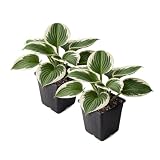
- SHADE PLANTS: This Patriot hosta has ovate leaves that have dark green centers and outstanding, crisp white, streaked margins. The margins are creamy-yellow in Spring.
- GROWTH: Patriot hostas can grow up to 20 inches tall and 30 inches wide.
- CARE: All hostas need some shade and few, if any, will do well in strong direct sunlight. Water regularly. They will fully mature in four to eight years. For the best care of hostas, plant them in rich organic soil with a slightly acidic pH.
- FUN FACT: Hosta, also known as plantain lily, is a genus of about 40 plants native to Eastern Asia.
- LIVE PLANTS: Our plants are grown exclusively for Deep Roots and The Three Company, shipped fresh directly from our greenhouse to you!
6. Brunnera
Brunnera is a top pick when a dark area needs light-reflective foliage. Silver-leaved varieties make shaded beds easier to see from the street or patio, and the small blue flowers are a bonus in spring.
Use brunnera in part shade to full shade with soil that does not dry out completely. Space plants 18 to 24 inches apart. Budget $15 to $35 for named cultivars.
In hot regions, avoid afternoon sun. Brunnera can decline fast when heat and dry soil hit at the same time.
7. Japanese Painted Fern
Japanese painted fern adds silver, green, and burgundy tones without needing flowers. It is one of the best texture plants for shaded beds, especially beside hosta, hellebore, and foamflower.
Plant it in part to full shade with moist, organic soil. Space plants 18 to 24 inches apart. Most cost $10 to $25 each.
This is not the fern for dry, compacted soil beneath a shallow-rooted tree. Improve the soil with compost and keep it watered during the first growing season.
Recommended Free Tools
8. Christmas Fern
Christmas fern is a tough, native fern that works well in naturalistic beds, wooded slopes, and shaded foundation edges where you want evergreen texture in many climates.
It handles part to full shade and becomes fairly durable once established. Space plants 18 to 24 inches apart. Typical cost is $10 to $25 per plant, with native plant nurseries sometimes higher depending on size and availability.
For construction-adjacent planting, Christmas fern is useful because it gives a finished look without growing into windows, vents, or siding.
9. Epimedium, Also Called Barrenwort
Epimedium is one of the best answers for dry shade. It tolerates root competition better than many shade perennials and forms a tidy ground layer over time.
The Tool Desk
Outbyte PC Repair FREERepair Windows errors before they cause bigger problemsFix Now →Outbyte Driver Updater FREEFix the driver behind crashes, sound loss and screen glitchesFind Drivers →Use it under deciduous trees, along shaded paths, or in difficult side-yard beds. Space plants 12 to 18 inches apart. It often costs $15 to $35 per plant, so it is not the cheapest ground layer, but it can save money by surviving where cheaper plants fail.
Water it during establishment. Once rooted, epimedium is a practical low-maintenance choice for dry shade.
10. Foamflower, Also Called Tiarella
Foamflower is a native woodland-style perennial with spring flower spikes and attractive low foliage. It is one of the better choices for homeowners who want a softer, more natural shade garden instead of a formal foundation row.
Plant foamflower in part to full shade with compost-rich soil. Space plants 12 to 18 inches apart. Most plants cost $10 to $25.
Quick wins for a faster PC:
Repair Windows errors before they cause bigger problemsFix Now →Fix the driver behind crashes, sound loss and screen glitchesFind Drivers →Clear out junk files and repair common Windows errorsFree Scan →It works especially well in drifts of 5, 7, or 9 plants. One foamflower looks small. A repeated group looks intentional.
11. Lungwort, Also Called Pulmonaria
Lungwort gives early spring flowers and spotted or silvered foliage. It is useful at the front of a shade bed where small details can be seen from a walkway.
Rank #3

- SHADE PLANTS: The bedazzled hosta has beautiful, blue-green leaves with creamy pale margins. It will make a superb addition to your outdoor displays. In midsummer, when the bell-shaped, lavender blooms appear, it provides even more interest and impact to the area.
- GROWTH: Bedazzled hostas are small growing clump hostas, growing up to 8" tall and 21" wide.
- CARE: All hostas need some shade and few, if any, will do well in strong direct sunlight. Water regularly. They will fully mature in four to eight years. For the best care of hostas, plant them in rich organic soil with a slightly acidic pH.
- FUN FACT: Hosta, also known as plantain lily, is a genus of about 40 plants native to Eastern Asia.
- LIVE PLANTS: Our plants are grown exclusively for Deep Roots and The Three Company, shipped fresh directly from our greenhouse to you!
Plant it in part shade with consistent moisture and decent airflow. Space plants 15 to 18 inches apart. Expect $10 to $25 per plant.
Do not crowd it tight against walls or dense shrubs. Crowding can encourage leaf disease, especially in humid climates.
12. Solomon’s Seal
Solomon’s seal brings graceful height without the bulk of a shrub. Its arching stems and dangling spring flowers fit naturally under trees and along shaded woodland edges.
Use it as a mid-to-back layer in shade beds. Space plants 18 to 30 inches apart, depending on variety. Typical cost is $12 to $35 per plant.
Variegated Solomon’s seal is especially useful because the pale leaf edges show up in shade. It spreads slowly, so buy enough plants to make an initial group rather than expecting instant coverage.
13. Woodland Phlox
Woodland phlox is a strong native-style choice for spring color in part shade. It works well at the edge of tree canopies, along informal paths, and in pollinator-friendly beds.
Space plants 12 to 18 inches apart. Most cost $10 to $25. Give it organic soil and water during dry stretches, especially in the first year.
It is not a plant for dry neglect. In the right spot, though, it creates a spring carpet effect without the long-term problems of aggressive groundcovers.
14. Columbine
Columbine brings airy spring flowers and a light texture that pairs well with ferns and brunnera. Native and regionally adapted species are especially valuable in woodland-style gardens.
Plant columbine in part shade, spaced 12 to 18 inches apart. It is one of the more affordable choices, often $8 to $20 per plant.
Columbine can be short-lived, but it often reseeds where conditions suit it. If you want a strict formal bed, that reseeding may feel untidy. If you want a relaxed shade garden, it is a benefit.
15. Japanese Anemone
Japanese anemone is useful because it flowers later than many shade perennials. It adds height and movement in late summer into fall, when many shade beds are mostly foliage.
Use it toward the back of a part-shade bed, not tight against a walkway. Space plants 24 to 36 inches apart. Most retail plants cost $12 to $30.
In rich, moist soil, Japanese anemone can spread. Give it room, and avoid placing it where a very tidy narrow border is required.
The Tool Desk
Outbyte PC Repair FREERepair Windows errors before they cause bigger problemsFix Now →Outbyte Driver Updater FREEScan for outdated or missing drivers - takes under a minuteDriver Scan →Best Picks by Yard Condition
Best for Dry Shade Under Trees
Dry shade is where plant selection matters most. The best choices from this list are epimedium, hellebore, Christmas fern once established, Solomon’s seal, and some heuchera cultivars. Use smaller quart or 1-gallon plants under mature trees so you can tuck them between roots without digging large holes.
Do not add 8 inches of soil over existing tree roots to make planting easier. That can damage the tree. Instead, loosen small planting pockets, add compost locally, plant small, and topdress with 1 to 2 inches of compost or leaf mold each year.
Best for Moist Shade
For moist shade, start with astilbe, Japanese painted fern, foamflower, woodland phlox, brunnera, and lungwort. These plants look best when the soil stays evenly damp but not waterlogged.
If the bed sits near a downspout, fix drainage first. Extend downspouts, correct negative grading, and keep water moving away from the foundation. A shade garden should never be used to hide a drainage problem.
Free tools Windows power users keep installed
One-click scans. No signup required.
Best for Deep Shade
Deep shade limits flowering, so focus on foliage. Hosta, Christmas fern, hellebore, epimedium, brunnera, and Japanese painted fern are good starting points. Choose variegated, silver, or chartreuse foliage so the bed does not disappear visually.
Best for Deer Pressure
For deer-heavy yards, prioritize hellebore, ferns, epimedium, lungwort, and foamflower. Avoid making hosta the backbone of the design unless the bed is protected. Deer resistance varies by region, weather, and food availability, so treat it as risk reduction, not a guarantee.
Plants to Use With Caution
Some shade plants are popular because they spread fast. That same trait can make them a long-term maintenance problem.
Be cautious with English ivy, vinca or periwinkle, ajuga or bugleweed, goutweed, lily-of-the-valley, and some nonnative lamiums. These plants may be invasive, aggressive, or difficult to remove in certain regions. Before planting any spreading groundcover, check your state extension service or local invasive plant list.
From a contractor’s standpoint, aggressive groundcovers create practical problems. They creep into lawn edges, hide drainage issues, climb masonry, trap moisture against siding, and complicate future repairs around foundations and utilities.
Independent reader supportYour contribution helps us test, update, and keep practical guides available for everyone.How to Design a Shade Bed That Looks Finished
A good shade bed is built in layers. Use taller plants in the back, mid-height plants through the center, and ground-layer plants at the front.
For a 6-by-12-foot shaded foundation bed, a practical layout might include 3 hellebores near the entry, 5 hostas or brunneras through the middle, 7 epimedium or foamflower plants along the front edge, and 3 ferns to break up the leaf shapes. That is 18 plants total, which is enough to look designed without overcrowding.
Repeat 3 to 5 plant types instead of buying one of everything. Shade gardens look better in drifts, and maintenance is simpler when plants have similar water needs.
Keep plants off the house. Leave at least 12 inches between mature foliage and siding, 18 inches around vents and utility penetrations, and 24 to 36 inches of working room around service panels, hose bibs, and basement windows. Keep mulch 6 inches below wood siding where possible and never mound mulch against the foundation.
2026 Cost to Install a Shade Perennial Garden
For a small DIY shade bed, materials can be modest. A simple refresh with 10 to 20 1-gallon perennials, compost, and mulch often lands around $150 to $500. Costs rise when you buy specialty cultivars, larger plants, edging, drip irrigation, or premium mulch.
Professional installation for a planted perennial bed commonly runs about $800 to $3,000 nationally, depending on size, access, soil amendment, plant count, edging, mulch, and site prep. For broader residential landscaping, basic planted areas often fall around $5 to $20 per square foot, with complex grading, drainage, stonework, or irrigation moving higher.
| Item | Typical 2026 Cost | Notes |
|---|---|---|
| Common 1-gallon shade perennial | $8-$20 each | Best value for most beds |
| Specialty or larger perennial | $20-$45+ each | Named cultivars, natives, mature clumps |
| Small DIY bed refresh | $150-$500 | Plants, compost, mulch, basic tools |
| Professional perennial bed install | $800-$3,000 | Varies by bed size, prep, access, plant count |
| Basic planted landscaping | $5-$20 per sq. ft. | Higher with grading, drainage, hardscape, irrigation |
| Bulk mulch installed | $30-$120 per cu. yd. | Bagged mulch costs more per cubic yard |
| Compost/topsoil for small bed | $50-$200 | More if poor soil needs broad amendment |
The best cost-saving move is not buying the cheapest plants. It is buying smaller plants, preparing the soil correctly, mulching well, and giving the bed one full growing season to fill in.
Recommended Free Tools
Installation Notes From the Field
Start with utilities. Before digging, contact 811 so underground utilities can be marked. For normal hand planting, permits are rarely required, but utility marking is still the right first step when you are expanding beds, adding edging, installing irrigation, or working near service lines.
Prepare the bed by removing weeds, loosening the top 6 to 8 inches where practical, and mixing compost into poor soil. Under mature trees, avoid aggressive tilling. Use small planting pockets and topdress instead.
Best Value
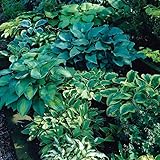
- 6 Fresh, Healthy Bare Root Starts
- 100% Grow Guarantee
- Blooms Summer Through Fall
- Perennializing Hostas
- Low Maintenance & Grows To About 18" Diameter
Set crowns at the correct height. Most perennials should sit at the same soil level they had in the pot. Planting too deep is a common cause of crown rot, especially with heuchera and hellebore.
Mulch 2 to 3 inches deep, but keep mulch off crowns and away from siding. Water deeply after planting. During the first growing season, use drip or soaker irrigation when possible. Even shade plants need consistent moisture while roots establish.
Windows Errors? Fix Them Before They Spread
Repair common Windows errors and clear accumulated junk for a smoother, more stable PC - no reinstall needed.Free scan · no reinstallCrashes, No Sound, or Screen Glitches?
Random freezes, missing sound and display glitches usually trace back to one bad driver. Find and replace yours safely.Free scan · under a minuteAfter establishment, maintenance is usually seasonal cleanup, light division every few years for vigorous clumps, mulch renewal, and drought watering. In dry shade, annual compost or leaf mold topdressing helps mimic woodland soil without tearing up roots.
When to DIY and When to Hire a Pro
DIY is reasonable when the bed is small, drainage is already correct, utilities are clear, and you are planting 1-gallon perennials with hand tools. A weekend is enough for many 50- to 100-square-foot shade beds.
Hire a pro when the project touches grading, drainage, hardscape, irrigation, tree roots, foundation exposure, or large removals. Also bring in help if the bed is bigger than 150 to 200 square feet and you want it planted densely enough to look established in the first season.
For foundation beds, a contractor’s eye matters. We look for negative slope toward the house, buried siding, covered weep holes, splashback, compacted backfill, and downspouts dumping into planting areas. Fixing those issues before planting protects both the landscape and the building.
Do these 3 things before closing this tab:
1Scan for outdated or missing drivers - takes under a minute2Clear out junk files and repair common Windows errors3Fix the driver behind crashes, sound loss and screen glitchesBest Planting Season and First-Year Care
In most of the United States, spring and early fall are the best times to plant shade perennials. Spring planting gives roots a full season to establish. Early fall planting works well because temperatures are cooler and rainfall is often more reliable, but plant at least 6 weeks before the ground typically freezes in your area.
Water new perennials regularly for the first growing season. A practical target is deep watering 1 to 2 times per week during dry weather, adjusted for soil type and rainfall. Clay holds water longer. Sandy soil dries faster. Beds under roof overhangs and trees may stay dry even after a storm.
Mark plants that go dormant after spring, such as bleeding heart, so you do not accidentally dig into them later. A simple labeled stake can prevent damage during summer mulch work or fall bulb planting.
The Bottom Line
If you want the safest all-around shade garden, build around hosta for foliage, hellebore for early flowers and deer resistance, brunnera or Japanese painted fern for light-reflective color, epimedium for dry shade, astilbe for moist shade, and foamflower or woodland phlox for native woodland character.
Quick wins for a faster PC:
Fix the driver behind crashes, sound loss and screen glitchesFind Drivers →Clear out junk files and repair common Windows errorsFree Scan →Scan for outdated or missing drivers - takes under a minuteDriver Scan →Match the plant to the shade type, leave proper spacing around the house, spend money on soil prep before oversized plants, and avoid aggressive groundcovers unless they are approved for your region. That approach produces a shade bed that looks finished, protects the structure, and gets easier to maintain as it matures.
Frequently Asked Questions
What perennials grow best in full shade?
Hosta, hellebore, Christmas fern, epimedium, brunnera, Japanese painted fern, foamflower, and Solomon’s seal are reliable choices for full shade. In deep shade, expect stronger foliage performance than heavy flowering.
What is the difference between part shade and full shade?
Part shade usually means 3 to 6 hours of direct sun per day. Full shade means less than about 3 hours of direct sun or filtered light through trees. Dry shade under mature trees is more difficult than moist shade because roots compete for water.
Which shade perennials are low maintenance?
Epimedium, hellebore, Christmas fern, hosta, Solomon’s seal, and many heuchera varieties are low maintenance once established. The first season still matters: water consistently, mulch 2 to 3 inches deep, and keep crowns from being buried.
What shade perennials are deer resistant?
Hellebore, ferns, epimedium, lungwort, and foamflower are usually better choices in deer-heavy yards. Deer resistance is not guaranteed, but these are safer bets than hosta, which deer commonly browse.
How much does it cost to install a shade perennial garden in 2026?
A small DIY shade bed often costs $150 to $500 for plants, compost, and mulch. Professionally installed perennial beds commonly run $800 to $3,000 nationally, with larger or more complex landscaping often around $5 to $20 per square foot or higher.
Do I need a permit to plant a shade garden near my house?
Basic hand planting usually does not require a permit, but you should contact 811 before digging so utilities can be marked. Permits or professional help may be needed when grading, drainage, retaining walls, irrigation, or hardscape changes are involved.
Quick Recap
Product prices and availability are accurate as of the date/time indicated and are subject to change. Any price and availability information displayed on Amazon at the time of purchase will apply.

