Do these 3 things before closing this tab:
1Clear out junk files and repair common Windows errors2Fix the driver behind crashes, sound loss and screen glitches3Repair Windows errors before they cause bigger problemsSome links on this page are affiliate links: if you buy through them we may earn a commission, at no extra cost to you.
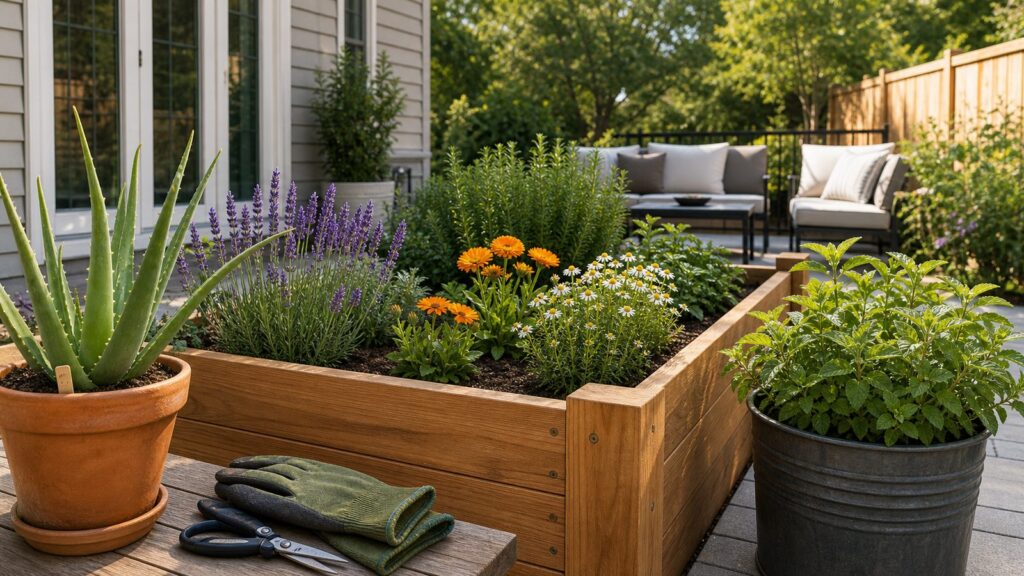
A good itch-relief garden is not a substitute for medical care, hydrocortisone, calamine, colloidal oatmeal, or a clinician’s advice. It is a practical comfort garden: a small, well-drained, well-labeled planting area that gives you fresh aloe, calendula, chamomile, peppermint, lavender, and either jewelweed or common plantain when mild skin irritation shows up after yard work, bug bites, dry skin, or brushing against the wrong plant.
The difference between a useful healing garden and a messy herb patch is construction planning. The plants need different water zones, containers, drainage, access, and containment. On our outdoor projects, the best small gardens are placed where irritation actually happens: beside a patio, near a potting bench, close to an outdoor shower, along a mudroom walk, or just outside a garden shed. That location matters more than making the bed big.
| # | Preview | Product | Price | |
|---|---|---|---|---|
| 1 |

|
Arcadia Garden Products Live Aloe Vera Succulent Easy Indoor Houseplant in Plastic Pot, Air... | Buy on Amazon |
As an Amazon Associate I earn from qualifying purchases.
Crashes, No Sound, or Screen Glitches?
Random freezes, missing sound and display glitches usually trace back to one bad driver. Find and replace yours safely.Free scan · under a minuteWindows Errors? Fix Them Before They Spread
Repair common Windows errors and clear accumulated junk for a smoother, more stable PC - no reinstall needed.Free scan · no reinstallFor most homeowners, the sweet spot is a 2-foot by 6-foot container rail, a 4-foot by 4-foot patio herb square, or a 4-foot by 8-foot raised bed with mint kept in its own pot. Expect a basic DIY container setup to run about $45 to $180 in 2026. A more permanent 4-foot by 8-foot raised bed usually lands around $175 to $650 before major drainage work, fencing, or irrigation upgrades.
The 6 Best Plants for a Practical Itch-Relief Garden
These plants are useful because they are reasonably available, manageable in a home landscape, and connected to skin-comfort traditions or mechanisms such as cooling gel, aromatic comfort, anti-inflammatory flower infusions, or menthol cooling. The right way to talk about them is conservative: they may help soothe mild itching or discomfort, but they do not diagnose, treat, cure, or prevent medical conditions.
Popular on Amazon
| Plant | Best Use in the Garden | Preferred Location | Typical 2026 Cost | Builder’s Note |
|---|---|---|---|---|
| Aloe vera | Cooling leaf gel for mild skin comfort | Container in sun; move indoors before frost | $10-$25 for a 1-gallon plant | Use a pot with drainage holes and gritty mix. |
| Calendula | Flowers for skin-soothing infused oil or wash | Sunny annual bed or container | $2-$6 seed packet; $2.50-$6 start | Deadhead flowers to keep blooms coming. |
| German chamomile | Flowers for gentle rinses or bath infusions | Sunny to lightly shaded bed | $2-$6 seed packet; $2.50-$6 start | Light, open soil is better than soggy clay. |
| Peppermint | Menthol cooling comfort | Separate pot on patio or paver | $5-$12 quart herb | Do not let it run loose in the bed. |
| Lavender | Aromatic comfort; useful dried flowers | Full sun, sharp drainage | $10-$25 for 1-gallon; $25-$45+ larger | It fails fast in wet, heavy soil. |
| Jewelweed or common plantain | Traditional poison-ivy or bite comfort plant | Jewelweed: moist shade; plantain: tough lawn edge | Often seed or local native source | Check local invasive and native-plant guidance first. |
1. Aloe Vera
Aloe is the easiest plant on this list to understand. Break a mature leaf and you get a cooling gel that many people use for mild skin comfort. For a construction-minded garden, aloe belongs in a container, not buried in a mixed perennial bed in most of the United States. It is frost-tender, and a pot lets you bring it inside before freezing weather.
Use a container at least 10 to 12 inches wide for a young plant and step up as it grows. The pot must have drainage holes. A cactus or succulent mix works better than heavy garden soil. If you are setting the pot near a patio, put it on a stable paver or plant stand so water can drain without staining wood decking or collecting against siding.
Water aloe deeply, then let the mix dry well before watering again. A common failure is treating aloe like basil or mint. It does not want constantly damp soil.
2. Calendula
Calendula is a low-cost annual that earns its space because it flowers heavily and is easy to reseed in many climates. The petals are commonly used in gentle skin-comfort preparations such as infused oils or rinses. For a homeowner, the practical value is that calendula gives a lot of harvest from a small footprint.
Plant calendula in a sunny edge of the bed where you can reach it easily. A 12-inch by 18-inch pocket is enough for several plants. Seed packets typically cost $2 to $6, while small starts usually run $2.50 to $6 each. Keep the soil evenly moist during establishment, then avoid overwatering. Clip flowers regularly so the plant keeps producing.
3. German Chamomile
German chamomile is another affordable annual, usually grown for small daisy-like flowers. Gardeners often dry the flowers for tea or use mild infusions in bathwater. In an itch-relief garden, chamomile works best as a moderate-water plant near calendula, not next to dry-loving lavender or aloe.
Give it loose soil, decent sun, and room to lean. Chamomile can look delicate, so do not bury it behind taller perennials. A 1-foot by 2-foot strip is enough for a small household harvest. Like calendula, it is usually cheaper from seed than from nursery starts.
4. Peppermint
Peppermint is useful because menthol creates a cooling sensation. It is also one of the easiest plants to regret. Mint spreads by runners and rhizomes. If you plant it directly in a mixed garden bed, expect it to move. Buried pots are not a perfect fix because roots can escape through drainage holes if they reach soil.
We treat mint like a contained utility plant. Put it in a 12- to 16-inch pot on an impervious surface such as a patio, paver pad, or gravel area with a root barrier beneath. Keep the pot close enough to harvest but separate from the raised bed. A quart plant usually costs $5 to $12 and can fill a container quickly.
5. Lavender
Lavender brings aroma, pollinator value, and dried flowers, but it is not forgiving in wet construction conditions. It needs sun, airflow, and sharp drainage. Heavy clay, low spots, roof runoff, and overwatered irrigation zones are the usual reasons lavender fails.
Recommended Free Tools
Plant lavender on the driest edge of the layout or in a separate container with a gritty mix. If you are building a raised bed, keep lavender away from emitters that serve thirsty annuals. A 1-gallon lavender commonly costs $10 to $25, with larger ornamental plants running $25 to $45 or more. Spending more on a mature plant does not overcome bad drainage.
6. Jewelweed or Common Plantain
Jewelweed has a long folk-use history around poison ivy, nettle stings, chigger bites, and insect bites. It is native in many eastern and central U.S. wet habitats, but it wants moist soil and partial shade. That makes it a poor fit for a hot foundation bed or dry patio planter. If your site has a shaded rain-garden edge or naturally damp area, jewelweed may make sense if it is locally appropriate.
For drier or tougher sites, common plantain can be the more realistic option. It often appears along lawn edges and compacted paths. Before intentionally establishing either plant, check your county extension office, local native-plant sale, or invasive-species guidance. A plant that is useful in one region can be unwelcome in another.
Design the Garden by Water Zone, Not by Looks
The biggest mistake with a medicinal herb garden is planting everything in one pretty row and watering it all the same. This group of plants does not want the same conditions. Aloe and lavender need dry, fast-draining conditions. Calendula and chamomile like moderate moisture. Jewelweed wants a moist, partly shaded pocket. Peppermint wants containment more than it wants perfect soil.
What’s actually slowing this PC down?
Pick the symptom - the matching free tool is one click away.
For a 4-foot by 8-foot raised bed, divide the layout into three working zones. Put lavender on the sunniest, driest end. Put calendula and chamomile in the middle where irrigation is steady but not soggy. Keep aloe in a movable pot near that dry end rather than in the bed. Put mint in its own pot on a paver beside the bed. If you are using jewelweed, place it outside the main raised bed in a damp shade pocket, not beside lavender.
For a smaller patio, a 2-foot by 6-foot container rail is often better. Use one 14-inch pot for aloe, one 14- to 16-inch pot for peppermint, one rectangular planter for calendula and chamomile, and a separate lavender container with a gritty mix. This setup can sit outside a kitchen door, mudroom, or pool exit without requiring excavation.
For accessibility, build raised beds 24 to 30 inches tall where bending is a concern. Keep paths 30 to 36 inches wide for wheelbarrow and mobility access. Set containers on stable paver pads instead of soft mulch so they stay level after rain.
Soil, Drainage, and Irrigation Details That Matter
A small garden does not need complicated construction, but it does need water control. Most plant failures come from poor drainage, inconsistent watering, or placing dry-climate plants in rich, wet soil.
Raised Bed Soil
For a 4-foot by 8-foot bed at 12 inches deep, you need about 32 cubic feet of growing medium, or roughly 1.2 cubic yards. A practical blend is screened topsoil, compost, and a mineral component for structure. Avoid filling the entire bed with dense native clay. If the bed sits on compacted soil, loosen the subgrade with a garden fork before filling so water can move through.
For lavender, create a sharper-draining pocket with extra mineral material and keep mulch thin around the crown. For calendula and chamomile, use a more standard compost-amended planting mix. For containers, use packaged potting mix, not excavated yard soil.
Watering
Drip irrigation is cleaner than overhead spray for this kind of garden. It keeps foliage drier, reduces splash, and gives each container or bed section a predictable amount of water. A basic drip kit for a small DIY bed is often included in the $175 to $650 raised-bed budget. Professionally installed drip irrigation can run much higher; 2026 project ranges commonly show $300 to $1,200 per zone depending on the tie-in, controller, access, and scope.
Check moisture at two depths. The top 1 to 2 inches tells you whether seedlings and shallow roots are drying out. The 8- to 12-inch depth tells you whether the bed is actually wet below the surface. That deeper check is where overwatering shows up.
Quick wins for a faster PC:
Fix the driver behind crashes, sound loss and screen glitchesFind Drivers →Clear out junk files and repair common Windows errorsFree Scan →Mulch
Use light mulch, not a thick wet blanket. A 1-inch layer of fine bark, clean straw, or leaf mold can reduce wet-dry swings around calendula and chamomile. Keep mulch pulled back from lavender stems and aloe crowns. Mulch installation in broader landscape work can run $30 to $120 per cubic yard in 2026, but a small itch-relief bed usually needs only a few bags.
What It Costs to Build in 2026
Costs depend on whether you are building a portable patio setup or a permanent bed with soil correction and irrigation. The numbers below are realistic U.S. planning ranges, not bids. Region, labor market, access, soil conditions, deer protection, plant maturity, and hardscape work can move the total quickly.
| Project Type | Typical 2026 Cost | What’s Included | Best For |
|---|---|---|---|
| DIY container itch-relief garden | $45-$180 | 6 plants or starts, containers, potting mix, compost, labels, gloves, basic tools | Patios, renters, frost-prone areas, first-time gardeners |
| DIY 4 ft. x 8 ft. raised bed | $175-$650 | Bed kit or lumber, soil, compost, mulch, drip kit, edging, plants | Homeowners who want a permanent garden near a patio or shed |
| Professional gardener visit | About $150 average; common range $110-$200 | Planting help, cleanup, small amendments, seasonal maintenance | Busy homeowners or light refresh work |
| Professional flower or raised bed installation | $800-$3,000 commonly | Labor, layout, bed prep, planting, soil, mulch; varies by scope | Finished outdoor living areas and curb-facing beds |
| Larger landscaping project | Average around $3,516 for a standard lot | Broader planting, grading, edging, irrigation, design, and labor | Yard renovation beyond a small herb bed |
Individual plants are usually a small part of the bill. Seed packets commonly cost $2 to $6. Common 4-inch annual or herb starts run about $2.50 to $6 each. Quart herbs and perennials often cost $5 to $12. One-gallon aloe or lavender generally runs $10 to $25, while larger ornamental lavender can exceed $25 to $45.
The expensive items are structure and labor: raised-bed material, soil volume, drainage correction, irrigation tie-ins, retaining edges, fencing, and access. If a crew has to move soil through a narrow side yard, protect finished hardscape, repair poor drainage, or add deer fencing at $20 to $60 per linear foot, the project stops being a simple herb garden.
Safety, Skin Use, and Medical Boundaries
This garden is for comfort, not emergency care. Mild itching from dry skin, a mosquito bite, or minor yard irritation is one thing. Worsening rash, infection, fever, swelling, trouble breathing, or a reaction on the face or genitals needs medical care. Widespread poison ivy also deserves proper treatment guidance.
For poison ivy comfort, standard advice centers on cool compresses, calamine, hydrocortisone, short baths with colloidal oatmeal or baking soda, and cool showers. Garden plants can be optional comfort additions, but they should not replace proven over-the-counter care or clinician advice.
Patch-test anything new on a small area first. Chamomile, calendula, and related Asteraceae-family plants can bother people allergic to ragweed, daisies, or marigolds. Peppermint and essential oils can irritate skin when used too strongly or undiluted. Do not apply homemade preparations to deep wounds, infected skin, severe rashes, eyes, or mucous membranes.
Label every plant with common and botanical names. A simple metal or UV-resistant plastic tag reduces confusion, especially when children, guests, or seasonal maintenance crews are around. Keep a small skin-comfort station near the bed with clean scissors, gloves, a harvest basket, wash water, and labels. Treat it as a harvesting station, not a substitute first-aid kit.
If you make balms, soaps, or salves for personal use, keep your language honest. Once a homemade product is marketed as treating disease or changing how the body functions, it may cross from cosmetic territory into drug claims. For a home garden, plain language is best: soothing, cooling, aromatic, gentle, or skin-comfort use.
Independent reader supportYour contribution helps us test, update, and keep practical guides available for everyone.Permits, 811, and Site Planning
Most small garden beds do not require a building permit, but local rules still matter. Under the 2021 International Residential Code, many small one-story accessory structures under 200 square feet are exempt from building permits, but that does not automatically cover every retaining wall, fence, electrical line, irrigation tie-in, or HOA requirement. Cities and counties can amend rules.
Call 811 before you dig, especially for permanent beds, fence posts, irrigation work, or anything deeper than a few inches. Utility locating is not just for major construction. We have seen shallow landscape work conflict with low-voltage lighting, irrigation, gas, telecom, and electric service paths. A 4-foot by 8-foot herb bed may look harmless, but the shovel does not know what is below it.
Keep beds away from treated lawn edges, dog runs, downspout washouts, and areas where pesticide drift is likely. If the garden is meant for skin-comfort harvesting, do not place it where herbicides, lawn fertilizers, or roof runoff can contaminate leaves and flowers. Leave at least 18 inches between the bed and siding for airflow and maintenance access; 24 inches is better if you need to paint, inspect, or wash the wall.
Free tools Windows power users keep installed
One-click scans. No signup required.
When to DIY vs. When to Hire a Pro
DIY is the right call for most container gardens. If you can lift bags of potting mix, drill drainage where appropriate, and set pots on stable pavers, a $45 to $180 weekend setup is straightforward. Plan on 2 to 4 hours for shopping and assembly, plus another hour for labeling and cleanup.
A DIY raised bed is also reasonable if the site is level, drainage is decent, and water is nearby. A 4-foot by 8-foot bed usually takes a full day for one or two handy people once materials are on site. The work includes layout, bed assembly, subgrade loosening, filling, planting, drip setup, and mulch.
Hire help when the bed is part of a larger outdoor living area, drainage needs correction, access is tight, or the project includes irrigation tie-ins, fencing, retaining walls, lighting, or hardscape repair. Landscapers commonly run $50 to $100 per hour in 2026, while designers may run $50 to $150 per hour. Flower bed installation often falls between $800 and $3,000 because labor, soil, edging, and site prep add up.
A professional is also worth considering when accessibility matters. A 24- to 30-inch raised bed, 30- to 36-inch paths, stable paver pads, and a clean transition from patio to garden can make the space easier to use for years. Those details are hard to retrofit after the bed is full of soil and plants.
The Tool Desk
Outbyte Driver Updater FREEFix the driver behind crashes, sound loss and screen glitchesFind Drivers →Outbyte PC Repair FREEClear out junk files and repair common Windows errorsFree Scan →A Simple 4 ft. x 8 ft. Layout That Works
Here is a practical layout we would be comfortable building near a patio or garden shed:
Use a 4-foot by 8-foot raised bed, 12 to 18 inches deep, set on level ground with 30-inch minimum access on the working side. Put lavender on the driest 2-foot end. Put calendula in a 2-foot by 3-foot block near the front. Put German chamomile in a 2-foot by 3-foot block beside it. Leave a small open working pocket for seasonal reseeding and harvest access.
Set aloe in a 12- to 14-inch terracotta or resin pot on a paver next to the dry end of the bed. Set peppermint in a separate 14- to 16-inch pot on another paver, never directly in the raised bed. If you are using jewelweed, place it in a separate moist shade pocket nearby, not in the main bed. If jewelweed is not appropriate for your area or water conditions, use common plantain where it already grows cleanly and legally, away from treated turf.
Install drip tubing for the calendula and chamomile zone only, or use separate emitters that can be adjusted by plant need. Hand-water aloe and lavender until you know exactly how fast their containers dry out. Add plant labels at planting time, not later.
What’s actually slowing this PC down?
Pick the symptom - the matching free tool is one click away.
This layout is small enough to maintain in 10 to 15 minutes a few times a week, but organized enough that each plant gets the conditions it needs. That is the point: a healing garden should be easy to use when you are tired, itchy, and coming in from yard work.
Bottom Line
The best itch-relief garden is modest, close to the action, and built around plant needs instead of wishful thinking. Aloe and lavender need dry drainage. Calendula and chamomile need moderate moisture. Peppermint needs containment. Jewelweed needs a moist, shaded site or should be replaced with a tougher local alternative such as common plantain.
Budget $45 to $180 for a simple DIY container setup or $175 to $650 for a small raised bed. Bring in a pro when the work touches drainage, irrigation, fencing, accessibility, or a larger landscape plan. Keep the medical claims conservative, label everything, patch-test carefully, and get professional care for serious skin reactions. Built that way, a small itch-relief garden can be one of the most useful corners of the yard.
Frequently Asked Questions
What plants help soothe itchy skin naturally?
Useful garden choices include aloe vera, calendula, German chamomile, peppermint, lavender, and jewelweed or common plantain. Use them for mild skin comfort only, not as a replacement for medical treatment.
Is aloe vera good for bug bites and itchy skin?
Aloe gel can feel cooling on mild irritation or bug bites for many people. Keep aloe in a container with excellent drainage and bring it indoors before freezing weather.
Does jewelweed really help poison ivy rash?
Jewelweed has a long folk-use history for poison ivy discomfort, but evidence is mixed. For poison ivy, rely on proven care such as cool compresses, calamine, hydrocortisone, colloidal oatmeal baths, and medical care when symptoms are severe.
Can I plant peppermint directly in a garden bed?
Peppermint is better in a container. It spreads by runners and rhizomes, and even buried pots can let roots escape through drainage holes if they contact soil.
How much does a small itch-relief garden cost in 2026?
A DIY container garden usually costs about $45 to $180. A DIY 4-foot by 8-foot raised bed commonly costs $175 to $650, while professional bed installation often ranges from $800 to $3,000.
Do I need to call 811 before building a raised herb garden?
Yes, call 811 before digging for permanent beds, posts, irrigation, edging, or drainage work. Small landscape projects can still hit shallow utility, irrigation, lighting, telecom, gas, or electric lines.

