Pumpkins range from small, smooth-fleshed pie types to large carving fruit, tiny decorations, flattened red-orange specialties and giants grown for size. Choose by intended use and named variety first: orange skin alone does not tell you whether a pumpkin will be good to eat.
Quick guide: match the pumpkin to its use
| Type | Examples | Typical reason to choose it | What to look for |
|---|---|---|---|
| Pie or culinary | Small Sugar, also called New England Pie; Winter Luxury | Fresh cooking and baking | Small, firm fruit; baking pumpkins are generally smoother-fleshed and less watery than carving types. |
| Traditional carving | Connecticut Field, Howden, Jack O’Lantern, Autumn Gold | Carving and fall display; some varieties are also listed for cooking | Usually orange and relatively large, with a shape suited to carving. Size and stem traits vary by cultivar. |
| Miniature | Jack-Be-Little, Baby Boo | Small-scale decoration | Very small fruit; Jack-Be-Little is orange and Baby Boo is white. |
| White | Casper, Lumina, Snowball; Baby Boo | Distinctive display or painting | White skin distinguishes the look, not a shared flavor or cooking quality. |
| Specialty shape | Rouge Vif d’Estampes, often marketed as Cinderella | A flattened, deeply ribbed display pumpkin | Deep red-orange skin, a squat profile and pronounced ribs. |
| Giant | Dill’s Atlantic Giant, Big Max, Prizewinner | Oversized display or carving | Selected for very large fruit; size is not a sign that it will cook like a pie pumpkin. |
| Processing | Dickinson Field and other tan-skinned Cucurbita moschata types | Commercial puree and processing | Often tan-skinned; the species and named cultivar matter because “pumpkin” can refer to fruit across several related species. |
Which pumpkins are best for pie and cooking?
Small Sugar and other named culinary types
Small Sugar, also known as New England Pie, is a classic pie-pumpkin type. Baking pumpkins are generally smaller, sweeter or more flavorful, less watery and smoother-fleshed than jack-o’-lantern pumpkins. For fresh cooking, Illinois Extension recommends a firm, unblemished baking pumpkin weighing about 4–8 pounds and feeling heavy for its size.
As an Amazon Associate I earn from qualifying purchases.
Winter Luxury is another named variety described as good for cooking. A cultivar name is more useful than skin color when selecting a pumpkin to eat: not all pumpkins that look alike have the same culinary qualities.
Processing pumpkins are a different category
Some tan-skinned Cucurbita moschata types, including Dickinson Field, are used for commercial puree and processing. The word “pumpkin” is used for several related Cucurbita species, and in some regions the distinction between pumpkin and squash overlaps. A processing variety is not necessarily the same choice as a small pumpkin selected for home baking.
#1 Best Overall
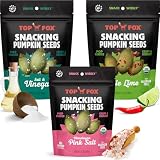
- DELICIOUSLY CRUNCHY & NUTRITIOUS - Our shell-free pumpkin seeds to eat snacks are pop-roasted to unlock bold, nutty flavor and an irresistibly crunchy texture you can enjoy straight from the bag or added to meals. Packed with essential nutrients like magnesium, zinc, and iron, they make a delicious alternative to chips and processed snacks. When you need healthy snacks for adults that actually satisfy, this clean, craveable option delivers on both flavor and nutrition—without compromise.
- PERFECT FOR EVERY DIET - These naturally gluten free seeds contain 8g of plant-based protein, only 1g net carbs, and zero sugar, perfect allergen free snacks for keto, paleo, vegan, and clean eating plans. They’re allergy-friendly, low glycemic, and made for every kind of eater. Whether you're meal prepping or looking for desk snacks, these seeds are a flavorful solution for busy, health-conscious lifestyles. Finally, vegan snacks that go beyond bland and bring real crunch and real satisfaction.
- FUEL YOUR DAY, WHEREVER YOU GO - Whether you’re heading to work, school, the gym, or a weekend adventure, these pumpkin seeds organic make perfect portable fuel. No shells, no mess—just plant protein, fiber, and healthy fats to power your day. Designed for energy that lasts, not sugar crashes. These are more than just treats for adults—they’re your secret weapon for clean, satisfying snacking. Each convenient pouch contains a high-protein, shelf-stable protein snack ready when you are.
- POP-ROASTED FOR SUPERIOR QUALITY - Our seeds are small-batch crafted using our signature pop-roasting process that brings out maximum crunch without added oils or chemicals. Clean flavor, extra crispy texture, and no greasy residue. We grow and roast only organic seeds under USDA guidelines—no synthetic pesticides, herbicides, or additives, ever. So when you're craving snacks healthy enough for daily fuel and tasty enough to curb cravings, you can trust every bite to be clean and bold.
- PROUDLY GROWN & MADE IN THE USA - Most salted pumpkin seeds and sold today are imported—ours are American made, grown on U.S. farms using regenerative, organic methods that reduce water use, preserve soil health, and support biodiversity. We use 99% less water than almonds, rely on 100% organic inputs, rotate crops, avoid chemicals, and protect native pollinators. Nothing is wasted, and everything is done with care—from seed to soil to snack. You can taste the difference. Real food, real impact.
What makes a good carving pumpkin?
Traditional carving pumpkins are generally orange and relatively large, but the named variety still matters. Connecticut Field and Howden are examples of large orange cultivars; Jack O’Lantern and Autumn Gold are listed as intermediate types for carving or cooking. These varieties can differ in size and stem characteristics, so “orange pumpkin” is not a precise variety description.
When buying a carving pumpkin, look for a firm surface without soft spots or blemishes and a stem about one to two inches long. Carry it by the body, not by the stem, which can break off.
Rank #2

- Home Grown – 5 Pumpkin Variety Mix – Premium Culinary Varieties. Excellent Source of Essential Nutrients, Fiber, and Plant Protein. 40 Selected Premium Seeds. Heirloom, Non-GMO, Untreated, Open-Pollinated. Made in the USA. Packaging may vary.
- An amazing variety of shapes, textures, and colors. Hardy plants that are tolerant to heat, cold, drought, and rain. Productive and versatile. Global culinary favorites that serve as the foundation for countless dishes. Excellent flavor profiles. Rich in natural sweetness.
- NUTRIENT-DENSE HARVEST. Pumpkins are a garden staple packed with value. They naturally contain carotene, minerals, fiber, and amino acids. A wholesome addition to any diet, offering Vitamins A and E, as well as essential fatty acids. A great choice for healthy, homemade meals.
- KITCHEN STAPLES & CULINARY TREASURES. The tastiest, most aromatic, and sweet pumpkins for every palate. They make ideal side dishes, baked meals, magnificent desserts, pies, salads, roasted snacks, and cream soups.
- CONNECTICUT FIELD. A productive, large, bright orange field pumpkin with smooth skin, weighing up to 25 lbs. The classic Jack-o'-Lantern for Halloween. Rich in beta-carotene, this pumpkin is a versatile ingredient.
Keep carved pumpkins out of the kitchen
Do not cook with pulp from a carved jack-o’-lantern. Once cut open and exposed to air, bacteria can grow quickly; use an intact, food-suitable pumpkin for cooking instead.
The Tool Desk
Outbyte Driver Updater FREEScan for outdated or missing drivers - takes under a minuteDriver Scan →Outbyte PC Repair FREEClear out junk files and repair common Windows errorsFree Scan →Miniature pumpkins: small fruit, mainly for display
Miniature pumpkins are chiefly decorative. Jack-Be-Little is a familiar orange example; UC ANR describes its fruit as about 3 inches across and 2 inches high. Baby Boo is a white miniature. Their small scale makes them visually distinct from pie and carving pumpkins, but it does not make miniature types a default cooking choice.
Rank #3

- Fruit Size: Varied seed blend produces pumpkins ranging widely from two to twenty pounds in diverse, whimsical proportions.
- Appearance: Eclectic combination of bright orange, white, and bicolored rinds in smooth, warty, round, or flattened forms.
- Best Uses: Ideal for diverse doorstep displays, colorful carving selections, festive autumn decor, and school gardens.
- Growing Tips: Plant in fertile mounds with full sun, watering evenly to support diverse growth rates across mixed plants.
- Quality: Fresh seeds for the current & following season that originate from a temperature & moisture-controlled facility.
White, red-orange and other pumpkin colors
White pumpkins
Casper, Lumina and Snowball are named white pumpkin examples; Baby Boo is a white miniature. White skin works well for a contrasting fall display or painting. Color alone does not establish flavor or whether a variety is suitable for cooking.
Flattened and deeply ribbed: Cinderella pumpkins
Rouge Vif d’Estampes is a deep red-orange, flattened, heavily ribbed Cucurbita maxima type, sometimes sold as a Cinderella pumpkin. Its squat, carriage-like silhouette is an easy way to recognize a specialty shape among rounder pumpkins.
Rank #4

- Colorful Mini Mix: Premium mini pumpkin seeds for planting produce orange, white, striped, and mottled fruits in about 65-100 days. Ideal garden seeds for decorative displays, edible harvests, and sunny home garden.
- Easy Growing: These heirloom pumpkin seeds pumpkin seeds for planting outdoors germinate in 5-10 days. Sow these plant seeds 1" deep in fertile, well-drained soil with full sun for vigorous plants and dependable yields. Perfect vegetable seeds for planting outdoors.
- Compact Decorative Pumpkins: These small pumpkin seeds combines semi-bush and reduced-vine varieties growing about 10-12" tall. Space pumpkin seeds planting 18-24" apart with 96-inch rows for healthy fruit production.
- Decorative & Edible: These decorative pumpkin seeds produce miniature pumpkins weighing 4-8 oz in unique shapes and colors. Excellent fall seeds for seasonal decorating, cooking, fall displays, and family gardens.
- Hybrid Performance: High-quality pumpkin variety seeds offer excellent yield potential and vigorous growth in USDA Zones 2-11. Perfect pumpkin seeds to plant for gardeners seeking colorful novelty pumpkins and reliable harvests.
Color depends on variety and maturity
Pumpkin fruit can be orange, white, red, green or brown. Color changes with variety and maturity, so it can help with harvest decisions only when judged against the expected mature color for that particular variety. A green fruit is not automatically a different kind of pumpkin, nor does a familiar orange color identify a specific cultivar.
Giant pumpkins: chosen for scale
Dill’s Atlantic Giant, Big Max and Prizewinner are named giant types; Dill’s Atlantic Giant is known for producing very large fruit. These pumpkins make an oversized display or carving statement. Their giant scale is the defining feature for most shoppers, not a reason to expect the eating quality of a pie type.
Best Value

- FOUR HEIRLOOM VARIETIES – Small Sugar, Jack O’ Lantern, Fairytale & Casper pumpkins for sweet pies, carving traditions, and fall decorating
- COOKING & STORAGE – Bake pies, roast seeds, or can pumpkin puree; dependable harvests for family meals and long-term food storage
- CARVING & HOLIDAY FUN – Grow classic orange Jack O’ Lanterns and ghost white Caspers for halloween, autumn décor, and seasonal traditions
- GROW ANYWHERE – Reliable germination in garden beds, raised planters, or containers; suitable for spring planting or fall gardening projects
- FAMILY OWNED USA SMALL BUSINESS – Heirloom non-GMO seeds from Survival Garden Seeds, a trusted American brand; always open-pollinated, untreated, and quality tested for garden success
How to choose, whether you are shopping or growing
- For pie or baking: look for a named culinary variety such as Small Sugar/New England Pie, and choose a firm, unblemished fruit that feels heavy for its size.
- For carving: select a firm pumpkin with a shape and size that suit the design; check that the stem is intact, but lift the fruit by its body.
- For decoration: choose by scale, color and silhouette—miniature Jack-Be-Little, white Baby Boo, flattened Rouge Vif d’Estampes or a giant cultivar each gives a different look.
- For growing: start with the named cultivar and its intended use, then check local growing guidance. Maturity timing and regional suitability vary, so there is no single schedule that applies to every pumpkin variety and location.
Across all these choices, the reliable visual guide is not color by itself: pair the pumpkin’s appearance with its cultivar name and intended use.
Quick Recap
Product prices and availability are accurate as of the date/time indicated and are subject to change. Any price and availability information displayed on Amazon at the time of purchase will apply.

