There is no single sticker-removal method that is safe for literally every surface. Glass, painted walls, acrylic, plastic, finished wood, fabric, leather, rubber, and electronics all react differently to heat, moisture, scraping, and solvents. The reliable approach is to start with the gentlest method, test anything chemical in a hidden spot, and escalate only when necessary.
For most household and construction-related cleanup jobs, begin with warm soapy water and a plastic scraper. Use controlled heat or a surface-compatible adhesive remover for stubborn residue. Reserve metal blades and acetone for narrowly defined situations—mainly suitable glass and selected nonporous surfaces.
As an Amazon Associate I earn from qualifying purchases.
Before removing the residue: identify the surface
Sticker glue left on a window is a different problem from adhesive on drywall, acrylic, painted trim, upholstery, or a laptop display. Before choosing a cleaner, ask:
- Is the surface porous or nonporous?
- Is it painted, coated, printed, sealed, or unfinished?
- Could moisture soak in or reach an electrical component?
- Could a solvent soften the surface itself?
- Is the item valuable, decorative, newly finished, or difficult to replace?
Remove loose dirt first. Grit trapped under a cloth or scraper can create scratches while you work. Then test every cleaner in an inconspicuous area and allow it to dry before judging whether the finish has dulled, changed color, become sticky, or lifted.
The methods below are arranged from generally gentlest to most specialized. You may need only one or two of them.
#1 Best Overall

- REMOVE STUBBORN ADHESIVE FAST: This 2-in-1 combo features a powerful glue remover and an easy-to-use scraper, working together to eliminate sticky residue quickly and effortlessly
- VERSATILE APPLICATION: Effectively removes labels, stickers, tape residue, car decals, and grease from various surfaces without leaving marks or causing damage
- GENTLE ON MOST SURFACES: Safe for most surfaces that prevent damage. This adhesive cleaner water-based formula and double-edged protectant blades scraper make the removal ultra safe
- ERGONOMIC & EASY-TO-USE SCRAPER: This adhesive remover set features a non-slip, curved grip scraper for safe and comfortable use at home, office, or school
- RELIABLE & CONVENIENT VALUE-PACKED SOLUTION: Designed for ease of use and efficiency, our products help you streamline tasks and improve productivity
1. Warm water and mild dish soap
Warm, sudsy water is the best first attempt for glass, ceramic, porcelain, washable hard surfaces, and many plastics. It is also the least likely option to create a new chemical or finish problem.
- Add a small amount of mild dish soap to warm water.
- Dip a soft cloth or nonabrasive sponge into the solution and wring it out.
- Hold the damp cloth over the residue for several minutes to soften the adhesive.
- Wipe gently, following with a plastic scraper if the residue begins to roll or lift.
- Rinse or wipe away the soap and dry the surface.
Use only a soft cloth on plastic and acrylic. Abrasive pads can leave permanent haze or fine scratches. On a painted wall, use a barely damp, thoroughly wrung cloth rather than saturating the area. Sherwin-Williams recommends gentle cleaning and a hidden-area test for painted surfaces; freshly painted walls should generally be allowed to cure before washing.
The Tool Desk
Outbyte Driver Updater FREEFix the driver behind crashes, sound loss and screen glitchesFind Drivers →Outbyte PC Repair FREERepair Windows errors before they cause bigger problemsFix Now →Best for: glass, mirrors, ceramic, porcelain, washable metal, many hard plastics, and small amounts of residue on cured paint.
Do not rely on it alone for: unfinished wood, fabric, leather, paper, drywall, or adhesive that has aged and hardened.
2. Apply gentle heat with a hair dryer
Pressure-sensitive adhesive often softens when warmed. A hair dryer on low or medium heat can make an old label easier to peel and can loosen the thin film left behind.
- Keep the dryer moving rather than pointing it at one spot.
- Warm a small area for 10 to 20 seconds.
- Try lifting the label or rolling the residue with a plastic edge.
- Repeat short heating intervals only if the surface remains unchanged.
Stop immediately if the material becomes hot, soft, warped, discolored, or unusually tacky. High heat is particularly risky on thin plastic, vinyl, laminate, painted finishes, electronics, displays, and objects containing batteries. Heat can also burn skin or damage nearby materials, so treat this as a controlled household adaptation—not a guarantee of safety on every substrate.
Heat is often most effective when followed by gentle mechanical removal rather than aggressive rubbing.
Rank #2
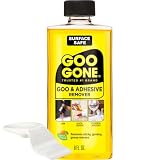
- #1 TRUSTED BRAND FOR REMOVING GOOEY MESSES: Try it on stickers, wax, markers, crayons, glue, tar, window decals, glitter, gum, labels and so much more
- SAFELY RESTORE YOUR SURFACES: The surface-safe formula removes the goo without harming your surface. Formulated with citrus cleaning agents and a pleasant citrus scent
- MULTIPLE USES AROUND THE HOUSE: Everything from wine glass label remover, scuff eraser, windowsill cleaner, adhesive remover, tar cleaner, crayon drawing eraser, to glue remover
- PERFECT FOR TEACHERS AND PARENTS: Use this to remove gum, tape, crayon, and sticker residue left behind by kids
- GREAT FOR COLLECTORS AND THRIFTERS: Safely remove price stickers from gifts, wine glasses, clothing, drinking glasses, vintage collectables and more!
3. Lift the softened glue with a plastic scraper
Once the residue has been softened by water or mild heat, use a plastic razor scraper, old gift card, silicone spatula, or fingernail to lift it. A plastic edge is usually safer than metal on plastic, acrylic, paint, laminate, furniture, and electronic housings.
- Hold the edge low and nearly parallel to the surface.
- Push or roll the adhesive in one direction instead of digging downward.
- Wipe the scraper frequently so collected grit does not scratch the finish.
- Use a clean cloth to remove the loosened material.
Do not use a metal razor on acrylic, glossy plastic, painted surfaces, screens, coated lenses, or furniture finishes. If you are working on a sensitive surface, a plastic tool is the safer purchase because it provides mechanical force without the sharp edge of a blade.
On a porous material such as unfinished wood or drywall, dry lifting is preferable to introducing oil or solvent. Work slowly and accept that deeply absorbed adhesive may require touch-up or professional repair rather than stronger chemicals.
Crashes, No Sound, or Screen Glitches?
Random freezes, missing sound and display glitches usually trace back to one bad driver. Find and replace yours safely.Free scan · under a minuteWindows Errors? Fix Them Before They Spread
Repair common Windows errors and clear accumulated junk for a smoother, more stable PC - no reinstall needed.Free scan · no reinstall4. Try a small amount of cooking oil or mineral oil
Oil can lubricate and soften some adhesive residue. This is an inexpensive option for compatible, washable hard surfaces when soap and water have not quite finished the job.
- Put a few drops of cooking oil or mineral oil on a cloth—not directly onto the surface.
- Dab or rub the residue lightly and allow brief contact.
- Lift the softened glue with a cloth or plastic scraper.
- Wash the area with warm soapy water to remove the oily film.
Use oil cautiously on sealed metal, some finished wood, and other surfaces that can be thoroughly washed afterward. Avoid it on unfinished wood, porous stone, drywall, paper, fabric, carpet, and any material likely to absorb or stain. Vegetable oil is documented as useful for some cyanoacrylate situations on skin, but that does not prove it will remove every type of household sticker adhesive.
Oil is a variable, low-cost method—not a universal substitute for a purpose-made remover.
5. Use Isopropyl alcohol only after a spot test
Isopropyl alcohol can remove light adhesive film from some hard, nonporous surfaces, including selected metal and glass applications. It is most useful after the label has already been peeled.
Recommended Free Tools
- Dampen a cloth or cotton swab with a small amount.
- Rub a limited area briefly.
- Wipe the residue away with a clean, dry cloth.
- Wash the surface afterward if it will contact food or if the material manufacturer requires it.
Never pour or spray alcohol into an electronic device, port, seam, switch, or speaker opening. Test first on painted finishes, plastics, vinyl, coatings, leather, and printed graphics. Alcohol can discolor or soften some finishes. Apple, for example, warns that ethanol or isopropyl alcohol may damage some displays and affect image quality, even though alcohol wipes are permitted for particular internal enclosure-cleaning steps. The device or material manufacturer’s instructions take priority.
Rank #3

- Powerful Adhesive Remover for Stubborn Residue: Our fast-acting adhesive remover instantly dissolves tough glue, stickers, tape residue, labels, decals, and sticky residue, making it easy to clean glass, metal, plastic, wood, ceramic, and sealed surfaces in seconds.
- Multi-Purpose Sticker Remover for Home, Car, and DIY: This versatile sticker remover safely and effectively removes bumper stickers, window tint, wine labels, super glue, silicone caulk, wet paint, ink, markers, and more from kitchen jars, furniture, car windows, tools, and other surfaces.
- Safe on All Surfaces: Our glue remover formula is professional and water-based, providing strong cleaning power without scratching or damaging car paint, glass, metal, plastic, sealed wood, ceramic, tile, or floors. Perfect for everyday adhesive cleanup.
- Easy Spray-and-Wipe Tape Residue Remover: Simply spray the tape residue remover directly onto the sticky area, wait a few seconds, and wipe away with the included ergonomic double-edged plastic scraper or a cloth. Effortless, precise, and safe residue removal every time.
- Satisfaction Guaranteed Label Remover & Sticky Residue Remover: Your satisfaction matters! If you encounter any issues, contact us for a replacement, refund, or solution. Enjoy worry-free label remover and sticky residue remover for fast, reliable, and easy adhesive cleaning every time.
Do not interpret “rubbing alcohol works on some residue” as permission to use it on acrylic, screens, or every automotive trim material.
6. Apply a purpose-made adhesive remover
For stubborn residue on a compatible surface, a commercial product can be more predictable than improvised solvents. A product such as Goo Gone adhesive remover or Goo Gone Sticker Lifter may be appropriate for listed surfaces, but the label—not the product category—determines whether it is suitable.
Goo Gone’s listed compatible surfaces include finished wood, sealed stone, painted surfaces, glass, fabric, metals, plastics, and ceramic or porcelain. Its exclusions include silk, leather, suede, rubber, faux stainless steel, drywall, unfinished wood, and unsealed stone. The company also warns that Sticker Lifter may dull some plastics and says not to use it on unfinished wood or rubber.
Do these 3 things before closing this tab:
1Fix the driver behind crashes, sound loss and screen glitches2Clear out junk files and repair common Windows errors3Scan for outdated or missing drivers - takes under a minuteUse a commercial remover this way:
- Read the current product label and any Safety Data Sheet.
- Test it in a hidden area and let the test dry.
- Apply a small amount to a cloth or only to the residue, as the label directs.
- Wait no longer than the stated dwell time.
- Wipe with a clean white cloth.
- Wash or rinse the surface afterward when the instructions require it.
Goo Gone products are not food-safe. Thoroughly wash treated food-contact surfaces after use. Do not use a general-purpose adhesive remover simply because the material looks durable: rubber, unfinished wood, drywall, leather, and unsealed stone can be permanently stained or degraded.
7. Use a baking-soda paste for a small spot on cured painted walls
A mild paste made from baking soda and water can help with a small amount of remaining film on a cured painted wall. It is a limited spot-cleaning technique, not a general solution for every wall or finish.
- Mix a small amount of baking soda with water to make a thin paste.
- Test it in an inconspicuous location.
- Apply light pressure with a soft cloth.
- Wipe away the paste with a clean, damp, well-wrung cloth.
- Dry the area and check for sheen or color changes.
Baking soda can act as a mild abrasive if rubbed hard. Avoid vigorous scrubbing, flat or uncured paint, delicate wallpaper, porous drywall, and fragile glossy finishes. Excess water can loosen paint, raise drywall paper, or leave a visible mark.
8. Use a razor or glass scraper on suitable glass only
A glass scraper can remove softened adhesive from ordinary window glass, mirrors, and some glass-ceramic surfaces. It is a substrate-specific tool, not an all-purpose sticker remover.
What’s actually slowing this PC down?
Pick the symptom - the matching free tool is one click away.
- Make sure the glass and blade are free of grit.
- Wet the area with soapy water when appropriate.
- Hold the blade at a shallow angle—about 45 degrees for suitable glass-ceramic surfaces.
- Push in one direction with controlled pressure.
- Wipe away loosened adhesive rather than dragging debris across the glass.
Do not use a razor on acrylic, plastic, painted surfaces, coated lenses, screens, appliance finishes, or protective films. Even ordinary glass can scratch if grit is present or the blade is used carelessly. Museum conservation work demonstrates the same principle: a razor may be used on glass after adhesive has been softened, but the technique depends entirely on the substrate and controlled handling.
Rank #4
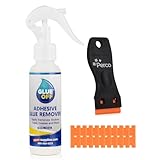
- EFFECTIVE ON TOUGH MESSES – Removes silicone caulk, adhesives, sealants, tree sap, wet paint, glue, asphalt, ink, marker, soot, tar, wax, and grease/oil with ease.
- GREAT FOR AUTOMOTIVE SURFACES – Works best on metal, painted car surfaces, plastics, and finished wood.
- NOT FOR USE ON DELICATE OR POROUS SURFACES – Avoid use on rubber, leather, silk, fabric, faux stainless steel, unpainted drywall, unfinished wood, unsealed stone, matte or satin finishes, and other absorbent surfaces.
- SOAK FOR 5-10 MINUTES FOR BEST RESULTS – Apply generously to the affected area and allow to soak before wiping or scraping.
- LOW ODOR, EASY APPLICATION – Includes a precision nozzle for targeted use; ideal for ventilated indoor or outdoor use.
9. Treat acetone as a last resort
Acetone or an acetone-based remover can dissolve certain adhesives on carefully selected, compatible hard nonporous surfaces. It is near the end of this list because it can damage the surface faster than it removes the residue.
Acetone may soften or discolor plastic, acrylic, paint, coatings, laminate, vinyl, and finished furniture. Acrylic manufacturer Plaskolite specifically advises against acetone and other solvents and recommends mild soap and water instead. Never use acetone on electronics, displays, painted walls, rubber, or an unknown plastic.
If the material manufacturer confirms compatibility:
Quick wins for a faster PC:
Clear out junk files and repair common Windows errorsFree Scan →Fix the driver behind crashes, sound loss and screen glitchesFind Drivers →- Ventilate the area.
- Keep acetone away from flames, sparks, cigarettes, pilot lights, and hot surfaces.
- Wear appropriate gloves and eye protection.
- Test a hidden spot and allow it to dry.
- Apply the smallest possible amount to a cloth or cotton swab.
- Work briefly, then wipe clean and dispose of solvent-contaminated materials safely.
Acetone is highly flammable and can irritate the eyes, nose, throat, and skin. Follow the product label and Safety Data Sheet. Do not mix it with bleach, ammonia, or other cleaners.
Surface-by-surface quick guide
| Surface | Start with | Usually avoid |
|---|---|---|
| Glass or mirror | Soapy water, plastic scraper, then a glass scraper if needed | Abrasive pads and dry scraping over grit |
| Ceramic or porcelain | Soapy water, a little oil, or a labeled remover | Aggressive abrasion on decorative glaze |
| Metal | Soapy water, oil, tested alcohol, or compatible remover | Solvents on painted or anodized finishes without testing |
| Finished wood | A hidden test with oil or a labeled remover | Acetone, soaking, and abrasive scraping |
| Unfinished wood | Dry mechanical lifting and minimal moisture | Solvents, oil, and soaking |
| Painted wall | Mild soap and water; limited spot cleaning | Strong solvents, heavy pressure, and excess water |
| Plastic | Warm soapy water and a plastic scraper | Acetone, high heat, and abrasive pads |
| Acrylic or plexiglass | Mild soap and water only at first | Acetone, alcohol unless approved, razor blades, and abrasives |
| Rubber | Mild soap and water and manufacturer guidance | General-purpose removers and strong solvents |
| Fabric or carpet | Product on a white cloth, blotting, then rinsing or laundering | Flooding, high heat, and aggressive rubbing |
| Leather, silk, or suede | Manufacturer-approved or professional cleaning | General-purpose adhesive removers |
| Electronics and displays | The manufacturer’s approved cloth and cleaning method | Spraying liquid, blades, acetone, or unapproved alcohol |
Fabric, carpet, leather, and other delicate materials
Soft goods require a different technique from glass or metal. Do not flood fabric or carpet with cleaner. Put an approved product on a clean white cloth, test an unseen area, and blot from the outside of the residue toward the center. Avoid aggressive rubbing, which can spread glue and damage fibers. Follow with the product’s specified rinsing, laundering, or extraction method.
Do not use general-purpose Goo Gone products on leather, silk, or suede because those materials are excluded from the listed safe surfaces. Use the item’s manufacturer guidance or a professional cleaner instead. Rubber also deserves caution: some removers can cause deterioration, even if the residue itself appears easy to dissolve.
Independent reader supportYour contribution helps us test, update, and keep practical guides available for everyone.Electronics, screens, and displays
Turn off and unplug equipment before cleaning its exterior. Apply no liquid directly to a device, screen, keyboard, port, or seam. Use only the method specified by the manufacturer. A plastic housing may tolerate a damp cloth while the display coating does not tolerate the same cleaner.
Free tools Windows power users keep installed
One-click scans. No signup required.
Best Value

- Suitable for Most Surfaces: This sticker remover spray is developed for removing car labels and stickers, and is also suitable for cleaning tape, stickers, tar, grease, chewing gum, wax, wet paint, crayons, or glue. It helps break down adhesive residue and supports a clean finish on car paint, glass, metal, and floors when used as directed
- Complete Set for Easy Cleaning: Includes a 120ml bottle of glue remover, a scraper, a cleaning cloth, and 10 extra scrapers, eliminating the need to purchase additional tools and providing complete coverage. This comprehensive set of tools provides exceptional convenience, ensuring everything you need is readily available to easily tackle adhesive problems on a variety of materials and surfaces. It's perfect for any label remover tasks you may encounter.
- Buy with Confidence: We always take customer satisfaction as our primary goal and provide excellent after-sales service. If you encounter any problems when using our adhesive remover kit, please feel free to contact us and we will provide you with the best solution.
- Efficient Cleaning Performance: This fast-acting adhesive remover is designed to help loosen glue and sticker residue with minimal effort. It works within minutes to support easier removal, helping surfaces remain clean and well-maintained during everyday household use
- Easy to Use, Quick Cleaning: Shake well before application and spray directly onto the adhesive area. Allow the solution to sit briefly, then use a plastic scraper to help lift softened residue. Wipe clean with a dry cloth and repeat as needed for more persistent buildup. supporting a smoother and more manageable cleaning process
In particular, do not assume that isopropyl alcohol or acetone is safe for a screen because it is safe for a metal tool or enclosure. Apple documents display damage risks from some alcohol use. When the surface is a coated monitor, television, phone, tablet, or instrument display, the manufacturer’s cleaning instructions override general household advice.
Safety checklist
- Identify the substrate first. Solvent compatibility varies by material and finish.
- Use clean tools. A microfiber cleaning cloths set or clean white cotton cloths helps prevent grit, dye transfer, and cross-contamination.
- Start dry and gentle. Lift loose adhesive before adding moisture or chemicals.
- Test discreetly. Let the test area dry before deciding that a product is safe.
- Apply chemicals to a cloth when possible. Never spray into electronics, seams, ports, or vents.
- Ventilate volatile products. Keep alcohol, acetone, and other solvents away from flames, sparks, and hot surfaces.
- Protect yourself. Wear gloves and eye protection where the label or Safety Data Sheet calls for them.
- Never mix cleaners. Do not combine solvents with bleach, ammonia, or other chemicals.
- Wash treated surfaces when directed. This is especially important for food-contact surfaces.
- Stop at the first warning sign. Cloudiness, stickiness, discoloration, softening, lifted paint, or a changed sheen means the method is damaging the finish.
What to do when the residue will not come off
If the adhesive remains after one gentle attempt, do not immediately jump to acetone or a metal scraper. Recheck the material, remove any remaining dirt, and repeat the appropriate mild method with more contact time. A label may come off with heat and leave a thin film that responds to soap, oil, or a compatible remover.
For construction materials, newly painted surfaces, decorative finishes, drywall, unfinished wood, valuable furniture, automotive wraps, and specialty coatings, the cost of replacing the finish may exceed the value of removing the sticker yourself. Stop before damage spreads and consult the finish manufacturer, installer, or a restoration professional.
Frequently Asked Questions
What is the safest first method for removing sticker residue?
Use warm water with a small amount of mild dish soap and a soft cloth. Let the damp cloth sit on the residue briefly, then wipe gently. On most surfaces, follow with a plastic scraper rather than a metal blade.
Can I use Goo Gone on any surface?
No. Goo Gone lists some finished wood, sealed stone, painted surfaces, glass, fabric, metals, plastics, and ceramic or porcelain as compatible, but excludes materials including unfinished wood, rubber, leather, silk, suede, drywall, faux stainless steel, and unsealed stone. Read the current label and test first.
Is acetone safe for plastic or acrylic?
Generally, no. Acetone can soften, craze, discolor, or permanently damage many plastics and acrylic. Use mild soap and water first, and follow the material manufacturer’s cleaning guidance.
Can I scrape sticker residue off a window with a razor?
A razor or glass scraper can be suitable for ordinary glass and some glass-ceramic surfaces when used wet, clean, and at a shallow angle. Do not use it on acrylic, plastic, paint, screens, coated lenses, appliance finishes, or protective films.
How do I remove sticker residue from a painted wall?
Start with a barely damp, well-wrung cloth and mild soapy water. Test first, avoid saturating the wall, and use only light pressure. A small baking-soda-and-water paste may help on a cured painted wall, but it can abrade if rubbed aggressively.
The Bottom Line
The dependable rule is simple: start gentle, test discreetly, escalate slowly, and match the remover to the surface. Warm soapy water, controlled heat, and a plastic scraper solve many ordinary jobs. Commercial adhesive removers are useful when their labels specifically include your material. Metal blades and acetone are specialized exceptions—not universal sticker-removal solutions.
Quick Recap
Product prices and availability are accurate as of the date/time indicated and are subject to change. Any price and availability information displayed on Amazon at the time of purchase will apply.

