The best landscaping rock depends on what the area must do. Choose angular crushed stone or properly prepared decomposed granite for a more stable path, rounded pea gravel for a casual walking surface, river rock for natural-looking drainage features, and cobbles or large stones for structure and focal points. lava rock, marble chips, and brick chips are primarily decorative choices, each with important plant, heat, and maintenance considerations.
Before ordering landscaping rocks, decide whether the material will carry traffic, direct water, cover soil, frame plants, or serve as a visual accent. Then compare shape, size, stability, heat, soil compatibility, maintenance, and delivery requirements—not just color.
Landscaping rock is a practical category, not one geological type
“Landscaping rock” is a retail and design term that can include natural stone, quarried aggregate, weathered rock fragments, volcanic rock, and manufactured fragments such as crushed brick. Names, colors, grading, and available sizes vary by region and supplier, so confirm the actual material before buying.
The most useful distinction is how the rock behaves. Rounded pieces tend to look natural and feel comfortable underfoot but move more easily. Angular pieces interlock and compact more effectively. Large stones create structure but do not provide the continuous coverage or weed-suppression benefits of small gravel. A material that looks excellent in a sample bed may be a poor choice for a driveway, drainage outlet, or heat-sensitive planting area.
As an Amazon Associate I earn from qualifying purchases.
The 8 main types of landscaping rocks
1. Pea gravel
Pea gravel consists of small, rounded, tumbled rock fragments. It is commonly used in informal paths, patios, planting beds, container areas, and some drainage-related applications.
Best for: Casual paths, small patios, decorative beds, container areas, and surfaces where permeability and a relatively comfortable walking texture matter.
#1 Best Overall

- 【Weight & Size】Weight: 20 pounds, Size:3-4 inches. The rock is natural not man made. So the stones are heavy and 20 lbs is not a lot, please refer to the picture for the amount of area to be covered
- 【Large River Rocks】Mixed color natural stones are non-toxic and eco-friendly river rocks. These pebbles are unpolished and contain no added fillers and dyes. Stones are reusable,and will not fade or deteriorate with time. Dry and wet will display different colors and bring out different beauty
- 【Landscape Rocks】They were pretty clean. Create a natural habitat for your reptiles with these stones. The smooth and flat surface provides a safe and comfortable environment. 3-4 inches is large enough that it won't be eaten into the stomach
- 【Garden Rocks Outdoor Landscaping】20 lbs pebbles are ideal for all large gardening, fountain, walkways, ponds, flower bed, grass decor or landscaping projects. Erosion control, Water retention in the soil and restrains weed growth
- 【Widely Used】Use these rocks for larger potted plants, aquarium, fish tank, fairy gardens, around trees, flowerbeds, meditation gardens, flower gardens, terrariums, table scatter and fire pit perimeter decoration. You can also use it to create paintings on the stone surface, even get the children involved and host a rocks party
Advantages: Its rounded shape is comfortable underfoot, its appearance is informal, and it allows water to pass through. Small gravel can also help suppress weeds and reduce evaporation when used appropriately as a mulch.
Quick wins for a faster PC:
Scan for outdated or missing drivers - takes under a minuteDriver Scan →Repair Windows errors before they cause bigger problemsFix Now →Limitations: Rounded pieces do not interlock as tightly as angular crushed stone. Pea gravel can shift, migrate, and form footprints under heavier use. Edging and a properly prepared base improve containment and stability, but pea gravel is usually not the best choice where a firm, highly stable grade is essential.
When shopping, check the actual particle size and color. “Pea gravel” can describe somewhat different products in different markets. For a small project, a small bag of pea gravel can be convenient; larger areas may be more economical to buy by bulk delivery.
2. River rock
River rock is rounded and smooth, with common colors including gray, brown, and mixed natural tones. Its water-worn appearance makes it a popular choice for dry creek beds, drainage channels, garden borders, water-feature edges, and transitions between planting beds and hardscape.
Best for: Dry creek beds, drainage features, borders, water gardens, and decorative accents.
Do these 3 things before closing this tab:
1Clear out junk files and repair common Windows errors2Fix the driver behind crashes, sound loss and screen glitches3Repair Windows errors before they cause bigger problemsAdvantages: River rock looks natural, handles wet areas visually well, and can help protect soil from surface erosion when used as part of a properly designed drainage feature.
Limitations: Smooth stones are less stable than angular stone on steep slopes and heavily trafficked paths. Loose river rock should not be treated as a substitute for a compacted path surface.
For concentrated water flow, the label “river rock” is not enough to determine whether the material will work. The required stone size depends on flow, slope, and the design of the channel or outlet. A dry creek bed should direct or slow water toward a positive outlet rather than simply fill a low spot with decorative stone.
3. Crushed gravel or crushed stone
Crushed gravel is made from angular, irregular fragments. Because the pieces interlock more readily than rounded river-run material, crushed stone is often the practical choice where resistance to shifting matters.
Best for: Driveways, frequently used paths, compactable surfaces, base layers, borders, and stable edging.
Advantages: Angular material can pack into a firmer walking or driving surface, especially when it is a well-graded blend containing several particle sizes. The smaller particles fill gaps between larger pieces, allowing the surface to compact more effectively.
Limitations: Sharp edges may be uncomfortable under bare feet and can look less relaxed than rounded stone in an informal garden bed. A product sold simply as “gravel” may not have the grading or shape needed for a stable surface.
Tell the supplier how the material will be used and ask about particle size, fines, grading, and compaction. A driveway and a decorative planting-bed covering may both be called gravel but require very different products.
Rank #2

- Hand Picked: Every stone is picked out from the river, naturally formed, without polishing, and after being washed away by the river, the surface of the stone is very smooth. Each stone is unique in size and color, with a size of approximately 3-4 inches
- Natural Pebbles: Our river rocks have natural appearance that can add an aesthetic touch to any outdoor or indoor space. Very smooth, mixed color, and non-toxic, perfect for any landscaping project, garden, fish tank, or even turtle tank
- Dry Wet Comparison: YISZM river rocks express themselves differently depending on the environment. Even though they have a tiny dullness while dry, the wet stone's color is more vibrant and stunning
- Home Decor: Decorate your home with these polished pebbes for plants. Ideal for a variety of DIY crafts and home decor projects, the decorative polished pebbles can be used as accents in vases, candle holders, and more
- Outdoor Use: Transform your garden into a stunning oasis with these garden rocks. The attractive colors and textures of the 3"-4" natural river rocks will add a touch of elegance to your flower beds, paths, and other areas of your garden
4. Decomposed granite
Decomposed granite, commonly called DG, is a fine granular material made from weathered or crushed granite. When correctly graded, installed, and compacted, it can form a relatively stable permeable surface with a natural, earthy appearance.
Best for: Informal paths, permeable trails, patios, courtyards, and lightly used walking areas.
Advantages: DG provides a more continuous surface than loose decorative rock and can complement naturalistic or southwestern landscape designs. A stabilized DG product may provide a firmer finished surface where the site and product specification are suitable.
Limitations: DG is not a material to scatter over an unprepared planting bed and expect to behave like mulch. It needs a suitable base, careful grading, edging, drainage planning, and compaction. Poorly installed DG can rut, wash out, or become dusty. Slopes and high-flow areas require particular care.
Recommended Free Tools
For a short, lightly used path on a manageable grade, DG may be a good DIY or contractor-installed option. For steep slopes, complex drainage, retaining conditions, or a heavily used route, have the surface and drainage design evaluated before installation.
5. Lava rock
Lava rock is hardened volcanic lava. It is porous, relatively lightweight compared with many dense stones, and commonly sold in red, black, or brown.
Best for: Decorative mulch, xeric and succulent plantings, dry landscapes, path accents, and selected drainage or rock-garden designs.
Advantages: Its lower weight can make handling easier, and its irregular texture may help it stay in place better than smooth pea gravel in some applications. Strong colors can create a distinct visual effect.
Limitations: Lava rock is still an inorganic, heat-storing mulch. Dark colors can create a hotter physical and visual environment around heat-sensitive plants. It may be a low-replacement material, but it is not weed-proof: dust, leaves, and soil eventually collect between the pieces.
Use lava rock selectively around plants that tolerate the site’s heat and drainage conditions. Avoid assuming that a dry-landscape material is automatically suitable for every sunny planting bed.
6. Marble chips
Marble chips are fragments of marble selected primarily for their bright white or light-colored appearance. They can brighten shaded areas, accent ornamental beds, cover soil around containers, and complement fountains or other water features.
Best for: Bright ornamental beds, formal accents, containers, fountains, and areas where a light reflective surface is part of the design.
Crashes, No Sound, or Screen Glitches?
Random freezes, missing sound and display glitches usually trace back to one bad driver. Find and replace yours safely.Free scan · under a minutePC Slower Than It Used to Be?
A free scan shows the junk files, broken settings and background clutter dragging Windows down - then fixes them in one click.Free scan · Windows 10 & 11Rank #3
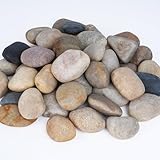
- 【Various Colors and Sizes】These river stones vary in size, approximately 2-3 inches, and display different colors when dry and wet, presenting a variety of aesthetic beauty.
- 【Natural River Stones】These assorted natural river stones are non-toxic and eco-friendly, unpolished, and contain no additives or dyes.
- 【Aquarium Stones】These stones are very clean, suitable for creating a natural habitat for your fish or reptiles. They are safe and comfortable, with smooth surfaces and large enough to prevent accidental ingestion by animals.
- 【Versatile Decoration】Pebbles are suitable for large potted plants, fairy gardens, around trees, flower beds, cactus plants, meditation gardens, flower gardens, terrariums, table decorations, and fire pit surroundings.
- 【Multipurpose Use】They can be used for decoration and also serve as drainage materials to protect the soil from erosion, retain soil moisture, and suppress weed growth.
Advantages: Marble chips create a clean, high-contrast appearance and can make a dark or shaded space feel brighter.
Limitations: Their reflectivity can create glare. Marble is carbonate-rich and may raise soil pH, so it can be a poor choice immediately around acid-loving plants. A light surface can also reflect additional heat or light into nearby foliage.
Check the preferences of established plants before installing marble chips. If plant requirements are uncertain, a more neutral decorative aggregate is the safer choice, and large amounts of alkaline stone should not be mixed into planting soil without a specific reason.
7. Cobblestones, cobbles, and large landscape stone
Cobbles and large landscape stones are larger than ordinary mulch gravel. They provide architectural interest and structure rather than acting as a fine, continuous mulch.
Free tools Windows power users keep installed
One-click scans. No signup required.
Best for: Borders, focal accents, dry creek beds, erosion-control details, retaining transitions, rock gardens, and large-scale landscape composition.
Advantages: Large stones can define an edge, anchor a planting design, create visual rhythm, or make a dry creek bed look intentional. They can also provide durable accents that do not need frequent replacement.
Limitations: Large pieces leave open space between them and can interfere with planting if used too densely. They are heavy, difficult to reposition, and potentially dangerous if unstable. Their scale must relate to the house, bed, path, and mature size of nearby plants.
For a rock garden, bury at least part of each large stone so it looks anchored and is less likely to move. Arrange stones in a natural-looking orientation rather than placing every piece upright or evenly spaced. Using one broad geological type generally creates a more coherent rock garden, while well-drained soil is essential for rock-garden plants.
The Tool Desk
Outbyte Driver Updater FREEFix the driver behind crashes, sound loss and screen glitchesFind Drivers →Outbyte PC Repair FREERepair Windows errors before they cause bigger problemsFix Now →8. Brick chips
Brick chips are angular fragments of crushed brick, typically in red, terracotta, or brown tones. They offer a manufactured-material appearance that can work particularly well near brick houses, masonry walls, and warm-colored hardscape.
Best for: Decorative mulch, edging, warm-colored paths, and areas where the surrounding architecture already uses brick or terracotta.
Advantages: The angular pieces can be more stable than rounded pebbles, and the color provides a strong design accent without relying on white or gray stone.
Limitations: Brick chips may be less comfortable underfoot and can dominate a landscape designed around cool colors or subtle natural tones. Keep loose fragments out of lawns and mowing routes because stones can become hazards around mower blades.
What’s actually slowing this PC down?
Pick the symptom - the matching free tool is one click away.
Rank #4
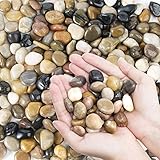
- Natural Stones: This river rocks are natural lightly polished for smooth effect, comes in a variety of natural colors, Resists fading for long-lasting beauty. The color of this river rock is natural so it may include a variety of different shades of browns, whites and black rocks. (rocks are natural and as a result some may be broken or out of shape, oval or round, thick or thin.
- An alternative to mulch: Use indoors or outdoors,Pebble mulch in interior or exterior garden beds, provides good drainage, round and soft easy on the feet as there are no sharp edges.
- Add an extra beautiful: in flower arrangements, walkways, water features, exposed aggregate flooring or walls, around swimming pools it could also be used to as an accent to an aquariums, water gardens, ponds, and terrariums.
- Add an extra beauty in your garden or just outside your house. This is a perfect home decor and a creative interior and exterior design ,helps you keep clean and nice all of your decoration places.
- Polished gravel: An alternative to mulch. Use indoors or outdoors. Our decorative pebbles are gently tumbled and feature a wide variety of colors and shapes.They are long lasting and will not deteriorate like mulch does. Pebbles are polished and coated in pure paraffin wax to enhance color and shine. Available in mixed color.
How to choose the right rock
1. Start with the function
| Project | Usually the better starting choices | Important caution |
|---|---|---|
| Informal garden path | Pea gravel, crushed gravel, or DG | Pea gravel is comfortable but shifts; crushed gravel and properly prepared DG are generally more stable. |
| Driveway or frequently used path | Angular, well-graded crushed material | Base preparation, compaction, slope, and drainage matter as much as the surface rock. |
| Dry creek bed or drainage outlet | Appropriately sized washed stone, river rock, or small riprap | Design a positive outlet and account for water flow; decorative rock alone does not solve drainage. |
| Planting-bed mulch | Small gravel or selected lava rock | Rock does not add organic matter and can increase heat around sensitive plants. |
| Rock garden | Large related stones combined with smaller stone | Bury part of the large stones and provide well-drained soil. |
| Border or focal accent | Cobbles, boulders, or large landscape stone | Match the stone’s scale to the house, bed, and mature plants. |
2. Match particle size to the job
Small particles provide more continuous coverage and can work better as mulch. Larger pieces provide visual structure but leave more open space and can make planting, raking, and walking more difficult.
When water conservation and weed suppression are the main goals of a rock mulch, small rock—under one-half inch—may provide more continuous coverage than large cobbles. Larger stones are better treated as accents, borders, or architectural elements. Drainage and erosion-control projects are different: the right size must be selected according to flow, slope, inlet or outlet conditions, and the feature’s design.
3. Match shape to stability
Choose rounded rock when a natural appearance and comfortable texture matter more than tight compaction. Choose angular rock when the surface must resist shifting or pack into a firmer grade.
On slopes, loose river rock can migrate downhill. Ground covers, terracing, contouring, and properly designed drainage may control erosion more reliably than simply adding more loose stone. If the project involves a steep grade, retaining condition, concentrated runoff, or a large volume of stone, a drainage or hardscape professional can help determine whether the proposed material and installation are appropriate.
4. Account for heat and sunlight
Rock and gravel can absorb or reflect heat. Large areas of unshaded rock next to a house may increase heat exposure, while dark lava rock can make conditions hotter around plants. Sensitive plants may experience heat stress even when the rock itself looks attractive.
Preserve existing vegetation where practical, use shade-tolerant or drought-adapted plants for the site, and avoid covering every exposed area with heat-absorbing stone. Rock is often most successful when used strategically rather than as a blanket across a hot planting bed.
5. Treat “low maintenance” realistically
Rock does not decompose like organic mulch, so it generally needs less replacement. It still collects dust, leaves, and soil. Once enough organic material accumulates, weeds can establish between the pieces, and irregular rock can make those weeds difficult to remove.
Landscape fabric is optional, not a guarantee of a weed-free installation. Permeable fabric may be useful in some situations, but it can interfere with soil organisms and eventually become exposed or clogged. Plastic is a poor choice around plant roots where water and oxygen need to reach the soil.
Recommended Free Tools
For a small DIY installation, useful supplies may include landscape edging for gravel, a landscape rake, a wheelbarrow, and landscape staples if permeable fabric is appropriate for the specific application. The edging helps contain loose material; it does not replace a compacted base or correct drainage problem.
6. Check soil and plant compatibility
Inorganic rock mulch does not improve soil fertility or structure. If improving soil is the priority around trees and shrubs, organic mulch is generally more beneficial. Rock is easier to justify in paths, dry landscapes, succulent beds, drainage features, and places where durable ground cover is the main objective.
Be particularly cautious with marble chips around acid-loving plants because the material can alter soil pH. Also consider the plant’s drainage, heat, and root-zone requirements before installing any rock mulch. Choosing plants after installing an unsuitable rock can create an avoidable maintenance problem.
7. Plan quantity, handling, and delivery
Landscape rock is heavy. Bagged products are convenient for small repairs and compact areas, but many bags can become expensive and labor-intensive for a large bed. Bulk delivery is often more practical for substantial coverage, driveways, drainage channels, and dry creek beds.
Suppliers may sell rock by bag, cubic foot, pallet, or bulk yard. Confirm how the quantity is measured and ask for the supplier’s coverage estimate at the intended depth. Also check:
- Exact particle-size range and grading
- Washed, dusty, or screened condition
- Color variation between batches
- Whether the material is intended for foot traffic, drainage, or decoration
- Delivery access and where the load can be safely placed
- Whether the product is sold by weight or volume
Inspect a sample or the actual material whenever possible. Terms such as “river rock,” “decorative stone,” and “drainage rock” can describe different sizes and colors from one market to another.
Best Value

- 【High Polished】 These natural decorative stones add a dazzling shine to your garden.
- 【Versatile Decoration】Widely used in plants, outdoor landscapes, gardens, these stones enhance the beauty of your space.
- 【Various Colors and Sizes】 These river rocks come in different sizes, approximately 1 to 1 1/2 inches, with diverse colors, making them highly attractive.
- 【Wide Compatibility】They can be used for decoration and also serve as drainage materials to protect the soil from erosion.
- 【Environmentally Friendly】 These naturally formed stones are long-lasting, resilient, and eco-friendly, offering a sustainable and visually pleasing option.
A practical decision guide
- Identify the job. Is the area a path, driveway, planting bed, drainage feature, border, or focal point?
- Determine the required stability. Frequent traffic favors angular, compactable material; decorative areas can tolerate loose rounded or irregular rock.
- Check the water path. Make sure runoff has somewhere to go and that the rock size suits the expected flow.
- Evaluate the plants. Consider heat, shade, drainage, soil pH, and whether the rock will improve or undermine the planting environment.
- Choose the scale. Use small rock for continuous coverage and larger stone for structure and accents.
- Plan containment and installation. Add edging where loose rock might migrate, prepare the base for paths, and avoid impermeable plastic around roots.
- Compare delivered cost. For a small area, bags may be simplest; for a large area, compare bulk and local stone-yard delivery.
- Order a sample. Color names and size labels are not standardized across suppliers.
Which rock is best for common landscape projects?
For a casual garden path: pea gravel gives a softer, rounded appearance, while angular crushed gravel or properly installed DG usually provides better stability.
For a driveway: select a well-graded angular crushed material designed for compaction. Decorative river rock is usually a poor substitute.
For a dry creek bed: use a mix of appropriately sized washed stone and larger accents, shape the channel toward an outlet, and account for concentrated flow at inlets and outlets.
For a low-water planting bed: lava rock or small gravel may work with plants suited to heat and fast drainage. Do not assume rock eliminates weeds or improves the soil.
For a bright ornamental bed: marble chips can provide strong contrast, but check plant pH requirements and potential glare first.
For a rock garden: combine deliberately placed, partly buried large stones with smaller related stone and well-drained soil.
What’s actually slowing this PC down?
Pick the symptom - the matching free tool is one click away.
For a brick house or warm masonry: brick chips can connect the landscape visually to the architecture, provided the color and foot comfort suit the site.
When to get installation help
A small decorative bed is often manageable as a DIY project. Consider professional landscape design, grading, drainage, or hardscape installation when the work involves a steep slope, concentrated downspout discharge, retaining conditions, a large dry creek bed, a DG path with challenging grades, heavy boulders, or water that could affect a foundation or neighboring property.
Professional help is not necessary for every bag of gravel, but the consequences of a poorly designed drainage feature or unstable heavy stone can be much greater than the cost of choosing the right design at the start.
Frequently Asked Questions
What is the best rock for a landscaping path?
For an informal path, pea gravel offers a rounded and relatively comfortable surface. For better stability, use angular crushed gravel or properly prepared decomposed granite. A compacted base, edging, slope, and drainage are critical regardless of the surface material.
Windows Errors? Fix Them Before They Spread
Repair common Windows errors and clear accumulated junk for a smoother, more stable PC - no reinstall needed.Free scan · no reinstallOutdated Drivers Are Slowing You Down
One free scan finds every outdated or missing driver and matches the right update for your exact hardware.Free scan · exact hardware matchIs river rock good for drainage?
River rock can work well in dry creek beds, drainage channels, and outlet areas when it is appropriately sized and installed as part of a feature that directs or slows water. Simply filling a low spot with decorative river rock may not solve a drainage problem.
Does landscaping rock prevent weeds?
Rock can reduce weed emergence and evaporation, but it does not prevent weeds permanently. Dust, leaves, and soil accumulate between stones and create a place for weeds to grow. Fabric may help in some applications but is optional and has soil-health trade-offs.
Which landscaping rocks are bad for plants?
No single rock is unsuitable for every plant, but marble chips deserve caution around acid-loving plants because they may raise soil pH. Dark or extensive rock surfaces can also increase heat around sensitive plants, and rock mulch does not improve soil fertility or structure.
Should I buy bagged or bulk landscape rock?
Bagged rock is convenient for small areas and repairs. Bulk or pallet delivery is often more practical for large planting beds, driveways, drainage channels, and dry creek beds because rock is heavy and many individual bags require substantial handling.
Free tools Windows power users keep installed
One-click scans. No signup required.
The Bottom Line
Choose the rock by function first: pea gravel for a casual rounded surface, river rock for natural-looking drainage and accents, crushed stone for interlocking stability, DG for a carefully prepared permeable path, lava rock for lightweight decorative coverage, marble chips for bright ornamental areas, cobbles and large stones for structure, and brick chips for warm-colored design. The right choice is the material that fits the site’s traffic, water, plants, climate, maintenance needs, and scale.
Quick Recap
Product prices and availability are accurate as of the date/time indicated and are subject to change. Any price and availability information displayed on Amazon at the time of purchase will apply.

