The most reliable “natural” way to keep mice away is physical exclusion: seal every opening larger than about 1/4 inch, remove accessible food and shelter, and use snap traps if mice are already indoors. Peppermint oil, dryer sheets, and similar scent remedies may smell unpleasant to people or mice, but they do not reliably drive an established mouse out of a building.
In this guide, “natural” means prevention-first, non-poison, and low-chemical control—not a promise that every kitchen ingredient is harmless or effective. The advice is general U.S.-oriented home-prevention guidance; follow product labels and account for local building codes, landlord rules, and pest-control requirements.
As an Amazon Associate I earn from qualifying purchases.
1. Seal openings larger than 1/4 inch
A mouse can squeeze through a gap about the width of a pencil—roughly 1/4 inch, or 6 millimeters. That makes sealing the most important and durable step. Odors may be avoided, but a properly repaired opening cannot be entered.
Do these 3 things before closing this tab:
1Fix the driver behind crashes, sound loss and screen glitches2Clear out junk files and repair common Windows errors3Scan for outdated or missing drivers - takes under a minuteInspect the entire exterior and interior perimeter, including:
#1 Best Overall
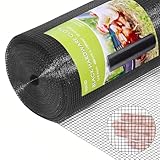
- RUST RESISTANCE: UULID black hardware cloth 1/4 inch 48 x 100 ft adopts Hot dipped galvanized, which prevents rust and corrosion and longer service life
- SUPERIOR DURABILITY:Our black hardware cloth features a protective black pvc coated welded wire fence, enhancing its longevity and performance. providing lasting security for your garden and poultry.
- 1/4" x 1/4" OPENINGS: hardware cloth 1/4 inch garden wire fence rolls opening can be used to build wire walls and roofs for chickens, effectively protecting your chickens from other carious animals! ensuring their safety
- STRONG DURABILITY:Our garden fence wire cloth is rust proof, waterproof, tear resistance, and the grid is flat and even. Even in a variety of wet environment still remains the same, thus this Hot-dip galvanization hradware cloth chicken wire mesh roll is one of the wonderful choice for making fences
- GREAT PACKAGE: We would like to make sure every customer receives a satisfactory hardware cloth 1/4 inch 48 x 100 ft chicken fencing wire fence mesh
- Foundation joints, cracks, and gaps where siding meets masonry
- Gaps beneath exterior doors and around damaged weather stripping
- Window frames, attic vents, crawl-space vents, and roofline openings
- Pipe, cable, gas, and electrical penetrations
- Openings behind appliances and beneath cabinets
- Floor vents, dryer vents, garage doors, and utility chases
- Gaps around sheds, attached garages, and crawl-space access doors
For a small hole, temporarily pack the opening with coarse steel wool and secure it with caulk or another durable repair. Steel wool can rust and should not be treated as a permanent repair by itself. Larger holes need materials mice cannot chew through, such as metal sheeting, cement, wire screen, or 1/4-inch hardware cloth. Use metal mesh where a vent, utility opening, or larger irregular gap needs a durable barrier.
Do not rely on ordinary expanding foam, plastic screening, rubber, vinyl, or similar chewable materials as a stand-alone repair in an active entry point. Foam can help fill a void when combined with a rodent-resistant barrier, but it is not the barrier itself. UC Integrated Pest Management identifies exclusion as the most successful and permanent form of house-mouse control and recommends eliminating openings larger than 1/4 inch. [c001] [c002]
A practical exclusion check
- Walk the outside of the home after dark with a flashlight; look for light around doors, vents, and utility penetrations.
- Check dusty areas, insulation edges, and corners for droppings or rub marks.
- Repair the smallest gaps first, then address larger penetrations with metal or masonry.
- Pay particular attention to the garage, basement, crawl space, and attic. These areas connect the exterior to wall and ceiling voids.
- Reinspect after heavy rain, construction work, utility work, or landscaping changes.
If daylight is visible beneath an exterior door, measure the gap before buying a repair. An appropriately fitted exterior door sweep can close a bottom gap, but not every sweep is rodent-proof; it must fit the door and meet the threshold without leaving corners open.
2. Remove food, water, and easy feeding opportunities
Sanitation will not seal an established infestation, but it makes the home less rewarding while exclusion and trapping do their work. Mice need surprisingly little food, so crumbs and spilled feed matter.
- Store cereal, grains, snacks, pet food, birdseed, and animal feed in thick plastic, metal, or glass containers with tight-fitting lids.
- Use an airtight food-storage container for dry goods and pet food rather than leaving bags open in a pantry, basement, garage, or mudroom.
- Clean crumbs and spills promptly, especially beneath appliances and furniture.
- Wash dishes soon after meals and wipe food residue from counters.
- Put pet food away after meals, and do not leave food or water bowls out overnight when mice are active.
- Keep indoor garbage in a sturdy container with a tight lid and empty it regularly.
Look beyond the kitchen. Outdoor bird feeders, spilled seed, compost, grills, trash, and livestock or poultry feed can sustain rodents close to the building. During an active mouse problem, temporarily stop feeding birds or change the setup so less seed accumulates on the ground. Keep compost and garbage closed and clean grease and food residue from grills.
Food control works best with sealing and monitoring. A clean house can still have mice if a foundation gap, garage-door gap, or utility penetration remains open.
3. Reduce shelter near the structure
Mice are more likely to explore a house when nearby areas provide cover, nesting material, and easy access. Reduce that pressure around the foundation, garage, shed, and crawl-space entrances.
- Move firewood at least 100 feet from the house and raise it at least 1 foot off the ground where practical.
- Remove brush piles, leaf piles, junk, abandoned equipment, and unused materials close to the foundation.
- Keep grass and shrubs trimmed back from doors, vents, and walls.
- Reduce deep mulch and dense vegetation immediately beside the structure.
- Clear clutter from garages, sheds, basements, crawl spaces, and areas beneath decks.
- Store construction materials, bags of seed, and outdoor supplies off the ground and away from walls.
This is habitat reduction, not a guarantee. A perfectly manicured yard does not prevent every mouse from entering, particularly in cold weather or where the structure has accessible gaps. It does, however, reduce hiding places and makes new activity easier to see.
Rank #2

- 【Size Specification】Size of our hardware cloth is 16 inches wide by 20 foot long, wire 1/4 inch thick, and 23 gauge.
- 【Hot Dipped Galvanized Hardware Cloth】Our hardware cloth roll use hot plating galvanizing process, which is galvanized after uniformly welding, providing a double zinc coating for maximum long life, achieve a long time in the outdoor use, not easy to rust. You can use our galvanized wire mesh with confidence.
- 【Easy to install and use】Our wire is firm but you can easy to wrap and cut(Use tools like snip ) to the shape and lenght you want, sturdy and pliable. Come with carton packaging, Galvanized Wire Mesh Roll is easy to open the package and not easy dents, be better protected and more beautiful.
- 【Hardware Cloth with Wide Range of Applications】Our welded wire fence Roll is suitable for chicken pen/coop fences, raised garden beds, screens, rabbit/snake fences, tree guards, garden flower beds, orchard tree protection boards etc. It can effectively prevent your chickens, ducks, rabbits and other farmed animals and vegetables, tomatoes, strawberries and other fruits and vegetables from being entered by small animals such as snakes, voles, gophers and so on.
- 【Warm reminder】1. The cutting area around the wire mesh roll is sharp, please pay attention to safety to avoid cutting your fingers! 2.Please pay attention to the length and mesh. 3.If you have any questions about our Hardware mesh after receiving the package, please feel free to contact us through Amazon.
4. Treat peppermint and other scents only as limited supplements
Peppermint, cedar, clove, and other strong odors are often promoted as natural mouse repellents. The evidence does not justify presenting them as a dependable exclusion method.
A Pennsylvania State University Integrated Pest Management fact sheet cautions that peppermint odor does not make mice leave a building. A mouse may simply avoid a saturated cotton ball or walk around the odor source. The same guidance says dryer sheets have not been shown to deter mice, and warns that essential oils may trigger asthma or allergies. Mint-infused garbage bags have also not been shown to deter rodents. [c008]
If you enjoy peppermint scent, you can use it as a short-term adjunct after sealing gaps and removing food sources. Do not use it instead of repairs, and do not assume that a strong smell proves the method is working. There is no dependable number of drops, placement schedule, or duration that turns essential oil into a guaranteed mouse barrier.
Quick wins for a faster PC:
Fix the driver behind crashes, sound loss and screen glitchesFind Drivers →Clear out junk files and repair common Windows errorsFree Scan →Never use mothballs as an open-air mouse repellent. The National Pesticide Information Center explains that mothballs are pesticides intended for use in airtight clothing-storage containers, not for repelling animals. Exposed vapors can harm people and animals. [c009]
5. Use snap traps when mice are already indoors
For a small number of mice inside the home, snap traps are a low-chemical, verifiable option. They do not introduce rodenticide into the building, and they allow you to confirm whether control is working. This is “natural” only in the limited sense of mechanical, non-poison control—not because trapping is harmless in every situation.
Use enough mouse-size snap traps to cover the active area rather than placing one trap in the middle of a room. UC IPM recommends positioning traps:
- Against walls, with the trigger end toward the wall or along the mouse’s travel route
- Behind appliances, furniture, and stored objects
- In dark corners and near fresh droppings, gnaw marks, or nesting material
- Where children and pets cannot reach them
House mice usually stay within about 30 feet of their nest and food supply. In active areas, space traps no more than about 10 feet apart. A small amount of food the mice are already eating can be used as bait; peanut butter is commonly used, but consider allergy risks and keep bait inaccessible to children and pets. [c002]
The Tool Desk
Outbyte Driver Updater FREEFix the driver behind crashes, sound loss and screen glitchesFind Drivers →Outbyte PC Repair FREERepair Windows errors before they cause bigger problemsFix Now →Rank #3
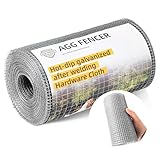
- Product details: The length of this hardware cloth is 8 inches/ 20.32cm, the width is 25ft/ 7.62m, and the hole size is 1/4 x 1/4inch. It is very suitable for repairing damaged chicken coops, gaps under houses and other small-sized damaged holes
Check traps regularly and dispose of a trapped mouse using gloves and appropriate sanitation procedures. Follow the trap manufacturer’s directions. EPA identifies snap traps as a lethal-trap option and advises placing them where children and pets cannot reach them. [c010]
Why live release is not automatically humane
Live traps may sound more humane, but releasing a mouse nearby does not solve the building’s access problem. EPA notes that released rodents may return unless entry points are sealed. A released animal may also face stress, exposure, or territorial problems. If you choose a live trap, understand the local rules and have a realistic plan that includes exclusion.
6. Clean mouse evidence safely and monitor for recurrence
Droppings and nesting material are not just evidence of mice; disturbing contaminated material can create a health risk. Do not sweep or vacuum dry droppings, urine, nests, or other rodent debris. Those actions can aerosolize contaminated particles.
For ordinary cleanup, CDC guidance says to:
- Put on rubber or plastic gloves.
- Thoroughly wet droppings and contaminated material with household disinfectant or a fresh bleach solution.
- Let the disinfectant soak for 5 minutes, or follow the product label’s required contact time.
- Wipe up the material with paper towels.
- Disinfect the surface and clean the area according to the product directions.
- Remove gloves carefully and wash your hands thoroughly.
Never mix bleach with ammonia or other cleaning products. If contamination involves an HVAC system, wall void, attic insulation, or another inaccessible area, stop work and seek appropriate professional guidance rather than spreading particles through the home.
After cleanup, monitor for fresh droppings, gnaw marks, nesting material, odors, and new damage. Fresh droppings after repairs usually mean at least one entry point, food source, or active nesting area has been missed. Continue checking traps and inspecting repairs until signs stop.
What not to rely on
- Ultrasonic or electronic devices: UC IPM states that high-frequency electronic devices are not effective for house mice. [c002]
- Mothballs: They are not open-air animal repellents and can expose people and pets to harmful vapors. [c009]
- Peppermint-only treatments: A mouse can avoid the odor source without leaving the structure. [c008]
- Poison as the default “natural” solution: Rodenticides are not natural and can create risks for children, pets, wildlife, and predators. EPA describes consumer safeguards, including protective bait stations, but poison should not replace exclusion and careful diagnosis. [c003]
- Housekeeping alone: Removing food helps, but it cannot compensate for an open foundation, vent, door, or utility gap.
When to call a professional
Contact a qualified pest-control or rodent-exclusion professional, and consider local health-department guidance, when:
Rank #4

- Galvanized After Welding: Hot-dip galvanized after welding coats every welded joint, so the heavy duty mesh resists rust and breakage far longer than pre-galvanized wire in rain, soil, and sun.Thicker wire builds a sturdier fence that resists bending and animal push-through
- Product Size & Coverage: The roll is 48 inch wide by 100 foot long, and 1/4 inch×1/4 inch mesh opening, enough to cover a small run, a few beds, or one coop, cut to length for any project. Measure your project need first so you order the right length and avoid mid-job gaps
- Easy to Cut & DIY: Smooth welded edges reduce scratches while cutting and installing. And works well with fence posts, zip ties, and landscape staples for quick, tool-light setup. Installing it is a breeze, making it a convenient choice for DIY enthusiasts
- Multipurpose Garden & Coop Mesh: This hardware cloth is designed to build garden fences, poultry netting, and backyard animal barriers that keep rabbits, snakes, and gophers away from your plants and coops.Ideal for gardens, raised beds, chicken coops, and farms during spring planting and summer fencing
- Made for Home Gardeners & Chicken Keepers: Perfect for DIY homeowners, poultry raisers, and landscapers. Whether you're preventing small animals from accessing your garden or reinforcing fences for added security, this metal mesh is a reliable solution that will give you peace of mind
- Droppings continue after thorough sealing, sanitation, and trapping
- The infestation is heavy or contamination is widespread
- Mice are entering wall voids, ceilings, HVAC systems, or other inaccessible spaces
- There is extensive damage to wiring, insulation, ductwork, or structural materials
- Someone becomes ill after significant rodent exposure
- Children, pets, allergies, or asthma make cleanup and trapping difficult
CDC recommends additional precautions for heavy infestations, and EPA provides professional-control guidance. [c005] [c003] A licensed provider can identify entry routes that are difficult to see, advise on contaminated areas, and explain which repairs are appropriate for the building.
Quick mouse-prevention checklist
- ☐ Seal every opening larger than 1/4 inch.
- ☐ Use metal mesh, metal sheeting, cement, or another durable barrier for larger gaps.
- ☐ Secure small steel-wool plugs with caulk or a permanent repair.
- ☐ Fit exterior door sweeps and repair damaged weather stripping.
- ☐ Store food, pet food, birdseed, and feed in tight-lidded containers.
- ☐ Remove crumbs, spills, overnight pet bowls, and accessible garbage.
- ☐ Move firewood away from the house and reduce brush and clutter near the foundation.
- ☐ Place mouse-size snap traps along walls near signs of activity.
- ☐ Keep traps away from children and pets and check them regularly.
- ☐ Disinfect droppings; never sweep or vacuum them dry.
- ☐ Recheck the building for fresh evidence after repairs.
Frequently Asked Questions
What is the most effective natural way to keep mice away?
Physical exclusion is the most effective prevention-first method: seal openings larger than 1/4 inch with durable materials such as metal mesh, metal sheeting, or cement. Combine repairs with food control, reduced outdoor shelter, and monitoring.
Free tools Windows power users keep installed
One-click scans. No signup required.
Does peppermint oil really keep mice away?
Peppermint oil is not a dependable solution. Mice may avoid a concentrated odor temporarily or simply walk around it, and the odor does not reliably make them leave a building. It should never replace sealing and sanitation.
Can I use steel wool to block a mouse hole?
Coarse steel wool can temporarily plug a small hole, but it should be secured with caulk or followed by a durable repair. It may rust and is not the best stand-alone solution for larger openings.
Should I use poison if I see mouse droppings?
Poison is not a natural control and should not be the default response. For a small indoor problem, properly placed snap traps provide mechanical control and let you verify results. If rodenticide is considered, follow the product label and all child- and pet-safety requirements.
How should I clean mouse droppings?
Wear rubber or plastic gloves, wet the droppings thoroughly with household disinfectant or a fresh bleach solution, let them soak for five minutes or follow the label, wipe them up with paper towels, and disinfect the surface. Do not sweep or vacuum dry droppings.
Recommended Free Tools
The Bottom Line
Keep mice away by making the home physically inaccessible and unrewarding: seal, store, trim, trap, clean, and monitor. Strong scents may offer a temporary supplement, but no peppermint product or household trick can substitute for a properly repaired gap.
Quick Recap
Product prices and availability are accurate as of the date/time indicated and are subject to change. Any price and availability information displayed on Amazon at the time of purchase will apply.

