What’s actually slowing this PC down?
Pick the symptom - the matching free tool is one click away.
To repair a winter-damaged lawn, first identify what caused the damage, then wait for thawed, firm soil before raking, aerating, fertilizing, or reseeding. Brown grass is not always dead: dormancy, snow mold, vole activity, compaction, salt, poor drainage, and chemical injury can look different and need different responses.
1. Diagnose the damage before treating it
Look at the shape and location of affected areas, not color alone. Brown turf may green up as temperatures rise, while lasting bare patches after active growth resumes are more likely to need repair.
As an Amazon Associate I earn from qualifying purchases.
- Uniform brown grass: It may simply be dormant. Give it time to resume growth before applying products.
- Matted, crusty or circular patches: These can indicate snow mold after snow recedes. Gray snow mold often recovers once matted leaves are removed; pink snow mold can leave areas needing seed. Illinois Extension notes that gray snow-mold infection is favored by temperatures of 30 to 45°F and that its sclerotia measure 1 to 5 mm. These clues are not a diagnosis by themselves. Illinois Extension’s gray snow mold guidance.
- Winding surface runways: These are characteristic of vole activity. Illinois Extension describes vole runways and snow mold patterns.
- Flattened or worn strips: Foot or vehicle traffic can compact soil and damage turf, especially when the ground is frozen or wet.
- Damage beside pavement: Salt or ice melt can injure grass in strips near walks and driveways.
- Scattered or sharply defined dead areas: Drought, overwatering, nutrient problems, fertilizer spills, pesticide injury and poor drainage are among other possible causes. University of Maryland Extension’s winter-damage guidance lists these non-pest causes.
If a patch remains bare after surrounding grass is actively growing, investigate and repair it rather than assuming the lawn is still dormant.
The Tool Desk
Outbyte PC Repair FREEClear out junk files and repair common Windows errorsFree Scan →Outbyte Driver Updater FREEFix the driver behind crashes, sound loss and screen glitchesFind Drivers →2. Wait for thaw, then rake gently
Stay off snow-covered or frozen turf. Work only after snow and frost are gone and the soil is firm enough to walk on without leaving deep footprints or smearing. Working wet soil can compact it further and make recovery harder.
#1 Best Overall
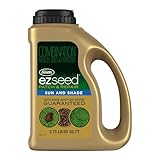
- WHEN TO APPLY : This lawn seed mix of Kentucky bluegrass seed, perennial ryegrass, and fine fescue grass seed germinates best when daytime temperatures are between 60°F and 80°F with no danger of frost
- PATCH & REPAIR: Scotts EZ Seed Patch & Repair Sun and Shade is a revolutionary grass seeding product that makes grass patch repair for lawns easy; it's designed to fill in bare spots and repair lawn damage
- COVERAGE: One 3.75 lb. jug of EZ Seed Patch & Repair lawn grass seed mix covers up to 85 sq. ft. in 3 easy steps: prep the area, evenly apply the seed and water until no more water is being absorbed
- WHERE TO USE: This sun and shade lawn repair grass seed mix is guaranteed to grow anywhere with proper care including in full sun, dense shade, high traffic areas and on slopes
- SUN AND SHADE GRASS: Contains a combination of high performance grass seed for lawns, mulch that expands to surround the seed, controlled release fertilizer, tackifier to help keep seed from washing away and a protectant to help keep seedlings safe
Use a light rake to lift leaves and matted grass from affected areas. Gray snow mold is usually not fatal; removing dead leaves can help the turf recover. Rake persistently bare or pink-bordered areas more thoroughly so that later seed can reach soil. Raking clears surface material; it does not correct compaction below it. Connecticut Extension’s lawn disease guidance.
3. Test the soil and correct site problems
Before applying lime or fertilizer, get a soil test for pH, nutrients and organic matter. A home kit can provide convenient screening, but the University of Maryland Extension says laboratory testing is more thorough for renovation decisions. Use the results to determine whether amendments are needed rather than treating by guesswork. University of Maryland Extension: soil testing and laboratories.
Rank #2
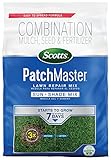
- LAWN BARE SPOT REPAIR: Scotts PatchMaster Lawn Repair Mix Sun + Shade Mix is a combination mulch, seed, and lawn fertilizer product specifically designed to provide all-in-one bare spot repair and grass patch repair for lawns
- MULCH: This sun and shade grass seed mix contains 100% recycled mulch that absorbs 3 times its weight in water to help keep the seed moist and in place during establishment
- READY-TO-GROW: Scotts PatchMaster Lawn Repair Mix Sun + Shade Mix has lawn seed that starts to grow in as few as 7 days and feeds for up to 6 weeks
- GRASS FERTILIZER FOR LAWNS: Includes controlled release nitrogen that seedlings need for fast growing and thick results
- GRASS SEED MIX: Premium lawn grass seed mixture of Kentucky Bluegrass seed, perennial ryegrass, and fine fescue grass seed specially selected to blend with your existing lawn
Fix standing-water and compaction problems before reseeding. If soil is compacted, core aeration can open channels for water, air and roots, and can improve overseeding results. Target compacted areas; healthy, uncompacted turf does not need routine aeration. Aerating saturated soil can worsen the problem, so wait until the ground is workable. University of Maryland Extension’s renovation guidance.
4. Fertilize only after growth resumes
Do not try to “wake up” dormant or stressed grass with fertilizer. Extra nutrients can damage turf in that condition. Wait until grass is actively growing, then follow the soil-test recommendation and local fertilizer rules. Connecticut Extension reports that cool-season seed germination generally requires soil temperatures above 50°F; air temperature alone is not a reliable signal that seed is ready to grow. Connecticut Extension’s lawn fertilization guidance.
Rank #3

- Patch and Repair: Scotts EZ Seed Patch & Repair Sun and Shade is a revolutionary grass seeding product designed to fill in bare spots and repair lawn damage
- Sun and Shade Grass: Contains a combination of high performance grass seed, mulch that expands to surround the seed, controlled release fertilizer, tackifier to help keep seed from washing away and a protectant to help keep seedlings safe
- Usage: This sun and shade grass seed mix is guaranteed to grow anywhere with proper care including in full sun, dense shade, high traffic areas and on slopes
- Application: Grass seed germinates best when daytime temperatures are between 60°F and 80°F with no danger of frost
- Coverage: One 10 lb. bag of EZ Seed Patch & Repair covers up to 225 sq. ft. in 3 easy steps by preparing the area, evenly applying the seed and watering until no more water is being absorbed
Avoid excess fast-release nitrogen in autumn: Illinois Extension links late-season nitrogen to greater snow-mold risk. Always follow product labels and local regulations. Illinois Extension’s snow mold and vole guidance.
5. Reseed or resod genuinely bare areas
Once the soil is prepared, remove dead matted tissue, level the surface and ensure seed contacts soil. Choose a grass type that matches the lawn’s dominant turf and the patch’s sun and moisture conditions. For scattered bare spots, reseeding is usually the simpler repair; sod provides immediate cover but needs careful establishment. The University of Maryland Extension suggests renovation when weeds make up more than 50% of the lawn; that is a renovation trigger, not a threshold for every small winter-damaged patch. University of Maryland Extension’s renovation and overseeding guidance.
Rank #4
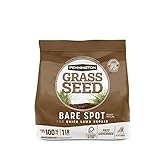
- Establishes quickly
- Only 3 easy steps to see results with lawn seed
- Turf grass that grows anywhere in the USA
- See results in 5 to 14 days with spring and fall grass seed
- This bag of fast growing grass seeds covers up to 100 sq ft
Keep new seed evenly moist until established, then shift toward deeper, less frequent watering. Spring seeding can repair urgent bare areas, but seedlings may face summer heat before they are well established. For cool-season lawns, late summer to early autumn is generally an easier establishment window. Very thin lawns may need two to three consecutive overseedings to fill in, according to Maryland Extension; a single seeding may not be enough. University of Maryland Extension.
Free tools Windows power users keep installed
One-click scans. No signup required.
6. Resume mowing and prevent a repeat
Start mowing again only when the lawn is growing and the soil is firm. Keep mower blades sharp. Illinois Extension recommends mowing until the lawn is fully dormant, with a final height around two inches as a vole-prevention measure. Remove thick leaf cover, manage thatch, improve drainage and airflow, and keep people and vehicles off frozen or snow-covered turf. Illinois Extension’s snow mold and vole guidance.
Quick Recap
Best Value
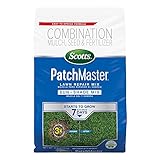
- Combination mulch, seed, and fertilizer mix specifically designed to provide all-in-one bare spot repair for your lawn
- Mulch: 100% recycled mulch absorbing 3x its weight in water to help keep the seed moist and in place during establishment
- Grass Seed: Mixture of premium seeds, specially selected to blend with your lawn
- Fertilizer: Includes controlled release nitrogen that seedlings need for fast growing and thick results
- Ready-to-grow lawn repair mix starts to grow in as few as 7 days and feeds for up to 6 weeks
Which spring repair should you choose?
| Choice | Best use | Key consideration |
|---|---|---|
| Rake | Removing leaves and matted surface grass | Wait until soil is thawed and firm; raking does not relieve subsurface compaction. |
| Core aerate | Compacted areas, especially before overseeding | Target compacted soil and avoid saturated or healthy, uncompacted areas. |
| Reseed | Scattered bare patches or damaged turf that needs filling in | Match the existing grass and site; spring seedlings may face summer stress. |
| Resod | Bare areas where immediate turf cover is preferred | Sod still needs careful establishment and watering. |
| Soil kit | Convenient screening | Less thorough than laboratory testing for renovation decisions, according to Maryland Extension. |
| Laboratory soil test | Guiding lime and fertilizer decisions | Use the results to select amendments rather than applying them automatically. |
Sources
- University of Maryland Extension: Winter Damage to Lawns
- University of Maryland Extension: Soil Testing and Soil Testing Labs
- University of Maryland Extension: Lawn Renovation and Overseeding
- Illinois Extension: Snow Mold and Vole Damage in Lawns
- Connecticut Extension: Lawn Diseases
- Connecticut Extension: Lawn Fertilization
Product prices and availability are accurate as of the date/time indicated and are subject to change. Any price and availability information displayed on Amazon at the time of purchase will apply.

