Do these 3 things before closing this tab:
1Scan for outdated or missing drivers - takes under a minute2Clear out junk files and repair common Windows errors3Fix the driver behind crashes, sound loss and screen glitchesYou can build a garden without a conventional backyard. Windowsills, balconies, rooftops, entryways, patios, and walls or fences can all make room for plants, especially when you choose containers suited to the site. Start by checking sunlight, water access, wind exposure, drainage, and any building or weight restrictions.
1. A windowsill or window box
A sunny windowsill can hold a few small containers, while a window box uses the exterior ledge for flowers or vegetables. Virginia Cooperative Extension notes that windowsills can provide space for container vegetables, and the Royal Horticultural Society (RHS) includes window boxes among its garden options.
As an Amazon Associate I earn from qualifying purchases.
Track how much direct light the spot receives through the day, then choose plants that suit it. Before planting an exterior box, make sure it is securely supported and can drain without damaging the building or creating a nuisance below.
Next step: Measure the sill or box, observe its light, and select a stable container with drainage suited to the location.
#1 Best Overall
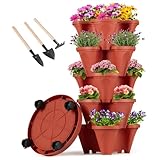
- SAVE FLOOR SPACE - Stackable vertical planter tower
- EASY 360° MOBILITY - 4 lockable swivel wheels
- PREVENT OVERWATERING - Bottom drainage holes for breathable pots
- RIGHT MOISTURE - Soil board holds a little water to keep soil moist
- VIBRANT & ROOT-SAFE: PATENTED SOIL BOARDS - Our vertical garden design features specialized airflow gaps and a patented soil-holding board that prevents root rot. This breathable system ensures your indoor or outdoor herbs stay lush, green, and healthy from the top tier to the bottom.
2. A balcony
Balconies can accommodate pots, railing planters, and planter boxes; a trellis can add growing space above the floor. But a balcony is not automatically suitable for every container or setup. Check building rules, permissions, and any stated load limits before adding planters. If you cannot establish whether the structure can safely support the proposed load, consult a qualified structural professional, as the RHS advises.
Wind and direct sun can dry exposed containers quickly, while an overhang may keep rain from reaching them. Account for these conditions when choosing plants and planning how you will water. Secure containers so they cannot topple or fall.
Next step: Confirm permission and load limits, then map the balcony’s sun and wind before choosing container size or placement.
Crashes, No Sound, or Screen Glitches?
Random freezes, missing sound and display glitches usually trace back to one bad driver. Find and replace yours safely.Free scan · under a minuteWindows Errors? Fix Them Before They Spread
Repair common Windows errors and clear accumulated junk for a smoother, more stable PC - no reinstall needed.Free scan · no reinstall3. A rooftop
Rooftop containers can turn otherwise unused space into a garden, but this is the location where a safety check matters most. Do not place planters or begin construction until you have confirmed permission, structural capacity, and the condition and protection of the roof’s waterproofing. Get qualified professional advice if the building’s capacity or roof requirements are unclear.
Rank #2

- Space-Saving : This strawberry planter maximizes your gardening space by stacking 5 layers to grow more plants in a compact area. The strawberry tower planter is ideal for patios, balconies, or indoor use
- Efficient Self-Draining: This vertical garden planter’s built-in drainage feature prevents waterlogging, keeping plants healthy by automatically channeling excess water away
- Soil Moisture Retention: Designed to maintain ideal moisture levels, the greenstalk vertical planter keeps soil hydrated longer, reducing the need for frequent watering and helping plants thrive
- Easy to Move: The strawberry pot’s movable wheels make the vertical planter tower simple to transport for optimal sun exposure or to rearrange spaces
- Suitable for Multiple Plants: This tiered planter is perfect for herbs, flowers, vegetables, or succulents, this planter accommodates diverse plant types, letting you build a mini garden with ease
Rooftops can be exposed to strong sun and wind. Plan for secure, appropriately lightweight containers, reliable drainage that will not compromise the roof, and convenient access to water. The RHS’s guidance on roof gardens and balconies highlights structural considerations; site-specific approvals and limits depend on the building and local rules.
Next step: Ask the building owner or manager what approvals and assessments are required before planning a rooftop garden.
4. A doorway or doorstep
A doorstep or entryway can hold a small group of containers for flowers, herbs, or vegetables if it receives suitable light. Virginia Cooperative Extension identifies entryways and doorsteps as possible container-gardening sites. The main practical constraint is keeping the space usable: plants should not obstruct the door, walkway, accessible route, or emergency exit.
Check whether the location is sheltered or exposed, and make sure you can reach the containers to water them. A few appropriately sized pots are often more practical than a crowded row that narrows the passage.
Rank #3

- SAVE FLOOR SPACE - Stackable vertical planter tower
- EASY 360° MOBILITY - 4 lockable swivel wheels
- PREVENT OVERWATERING - Bottom drainage holes for breathable pots
- RIGHT MOISTURE - Soil board holds a little water to keep soil moist
- VIBRANT & ROOT-SAFE: PATENTED SOIL BOARDS - Our vertical garden design features specialized airflow gaps and a patented soil-holding board that prevents root rot. This breathable system ensures your indoor or outdoor herbs stay lush, green, and healthy from the top tier to the bottom.
Next step: Measure the clear walking space and observe the light before setting out containers.
5. A patio or terrace
A patio or terrace can support a garden in containers even when there is no soil bed. Virginia Cooperative Extension and Rutgers New Jersey Agricultural Experiment Station both recognize patios or terraces as container-gardening locations. Group pots where they receive suitable light and where watering and routine care are convenient.
Choose plants with similar light and care needs for each grouping. Consider how containers will drain and where excess water will go, particularly on paved surfaces or near doors and walls.
The Tool Desk
Outbyte PC Repair FREEClear out junk files and repair common Windows errorsFree Scan →Outbyte Driver Updater FREEScan for outdated or missing drivers - takes under a minuteDriver Scan →Next step: Divide the patio into areas by sunlight, then group containers for plants with compatible growing conditions.
Rank #4

- [MINIMAL FOOTPRINT & MAXIMIZED SUNLIGHT] Save your valuable floor area! Designed to occupy very little ground space, this ergonomic trapezoid 5-tier vertical garden planter raised bed maximizes your growing capacity vertically. The smartly staggered structure ensures no plant is shaded, allowing every leaf to receive full sunlight and moisture. Whether on a narrow balcony or compact patio, this versatile vertical raised garden bed is perfect for harvesting fresh veggies, herbs, and blooms!
- [STABLE BASE & DETACHABLE BINS] Designed with a sturdy freestanding base, you can securely position your vertical garden plant stand in any desired corner. Want to replant comfortably at your table? Each independent vertical planting box simply lifts right off the main frame, allowing incredibly flexible, free-range planting.
- [STURDY STRUCTURE & FOOD-SAFE MATERIALS] Designed for reliable stability and everyday outdoor use. Constructed with rust-resistant painted steel, fortified triangular brackets, and two additional bottom fixing rods, this frame provides a secure and balanced foundation for your plants. Built to hold up well in typical outdoor environments, the high-quality vertical raised garden planter boxes are crafted from durable, 100% food-safe PP material—capable of safely supporting heavy damp soil without breaking.
- [SMART CASCADING DRAINAGE SYSTEM] Stop rotting roots or making messy patios! This innovative vertical garden bed features 3 strategically placed side holes per tier, channeling excess water seamlessly downward. Brilliantly, the bottom box has sealed hole knockouts (you can choose to open them), ensuring no muddy spills ever ruin your indoor floors.
- [BONUS STORAGE STATION & FAST SETUP] Go beyond standard planters—our comprehensive vertical herb garden uniquely features a heavy-duty Textilene mesh bottom and 5 hanging hooks for neatly organizing trowels and fertilizers! Complete setup in minutes with included clear manual and step-by-step installation video.
6. A wall or fence
When floor space is scarce, a trellis or vertical planter can make use of a wall or fence. UC Master Gardeners of Orange County lists walls, fences, and trellises among small-space gardening options; Virginia Cooperative Extension also describes trellised planter boxes for balconies.
Match plants to the amount of light and exposure at the site, and make sure the support can safely carry the planter and mature plants. Before drilling into or attaching hardware to a building, check ownership, lease terms, and local or building restrictions. A freestanding trellis may be a better choice where attaching hardware is not allowed.
Next step: Check the surface and rules first, then select a secure support and plants suited to the available light.
How to choose the right location
Compare candidate spots by the conditions you can verify rather than by appearance alone. Small-space container gardening can work in indoor and outdoor locations, but plant choice and maintenance need to fit the site.
- Light: Note the hours and timing of direct sun, and select plants suited to that pattern.
- Water: Consider how easily you can reach the containers and whether rain reaches them or is blocked by an overhang.
- Exposure: Wind and heat can increase how quickly containers dry, especially on balconies and rooftops.
- Space and access: Decide whether you have usable floor area, vertical space, or only a narrow ledge, while keeping routes and doors clear.
- Drainage and stability: Use containers that drain appropriately and remain secure in their location.
- Rules and structure: Check permissions and weight limits for balconies and rooftops, and restrictions on attaching hardware to walls or fences.
- Maintenance: Choose a spot where the watering and care it requires fit your routine.
Virginia Cooperative Extension’s Container and Raised-Bed Gardening and Vegetable Gardening in Containers describe container growing in a range of locations. For elevated spaces, consult the RHS guide to roof gardens and balconies. For small-space approaches, see UC Master Gardeners of Orange County; Rutgers offers additional advice on outdoor container gardening.
Quick Recap
Product prices and availability are accurate as of the date/time indicated and are subject to change. Any price and availability information displayed on Amazon at the time of purchase will apply.




