A small garden can be a balcony, patio, courtyard, rooftop, doorstep, narrow side yard, or compact backyard. The best designs do not try to squeeze a full-size landscape into a small footprint. Instead, they combine one clear focal point, one vertical element, useful planting, and materials that make the space feel intentional.
Use the ideas below as a visual menu rather than a fixed planting plan. Before choosing plants or structures, check the available light, drainage, mature plant size, local climate, and—especially for balconies and rooftops—the weight and attachment requirements of the site.
As an Amazon Associate I earn from qualifying purchases.
Plan the space before buying plants
- Measure first. Record the usable length and width, doorway and gate clearance, railing dimensions, access to a hose or faucet, and any route needed to carry soil or containers into the space.
- Observe the light. Track direct sunlight for several days. Many vegetables and flowering plants need approximately six hours of sun, while some foliage plants and herbs tolerate less. Note reflected heat from walls as well as shade from buildings, fences, and trees.
- Check the hardiness zone. In the United States, the 2023 USDA Plant Hardiness Zone Map is the current official reference for perennial cold-hardiness. It is based on average annual extreme minimum winter temperatures from 1991–2020, but it does not account for every microclimate. Wind, reflected heat, sheltered walls, winter wet, and container exposure can all change plant performance.
- Assess drainage. Outdoor containers need drainage holes, and planting beds should not direct water toward foundations. Containers without adequate drainage can become waterlogged and cause root problems.
- Use container mix. potting mix is lighter and formulated for container drainage and moisture retention. Ordinary garden soil is generally too dense for most containers, particularly on balconies and rooftops.
- Set a maintenance budget. Small containers dry out quickly and usually need more frequent watering and feeding than plants in the ground. Decide whether you want daily edible-garden care, occasional seasonal work, or a mostly structural garden.
- Check safety before adding weight or fixing anything. A balcony, roof, railing, wall, pergola, bench, trellis, or large planter must be suitable for its load and attachment method. Consult the owner, building manager, or an appropriately qualified professional where site-specific approval is needed.
Containers and portable gardens
Containers are the most flexible solution for renters, patios, entrances, and spaces where excavation is impossible. Use several sizes and heights, but group plants with similar light and watering needs.
1. A coordinated container collection
Repeat one pot color or material so the garden feels designed rather than miscellaneous. Vary the heights of the containers or use risers to create rhythm without adding more floor area.
#1 Best Overall
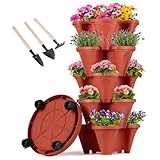
- SAVE FLOOR SPACE - Stackable vertical planter tower
- EASY 360° MOBILITY - 4 lockable swivel wheels
- PREVENT OVERWATERING - Bottom drainage holes for breathable pots
- RIGHT MOISTURE - Soil board holds a little water to keep soil moist
- VIBRANT & ROOT-SAFE: PATENTED SOIL BOARDS - Our vertical garden design features specialized airflow gaps and a patented soil-holding board that prevents root rot. This breathable system ensures your indoor or outdoor herbs stay lush, green, and healthy from the top tier to the bottom.
2. A large statement planter
Make one generous pot the focal point with a compact evergreen, ornamental grass, architectural perennial, or a hydrangea suited to the site. A larger container often holds moisture more evenly and is easier to maintain than several tiny pots, provided its weight is safe for the surface.
3. A three-pot entry vignette
Place tall, medium, and low containers beside a door, gate, or stair. Repeat one plant, foliage color, or flower color in each pot to connect the grouping.
4. A movable seasonal garden
Use lightweight or wheeled planters where plants need to follow the sun or move under cover during cold weather. Keep wheels on a stable, level surface and avoid moving overloaded containers.
5. A container herb bar
Grow basil, thyme, parsley, chives, oregano, sage, or mint near the kitchen. Keep aggressive spreaders such as mint in their own container, and group herbs according to their moisture requirements.
6. A salad-bowl garden
Combine loose-leaf lettuce, arugula, radishes, and compact herbs in a wide, shallow container. Sow small amounts repeatedly rather than filling the bowl once for a single harvest.
7. A compact tomato corner
Grow a patio or determinate tomato in a large container with a sturdy cage. Place it where it receives adequate sun and where consistent watering is practical; irregular watering can cause poor growth and fruit problems.
8. A strawberry tower
Use a purpose-built tiered planter or stacked containers with drainage to grow strawberries vertically. Position each planting pocket where it receives sufficient light, and make sure the tower cannot topple in wind.
9. A drought-tolerant pot
Combine compatible succulents, sedums, ornamental grasses, or Mediterranean herbs in a fast-draining container. Match plants by sunlight and watering needs, not just by appearance.
10. A shade foliage collection
Use ferns, heuchera, carex, hostas where climate permits, and shade-tolerant annuals to build texture where flowers are limited. Protect containers from excessive wind, which can quickly dry shade-loving plants.
11. A collection of hanging baskets
Hang baskets at different heights from a suitable porch beam, sturdy overhead structure, or purpose-built stand. Account for the weight of wet soil, wind movement, watering access, and the mature trailing length of each plant.
12. A recycled-container display
Repurpose clean crates, metal tubs, or wooden boxes after confirming that the material is suitable for outdoor use and food growing. Add drainage holes and liners where appropriate, and protect wood or masonry from persistent moisture.
Do these 3 things before closing this tab:
1Scan for outdated or missing drivers - takes under a minute2Clear out junk files and repair common Windows errors3Fix the driver behind crashes, sound loss and screen glitches13. A self-watering planter zone
self-watering containers can reduce watering frequency for some plants, but the reservoir still needs monitoring and cleaning. Choose crops suited to the reservoir design and do not assume the system eliminates watering during hot or windy weather.
Vertical and wall-based gardens
Vertical planting adds capacity without expanding the footprint, but it also adds leverage, wind exposure, irrigation demands, and sometimes considerable weight. Secure every support independently and leave enough room for mature growth.
14. A trellis against a blank wall
Add a freestanding or securely fixed trellis for clematis, honeysuckle, annual vines, or compact beans. Leave air circulation behind the plants and do not attach a heavy, wind-catching structure to a wall or railing without checking its suitability.
15. A wire-mesh edible wall
A mesh panel can support climbing crops and small containers on a narrow wall. Secure containers separately, keep moisture away from vulnerable surfaces, and provide a strong connection at every load-bearing point.
Recommended Free Tools
16. A ladder plant stand
Use a weather-resistant ladder-style shelf for herbs, succulents, and small flowering pots in a sheltered location. Put the heaviest pots on the lowest shelves and anchor the stand where children, pets, or wind could overturn it.
Rank #2

- Space-Saving : This strawberry planter maximizes your gardening space by stacking 5 layers to grow more plants in a compact area. The strawberry tower planter is ideal for patios, balconies, or indoor use
- Efficient Self-Draining: This vertical garden planter’s built-in drainage feature prevents waterlogging, keeping plants healthy by automatically channeling excess water away
- Soil Moisture Retention: Designed to maintain ideal moisture levels, the greenstalk vertical planter keeps soil hydrated longer, reducing the need for frequent watering and helping plants thrive
- Easy to Move: The strawberry pot’s movable wheels make the vertical planter tower simple to transport for optimal sun exposure or to rearrange spaces
- Suitable for Multiple Plants: This tiered planter is perfect for herbs, flowers, vegetables, or succulents, this planter accommodates diverse plant types, letting you build a mini garden with ease
17. Wall-mounted herb pockets
Fabric or modular pockets suit shallow-rooted herbs and ornamentals where drainage can be managed. Add a moisture barrier or stand-off if needed, and prevent irrigation water from staining or saturating the wall.
18. A vertical salad garden
Use stacked planters or wall pockets for lettuce, spinach, baby kale, and herbs. Put the most sun-hungry crops on the brightest level and ensure every pocket can be reached for harvesting and watering.
19. A living privacy screen
Combine a trellis with climbers, tall ornamental grasses in containers, or narrow shrubs to screen a seating area. Choose a screen that filters views without blocking required light, access, or ventilation.
Free tools Windows power users keep installed
One-click scans. No signup required.
20. A narrow espalier or cordon fruit tree
Train an appropriately sized fruit tree along a wall or fence where light, support, pollination, pruning, and local climate are suitable. Confirm the mature size and root requirements before planting, rather than treating any tree as naturally small.
21. A pergola with hanging plants
A small pergola can provide structure, shade, and support for baskets or climbers while preserving floor space. Check foundations, anchoring, overhead clearance, wind exposure, and local permissions before construction.
22. A modular vertical planter grid
Arrange identical wall planters in a measured grid for a clean contemporary look. Leave space for plant growth, provide reliable drainage, and keep every unit reachable—an attractive grid that cannot be watered soon becomes a maintenance problem.
23. A green screen for a balcony
Use railing planters, a trellis, or tall container plants to create privacy. Check building rules, wind exposure, attachment safety, and total wet weight before installing anything on a balcony or roof.
What’s actually slowing this PC down?
Pick the symptom - the matching free tool is one click away.
24. A climbing vegetable frame
Grow peas, cucumbers, runner beans, or compact squash varieties upward on a strong frame. A stable, accessible structure makes harvesting and pruning easier, and helps prevent vines from spreading across paths.
Layout, structure, and visual design
In a compact garden, hardscape and furniture are as important as planting. A clear route, repeated material, and deliberate focal point can make a small area feel larger without adding more objects.
25. A small circular seating garden
Arrange containers or a low planting border around a compact bistro table. Creating one destination often feels more spacious than filling every edge with plants.
26. A diagonal path
A short diagonal path of stepping stones can make a narrow space feel less corridor-like and lead the eye toward a focal point. Keep the walking surface level, stable, and wide enough for the intended use.
The Tool Desk
Outbyte Driver Updater FREEScan for outdated or missing drivers - takes under a minuteDriver Scan →Outbyte PC Repair FREERepair Windows errors before they cause bigger problemsFix Now →27. A mirror or reflective panel
A weatherproof mirror can visually expand a sheltered courtyard. Position it to avoid hazardous glare, reflected heat, and bird collisions, and use a secure fixing method suitable for the wall.
28. A repeated-material courtyard
Repeat the same stone, wood tone, metal finish, or paint color in planters, edging, and furniture. Cohesion reduces visual clutter and helps a small garden read as one room.
29. A single focal tree
Use a dwarf or naturally compact tree in a suitably large container or planting bed. Consider mature height and width, root space, wind, watering, winter protection, and the load of a mature tree before committing.
Rank #3

- SAVE FLOOR SPACE - Stackable vertical planter tower
- EASY 360° MOBILITY - 4 lockable swivel wheels
- PREVENT OVERWATERING - Bottom drainage holes for breathable pots
- RIGHT MOISTURE - Soil board holds a little water to keep soil moist
- VIBRANT & ROOT-SAFE: PATENTED SOIL BOARDS - Our vertical garden design features specialized airflow gaps and a patented soil-holding board that prevents root rot. This breathable system ensures your indoor or outdoor herbs stay lush, green, and healthy from the top tier to the bottom.
30. A layered border
Plant low groundcovers at the front, medium perennials in the middle, and taller but narrow plants at the back. Layering adds depth without requiring a wide bed, but leave enough spacing for mature plants.
31. A built-in bench with planting pockets
Combine seating and storage with adjacent or integrated planters. Direct drainage away from wood and masonry, leave access for cleaning, and ensure the bench is supported independently of lightweight planter boxes.
32. A fold-down garden table
Attach a folding work surface or potting shelf to a suitable wall so it disappears when not in use. Use weather-resistant hardware and keep the folded and open table clear of paths and doors.
33. A color-limited garden
Choose one dominant foliage color and one or two flower colors. A restrained palette can make a small space feel calmer, larger, and more deliberately designed.
34. A textural garden
Combine fine grasses, broad leaves, glossy foliage, bark, gravel, and smooth containers for interest outside the flowering season. Texture is particularly effective in shaded or mostly foliage-based gardens.
Crashes, No Sound, or Screen Glitches?
Random freezes, missing sound and display glitches usually trace back to one bad driver. Find and replace yours safely.Free scan · under a minuteWindows Errors? Fix Them Before They Spread
Repair common Windows errors and clear accumulated junk for a smoother, more stable PC - no reinstall needed.Free scan · no reinstall35. A night garden
Use pale flowers, silver foliage, light-colored gravel, and low-voltage lighting. Aim lights at paths and seating rather than windows, neighboring properties, or the eyes of people using the garden.
36. A pocket water feature
A sealed basin, recirculating fountain, or birdbath adds sound and wildlife value. Keep water clean, prevent stagnant water and mosquito habitat, and use a safe electrical installation for powered features.
37. A gravel courtyard
Use permeable gravel or another suitable permeable surface around containers to reduce the dominance of hardscape and allow flexible rearrangement. Install an appropriate base and edging so gravel does not migrate onto paths or drains.
38. A hidden-storage garden
Use a storage bench, narrow cabinet, or lidded deck box for hoses, gloves, pots, and tools. Keeping equipment out of sight makes a small garden feel calmer and leaves more room for people.
Quick wins for a faster PC:
Fix the driver behind crashes, sound loss and screen glitchesFind Drivers →Clear out junk files and repair common Windows errorsFree Scan →Scan for outdated or missing drivers - takes under a minuteDriver Scan →Edible and productive small gardens
39. A square-foot-style raised bed
Divide a compact raised bed into planting sections for herbs, greens, radishes, and compact vegetables. Keep the bed narrow enough to reach the center without stepping on the soil, and make sure the base and retaining structure suit the site.
40. A succession salad garden
Sow small quantities of fast-growing greens at intervals rather than planting everything at once. This creates a steadier harvest and avoids a single short-lived glut.
41. A patio pollinator-and-edible mix
Combine flowering herbs such as thyme, oregano, sage, and basil with vegetables and pollinator-friendly ornamentals. Keep plants with different watering or sun requirements in separate containers when necessary.
42. A dwarf citrus or fruit-tree pot
In a climate and microclimate where the tree is suitable, grow a compact fruit tree in a large container. Plan for feeding, pruning, pollination, winter protection, and eventual root-space limits; “dwarf” does not mean maintenance-free.
Do these 3 things before closing this tab:
1Scan for outdated or missing drivers - takes under a minute2Clear out junk files and repair common Windows errors3Fix the driver behind crashes, sound loss and screen glitches43. A windowsill-to-patio herb transition
Start herbs indoors or buy young plants, then move them outside when temperatures and light are suitable. Acclimatize plants gradually and group them by watering needs.
44. A compact bean teepee
A small teepee or obelisk supports beans while adding a playful vertical feature. Place it where it will not block a path, door, or window, and use a stable base.
45. A grow-bag garden
grow bags offer a flexible option for tomatoes, potatoes, herbs, and flowers on patios or rooftops. Confirm that the surface can tolerate moisture and that the combined weight of bags, wet mix, and plants is acceptable.
Wildlife-friendly and water-smart ideas
Wildlife value comes from more than flowers. Pollinators benefit from a succession of blooms, food, shelter, water, and nesting opportunities. Native plants can be excellent choices, but native status alone does not guarantee suitability for a container, drought, shade, or every region.
Rank #4

- [MINIMAL FOOTPRINT & MAXIMIZED SUNLIGHT] Save your valuable floor area! Designed to occupy very little ground space, this ergonomic trapezoid 5-tier vertical garden planter raised bed maximizes your growing capacity vertically. The smartly staggered structure ensures no plant is shaded, allowing every leaf to receive full sunlight and moisture. Whether on a narrow balcony or compact patio, this versatile vertical raised garden bed is perfect for harvesting fresh veggies, herbs, and blooms!
- [STABLE BASE & DETACHABLE BINS] Designed with a sturdy freestanding base, you can securely position your vertical garden plant stand in any desired corner. Want to replant comfortably at your table? Each independent vertical planting box simply lifts right off the main frame, allowing incredibly flexible, free-range planting.
- [STURDY STRUCTURE & FOOD-SAFE MATERIALS] Designed for reliable stability and everyday outdoor use. Constructed with rust-resistant painted steel, fortified triangular brackets, and two additional bottom fixing rods, this frame provides a secure and balanced foundation for your plants. Built to hold up well in typical outdoor environments, the high-quality vertical raised garden planter boxes are crafted from durable, 100% food-safe PP material—capable of safely supporting heavy damp soil without breaking.
- [SMART CASCADING DRAINAGE SYSTEM] Stop rotting roots or making messy patios! This innovative vertical garden bed features 3 strategically placed side holes per tier, channeling excess water seamlessly downward. Brilliantly, the bottom box has sealed hole knockouts (you can choose to open them), ensuring no muddy spills ever ruin your indoor floors.
- [BONUS STORAGE STATION & FAST SETUP] Go beyond standard planters—our comprehensive vertical herb garden uniquely features a heavy-duty Textilene mesh bottom and 5 hanging hooks for neatly organizing trowels and fertilizers! Complete setup in minutes with included clear manual and step-by-step installation video.
46. A native pollinator pot
Use regionally appropriate native plants in one large container or a grouping of pots. Select species for the actual sun, moisture, mature size, and hardiness conditions, and verify local invasiveness and nursery guidance.
47. A four-season pollinator corner
Combine early-, midseason-, and late-blooming plants so nectar and pollen are available over a longer period. Add shelter and nesting opportunities rather than treating the garden as flowers only.
48. A miniature rain garden
Where grading, soil, drainage, and local conditions permit, create a shallow planted depression to receive runoff from an appropriate source. Site it away from foundations and underground utilities, plan an overflow route, and use plants suited to alternating wet and dry conditions. A rain garden is not appropriate for every yard or every downspout.
49. A rain-barrel watering station
Collect roof runoff where permitted and use it for non-potable garden watering. Include a secure lid, mosquito prevention, a stable base, an overflow plan, and a review of local rules. Never assume a full barrel can be placed safely on a balcony or roof.
Free tools Windows power users keep installed
One-click scans. No signup required.
50. A mulch-and-drip garden
Combine mulch with drip irrigation or a soaker system around a small bed or container grouping. This can reduce evaporation and deliver water closer to roots, but watering needs still depend on plant type, weather, container size, and the system’s adjustment.
51. A low-maintenance evergreen framework
Start with one or two suitable evergreen or persistent-structure plants, then add seasonal bulbs, annuals, herbs, or perennials in smaller containers for changing color. This provides year-round structure without densely planting every available inch.
Independent reader supportYour contribution helps us test, update, and keep practical guides available for everyone.How to choose the right small-garden idea
| Your priority | Good starting ideas | Important check |
|---|---|---|
| No soil or excavation | Coordinated containers, herb bar, salad bowl, grow bags, vertical planter grid | Drainage, wet weight, watering access, and surface protection |
| Low sunlight | Shade foliage collection, wall pockets, textural garden, sheltered seating garden | Observe actual light; do not expect sun-loving vegetables to crop well in deep shade |
| Rental property | Movable seasonal garden, wheeled planters, ladder stand, portable privacy screen | Lease rules, attachment restrictions, and a way to prevent wind overturning |
| Privacy | Living screen, balcony green screen, trellis, pergola with climbers | Wind load, mature height, attachment safety, and light loss |
| Edible harvests | Salad bowl, patio tomato, climbing frame, succession garden, herb bar | Sun, reliable watering, container depth, support, and harvest access |
| Wildlife value | Native pollinator pot, four-season corner, pollinator-and-edible mix, birdbath | Regional plant suitability, shelter, clean water, and avoiding invasive plants |
| Less routine maintenance | Large statement planter, evergreen framework, mulch-and-drip garden, coordinated containers | Choose compatible plants and remember that containers dry faster than beds |
| Runoff or drainage concern | Permeable gravel, carefully designed rain garden, rain barrel | Grade, foundations, utilities, overflow, local rules, and site-specific assessment |
A practical beginner shopping list
Buy only what your chosen idea requires. A useful starting list may include:
- Containers with drainage holes, including one larger focal container where the site can safely support it;
- Quality potting mix for containers rather than ordinary garden soil;
- A trellis, obelisk, or other plant support for climbers;
- hand trowel, pruners, gloves, and a watering can or hose attachment;
- Mulch for beds and suitable container top-dressing where appropriate;
- Plant ties, cages, stakes, or anchors for top-heavy plants;
- A saucer, stand-off, or protective layer where runoff could damage a balcony, deck, wall, or masonry;
- An optional drip irrigation kit or soaker system for a larger container grouping;
- Wildlife features such as a shallow birdbath, shelter, or regionally appropriate plants.
For vertical projects, compare vertical garden planter options only after checking drainage, access for watering, wind exposure, and the maximum safe load. For ordinary container displays, look for outdoor planters with drainage and choose the volume based on the plant’s mature size, not merely the available gap.
Crashes, No Sound, or Screen Glitches?
Random freezes, missing sound and display glitches usually trace back to one bad driver. Find and replace yours safely.Free scan · under a minutePC Slower Than It Used to Be?
A free scan shows the junk files, broken settings and background clutter dragging Windows down - then fixes them in one click.Free scan · Windows 10 & 11A garden trellis or obelisk can support climbers, beans, cucumbers, and privacy planting, but it must be secured appropriately and sized for the mature vine. For a water-smart grouping, a container drip irrigation kit or rain barrel may help, subject to local regulations, water-source suitability, overflow planning, and the safety of the supporting surface.
Build the design in layers
Start with one focal point, one vertical element, and one repeating material before adding more plants. For example, combine a large statement planter, a trellis, and matching pots; or use a compact bench, a layered border, and repeated stone edging. This approach keeps a small garden visually calm and makes it easier to discover whether the light, drainage, and maintenance demands are workable before investing in a complete installation.
Frequently Asked Questions
What is the best small garden idea for a balcony?
Start with containers, railing planters, or a carefully secured vertical planter. Check building rules, wind exposure, drainage, and the total weight of dry and wet soil, containers, plants, and water before installation. Do not add a large planter, rain barrel, pergola, or fixed trellis without confirming that the balcony and attachment method are suitable.
What can I grow in a small garden with limited sun?
Shade-tolerant foliage such as ferns, heuchera, carex, and—where climate permits—hostas can provide reliable texture. Some herbs and salad crops may work with less sun than fruiting vegetables, but observe the site first and match plants to the actual amount of direct light.
Do small container gardens need more maintenance?
Usually. Containers have limited soil volume, so they can dry out and lose nutrients faster than in-ground beds. Larger pots, compatible plant groupings, mulch, and carefully adjusted drip irrigation can reduce—but not eliminate—the need for watering and feeding.
Are native plants automatically low-maintenance or drought-tolerant?
No. Native plants are adapted to particular regional conditions, but they still need the right sun, moisture, soil, container size, and establishment care. Verify local native status, mature size, hardiness, and invasiveness before buying.
The Bottom Line
The most successful small gardens are edited rather than crowded. Measure first, understand the light and drainage, choose plants for the real conditions, and treat vertical structures, heavy containers, water features, and runoff projects as construction details as well as design features.
Quick Recap
Product prices and availability are accurate as of the date/time indicated and are subject to change. Any price and availability information displayed on Amazon at the time of purchase will apply.

