PC Slower Than It Used to Be?
A free scan shows the junk files, broken settings and background clutter dragging Windows down - then fixes them in one click.Free scan · Windows 10 & 11Crashes, No Sound, or Screen Glitches?
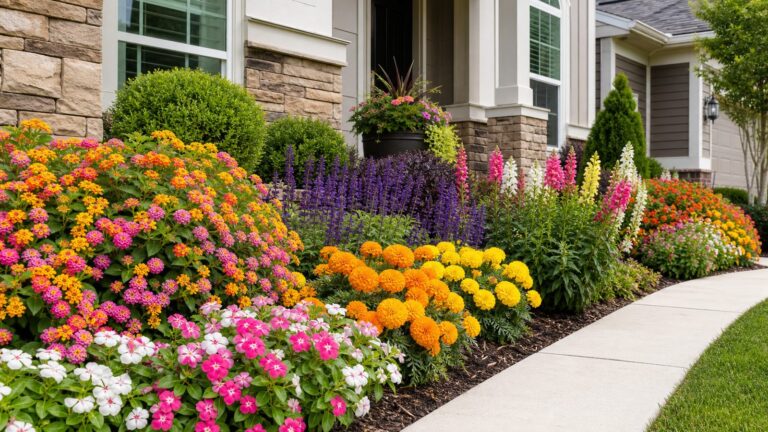
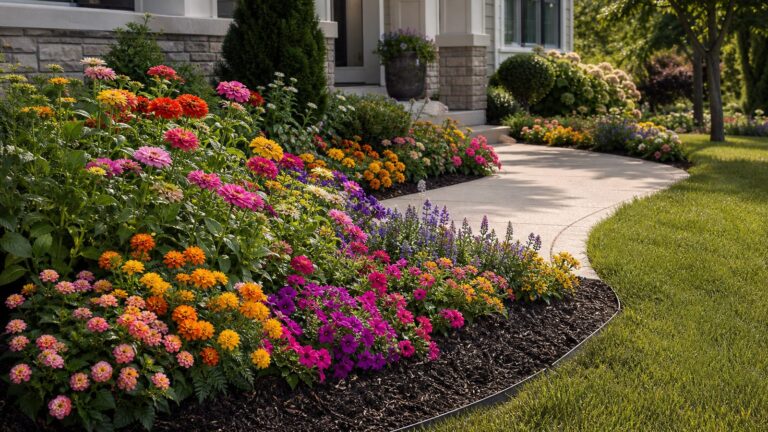
Random freezes, missing sound and display glitches usually trace back to one bad driver. Find and replace yours safely.Free scan · under a minuteThe best full-sun flowers depend on more than sunlight. A site with at least six hours of direct sun can support everything from quick-color annuals and container spillers to long-lived perennials, but the right choice also depends on soil drainage, water, summer heat, winter temperatures, mature size, and the cultivar you buy.
In this guide, full sun means six or more hours of direct sunlight per day. Some especially sun-hungry plants flower better with eight or more hours, while intense afternoon heat reflected from paving, masonry, or a south- or west-facing wall can scorch even a sun-loving plant. The 44 choices below are organized by type and followed by practical filters for dry gardens, containers, pollinators, cut flowers, and moist soil.
As an Amazon Associate I earn from qualifying purchases.
Before choosing a full-sun flower
Full sun describes light exposure, not a guarantee of heat tolerance, drought tolerance, winter survival, or success in poorly drained soil. A south-facing bed is not necessarily full sun if a fence, tree, building, or neighboring structure blocks direct light during the middle of the day.
Quick wins for a faster PC:
Repair Windows errors before they cause bigger problemsFix Now →Fix the driver behind crashes, sound loss and screen glitchesFind Drivers →- Measure the site: observe it in the morning, around midday, and in the afternoon over a clear day. A garden light meter or phone-based sun-tracking tool can provide a rough estimate, but phone readings are not laboratory-grade.
- Separate sun from heat: morning sun may be suitable for a plant in a hot climate where reflected afternoon heat is excessive. The same six hours can perform very differently in a cool, dry region and a humid subtropical one.
- Check winter hardiness: the 2023 USDA Plant Hardiness Zone Map is useful for perennial winter survival. It is based on average annual extreme minimum temperatures, not summer heat, humidity, rainfall, or drought.
- Consider heat zones: in hot regions, USDA heat-zone information can add useful context because heat zones count days reaching at least 86°F.
For a construction or landscape project, assess the planting bed after grading and hardscape installation. Compacted subsoil, runoff from paving, reflected heat from walls, and poorly placed irrigation can matter as much as the number of sunlight hours.
#1 Best Overall

- 524 PREMIUM SEEDS – BRILLIANT COLOR, FAST GROWTH: This large pack includes 524 USA-packed, high-germination Zinnia Dahlia seeds that bloom into stunning double flowers in red, pink, orange, white, and more. Easy to grow, beginner-friendly, and perfect for bouquets, borders, and containers. Blooms in just weeks and lasts all summer!
- A TRUE GARDEN ARISTOCRAT WITH STRIKING FORM: Zinnia Dahlia is a radiant floral showstopper, beloved for its uniquely bold shape and opulent floral structure. Each bloom evokes a sense of floral nobility with plush, layered petals arranged in a near-geometric sphere. This variety of zinnia has earned its place among the top ten most cherished garden flowers, widely appreciated across the United States and beyond.
- RED FOR EXCEPTIONAL COLOR, SHAPE, AND VARIETY: Decades of horticultural development have resulted in this magnificent line of Zinnia Dahlia seeds. Carefully selected to represent the best of modern breeding, this variety offers a visual spectacle of rich tones and impressive structure. The blooms are large and fully double, featuring countless tightly arranged petals that radiate with saturated color. Each flower opens like a celebration—vivid, elegant, and unforgettable.
- EXPLOSION OF COLOR IN EVERY PLANT: This seed mix produces a stunning range of shades including snow white, coral, salmon pink, lavender, purple, bright orange, cream-yellow, cherry red, scarlet, deep crimson, and plum. Two-toned blooms with dramatic edging offer even more visual interest. Whether planted in clusters or as a standout specimen, Zinnia Dahlia puts on a breathtaking display all summer long.
- LARGE PACK FOR FULL GARDEN COVERAGE: Each seed pack includes approximately 524 premium Zinnia Dahlia seeds, giving you enough to plant a wide area—ideal for garden borders, flower beds, or large landscape designs. Enjoy continuous blooms and a high return on planting. This makes them an ideal value choice for mass planting or sharing with friends and family.
Quick picks: 44 full-sun flowers at a glance
The terms annual, perennial, and tender perennial are important. An annual completes its life cycle in one growing season. A perennial survives winter and regrows when the climate and site suit it. A tender perennial survives year-round only in warmer climates and is commonly grown as an annual elsewhere. Biennials and short-lived perennials may flower in their second year, then die or reseed. The University of Minnesota Extension explains these distinctions.
Height labels are broad planning categories because mature size varies considerably by species and cultivar. Always check the plant tag before placing flowers beside a walkway, wall, window, or drainage structure.
| Flower | Type | Best site | Water | Height | Main caveat |
|---|---|---|---|---|---|
| Angelonia | Annual | Bed or container | Average | Medium | Warm-season plant |
| Marigold | Annual | Beginner beds | Average | Low to tall | Species differ in size |
| Zinnia | Annual | Cut flower garden | Average | Low to tall | Needs airflow |
| Sunflower | Annual | Back of border | Average | Tall | Tall plants may need support |
| Cosmos | Annual | Informal border | Average to dry | Medium to tall | Can reseed and flop |
| Petunia | Annual | Containers and baskets | Average to high | Low to trailing | Needs trimming and feeding |
| Calibrachoa | Tender annual | Hanging baskets | Average | Trailing | Requires sharp drainage |
| Lantana | Tender perennial | Hot sites and containers | Average to dry | Medium | Hardiness varies by climate |
| Portulaca | Succulent annual | Rock gardens and dry beds | Low | Low | Flowers close without sun |
| Gomphrena | Annual | Dry or cut-flower gardens | Low to average | Low to medium | Needs well-drained soil |
| Purple coneflower | Perennial | Pollinator border | Average | Medium | Cultivars vary in wildlife value |
| Blanket flower | Perennial or annual | Heat and drought | Low once established | Low to medium | Wet soil causes failure |
| Lavender | Perennial or subshrub | Dry, sunny edging | Low once established | Low to medium | Winter-wet soil is dangerous |
| Bee balm | Perennial | Moist pollinator garden | Average to high | Medium to tall | Can develop mildew |
| Hardy hibiscus | Perennial | Moist sunny bed | High | Tall | Emerges late in spring |
| Butterfly weed | Native perennial | Dry pollinator garden | Low once established | Medium | Seedlings may take years to flower |
| Garden phlox | Perennial | Moist border | Average to high | Medium to tall | Needs air circulation |
| Sedum | Succulent perennial | Rock garden or slope | Low | Low to medium | Tall types can flop |
22 annuals and tender perennials for instant color
Annuals are useful when a newly built bed needs color immediately, when a homeowner wants to change the planting scheme each year, or when a tender perennial cannot survive local winters. The University of Massachusetts guide to annuals for sun and Iowa State’s drought-tolerant annual list support the following selections.
What’s actually slowing this PC down?
Pick the symptom - the matching free tool is one click away.
1. Angelonia (Angelonia angustifolia)
Warm-season annual; full-sun core. Upright flower spikes make angelonia a useful vertical accent in beds and containers. It is a heat-loving choice rather than a low edging plant. Treat it as an annual where winter temperatures are too cold for it to persist.
2. Marigold (Tagetes spp.)
Annual; full-sun core. Marigolds are accessible, dependable, and often easy to grow from seed. African marigolds are generally taller with larger flowers, French marigolds are usually more compact, and signet marigolds have smaller flowers and finely divided foliage. Choose the species or cultivar for the intended border height rather than relying on the word marigold alone.
3. Zinnia (Zinnia elegans and hybrids)
Annual; full-sun core. Zinnias provide a long season of color, excellent cut flowers, and accessible nectar for many pollinators. Direct sowing is easy after frost danger has passed. Give plants room for air movement; crowded, humid plantings can develop powdery mildew. NC State Extension’s zinnia profile and the University of Minnesota guide provide additional growing information.
4. Sunflower (Helianthus annuus)
Annual; full-sun core. Sunflowers range from dwarf types suitable for containers to tall plants for the back of a border. Direct sowing is usually simplest. Leave some seed heads for birds, but avoid pollenless cultivars when pollinator value is a priority; UNH Extension notes that pollenless sunflowers are a poor choice when the goal is to provide pollen.
5. Cosmos (Cosmos bipinnatus and related species)
Annual; full sun and average to dry soil. Cosmos creates an airy, informal effect and is inexpensive to grow from seed. It can self-seed and may become floppy in rich, heavily fertilized soil. Use it in a relaxed border or cut-flower garden, with support or neighboring plants if the site is windy.
6. Celosia (Celosia spp.)
Annual; full sun and well-drained soil. Celosia brings unusual cockscomb or plume-shaped flowers, saturated color, and good dried-flower value. It is a heat-loving annual, not a winter-hardy perennial in cold climates.
7. Petunia (Petunia hybrids)
Annual; full sun. Petunias work in beds, window boxes, hanging baskets, and containers. They flower with at least five to six hours of sun but generally perform best in all-day light. Trailing types dry quickly and need regular water and fertilizer; trimming leggy stems restores a fuller shape. See the University of Minnesota petunia guidance.
8. Calibrachoa or million bells (Calibrachoa hybrids)
Tender annual; full sun, often eight or more hours. Calibrachoa is one of the best spillers for hanging baskets and sunny containers. Use a sharply draining, acidic potting mix; the University of Minnesota gives a preferred pH of approximately 5.0–6.5 in its calibrachoa guide. It is less forgiving of waterlogged roots than a typical bedding annual.
Recommended Free Tools
9. Lantana (Lantana camara and hybrids)
Tender perennial in warm climates; annual elsewhere; full-sun core. Lantana is a strong choice for heat, containers, and butterfly gardens. Winter survival depends on climate and cultivar, and behavior can vary by region. Check local regulations and invasive-plant information before planting, particularly in warm areas.
10. Annual salvia (Salvia coccinea, S. farinacea, S. splendens and hybrids)
Annual or tender annual; full sun and well-drained soil. Upright flower spikes bring strong color and are useful for hummingbirds and bees. Do not confuse these annual salvias with woodland sage, Salvia nemorosa, which is a perennial. The University of Minnesota salvia profile discusses the culture of ornamental annual salvias.
11. Madagascar periwinkle or annual vinca (Catharanthus roseus)
Annual outside warm climates; full sun and dry-tolerant once established. Vinca is a dependable hot-weather bedding plant for sunny borders and containers. Do not confuse it with groundcover periwinkle, which belongs to a different genus. Prolonged wet, humid conditions can create problems, so drainage and spacing matter.
Rank #2

- TRUE ENGLISH LAVENDER 'VERA' + STRATIFICATION SUCCESS – Not French lavender — this heirloom English lavender is the original variety with stronger fragrance and superior oil quality. Cold stratify seeds 2–4 weeks before planting to dramatically improve germination, whether growing indoors or outdoors.
- INTENSE FRAGRANCE, AUTHENTIC AROMA – Unlike common hybrid varieties, 'Vera' delivers a rich, classic scent ideal for gardens, patios, and indoor spaces. The go-to choice for gardeners seeking true English lavender with traditional, intense fragrance.
- VERSATILE USES: CULINARY & WELLNESS – Premium heirloom lavender seeds perfect for teas, baking, syrups, sachets, and essential oils. Grow your own natural home fragrance, relaxation rituals, and edible floral creations indoors or out.
- GROW INDOORS OR OUTDOORS WITH EASE – Flexible enough for containers, borders, raised beds, and walkways. Cold-hardy and drought-tolerant once established — thrives in full sun with low maintenance season after season.
- HIGH-YIELD QUALITY TESTED HEIRLOOM QUALITY – Non-GMO 'Vera' lavender seeds, 1,500+ per pack, with strong germination potential. Grow abundant lavender plants indoors or outdoors from the most trusted heirloom English lavender variety.
12. Moss rose or portulaca (Portulaca grandiflora)
Succulent annual; full sun and dry, sharply drained soil. Portulaca is among the strongest choices for hot, dry beds, rock gardens, and containers. Flowers commonly close at night and on cloudy days. It is relatively self-cleaning, but still needs regular water while newly planted roots establish.
13. Nasturtium (Tropaeolum majus)
Annual; full sun and average to well-drained soil. Nasturtiums are easy to direct sow and provide edible flowers and leaves when grown without unsuitable pesticides. Excess nitrogen can produce abundant foliage at the expense of flowers, so avoid overfertilizing.
14. Calendula or pot marigold (Calendula officinalis)
Cool-season annual; full sun to part shade. Calendula is especially useful for early-season or cool-weather color and can be direct sown. It may reseed. Despite the common name, it is not a Tagetes marigold. In hot summers it may decline or scorch, so afternoon protection can be more useful than additional fertilizer. See Utah State University’s calendula guidance.
15. Sweet alyssum (Lobularia maritima)
Annual; full sun to part shade. This low-growing, fragrant flower is useful for edging, containers, and pollinator plantings. Some heavily bred double or highly modified forms may provide less accessible pollen or nectar than open forms, so choose uncomplicated flowers when wildlife value is a priority.
16. Globe amaranth (Gomphrena globosa)
Annual; full sun and well-drained soil. Globe amaranth tolerates dry conditions after establishment and produces durable, papery flowers that retain color when dried. It fits low-water beds and cut-flower gardens, though it still needs initial irrigation after planting.
17. Cleome or spider flower (Cleome hassleriana)
Annual; full sun and well-drained soil. Cleome provides tall, airy structure at the back of a border and handles heat and drought once rooted. Depending on the selection, foliage may be sticky or spiny. It can self-seed, which is useful in an informal garden but unwelcome in a tightly controlled planting.
18. Mexican sunflower (Tithonia rotundifolia)
Warm-season annual in most U.S. gardens; full sun. Orange flowers rise high above the border and are valuable in pollinator gardens. Allow substantial space and consider support in windy sites. It is a tall seasonal anchor, not a compact foundation planting.
19. Strawflower (Xerochrysum bracteatum, formerly Bracteantha bracteata)
Annual; full sun. Strawflower is particularly useful for fresh and dried arrangements. Removing spent flowers or shearing lightly during the season can extend the display and keep plants from looking exhausted.
20. Annual verbena (Verbena hybrids)
Annual or tender perennial; full sun and well-drained soil. Trailing and upright forms can serve as spillers, bedding plants, or pollinator flowers. Some selections become leggy and benefit from being cut back. The common name covers plants with very different habits, so read the botanical name and mature size on the label.
21. Gazania or treasure flower (Gazania rigens)
Annual or tender perennial; full sun and dry soil. Gazania is well suited to hot, dry sites and containers. Its flowers commonly close at night and reopen in direct sunshine. It is a better choice for a sharply drained bed than for a low area that stays wet.
22. African daisy (Osteospermum hybrids)
Annual or tender perennial; full sun to part shade. African daisy is often strongest in cool seasons or moderate climates. In humid midsummer heat it may pause or decline, so it should not be treated as a universal hot-climate bedding plant. In a warm location, morning sun and some afternoon relief may prolong flowering.
22 perennials, bulbs, corms, and woody flowers
Perennials provide recurring structure, but they may take a season or more to establish. Their return depends on the plant’s hardiness, drainage, winter moisture, summer heat, and the specific cultivar. Use botanical names when ordering plants: a daylily is Hemerocallis, not a true lily, and the common name black-eyed Susan can refer either to Rudbeckia or the vine Thunbergia alata.
23. Purple coneflower (Echinacea purpurea and hybrids)
Perennial; full sun to part shade, with best flowering in full sun. Purple coneflower is durable, useful for pollinators, and valuable as a cut flower. Cultivars vary substantially in height, petal arrangement, color, and wildlife value. Open-centered forms generally offer more accessible floral resources than highly modified doubles. See the UConn perennial flower table for perennial planning information.
Free tools Windows power users keep installed
One-click scans. No signup required.
24. Black-eyed Susan (Rudbeckia hirta, R. fulgida)
Biennial or short-lived perennial; full sun to part shade. These long-blooming daisies are easy, adaptable, and valuable in pollinator borders. They may self-seed. Confirm that the plant is Rudbeckia; black-eyed Susan vine is Thunbergia alata and has very different growth and winter behavior. NC State Extension’s profile covers Rudbeckia hirta.
25. Coreopsis or tickseed (Coreopsis spp.)
Perennial or annual, depending on species; generally full sun. Coreopsis supplies long-blooming yellow, gold, orange, or red flowers. Species differ widely in height, lifespan, moisture tolerance, and native range, so use the botanical name on the label. Some selections appreciate protection from harsh afternoon heat even though they require strong light for flowering.
Rank #3

- Pollinator Seed Mix: This Blend Of Wildflower Seeds Will Attract Beautiful Hummingbirds And Butterflies To Your Outdoor Garden And Feed Them All Season Long; Blooms In Spring, Summer, And Fall Until Frost
- Vibrant Wildflowers: Grow A Mix Of Sun-Loving Annual And Perennial Wildflowers; Each Bag Contains 18 Flower Varieties: Butterfly Milkweed, Calendula, Cornflower, Plains Coreopsis, Cosmos, Foxglove, And More
- 25,000 NON-GMO Seeds: Easy-To-Sow Hummingbird And Butterfly Seed Mix Covers Up To 1,000 Square Feet And Is Ideal For Most Soil Types; Select A Sunny Area To Scatter The Seed Outdoors For Planting After Danger Of Heavy Frost
- Burpee Seeds Grow: Burpee Offers The Highest Quality, NON-GMO Seeds Hand-Picked By Expert Horticulturalists For Growing In The Home Garden. Our Germination Rates Are 35% Higher Than Industry Standards. Burpee Has Been Loved By Gardens And Trusted By Gardeners For Over 140 Years.
- Since 1876: Generations Of Customers Have Trusted Burpee To Deliver The Highest Quality Products And Service; Gardeners Rely On Burpee For Accurate Plant Information And How-To Tips That Make Gardening Easier And More Successful; Let’s Grow Together
26. Blanket flower (Gaillardia spp. and hybrids)
Short-lived perennial or annual; full sun and good drainage. Blanket flower is one of the strongest choices for heat, drought, poor soil, and pollinator gardens. Poor drainage is a more serious problem than poor fertility. Do not improve a waterlogged site merely by adding compost; correct grading and drainage or choose a moisture-tolerant plant instead. See the NC State profile.
27. Yarrow (Achillea millefolium and cultivars)
Perennial; full sun and well-drained soil. Yarrow tolerates drought once established and works well in dry gardens and cut-flower plantings. The species can spread aggressively by seed and rhizomes; cultivars are often more restrained but are not automatically non-spreading. Yarrow can also cause contact dermatitis, and plant-specific safety information should be checked where pets or sensitive skin are concerns.
Do these 3 things before closing this tab:
1Repair Windows errors before they cause bigger problems2Scan for outdated or missing drivers - takes under a minute3Clear out junk files and repair common Windows errors28. Lavender (Lavandula angustifolia, L. × intermedia and others)
Perennial or subshrub; full sun and dry, sharply drained soil. Lavender suits edging, containers, fragrance gardens, and pollinator beds. Wet winter soil is a common cause of failure, as is choosing a species that is not hardy for the site. Raised planting, coarse drainage, and restrained irrigation are usually more helpful than rich, wet soil. See NC State’s lavender profiles.
29. Anise hyssop (Agastache foeniculum and hybrids)
Perennial; full sun to part shade. Upright lavender flower spikes provide strong pollinator value and fit native, cottage, herb, and drought-tolerant gardens. It prefers average to occasionally dry conditions rather than standing water.
30. Woodland sage (Salvia nemorosa)
Perennial; full sun to part shade and well-drained soil. Compact flower spikes, drought tolerance, and repeat bloom after cutting back make woodland sage a good middle- or front-border plant. Plant it in groups for a stronger visual effect, and do not confuse it with annual salvias such as Salvia splendens. NC State’s woodland sage profile provides species-specific details.
31. Bee balm (Monarda spp.)
Perennial; full sun and average to moist soil. Bee balm is excellent for bees, butterflies, and hummingbirds. Good air circulation, adequate spacing, and watering at the soil surface help reduce powdery mildew. It is better suited to a consistently watered pollinator bed than to the same dry irrigation zone as lavender, sedum, or portulaca.
32. Daylily (Hemerocallis spp.)
Perennial; full sun to part shade and well-drained soil. Daylilies are highly adaptable and available in thousands of cultivars. An individual flower lasts about one day, but a plant can produce many buds over a long flowering period. Although daylily is in the list of common names, Hemerocallis is not a true lily. The University of Minnesota daylily guide offers additional care advice.
33. Hardy hibiscus (Hibiscus moscheutos and hybrids)
Perennial; full sun and consistently moist to wet soil. Hardy hibiscus produces exceptionally large flowers and is a much better fit for a moist sunny site than for a dry border. It emerges late in spring, so mark its location rather than disturbing the bed when it appears to be empty. It should not share an irrigation zone with lavender, bearded iris, or blanket flower.
34. Russian sage (Salvia yangii, formerly Perovskia atriplicifolia)
Perennial subshrub; full sun and dry, well-drained soil. Russian sage supplies tall, airy lavender-blue flower spikes in hot, low-water borders. It can become woody or oversized, so allow room and follow the cultivar’s pruning guidance. Its dry-soil needs are fundamentally different from those of bee balm or garden phlox.
35. Sedum or stonecrop (Sedum and Hylotelephium spp.)
Succulent perennial; full sun and dry, sharply drained soil. Sedums work in rock gardens, slopes, containers, and low-water beds. Low-growing types are useful as edging, while tall forms provide late-season flower heads. Tall sedums can flop in rich soil or insufficient light; avoid overwatering. See NC State’s sedum profiles.
The Tool Desk
Outbyte PC Repair FREERepair Windows errors before they cause bigger problemsFix Now →Outbyte Driver Updater FREEFix the driver behind crashes, sound loss and screen glitchesFind Drivers →36. Blazing star or liatris (Liatris spicata and related species)
Corm-forming perennial; full sun to part shade. Vertical purple, pink, or white spikes attract bees, butterflies, and moths and add height without a large visual footprint. Some species tolerate dry soil, while Liatris spicata generally appreciates more moisture than some relatives. Plant the species suited to the site rather than treating all liatris as identical.
37. Butterfly weed (Asclepias tuberosa)
Native perennial; full sun and dry to average, well-drained soil. Butterfly weed is one of the strongest choices for a North American pollinator garden and monarch habitat. Plants grown from seed may take two to three years to establish and flower, so a first-year foliage-only plant is not necessarily failing. Native status should be considered by region, and the plant is not automatically safe for pets; check the species profile.
38. Garden phlox (Phlox paniculata)
Perennial; best in full sun with moist, fertile, well-drained soil. Garden phlox provides fragrant summer clusters toward the middle or back of a border. Space plants for airflow and water at the soil rather than over the leaves to reduce powdery mildew. It may naturalize beyond its original range in some areas, so regional behavior should be checked.
39. Penstemon or beardtongue (Penstemon spp.)
Perennial; generally full sun and well-drained soil. Penstemon is a large genus with species that differ markedly in size, moisture needs, hardiness, and native range. Native species can be especially useful in pollinator and drought-tolerant gardens. Choose by species, not just by the genus name, and avoid placing a dry-site penstemon in a wet irrigation zone.
Quick wins for a faster PC:
Repair Windows errors before they cause bigger problemsFix Now →Scan for outdated or missing drivers - takes under a minuteDriver Scan →Rank #4

- Flower Seeds: Premium bulk package of wildflower seeds to establish a colorful garden filled with red flowers, orange flowers, yellow flowers, blue flowers, pink flowers, purple flowers and more!
- Annual Flower Seeds: Includes varieties like snapdragon seeds, china aster seeds. cosmos seeds, forget me not seeds, larkspur seeds, bird's eyes seeds, treemallow seeds, alyssum seeds, lemon mint seeds and more!
- Perennial Flower Seeds: Our Butterfly Mix contains a few perennial / tender perennial flower seeds, such as butterfly milkweed seeds, giant star columbine seeds, maltese cross seeds, scarlet salvia seeds & four o' clock seeds.
- Butterfly Garden: Attracts a large variety of pollinators to the garden, such as butterflies, bumblebees, honeybees, common bees, ladybugs, hummingbirds and more!
- Large Quantity: Each pouch is packed with thousands of pure live seeds with no added fillers. All packed fresh for the current and following growing seasons.
40. Dianthus or maiden pink (Dianthus deltoides and related pinks)
Perennial, biennial, or annual depending on species; full sun and well-drained soil. Dianthus offers low, often fragrant flowers for edging, rock gardens, and containers. The NC State profile flags low-severity toxicity and possible contact irritation, so do not describe all dianthus as pet-safe.
41. Shasta daisy (Leucanthemum × superbum)
Perennial; full sun to part shade and well-drained soil. Shasta daisy is a classic white cut flower available in single and double forms. Cultivars vary in height, disease resistance, and longevity. Tall selections may need support, particularly in exposed beds or after heavy rain.
42. Rose (Rosa spp. and cultivars)
Woody perennial; generally at least six hours of sun. Shrub, landscape, and disease-resistant roses are more practical for many sunny beds than high-maintenance hybrid teas. Provide well-drained soil and airflow. In very hot climates, some afternoon protection can reduce heat stress even though roses need strong light. Roses are not generally selected for toxicity concerns, but thorns are a genuine hazard beside narrow paths and children’s play areas. The University of California guidance on healthy roses discusses site and disease considerations.
43. Peony (Paeonia herbaceous hybrids)
Long-lived perennial; full sun to light shade. Peonies are especially dependable in cooler climates, including many sites in USDA Zones 5–7. Warm regions may require low-chill cultivars and careful placement. Large flowers often need support, and insufficient winter chilling can produce foliage without flowers. Delicate petals may scorch in intense heat, so morning sun with some afternoon protection can be preferable in hot climates.
44. Bearded iris (Iris × germanica)
Rhizomatous perennial; full sun and rich but well-drained, relatively dry soil. Bearded iris is drought-tolerant once established and comes in many colors. Plant rhizomes at or near the soil surface; deep planting, heavy mulch over the rhizomes, and overwatering can promote rot. The NC State profile also lists low-severity toxicity concerns, so keep plant-specific safety in mind around pets and children.
Choose by site condition, not by flower color alone
Best choices for hot, dry soil
Start with portulaca, gazania, vinca, globe amaranth, cleome, marigold, zinnia, blanket flower, yarrow, lavender, Russian sage, sedum, butterfly weed, blazing star, and bearded iris. These plants still need regular watering while establishing roots. Drought tolerance means they can use less water after establishment; it does not mean a newly installed plant can be left dry. Iowa State Extension specifically recommends initial watering for drought-tolerant annuals.
Best choices for average moisture
Use angelonia, marigold, zinnia, sunflower, cosmos, celosia, annual salvia, coneflower, black-eyed Susan, coreopsis, daylily, peony, Shasta daisy, and many roses. Average moisture does not mean constant saturation. Irrigation should wet the root zone deeply enough to encourage rooting while allowing excess water to drain.
Best choices for consistently moist soil
Prioritize hardy hibiscus, bee balm, garden phlox, anise hyssop, daylilies, and the more moisture-tolerant liatris species. Roses appreciate reliable water during establishment. Do not place these plants automatically alongside lavender, sedum, portulaca, bearded iris, blanket flower, or Russian sage; those dry-site plants can decline in the same wet irrigation zone.
Best flowers for containers
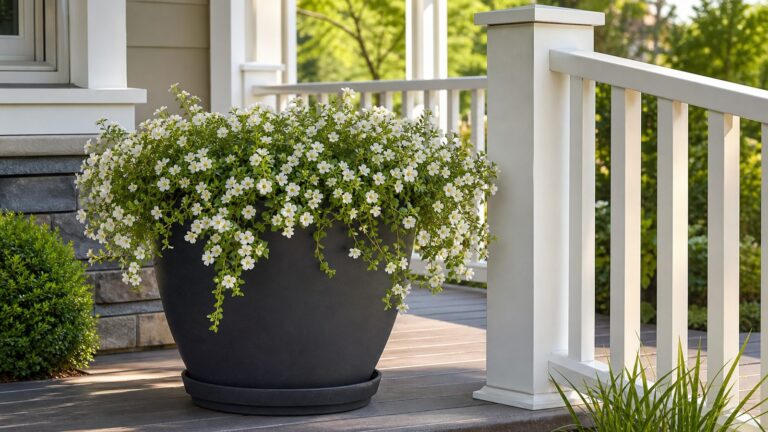
Good candidates include calibrachoa, petunia, angelonia, lantana, portulaca, vinca, gazania, osteospermum, annual verbena, sedum, compact zinnias, dwarf sunflowers, dianthus, and lavender. Use containers with drainage holes and a container-formulated potting mix. Containers dry and heat faster than in-ground beds, especially on rooftops, patios, balconies, and beside masonry. Check them daily during hot or windy weather. The Iowa State hanging-basket guidance covers the special demands of elevated containers.
Combine plants with similar water needs. A portulaca and a thirsty petunia may look compatible in a design sketch but require different irrigation. A shallow, dark container against a west-facing wall can become much hotter than the surrounding garden.
Best choices for pollinators
Strong candidates include sunflower, zinnia, annual salvia, cosmos, Mexican sunflower, sweet alyssum, purple coneflower, black-eyed Susan, blanket flower, bee balm, anise hyssop, woodland sage, butterfly weed, blazing star, penstemon, yarrow, and garden phlox. Open-centered forms generally make pollen and nectar easier to reach. Double flowers and highly modified cultivars may offer less usable food, and pollenless sunflowers are a poor choice when pollen is the objective. Regional native-plant lists are more useful than a generic national list because native status depends on geography.
Best choices for cut flowers
Choose zinnia, sunflower, cosmos, strawflower, celosia, globe amaranth, coneflower, black-eyed Susan, yarrow, garden phlox, Shasta daisy, and peony. Stagger annual sowings where appropriate, harvest in the cool part of the day, and leave some seed heads on sunflowers, coneflowers, and black-eyed Susans if birds are part of the garden’s purpose.
Free tools Windows power users keep installed
One-click scans. No signup required.
Best for low-maintenance borders
Often lower-maintenance choices include vinca, portulaca, globe amaranth, marigold, zinnia, blanket flower, coneflower, yarrow, sedum, daylily, butterfly weed, and blazing star. Low maintenance is not the same as no maintenance: all plants need establishment watering, weed control, and occasional inspection. By contrast, roses, garden phlox, peonies, calibrachoa, petunias, bee balm, tall sunflowers, and bearded iris in wet soil are more condition-sensitive or maintenance-intensive.
Independent reader supportYour contribution helps us test, update, and keep practical guides available for everyone.Plan a succession of blooms
A 44-plant list is less useful if every selection peaks at the same time. Combine different bloom periods, remembering that timing changes with zone, cultivar, sowing date, and weather.
Best Value

- EXTRA LARGE PACKET contains over 1 full ounce of pure live seeds (7,500+ seeds) - Enough to cover 100 square feet.
- THE FRESHEST SEEDS available lead to high germination rates, making your gardening easy, successful, and fun.
- PREMIUM PACKAGING designed for optimal seed storage, with full planting instructions and reusable zipper - Great for gift giving.
- Contains the following - Common Name (Scientific Name): Bachelor's Button (Centaurea cyanus), Siberian Wallflower (Cheiranthus allionii), Shasta Daisy (Chrysanthemum maximum), Plains Coreopsis (Coreopsis tinctoria), Sweet William (Dianthus barbatus), African Daisy (Dimorphotheca aurantiaca), Purple Coneflower (Echinacea purpurea), California Poppy (Eschscholzia californica), Perennial Gaillardia (Gaillardia aristata), Indian Blanket (Gaillardia pulchella)
- Showy Baby's Breath (Gypsohila elegans), Spurred Snapdragon (Linaria maroccana), Blue Flax (Linum lewisii), Sweet Alyssum (Lobularia maritima), Evening Primrose (Oennthera lamarckiana), Corn Poppy (Papaver rhoeas), Rocky Mountain Penstemon (Penstemon strictus), Prairie Coneflower (Ratibida columnifera), Black Eyed Susan (Rudbeckia hirta), Gloriosa Daisy (Rudbeckia hirta), Catchfly (Silene armeria)
| Season | Possible choices | Planning note |
|---|---|---|
| Spring and cool season | Calendula, dianthus, peony, bearded iris, some African daisies | Cool-season flowers may decline in summer heat. |
| Early to midsummer | Lavender, daylily, coreopsis, yarrow, butterfly weed, bee balm | Use early perennials to bridge spring color and summer annuals. |
| Midsummer | Zinnia, marigold, sunflower, blanket flower, coneflower, salvia, blazing star, garden phlox | Deadhead annuals and maintain airflow for a longer display. |
| Late summer and fall | Sedum, Russian sage, Mexican sunflower, cosmos, verbena, hardy hibiscus, black-eyed Susan | Leave selected seed heads for birds and winter interest. |
How to install and maintain a sunny flower bed
- Confirm the light. Count direct-light hours after nearby trees leaf out. Six hours is the baseline; eight or more is preferable for highly light-demanding annuals.
- Test drainage before planting. A sunny site can still be waterlogged. Correct grading, runoff, compaction, or drainage problems rather than assuming every bed should receive the same soil amendment. Dry-site flowers need oxygen around their roots.
- Group by irrigation need. Keep wet-site plants separate from drought-tolerant plants. This is especially important when beds are supplied by permanent irrigation installed during a landscape project.
- Check the plant label. Verify species, cultivar, mature size, hardiness, and whether the plant is annual, tender perennial, biennial, or hardy perennial. Common names such as lily, geranium, salvia, iris, verbena, and black-eyed Susan cover different plants.
- Plant at the correct frost window. Warm-season annuals such as zinnia, celosia, vinca, angelonia, and Mexican sunflower should be planted after local frost danger has passed and soil conditions are suitable. UMass Extension recommends sturdy annual transplants after the local last frost, with label-based spacing.
- Water deeply during establishment. Newly planted lavender, sedum, blanket flower, butterfly weed, yarrow, and Russian sage still need regular irrigation until their roots reach surrounding soil. Ensure good root-to-soil contact when planting.
- Mulch correctly. Place mulch around plants to moderate soil temperature and reduce weeds, but keep it away from crowns, stems, and bearded iris rhizomes.
- Encourage airflow. Space zinnias, roses, garden phlox, and bee balm so leaves dry quickly. Avoid routine overhead irrigation, particularly late in the day.
- Deadhead selectively. Remove spent flowers from zinnia, marigold, salvia, cosmos, verbena, and many annuals to encourage continued flowering. Portulaca and annual vinca are relatively self-cleaning. Cut woodland sage back after flowering to encourage rebloom. The UConn annual-flower guidance discusses deadheading and seasonal maintenance.
- Stake before plants flop. Tall sunflowers, peonies, liatris, and some garden phlox are easier to support before heavy flower heads or rain push them over.
- Avoid excess nitrogen. Too much nitrogen can create lush foliage with fewer flowers. Follow a soil test or product label instead of applying fertilizer by habit.
- Leave some seed heads. Keep selected sunflower, coneflower, and black-eyed Susan heads for birds, while removing others if reseeding would be a problem.
Spread, reseeding, and safety cautions
A plant that reseeds is not automatically invasive. Vigorous, self-seeding, and invasive describe different behaviors. Before installing a large mass, check your state or regional invasive-plant list.
- May reseed: black-eyed Susan, cleome, cosmos, calendula, sunflower, and some verbena selections.
- May spread strongly: yarrow can spread by rhizomes and seed; some garden phlox can naturalize beyond its original range in certain areas.
- Climate-dependent behavior: lantana and some verbena selections may persist or spread more readily in warm climates than in cold ones.
- Container caution: trailing plants can root where stems touch soil or escape over walls and paths, depending on species and climate.
Do not make blanket claims that flowers are safe for pets. Plant part and species matter. Dianthus may cause low-severity poisoning or contact irritation; bearded iris and butterfly weed carry low-severity toxicity warnings; yarrow can irritate skin and may cause problems for pets. Roses also have thorns. Check the plant-specific information from a botanical or extension source, such as the NC State plant database, before planting where children or animals regularly play.
Troubleshooting full-sun flowers
Why are my full-sun flowers not blooming?
First verify that the site receives six hours of direct light after surrounding trees leaf out. Other common causes include excess nitrogen, overcrowding, drought during bud formation, incorrect planting depth, too much heat for a cool-season plant, or a cultivar chosen mainly for foliage or unusual flower form. Peonies may produce leaves without flowers when winter chilling is insufficient.
Why did a drought-tolerant plant die after planting?
The likely causes are insufficient establishment watering, poor root contact with the soil, or waterlogged roots. Drought-tolerant plants are not drought-proof during their first weeks or months. Water newly planted lavender, sedum, blanket flower, butterfly weed, yarrow, and Russian sage consistently, then gradually reduce irrigation as roots establish.
Why does the plant survive but look weak?
It may receive only marginal full sun, be shaded by neighboring plants, be planted in overly rich soil, have poor drainage, lack local hardiness, or be a tender perennial being treated as hardy. Container plants may also have overheated roots or may be cycling between severe drying and saturation.
Why are flowers or leaves scorched?
Full-sun classification does not eliminate heat stress. Peonies, roses, osteospermum, calendula, some petunias, some daylilies, and double flowers with delicate petals can scorch in extreme heat. Morning sun with afternoon protection, deeper soil moisture, mulch, and relief from reflected heat may help. Do not automatically move every plant into dense shade; inadequate light can reduce flowering.
Why are phlox, roses, bee balm, or zinnias covered in mildew?
Improve air circulation, follow the plant’s spacing recommendation, water at the soil surface, and avoid wetting leaves late in the day. Humid weather can still produce mildew even when the plant receives enough sun. Repeated problems may indicate that the cultivar or site is poorly matched.
Why did my perennial not return?
Check the plant’s USDA hardiness range, winter drainage, planting depth, and crown or rhizome condition. A plant can survive the winter cold on the map but fail because of wet winter soil, a warm-climate plant grown in a cold zone, or a tender perennial treated as hardy.
Why did my bearded iris rot?
Overwatering, poor drainage, deep planting, or mulch covering the rhizomes are common causes. Bearded iris rhizomes should sit at or near the soil surface in a relatively dry, well-drained position.
Why are my annuals leggy?
Insufficient light, crowding, excessive nitrogen, and missed trimming are common causes. Pinch or cut back leggy petunias and verbena, avoid excessive fertilizer, and use compact cultivars where a narrow bed or container requires controlled growth.
A practical full-sun planting formula
For a balanced sunny bed, combine structure, succession, and different flower shapes rather than planting 44 unrelated species:
- One tall anchor: sunflower, Mexican sunflower, hardy hibiscus, or liatris.
- One long-blooming middle layer: coneflower, black-eyed Susan, zinnia, or annual salvia.
- One low edge or spiller: portulaca, dianthus, sedum, sweet alyssum, or calibrachoa.
- One pollinator specialist: butterfly weed, bee balm, anise hyssop, or penstemon.
- One late-season plant: sedum, Russian sage, Mexican sunflower, or garden phlox.
Put plants with similar moisture requirements together, then confirm the final species and cultivars against your local hardiness, heat, invasive-plant, and plant-safety information. That approach produces a more dependable sunny landscape than choosing solely by flower color or a generic full-sun label.
Frequently Asked Questions
Does full sun mean a flower can tolerate extreme heat?
No. Full sun generally means at least six hours of direct sunlight, but heat tolerance also depends on humidity, nighttime temperatures, soil moisture, wind, and reflected heat. In very hot climates, some full-sun flowers perform better with morning sun and protection from the harshest afternoon conditions.
Can all full-sun flowers share one irrigation zone?
No. Portulaca, lavender, sedum, blanket flower, butterfly weed, Russian sage, and bearded iris prefer dry, well-drained conditions, while hardy hibiscus, bee balm, garden phlox, and some liatris need more consistent moisture. Group plants by water requirement.
Windows Errors? Fix Them Before They Spread
Repair common Windows errors and clear accumulated junk for a smoother, more stable PC - no reinstall needed.Free scan · no reinstallOutdated Drivers Are Slowing You Down
One free scan finds every outdated or missing driver and matches the right update for your exact hardware.Free scan · exact hardware matchWhich full-sun flowers are easiest to grow from seed?
Marigold, zinnia, sunflower, cosmos, nasturtium, cleome, calendula, and some coreopsis are practical seed-grown choices. Butterfly weed can also be grown from seed, but plants may take two to three years to establish and flower.
Will tender perennials return next year?
Only if the climate and site are warm enough for that species or cultivar. Lantana, vinca, angelonia, Mexican sunflower, gazania, osteospermum, and annual verbena are commonly grown as annuals in colder regions. Check the plant label and your USDA hardiness zone.
The Bottom Line
The most dependable full-sun flower is the one matched to the entire site: direct-light hours, drainage, irrigation, summer heat, winter cold, mature size, and maintenance level. Choose annuals for fast seasonal color, perennials for recurring structure, and tender perennials when your climate allows them to return. For a durable installation, combine a tall anchor, a long-blooming middle layer, a low edge, a regionally appropriate pollinator plant, and a late-season flower—then keep each group in the irrigation conditions it actually needs.
Quick Recap
Product prices and availability are accurate as of the date/time indicated and are subject to change. Any price and availability information displayed on Amazon at the time of purchase will apply.
Recommended Free Tools