The best beginner houseplants are not necessarily the plants that need the least water. They are the plants that match your room’s light, your watering habits, and the type of care you can provide. For most first-time plant owners, the strongest choices are the snake plant, ZZ plant, pothos, cast iron plant, heartleaf philodendron, spider plant, Chinese evergreen, and parlor palm.
Choose a jade plant or aloe for a sunny window, a ZZ plant or snake plant for a dimmer room, and pothos or heartleaf philodendron if you want a forgiving trailing plant. If you have cats or dogs, check the exact botanical name in the ASPCA plant database before buying; several popular plants on this list can irritate or poison pets if chewed.
As an Amazon Associate I earn from qualifying purchases.
In this guide, the 38 plants are ranked in three practical groups: genuinely forgiving beginner plants, good choices when matched to the right room, and attractive plants that are often marketed as easy but need more specific conditions.
What low-maintenance really means
A low-maintenance indoor plant is tolerant, not indestructible. It should cope with an occasional missed watering, ordinary indoor temperatures, moderate humidity, and a minor care mistake without immediately collapsing. Ideally, it also grows acceptably without frequent pruning, repotting, misting, or specialized equipment.
#1 Best Overall
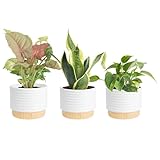
- DECOR-READY LIVE INDOOR PLANTS: This 3-pack of houseplants offers incredible value to gift or instantly upgrade any space. Perfect for shelf, tabletop, or office desk. Varieties will vary — examples include Peace Lily, Snake Plant, Fern, and Pothos
- EASY TO MAINTAIN, BEGINNER-FRIENDLY INDOOR PLANTS: This pack of three Assorted Indoor Houseplants are an effortless way to start your collection. These low-maintenance varieties are easy to grow and require minimal attention, making them a perfect match for new plant parents
- CREATE A CALMING SANCTUARY: Group these gorgeous varieties together for an instant mood-boosting display that supports your wellbeing and brings life to any room
- PERFECT GIFT FOR ANY OCCASION: This living and thoughtful present is ideal for birthdays, housewarmings, holidays, or just because. Brighten a loved one's day with a beautiful indoor plant
- FRESH PLANTS, READY FOR YOUR HOME: Your collection of healthy, vibrant live indoor plants, fresh from our farm, arrives secured in specialized packaging right to your home
That definition matters because drought tolerance alone does not make a plant easy. Aloe, Echeveria, jade, string of pearls, and burro’s tail can tolerate dry soil, but they usually need much more light than a dim apartment provides. Conversely, a plant that survives low light may grow slowly and use very little water, making it especially vulnerable to overwatering.
No houseplant thrives in complete darkness. A windowless room needs a suitable grow light, even if the plant is known for tolerating low light. The University of Minnesota Extension gives approximate indoor benchmarks of 50–250 foot-candles for low light, 250–1,000 for medium light, and more than 1,000 for high light, although most people will make a better first estimate from the window and the room’s visual brightness.
Quick picks: start here
| Plant | Best light | Watering trigger | Best for | Pet note |
|---|---|---|---|---|
| Snake plant | Low to bright indirect | Let most or all of the mix dry | Forgetful owners and bedrooms | Toxic if chewed |
| ZZ plant | Low to bright indirect | Let the mix dry completely | Dark corners and offices | Toxic if chewed |
| Pothos | Medium to bright indirect; tolerates low light | Let the mix dry between waterings | Trailing baskets and shelves | Toxic if chewed |
| Cast iron plant | Shade to indirect light | Allow some drying | Low-light, low-attention rooms | Verify exact plant before purchase |
| Heartleaf philodendron | Low to medium indirect | Let the upper layer dry | Trailing growth | Toxic if chewed |
| Spider plant | Medium indirect | Keep moderately moist; reduce in winter | Beginners who want plantlets | Check the exact ASPCA entry |
| Chinese evergreen | Low to bright indirect | Let the surface dry slightly | Low-light rooms | Toxic if chewed |
| Parlor palm | Low to bright indirect | Allow slight drying | Pet-conscious homes | Listed as non-toxic to cats and dogs by the ASPCA |
| Jade plant | Bright light or sun | Let the mix dry substantially | Sunny windowsills | Toxic if chewed |
| Aloe vera | Bright light or sun | Let the mix dry fully | Bright, dry rooms | Verify exact species before purchase |
Match the plant to your light
| Light level | What it usually means indoors | Good examples |
|---|---|---|
| Low light | A north-facing window, a shaded room, or a fairly dark corner with little direct sun | ZZ plant, snake plant, cast iron plant, pothos, Chinese evergreen |
| Medium light | An east-facing window or a bright west-facing room without harsh direct rays | Spider plant, parlor palm, heartleaf philodendron, peace lily |
| Bright indirect light | A bright room near a window, with distance or a sheer curtain filtering the sun | Monstera, rubber plant, dracaena, prayer plant |
| Bright or direct light | A sunny south- or west-facing windowsill receiving several hours of direct sun | Aloe, jade, echeveria, string of pearls |
Low light means a plant can survive and grow slowly in less intense light; it does not mean the plant needs no light. Variegated plants generally need more light to maintain their markings. A pothos may live for a long time in a dark room but produce smaller leaves and lose some variegation. A bathroom may be humid, but humidity cannot compensate for a room with no usable daylight.
Water by checking the soil, not by following a calendar
There is no reliable universal schedule such as watering every Sunday. Frequency changes with the species, pot size, pot material, soil mix, light, temperature, humidity, season, and root density. A plant in a small terracotta pot beside a sunny window may dry in days; the same plant in a large plastic pot in a dim room may remain wet for weeks.
For most plants, use the method recommended by the University of Illinois Extension:
- Push a finger about 2 inches into the potting mix, or use the plant’s stated drying requirement as your guide.
- If the appropriate depth is dry, water thoroughly until water runs from the drainage hole.
- Let the pot drain fully, then empty the saucer or decorative cachepot.
- Reduce watering in winter and during other low-light periods when growth slows.
Use these broad groups as a starting point:
- Allow to dry substantially: snake plant, ZZ plant, jade, aloe, echeveria, string of pearls, and burro’s tail.
- Allow the upper layer to dry: pothos, philodendron, rubber plant, dracaena, Peperomia, spider plant, and tradescantia.
- Keep moderately or consistently moist, never soggy: peace lily, Boston fern, prayer plant, calathea, fittonia, polka-dot plant, and African violet.
Drainage prevents more failures than clever plant hacks
Use a container with a drainage hole. A decorative cachepot is fine if the plant remains in a removable nursery pot that can be taken out for watering and allowed to drain. Do not leave a plant standing in water.
When repotting, move up only one container size, usually a pot 1–2 inches wider than the current one. A disproportionately large pot holds a large volume of wet soil around a small root system, which can keep the roots oxygen-starved and encourage rot. The University of Illinois container guide and University of Minnesota seasonal-care guide both emphasize drainage and appropriately sized containers.
Do these 3 things before closing this tab:
1Repair Windows errors before they cause bigger problems2Scan for outdated or missing drivers - takes under a minute3Clear out junk files and repair common Windows errorsTier 1: the strongest beginner choices
These ten plants tolerate a wider range of ordinary indoor conditions than most of the other choices. They can still be killed by a dark room, waterlogged soil, cold drafts, or a pot without drainage, but they are the best starting point for someone who wants a forgiving plant.
1. Snake plant — Dracaena trifasciata
Best location: Bedroom, office, hallway, shelf, or bright windowsill. Light: Low to bright indirect light. It grows more vigorously in brighter conditions, but it can tolerate considerably less light. Water: Let the soil dry thoroughly between waterings; in a cool, dim winter room, that may mean watering only every month or two, depending on the pot and mix. Why it is beginner-friendly: Upright growth, slow water use, and substantial tolerance for missed waterings. Main mistake: Watering too often. Persistent moisture causes root rot, especially in low light. Pets and children: Keep away from animals and children who may chew it; it can cause illness if ingested.
Retailers often still use the former name Sansevieria trifasciata. The current presentation is Dracaena trifasciata, as shown by NC State Extension.
2. ZZ plant — Zamioculcas zamiifolia
Best location: Low-light office, apartment corner, or room with bright filtered light. Light: Low to bright indirect light; avoid assuming that a dark corner is completely light-free. Water: Allow the mix to dry completely before watering again. As a rough illustration rather than a schedule, NC State describes approximately twice-monthly summer watering and once-monthly winter watering only when the soil is dry. Why it is beginner-friendly: Thick underground rhizomes store water and the plant grows slowly. Main mistake: Treating a dry-room plant like a thirsty tropical plant. Pets and children: Keep away from chewers; it is toxic if ingested.
Quick wins for a faster PC:
Scan for outdated or missing drivers - takes under a minuteDriver Scan →Clear out junk files and repair common Windows errorsFree Scan →Fix the driver behind crashes, sound loss and screen glitchesFind Drivers →See the NC State ZZ plant profile for its basic care requirements.
3. Pothos — Epipremnum aureum
Best location: Shelf, hanging basket, bookcase, or a room where trailing stems have space. Light: Bright indirect light produces stronger growth and better variegation, but pothos tolerates prolonged low light. Water: Let the potting medium dry between waterings; do not water solely because the leaves droop. Why it is beginner-friendly: It is forgiving, fast-growing, easy to propagate, and communicates stress with soft or curling foliage. Main mistake: Keeping the soil constantly wet or expecting strong variegation in a dark room. Pets and children: Keep away from chewers; it contains irritating compounds and is toxic if ingested.
The NC State profile is a useful reference for the plant sold under several pothos cultivar names.
4. Spider plant — Chlorophytum comosum
Best location: Hanging basket, shelf, or medium-bright room. Light: Medium indirect light; it tolerates shade but can scorch in harsh direct sun. Water: Keep moderately moist during active growth, allowing some drying at the surface, and water less in winter. Why it is beginner-friendly: It grows quickly, produces baby plantlets, and recovers well from ordinary mistakes. Main mistake: Interpreting brown tips as a need for more water. Dry air, inconsistent watering, fertilizer salts, or water containing fluoride can all contribute. Pets and children: Do not rely on the common name when checking safety. Confirm the exact plant in the ASPCA database; any plant material can upset an animal’s stomach.
NC State Extension specifically notes the spider plant’s sensitivity to some tap-water conditions.
5. Cast iron plant — Aspidistra elatior
Best location: Shaded room, north-facing window, lobby, or a position away from strong sun. Light: Shade to indirect light. Water: Water regularly during active growth, allow some drying between waterings, and water more sparingly in winter. Why it is beginner-friendly: It tolerates shade, neglect, and less-than-perfect indoor conditions better than most foliage plants. Main mistake: Moving it suddenly into intense sun, which can scorch leaves. Pets and children: Verify the exact botanical name and cultivar before calling it safe; avoid allowing chewing.
Its reputation is deserved, but the plant still needs drainage and some daylight. See NC State’s cast iron plant guidance.
6. Heartleaf philodendron — Philodendron hederaceum
Best location: Hanging basket, shelf, or trellis in a home or office. Light: Medium indirect light; it tolerates lower light but becomes less vigorous and more leggy. Water: Allow the upper layer of soil to dry, then water thoroughly and drain. Why it is beginner-friendly: It is forgiving, adaptable, and easy to prune or propagate from cuttings. Main mistake: Leaving the roots in heavy, wet soil. Pets and children: Keep away from chewers; philodendrons contain irritating calcium oxalates.
Crashes, No Sound, or Screen Glitches?
Random freezes, missing sound and display glitches usually trace back to one bad driver. Find and replace yours safely.Free scan · under a minutePC Slower Than It Used to Be?
A free scan shows the junk files, broken settings and background clutter dragging Windows down - then fixes them in one click.Free scan · Windows 10 & 11Rank #2

- FARM-DIRECT PACKAGING & ARRIVAL: Each Money Tree is hand-selected at the greenhouse and secured in breathable, reinforced transit-safe materials. This direct-from-nursery process maintains plant integrity and soil moisture, providing a healthy houseplant ready for immediate indoor display
- VERSATILE 12-16 INCH TABLETOP ACCENT: Instantly refresh your desk, shelf, or side table with Pachira aquatica's beautifully braided trunk and a vibrant, hand-shaped canopy. This medium-sized house plant arrives pre-potted in a stylish decorative planter, offering a sophisticated "designer look" that fits perfectly in smaller spaces with absolutely no messy repotting required
- PET-FRIENDLY HOUSEPLANT: Money Tree is safe for homes with cats and dogs according to ASPCA guidelines. Its upright growth habit naturally keeps foliage elevated, reducing accidental pet contact and making it a functional, worry-free botanical choice for pet-loving households
- SYMBOL OF LUCK & PROSPERITY: A staple of Feng Shui tradition, the Money Tree is believed to "trap" fortune in its braided trunk. It is the perfect, meaningful gift for housewarmings, new jobs, or birthdays, offering a living, growing alternative to temporary flowers
- 100% HAPPINESS GUARANTEE: We want your new plants to succeed. If plants arrive stressed, water and rest them in indirect light for 24 hours to revive. If any arrive beyond saving, reach out immediately for a refund. We are here to help!
The plant is sometimes confused with pothos, but they are different genera. Use the NC State heartleaf philodendron profile for identification and care.
7. Chinese evergreen — Aglaonema
Best location: Low-light room, office, or shaded shelf. Light: Low to bright indirect light. Variegated forms generally need brighter conditions to retain their markings. Water: Keep the mix lightly moist but never soggy, allowing some surface drying and reducing water in winter. Why it is beginner-friendly: It tolerates lower light and grows more slowly than many trailing plants. Main mistake: Continuing to water at the same rate after moving it into a dim room. Pets and children: Keep away from chewers; it can cause painful mouth irritation and other symptoms if eaten.
Because Aglaonema includes many cultivars, the plant label matters. The NC State reference covers the group.
8. Parlor palm — Chamaedorea elegans
Best location: Bedroom, living room, office, or bathroom with a usable window. Light: Bright indirect light is best, although it tolerates lower light. Water: Allow the soil to dry slightly between waterings; avoid both prolonged drought and standing water. Why it is beginner-friendly: It is relatively compact, adapts to ordinary indoor conditions, and does not demand intense sun. Main mistake: Putting it in a dark bathroom or beside a heating vent. Pets and children: The ASPCA lists parlor palm as non-toxic to cats and dogs, but verify the exact plant label and remember that eating any plant can cause gastrointestinal upset.
What’s actually slowing this PC down?
Pick the symptom - the matching free tool is one click away.
See NC State’s parlor palm information and the ASPCA entry.
9. Jade plant — Crassula ovata
Best location: Sunny windowsill, preferably with several hours of strong light. Light: Bright light or direct sun; it is not a suitable choice for a dim corner. Water: Let the soil dry substantially before watering, then water thoroughly through a fast-draining mix. Why it is beginner-friendly: Thick leaves store water and the plant can live for years with simple care in the correct window. Main mistake: Giving it frequent drinks in insufficient light. Pets and children: Keep away from pets and children who may chew it; jade can be toxic if ingested.
More light does not mean more water. Follow the NC State jade plant guide.
10. Aloe vera
Best location: Sunny south- or west-facing windowsill or another bright, warm position. Light: Bright light and often several hours of sun. Acclimate a plant gradually if it has been grown indoors under filtered light. Water: Let the soil dry fully, then water thoroughly and allow the pot to drain. Why it is beginner-friendly: It tolerates missed waterings when the light and drainage are right. Main mistake: Keeping it wet in a low-light room. Pets and children: Check the exact aloe species and keep it away from chewers; not every plant sold under a common name has identical safety information.
The Tool Desk
Outbyte PC Repair FREERepair Windows errors before they cause bigger problemsFix Now →Outbyte Driver Updater FREEFix the driver behind crashes, sound loss and screen glitchesFind Drivers →See the NC State aloe reference for the broader group.
Tier 2: good beginner plants when the room matches
These plants are not poor choices, but they have clearer requirements for light, space, humidity, pruning, or watering. They become easy when placed in the right room rather than treated as universally low-maintenance.
11. Rubber plant — Ficus elastica
Light: Bright indirect light. Water: Let the upper layer dry before watering. Why choose it: A sturdy, attractive floor plant with substantial leaves. Watch: It needs more light and space than a ZZ plant and can become large. Wipe leaves occasionally so dust does not block light. Pets: Verify the exact plant in the ASPCA database before bringing it into a home with animals or children.
12. Monstera deliciosa
Light: Moderate to bright indirect light. Water: Water thoroughly and allow roughly the top quarter to one-third of the medium to dry before watering again. Why choose it: It is adaptable and makes a dramatic floor plant. Watch: It becomes large, may need a moss pole or other support, and can produce smaller, less split leaves in low light. Do not call it a philodendron; it is a separate genus despite the old common name split-leaf philodendron. Pets: Keep away from chewers because it contains irritating calcium oxalates.
Recommended Free Tools
Identification and care details are available from NC State Extension.
13. Dragon tree — Dracaena reflexa var. angustifolia
Light: Moderate to bright indirect light, although established plants can tolerate less. Water: Allow the soil to dry between waterings. Why choose it: Slow-growing, upright, and relatively drought-tolerant. Watch: Brown tips may result from salts, fluoride, chlorine, dry air, inconsistent watering, or root stress. Pets: Dracaenas should be kept away from pets; ingestion can cause illness.
Retailers often use the former name Dracaena marginata. The current presentation is Dracaena reflexa var. angustifolia; see NC State’s nomenclature and care reference.
14. Lucky bamboo — Dracaena sanderiana
Light: Bright indirect light; harsh direct sun can scorch it. Water: A water-grown specimen needs its water changed about weekly and its container rinsed. A soil-grown plant should remain lightly moist but not saturated. Why choose it: It is compact and convenient for a desk or small shelf. Watch: Water culture is not maintenance-free, and poor water quality can produce yellowing or brown tips. Pets: It is a Dracaena, not true bamboo, and should be kept away from pets that may chew it.
Free tools Windows power users keep installed
One-click scans. No signup required.
Correct identification is provided by NC State Extension.
15. Arrowhead plant — Syngonium podophyllum
Light: Medium to bright indirect light. Water: Keep lightly moist while growing, allowing some surface drying. Why choose it: It grows quickly and can be trained upward or allowed to trail. Watch: It becomes a vine and may need pruning or support; variegated forms need more light. Pets and children: Keep away from chewers because it contains irritating calcium oxalates.
Rank #3
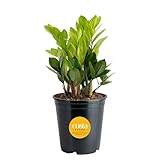
- SLEEK, STYLISH ROOM DÉCOR: The architectural upright leaves of a real ZZ Plant provide a modern, sleek look that defines minimalist home decor. An excellent, stylish live plant choice for an office desk, plant shelf, or tabletop
- EASY TO MAINTAIN, BEGINNER-FRIENDLY INDOOR PLANT: The ZZ Plant is a resilient, low-maintenance houseplant that thrives on neglect, making it perfect for any plant owner. It’s an ideal, hassle-free choice for busy individuals or new plant parents
- CREATE A CALMING SANCTUARY: Its low-maintenance nature gives you a beautiful green space without the stress, contributing to a calm mood and a feeling of control
- GIFTING FOR ANY OCCASION: This living and thoughtful present is ideal for birthdays, housewarmings, holidays, or just because. Brighten a loved one's day with a beautiful indoor plant
- FRESH PLANT, READY FOR YOUR HOME: Your beautiful, healthy live indoor plant, fresh from our farm, arrives secured in specialized packaging right to your home
16. Peace lily — Spathiphyllum
Light: Low to medium indirect light; brighter filtered light generally supports better growth and flowering. Water: Keep the soil moist but not soggy. Do not repeatedly wait for the plant to collapse before watering. Why choose it: It tolerates less light than many flowering plants and visibly droops when thirsty. Watch: Repeated severe wilting is stressful, and a drooping plant may also have damaged roots from overwatering. Pets and children: Keep away from chewers; it can cause painful irritation.
See NC State’s peace lily guidance.
17. Peperomia
Light: Medium to bright indirect light. Water: Let the upper soil layer dry before watering. Why choose it: Its compact size suits desks, shelves, and small apartments. Watch: Thick leaves store some water, so overwatering is a more common problem than brief dryness. Use a loose, well-draining mix and a pot with a hole. Pets: Check the exact Peperomia species in a reliable database rather than assuming that every cultivar has the same listing.
18. Chinese money plant — Pilea peperomioides
Light: Bright indirect light. Water: Water after the upper layer dries, then drain fully. Why choose it: Compact, distinctive, and easy to rotate or propagate once established. Watch: It becomes lopsided or leggy in insufficient light, so rotate the pot periodically and move it closer to a bright window if growth stretches. Pets: Confirm the exact plant and cultivar before describing it as pet-safe.
19. Inch plant or zebra plant — Tradescantia zebrina
Light: Filtered to bright light. Water: Water regularly but allow the soil to dry between waterings. Why choose it: It grows rapidly, trails attractively, and propagates easily from cuttings. Watch: Prune it to prevent thin, bare stems and provide brighter light for stronger coloring. Its sap can irritate sensitive skin. Pets and children: Prefer the names inch plant or zebra plant over the outdated common name wandering Jew, and verify the exact species before purchase.
Identification is covered by NC State Extension.
20. African violet — Streptocarpus ionanthus
Light: Bright indirect light, often near an east-facing window. Water: Keep the soil lightly and consistently moist, but never waterlog it; avoid wetting the fuzzy leaves. Why choose it: It is compact and can flower repeatedly indoors. Watch: It requires more precision than a foliage plant, especially if you want regular flowers. Pets: Check the exact botanical name and ASPCA entry; do not infer safety from the common name.
21. Christmas cactus — Schlumbergera
Light: Bright indirect light. Water: Provide regular moisture during active growth but never leave it in waterlogged soil. Why choose it: Long-lived and generally forgiving when grown in a draining mix. Watch: Flowering is more reliable when the plant receives an appropriate cooler, drier rest period; it will not bloom on demand in every room. Pets: Verify the exact plant in the ASPCA database before purchase.
What’s actually slowing this PC down?
Pick the symptom - the matching free tool is one click away.
See the Royal Horticultural Society Christmas cactus guide.
22. Purple shamrock — Oxalis triangularis
Light: Bright indirect light. Water: Provide moderate moisture during active growth and reduce watering if the plant enters dormancy. Why choose it: Purple foliage and flowers make it a colorful alternative to standard green plants. Watch: It may lose its leaves and rest seasonally; dormancy does not necessarily mean it has died. Pets and children: Keep away from chewers and verify the species in a toxicity database.
23. Raven ZZ plant
Light: Low to bright indirect light, just like a green ZZ plant. Water: Allow the mix to dry completely before watering. Why choose it: The nearly black foliage provides a different appearance while retaining the general care profile of Zamioculcas zamiifolia. Watch: It is not meaningfully easier than an ordinary ZZ plant; the same overwatering risk applies. Pets: Keep away from chewers because ZZ plants are toxic if ingested.
24. Cylindrical snake plant — Dracaena angolensis
Light: Bright window light to bright indirect light. Water: Use a cactus or succulent mix and wait until the soil is dry. Rough summer and winter intervals may be about two weeks and one month respectively, but the soil—not the calendar—should determine the next watering. Why choose it: Extremely drought-tolerant and architecturally shaped. Watch: It still needs good light and drainage; drought tolerance does not protect it from wet soil. Pets: Keep away from pets that chew.
Retailers may call it Sansevieria cylindrica. The current name is Dracaena angolensis; see NC State Extension.
25. Schefflera or umbrella plant — Heptapleurum arboricola
Light: Bright indirect light. Water: Allow the upper soil layer to dry before watering. Why choose it: It can become a handsome floor plant with a tree-like form. Watch: It may grow large, and stressed plants can attract pests. Prune it to control size and encourage branching. Pets and children: Verify the exact species before bringing it into a home with chewers.
26. Cordyline
Light: Bright indirect light, especially for colorful foliage. Water: Keep the mix moderately moist while the plant is actively growing, then reduce watering in winter. Why choose it: Colorful leaves add interest to a bright room. Watch: It is less universally forgiving than a snake plant or ZZ plant and may develop brown tips from dry air, salt buildup, or unsuitable water. Pets: Check the exact Cordyline species and cultivar in the ASPCA database.
General identification and care information is available from NC State Extension.
Quick wins for a faster PC:
Fix the driver behind crashes, sound loss and screen glitchesFind Drivers →Repair Windows errors before they cause bigger problemsFix Now →Tier 3: attractive but conditional choices
These plants can be rewarding, but they should not be presented as effortless for every beginner. Each is easy only under a particular combination of light, humidity, watering consistency, or handling.
27. Prayer plant — Maranta leuconeura
Light: Bright indirect or filtered light. Water: Keep evenly moist during growth without making the mix soggy. Why choose it: Patterned leaves and moving foliage are highly decorative. Watch: Dry indoor heating, air conditioning, irregular watering, and poor water quality can produce curling or brown edges. It is a poor choice for someone who routinely forgets to water. Pets: Verify the exact plant in the ASPCA database before calling it safe.
28. Calathea or Goeppertia
Light: Filtered or indirect light; avoid harsh direct sun. Water: Keep the medium consistently moist but never soggy. Why choose it: It offers exceptional leaf patterns in rooms with filtered light. Watch: This is one of the least forgiving groups on the list. Brown edges, curling leaves, dry air, and inconsistent watering are common problems. Many plants sold as Calathea are now botanically placed in Goeppertia, but retail names remain mixed. Pets: Confirm the exact species and safety listing.
For example, some former Calathea species are presented as Goeppertia by NC State Extension.
Recommended Free Tools
Rank #4
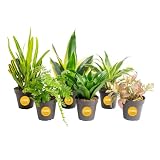
- BEAUTIFUL ROOM DÉCOR BUNDLE: This 6-pack offers incredible value to instantly decorate multiple spaces with live houseplant room decor. Perfect for shelf or desk décor, or as party favors. Varieties will vary — examples include Peace Lily, Snake Plant, Fern, Dieffenbachia, Pothos, and others
- EASY TO MAINTAIN, BEGINNER-FRIENDLY INDOOR PLANTS: This pack of six Assorted Indoor Houseplants are an effortless way to start your collection. These low-maintenance varieties are easy to grow and require minimal attention, making them perfect for new plant parents
- CREATE A CALMING SANCTUARY: Enjoy the benefit of six plants to purify the air and naturally boost your mood, transforming your space into a peaceful haven for wellbeing
- PERFECT GIFT FOR ANY OCCASION: This living and thoughtful present is ideal for birthdays, housewarmings, holidays, or just because. Brighten a loved one's day with a beautiful indoor plant
- FRESH PLANTS, READY FOR YOUR HOME: Your collection of healthy, vibrant live indoor plants, fresh from our farm, arrives secured in specialized packaging right to your home
29. Boston fern — Nephrolepis exaltata ‘Bostoniensis’
Light: Filtered light and no harsh direct sun. Water: Water regularly as the medium begins to dry; do not allow prolonged dryness. Why choose it: It gives a lush look and can work well in a naturally humid bathroom with adequate daylight. Watch: It is not a good plant for a forgetful owner or a dry, heated room. Humidity helps, but it does not replace light. Pets: Verify the exact plant and cultivar before relying on a pet-safety claim.
The RHS discusses ferns and suitable bathroom conditions in its bathroom plant guide.
30. String of pearls or string of beads — Curio rowleyanus
Light: Several hours of bright light or sun. Water: Use sharply draining soil and water only when the mix is approaching dryness. Why choose it: Its trailing beads are distinctive and it needs less frequent watering than thirsty tropical plants. Watch: Low light produces weak growth, while excess water causes rot. Low watering frequency does not equal low difficulty. The former name Senecio rowleyanus remains common in retail. Pets: Keep away from pets and children who may chew it.
Current naming and growing information is available from the RHS plant profile.
The Tool Desk
Outbyte PC Repair FREERepair Windows errors before they cause bigger problemsFix Now →Outbyte Driver Updater FREEFix the driver behind crashes, sound loss and screen glitchesFind Drivers →31. Burro’s tail — Sedum morganianum
Light: High light or partial sun. Water: Let the soil dry between waterings. Why choose it: It is drought-tolerant and visually striking in a hanging container. Watch: The leaves break off easily, so place it somewhere with little traffic. It is not suitable for a dim room. Pets: Verify the exact plant in a toxicity database and prevent chewing.
32. Polka-dot plant — Hypoestes phyllostachya
Light: Bright indirect light. Water: Keep the soil evenly but lightly moist. Why choose it: It adds pink, red, or white foliage to a small space. Watch: It can become leggy and usually benefits from pinching or pruning. It is more demanding than a ZZ plant because it dislikes both severe dryness and waterlogged soil. Pets: Confirm the exact species and ASPCA listing.
33. Nerve plant — Fittonia albivenis
Light: Bright indirect light, a humid bathroom with a window, or a terrarium. Water: Keep the medium moist and do not allow it to dry completely. Why choose it: It is compact and colorful. Watch: It wilts dramatically when thirsty, but its ability to recover does not make repeated severe wilting good care. A dry heated room is a poor setting. Pets: Verify the exact species before purchase.
The RHS Fittonia guide explains why humidity is central to its care.
34. Purple passion vine or velvet plant — Gynura aurantiaca
Light: Bright indirect light. Water: Provide moderate moisture in a well-draining mix, allowing some surface drying. Why choose it: Velvety purple foliage makes it a distinctive small houseplant. Watch: It can become rangy and its flowers may have an unpleasant smell, so pruning is often needed. Pets and children: Confirm the exact species in a reliable toxicity database and avoid chewing.
See NC State’s velvet plant reference.
35. Echeveria
Light: Very bright light or sun. Water: Use gritty, sharply draining soil and let the mix approach dryness before watering. Why choose it: It is a good compact plant for a sunny windowsill and may flower under suitable conditions. Watch: A dim room and frequent watering are a damaging combination. Give the rosette enough light to prevent stretching, and avoid leaving water trapped in the center. Pets: Verify the exact species and cultivar before relying on a pet-safety claim.
The RHS Echeveria guide provides useful light and drainage guidance.
36. Aeonium or black rose — Aeonium species
Light: Bright light. Water: Let the soil dry between waterings and use a free-draining mix. Why choose it: Its rosettes provide a sculptural appearance in a bright room. Watch: Seasonal growth patterns can cause dormancy or foliage changes that confuse beginners. It needs much more light than a ZZ plant and can suffer root rot in wet soil. Pets: Check the exact species before purchase.
Free tools Windows power users keep installed
One-click scans. No signup required.
37. Philodendron Birkin
Light: Bright indirect light. Water: Allow the upper soil layer to dry between waterings. Why choose it: Its white-striped foliage is attractive while retaining some of the general care habits of philodendrons. Watch: It is less forgiving than a plain heartleaf philodendron because variegation and compact growth are less tolerant of poor light and inconsistent care. Pets and children: Keep away from chewers; it contains irritating calcium oxalates.
38. Dragon Tree ‘Compacta’
Light: Moderate to bright indirect light. Water: Allow the upper soil to dry before watering and avoid saturated soil. Why choose it: It is a compact dracaena suited to offices, shelves, and smaller rooms. Watch: Treat it as a dracaena cultivar rather than a completely different care category. Brown tips can result from dry air, salts, fluoride, overfertilizing, or root damage. Pets: Keep away from pets because dracaenas can be toxic if chewed.
Independent reader supportYour contribution helps us test, update, and keep practical guides available for everyone.Choose by lifestyle and room
If you frequently forget to water
Start with a snake plant, ZZ plant, cylindrical snake plant, jade plant, aloe, or cast iron plant. Use a draining pot and check the soil before watering. Avoid Boston fern, calathea, prayer plant, fittonia, polka-dot plant, and peace lily as first choices. Peace lilies visibly wilt when thirsty, but repeated collapse is not a low-maintenance care strategy.
If the room is dark
Choose a ZZ plant, snake plant, cast iron plant, pothos, Chinese evergreen, or heartleaf philodendron. Expect slower growth and less variegation. If the room has no window or daylight, install a grow light rather than assuming that normal ceiling lighting is sufficient.
If the room is sunny
Choose aloe, jade, echeveria, string of pearls, burro’s tail, aeonium, or a snake plant acclimated to the window. Succulents are often killed by too much water rather than too little, particularly when their light is weak or their pot is oversized.
If you want a bathroom plant
Humidity-sensitive plants such as Boston fern, fittonia, prayer plant, and some calatheas may perform well in a bright bathroom. The room still needs a window or grow light. A humid but windowless bathroom is not automatically suitable for a plant.
Best Value

- LIVE INDOOR PLANT -Bring home the stunning Lemon Lime Maranta Prayer Plant and enjoy a touch of tropical calm. With its vivid green leaves brushed with yellow and dark-green veins, this houseplant brings instant warmth and charm to any room. Watch as its leaves fold upward at night like praying hands — a living rhythm of peace and nature.
- EASY TO CARE, EASY TO GROW - This live indoor plant thrives in bright, indirect light and grows happily with a little love. Just water every 1–2 weeks when the soil feels half dry, and it will reward you with lush, healthy leaves all year long. Perfect for both beginners and plant lovers looking for something beautiful and low-maintenance.
- PET FRIENDLY & CAT SAFE -Worry-free greenery for your home! All Prayer Plants are recognized by the ASPCA as non-toxic and safe for pets, so you can fill your space with beauty and still keep your furry friends safe. (While it’s not recommended for eating, it won’t harm your cats or dogs.)
- AIR PURIFYING & REFRESHING- Breathe easier with a plant that does more than look good. The Maranta naturally purifies indoor air, helping reduce toxins and refresh your space. Studies show that houseplants like this one can improve mood, focus, and overall wellbeing.
- PERFECT GIFT FOR ANY OCCASION- Plants make the best gifts — thoughtful, living, and full of life. Surprise your loved ones with a pet-friendly, easy-care indoor plant that symbolizes peace and positivity. Ideal for birthdays, housewarmings, or “just because” gifts that last far beyond a bouquet.
If you want a trailing plant
Pothos, heartleaf philodendron, spider plant, and tradescantia are the most forgiving choices. String of pearls is better reserved for a bright window, while burro’s tail needs a bright, low-traffic location because its leaves break easily.
If you want a compact desk plant
Try peperomia, Chinese money plant, African violet, fittonia, or a small ZZ plant. Desk plants still need usable daylight; a position several feet from a bright window may be very different from a dark office cubicle.
If you want a large floor plant
Consider rubber plant, Monstera deliciosa, parlor palm, schefflera, dragon tree, or peace lily. Check the plant’s mature size and leave room for growth before placing it beside a walkway, door, or heating vent.
If you have cats, dogs, or young children
Begin with the exact botanical name, not the store sign. The ASPCA database is useful but not exhaustive, and even plants listed as non-toxic can cause stomach upset if eaten. Parlor palm is listed by the ASPCA as non-toxic to cats and dogs. Several plants in this article—including snake plant, ZZ plant, pothos, peace lily, Chinese evergreen, philodendrons, Monstera, dracaenas, jade, arrowhead plant, and string of pearls—should be treated as unsuitable for chewing animals. If ingestion occurs, contact a veterinarian or an animal poison-control service promptly.
Do not assume that a common name is precise. Lucky bamboo is Dracaena sanderiana, snake plant is now generally presented as Dracaena trifasciata, cylindrical snake plant as Dracaena angolensis, dragon tree as Dracaena reflexa var. angustifolia, and string of pearls as Curio rowleyanus. The ASPCA houseplant guidance explains why exact identification matters.
A simple new-plant setup
- Inspect before buying. Look under leaves and around stems for webbing, scale, mealybugs, aphids, whiteflies, or signs of rot.
- Quarantine the plant. Keep a new plant away from existing plants for 2–3 weeks and monitor it for pests.
- Do not fertilize immediately. Allow the plant to adjust to its new light, temperature, and watering conditions first.
- Use the correct light. Move it into the recommended position, but acclimate it gradually to intense sun.
- Keep the nursery pot when practical. Place it inside a decorative cachepot if desired, but remove it for watering and drain it fully.
- Repot only when necessary. Move up one pot size, usually 1–2 inches wider, using a suitable well-draining mix.
What to do when something goes wrong
Yellow leaves
Check for overwatering, poor drainage, low light combined with continued watering, cold drafts, and normal aging of older leaves. Do not automatically add fertilizer. First inspect the moisture level and, if repotting is justified, examine the roots for mushy or damaged tissue.
Do these 3 things before closing this tab:
1Scan for outdated or missing drivers - takes under a minute2Repair Windows errors before they cause bigger problems3Fix the driver behind crashes, sound loss and screen glitchesBrown leaf tips
Possible causes include dry air, inconsistent watering, salt or fluoride sensitivity, direct sun, fertilizer buildup, and root damage. Spider plants and dracaenas can be particularly sensitive to water quality. Flush accumulated salts with clean water only when the container drains freely, and do not use this approach on a pot without drainage.
Wilting
Wilting does not always mean underwatering. If the soil is dry and the plant is a moisture-loving species, water thoroughly. If the soil is wet and the plant is wilting, investigate poor drainage, root rot, cold stress, or root damage before adding more water. Fittonia and peace lily may droop dramatically when thirsty, but repeated severe wilting still stresses them.
Leggy growth
Long gaps between leaves, small new leaves, or leaning stems usually indicate insufficient light. Move the plant closer to an appropriate window, rotate it periodically, and prune or propagate trailing plants. Do not compensate for low light by adding fertilizer, and do not move a low-light plant directly into harsh sun without acclimation.
Root rot
Root rot is commonly linked to a pot without drainage, an oversized container, dense soil, water left in the saucer, calendar-based watering, or low light combined with unchanged watering frequency. Let the plant dry according to its care group, improve drainage, and remove damaged roots only when repotting is necessary.
Crashes, No Sound, or Screen Glitches?
Random freezes, missing sound and display glitches usually trace back to one bad driver. Find and replace yours safely.Free scan · under a minuteWindows Errors? Fix Them Before They Spread
Repair common Windows errors and clear accumulated junk for a smoother, more stable PC - no reinstall needed.Free scan · no reinstallPests
Common indoor pests include fungus gnats, spider mites, mealybugs, scale, aphids, and whiteflies. Isolate an affected plant before treatment. Inspect leaf undersides, stems, leaf joints, and the soil surface; catching a small infestation early is much easier than treating an entire collection.
Moving indoor plants outdoors
A bright indoor window can be much less intense than direct outdoor sunlight. If you move a plant outside for summer, begin it in shade or filtered morning light and increase exposure gradually. Sudden outdoor sun can scorch foliage within hours. Bring plants back indoors before temperatures become unsuitable and inspect them for pests before placing them near other houseplants. The University of Minnesota Extension outdoor-transition guide explains the acclimation process.
Do houseplants purify indoor air?
Plants can contribute to wellbeing and may remove some pollutants under laboratory conditions, but they are not substitutes for ventilation, source control, smoke alarms, radon testing, or air filtration. The frequently cited 1989 NASA study tested pollutant removal in controlled, sealed chambers. That result should not be interpreted as proof that one snake plant or pothos will meaningfully clean the air in a normally ventilated home.
A later analysis found that impractically large numbers of potted plants would be needed to match ordinary air-exchange rates in typical buildings. For practical indoor air quality, follow EPA guidance on ventilation and source control rather than buying plants as an air-cleaning system. The original NASA technical memorandum and the later systematic review provide the research context.
Frequently Asked Questions
What is the easiest indoor plant for a complete beginner?
A snake plant or ZZ plant is usually the safest starting point for someone who forgets to water or has lower indoor light. Both still need daylight, a draining pot, and soil that dries between waterings.
Can a low-light plant live in a room with no windows?
Not indefinitely without supplemental light. Low-light tolerance means a plant can use less daylight, not that it can grow in darkness. Use a suitable grow light in a windowless room.
Should I water my houseplants once a week?
Not automatically. Check the soil about 2 inches down and water according to the plant’s drying requirement. Pot size, soil, light, season, and humidity can make a weekly schedule either too frequent or too infrequent.
Which plant is safest for cats and dogs?
The ASPCA lists parlor palm, Chamaedorea elegans, as non-toxic to cats and dogs. Confirm the botanical name on the plant label and check the ASPCA database because common names can refer to different plants. Even non-toxic plant material may cause stomach upset if eaten.
Outdated Drivers Are Slowing You Down
One free scan finds every outdated or missing driver and matches the right update for your exact hardware.Free scan · exact hardware matchPC Slower Than It Used to Be?
A free scan shows the junk files, broken settings and background clutter dragging Windows down - then fixes them in one click.Free scan · Windows 10 & 11Are succulents easier than tropical houseplants?
They can be easier in a bright, sunny window because they tolerate dry soil, but they are poor choices for dim rooms. Succulents commonly fail from insufficient light combined with frequent watering or poor drainage.
The Bottom Line
For the simplest start, choose a ZZ plant for low light, a snake plant if you often forget to water, or pothos for an easy trailing plant. Choose jade or aloe for a sunny windowsill and parlor palm when verified pet compatibility is your first concern. Whatever you buy, the setup matters as much as the species: provide usable light, use a pot with drainage, check soil rather than following a calendar, and keep toxic plants away from animals and children.
Quick Recap
Product prices and availability are accurate as of the date/time indicated and are subject to change. Any price and availability information displayed on Amazon at the time of purchase will apply.




