Free tools Windows power users keep installed
One-click scans. No signup required.
The best indoor plant is the one that matches your room’s light, your watering habits, and your household constraints. This guide compares 30 useful choices—from forgiving low-light foliage plants to flowering orchids and bright-window succulents—using practical light, water, size, and pet-safety guidance.
The best indoor plant is not necessarily the trendiest one. It is the plant that matches your room’s light, your watering habits, and your household—especially if pets or children may chew the leaves.
As an Amazon Associate I earn from qualifying purchases.
Use the guide below to choose by growing conditions rather than appearance alone. “Low light” means less intense or more distant natural light, not complete darkness: every plant needs light for photosynthesis. A windowless room will require a suitable LED grow light for indoor plants if you want a plant to grow rather than merely survive.
Quick rules for choosing and caring for indoor plants
- Start with the room. Note the window direction, how far the plant will sit from the glass, temperature swings, drafts, and humidity. A plant that suits the available conditions is more likely to thrive than one chosen solely for its appearance.
- Bright indirect light is a useful default. Many tropical foliage plants prefer strong light filtered through a sheer curtain or reflected from a nearby window. Harsh afternoon sun can scorch thin leaves, while inadequate light causes pale, weak, or leggy growth.
- Water by soil condition, not by calendar. Check the pot regularly. For many foliage plants, water when the upper layer has dried, then water thoroughly until excess drains away. Succulents and cacti need a substantially longer dry interval; ferns and thin-leaved tropicals generally prefer more even moisture.
- Use drainage. A decorative cachepot should not leave a nursery pot standing in water. Empty the saucer after watering. Overwatering and poor drainage are among the most common reasons indoor plants decline.
- Treat humidity as a supplement, not a cure-all. Ferns, calatheas, marantas, and orchids appreciate more humidity, but humid air cannot compensate for poor light or waterlogged soil.
- Inspect new plants. Check leaves, stems, and potting mix before placing a new purchase near established plants. Isolate anything with pests, inspect neighboring plants, and avoid routinely wetting the foliage.
- Use supplemental light deliberately. University extension guidance commonly suggests about 12–14 hours of total supplemental light for foliage plants and 14–16 hours for flowering houseplants, although the correct distance and intensity depend on the fixture and plant.
- Check pet safety by scientific name. Common names can overlap. Consult the ASPCA’s current toxicity database for the exact species or cultivar. Even a plant listed as non-toxic may cause stomach upset if eaten.
At-a-glance plant filter
| Best starting point | Plants to consider | Important limitation |
|---|---|---|
| Lower light | Snake plant, ZZ plant, cast-iron plant, parlor palm, spider plant, Chinese evergreen | Lower light does not mean no light; growth will be slower and variegation may fade. |
| Trailing or compact | Golden pothos, heartleaf philodendron, spider plant, peperomia, prayer plant, nerve plant | Trailing plants still need pruning and a pot with drainage. |
| Bright statement plants | Rubber plant, fiddle-leaf fig, monstera, bird of paradise, ponytail palm | Large plants usually need more consistent light and room. |
| Flowering plants | African violet, moth orchid, Christmas cactus, bromeliad, anthurium, peace lily | Flowering generally improves when light is adequate; some also need higher humidity. |
| Bright, dry conditions | Jade, aloe vera, haworthia, echeveria | Do not place these in a dim room and compensate with frequent watering. |
30 best indoor plants for different homes
Reliable foliage plants for beginners and lower-light rooms
-
Snake plant (Dracaena trifasciata, formerly Sansevieria trifasciata)
#1 Best Overall
 Back to the Roots 100% Organic Indoor Potting Mix (6 Quart), Promotes Healthy Houseplant Growth, Made in The USA
- Includes 6qt of Back to the Roots Indoor Potting Mix. Our Potting Mix contains organic yucca extract that aids in retaining moisture in the soil which keeps your indoor plants happy and healthy
- ROOT-BOOSTING MYCORRHIZAE: This beneficial soil component provides your plants with a natural, organic way to boost their root development and nutrient uptake
- ORGANIC AND PEAT-FREE: Our indoor potting mix helps reduce greenhouse emissions and environmental impact, making it a responsible choice for conscious consumers
- BALANCING DOLOMITIC LIMESTONE: Balances the alkalinity and acidity levels of the soil, which ensures that your plants receive the necessary nutrients from the potting mix to grow healthy and strong
- SAFE FOR PETS AND PEOPLE: Made without bark or compost, this potting mix is less prone to indoor gnats and pests, making it a worry-free option for your indoor gardening needs
Light: Low to bright indirect. Stronger light usually supports faster growth and better variegation. Water: Let the mix dry substantially between waterings. Best for: Beginners, upright architectural form, and rooms with limited natural light. Pet note: Do not call it universally pet-safe; verify the exact species with a current toxicity database.
-
ZZ plant (Zamioculcas zamiifolia)
Light: Low to bright indirect, but a dark room will not provide enough light for healthy long-term growth. Water: Allow the potting mix to dry well. Best for: Offices, hallways with ambient light, and people who prefer infrequent watering. Its thick underground storage organs help it tolerate drought. Pet note: Treat it as potentially toxic and keep it away from pets that chew plants.
-
Golden pothos (Epipremnum aureum)
Light: Low to bright indirect; brighter indirect light helps variegated forms retain their pattern. Water: Water when the upper layer dries. Best for: Hanging baskets, shelves, and beginners who want a fast-growing vine to trail, train, or propagate. Pet note: Keep it away from cats and dogs that nibble.
PerformancePC Slower Than It Used to Be?DriversCrashes, No Sound, or Screen Glitches?PerformanceWindows Errors? Fix Them Before They SpreadSpecial offer. See more information about Outbyte and uninstall instructions. Please review EULA and Privacy policy. -
Heartleaf philodendron (Philodendron hederaceum)
Light: Moderate to bright indirect; protect it from harsh direct sun. Water: Allow some drying between waterings, especially in lower light. Best for: Compact shelves and easy trailing foliage with heart-shaped leaves. Pet note: It is not a pet-safe choice for chewing animals.
-
Cast-iron plant (Aspidistra elatior)
Light: Low to moderate indirect. Water: Water once the mix has partly dried and avoid prolonged saturation. Best for: Difficult corners, dim rooms, and owners who want a slow-growing, durable plant. Pet note: Listed by the ASPCA among pet-friendly options, but confirm the exact identification.
-
Parlor palm (Chamaedorea elegans)
Light: Moderate to bright indirect; it tolerates lower light better than many larger palms. Water: Keep lightly and evenly moist during active growth without making the soil waterlogged. Best for: Softening a room with feathery texture. Pet note: Listed by the ASPCA as non-toxic to cats; verify the exact plant.
-
Spider plant (Chlorophytum comosum)
Light: Bright indirect to moderate; protect it from intense hot sun. Water: Water when the surface begins to dry. Best for: Hanging baskets, beginners, and homes that want arching foliage and dangling plantlets. Pet note: Listed by the ASPCA as non-toxic to dogs and cats, although eating plant material can still cause stomach upset.
Special offer. See more information about Outbyte and uninstall instructions. Please review EULA and Privacy policy. -
Rubber plant (Ficus elastica)
Light: Bright indirect; variegated forms generally need more light. Water: Let the upper portion of the mix dry first. Best for: A bold floor plant with glossy leaves and a tree-like silhouette. Pet note: Check the exact cultivar before making a pet-safety claim.
Rank #2
Sale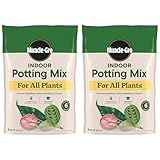 Miracle-Gro Indoor Potting Mix for All Plants, 6 qt., 2-Pack
- Miracle-Gro Indoor Potting Mix for All Plants feeds houseplants for up to 6 months and grows healthier, more resilient plants (vs unfed when used as directed)
- This potting mix contains sphagnum peat moss, coconut coir, and perlite to help with water retention and release so indoor plants can flourish, and does not contain compost or bark, which are known to shelter fungus gnats
- Blended potting soil for a wide variety of indoor container plants, including herbs, climbing, foliage, and flowering plants
- Simply add this ready-to-use indoor soil to containers following label directions - no mixing or blending needed
- Bundle comes with 2 bags of Miracle-Gro Indoor Potting Mix for All Plants; each 6 qt. bags fills four 6-inch containers (exact amounts may vary depending on the size of the root ball)
-
Fiddle-leaf fig (Ficus lyrata)
Light: Bright, filtered or indirect light; consistency is preferable to frequent relocation. Water: Water thoroughly once the mix has partly dried, then drain completely. Best for: Bright rooms and dramatic violin-shaped leaves. Pet note: Ingestion can cause mild gastrointestinal irritation; do not describe it as pet-safe.
-
Monstera (Monstera deliciosa)
Light: Bright indirect light; gentle morning sun may be tolerated after acclimation. Water: Let the upper layer dry, then water thoroughly and drain. Best for: Large-leaf tropical style. Mature leaves develop the characteristic splits and holes. Pet note: Also called ceriman in toxicity references; keep it away from chewing pets.
-
Chinese evergreen (Aglaonema spp.)
Light: Moderate indirect; darker green cultivars generally tolerate less light than highly variegated ones. Water: Let the upper layer dry and avoid cold drafts and soggy roots. Best for: Patterned foliage in low-to-moderate-light rooms. Pet note: Keep away from pets that chew and verify the species or cultivar.
Recommended: Crashes or Glitches? A Free Driver Scan Usually Finds the Culprit →Recommended: Fix Windows Errors and Clear Junk Files in Minutes - Free Scan →Recommended: Update Every Outdated Driver on Your PC in One Scan - Free →Special offer. See more information about Outbyte and uninstall instructions. Please review EULA and Privacy policy. -
Peace lily (Spathiphyllum spp.)
Light: Moderate to bright indirect; better light generally improves flowering. Water: Keep the mix evenly but not constantly wet, and do not allow prolonged wilting. Best for: White flower-like spathes and deep green foliage. Pet note: Not a pet-safe recommendation for households with chewing cats or dogs.
Compact plants and patterned foliage
-
Chinese money plant (Pilea peperomioides)
Light: Bright indirect, with occasional rotation for balanced growth. Water: Let part of the mix dry. Best for: Bright windowsills, tabletops, and modern interiors where round leaves and a small footprint work well. Pet note: Verify the species before using a pet-safe label.
-
Baby rubber plant (Peperomia obtusifolia)
Light: Bright indirect to moderate. Water: Let the mix dry partly; overwatering is usually more dangerous than brief dryness. Best for: Desks and compact spaces that suit thick, glossy leaves. Pet note: American rubber plant, another name for baby rubber plant, is listed by the ASPCA as non-toxic to cats.
-
Prayer plant (Maranta leuconeura)
Light: Medium to bright indirect; avoid harsh direct sun. Water: Keep lightly and evenly moist with good drainage. Best for: Warm, humid rooms and colorful veined foliage that moves through the day. Pet note: Listed by the ASPCA among non-toxic plants for cats; verify the exact species.
Do these 3 things before closing this tab:
1Fix the driver behind crashes, sound loss and screen glitches2Clear out junk files and repair common Windows errors3Scan for outdated or missing drivers - takes under a minuteSpecial offer. See more information about Outbyte and uninstall instructions. Please review EULA and Privacy policy. -
Calathea (Goeppertia spp., often sold as Calathea)
Light: Medium to bright indirect. Water: Do not let the root ball become bone dry, but never leave it standing in water. Best for: Humid rooms and experienced owners who enjoy intricate leaf patterns. Pet note: Check the exact species before describing it as safe.
Rank #3
 Miracle-Gro Houseplant Potting Mix, 4 qt.
- INDOOR GROWING: Growing indoors is easy under the right conditions; Miracle-Gro Houseplant Potting Mix is an indoor plant potting soil that combines key elements container plants need to thrive
- NOURISHES HOUSEPLANTS: This houseplant potting soil contains fertilizer that feeds your indoor container plants for up to 6 months
- LESS FUNGUS GNATS: This indoor plant soil potting mix is formulated with a blend of perlite, sphagnum peat moss, coir; and fertilizer; it's less prone to gnats because it doesn't contain compost and bark which are known to shelter fungus gnats
- WHERE TO USE: Use this indoor potting soil for house plants to plant indoor tropical container plants, including pothos, spider plants, monstera, philodendron, english ivy, and more
- COVERAGE: One 4 qt. bag of Miracle-Gro Houseplant Potting Mix fills one 8-inch container; amounts may vary based on the size of the root ball
-
Nerve plant (Fittonia albivenis)
Light: Moderate to bright indirect; harsh sun can scorch it. Water: Keep the mix from drying completely without waterlogging it. Best for: Terrariums, well-lit bathrooms, and small shelves. Pet note: Verify the exact plant in a reputable toxicity database.
-
Boston fern (Nephrolepis exaltata)
Light: Bright indirect; avoid hot direct sun. Water: Keep the soil evenly moist and provide humidity. Best for: Humid rooms and hanging baskets with soft, arching fronds. Pet note: Identify the exact fern before making a pet-safety claim.
-
Maidenhair fern (Adiantum spp.)
Light: Bright indirect. Water: Maintain consistent moisture without leaving the pot in water. Best for: Attentive owners who want delicate, airy fronds. Pet note: Verify the exact species. Caution: It is less forgiving than many beginner plants; drying, low humidity, and hot drafts can quickly damage it.
Special offer. See more information about Outbyte and uninstall instructions. Please review EULA and Privacy policy.
Flowering indoor plants
-
African violet (Streptocarpus ionanthus, often sold as Saintpaulia)
Light: Bright indirect; supplemental lighting can help support flowering in dim homes. Water: Keep the mix moderately and evenly moist, avoiding wet crowns and waterlogged roots. Best for: Small desks and windowsills that need repeat color. Pet note: Listed by the ASPCA as non-toxic to cats.
-
Moth orchid (Phalaenopsis hybrids)
Light: Bright indirect; protect leaves from intense midday sun. Water: Water when the growing medium is approaching dryness, then drain fully. Never leave the roots submerged. Best for: Elegant, long-lasting flowers in a bright room. Pet note: Check the exact orchid species or hybrid.
-
Christmas cactus (Schlumbergera hybrids)
Light: Bright indirect. Seasonal day length and conditions help trigger flowering; Christmas and Thanksgiving cacti are short-day indoor plants. Water: Let the upper layer dry somewhat, but do not treat it like a desert cactus. Best for: Seasonal flowers and a gently trailing form. Pet note: Listed by the ASPCA as non-toxic to cats.
Quick wins for a faster PC:
Clear out junk files and repair common Windows errorsFree Scan →Fix the driver behind crashes, sound loss and screen glitchesFind Drivers →Special offer. See more information about Outbyte and uninstall instructions. Please review EULA and Privacy policy. -
Bromeliad (Guzmania or Neoregelia hybrids)
Light: Bright indirect; strong direct sun can scorch the foliage. Water: Follow the particular genus. Many form a central rosette, but stagnant water and poor air circulation can cause problems. Best for: Colorful architectural foliage and vivid bracts. Pet note: Verify the exact genus and cultivar.
Rank #4
Sale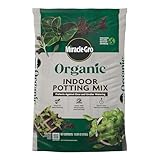 Miracle-Gro Organic Indoor Potting Mix, 16 qt.
- HELPS REGULATE SOIL MOISTURE: Miracle-Gro Organic Indoor Potting Soil Mix is an organic potting soil that protects indoor plants against over and under watering
- INDOOR PLANT SOIL: This organic container mix for indoor gardening is made with responsibly sourced sphagnum peat moss (one hundred percent of peat sourced from certified producers), coir, and quick-start natural fertilizer
- WHERE TO USE: Use this indoor potting soil mix with all types of indoor container plants, including houseplants and herbs; also great for seed starting
- HOW TO USE: To plant seeds, fill container with organic soil for indoor plants, follow seed package directions and water; to use with transplants, partially fill container, place plant after loosening root ball, cover with more mix pressing lightly, water thoroughly and let drain
- COVERAGE: One 16 qt. bag of Miracle-Gro Organic Indoor Potting Mix fills one 12-inch container with potting soil for indoor plants (amounts may vary based on the size of the root ball)
-
Anthurium (Anthurium andraeanum hybrids)
Light: Bright indirect. Water: Keep the mix lightly moist but well drained. Best for: Glossy leaves and heart-shaped colorful spathes. Pet note: Keep it away from chewing pets unless the exact plant has been checked.
Succulents and bright-light statement plants
-
Jade plant (Crassula ovata)
Light: Bright light, including some direct sun after gradual acclimation. Water: Let the mix dry thoroughly. Best for: Sunny windows, bright offices, and a tree-like drought-tolerant form. Pet note: Jade exposure can cause gastrointestinal irritation and sometimes more serious signs in pets; keep it inaccessible.
-
Aloe vera (Aloe vera)
Light: Bright light; acclimate gradually to strong direct sun. Water: Allow the mix to dry thoroughly before watering. Best for: Bright windows and compact, upright succulent form. Pet note: Check the current toxicity listing. Traditional topical uses do not make ingestion safe.
Recommended Free Tools
Special offer. See more information about Outbyte and uninstall instructions. Please review EULA and Privacy policy. -
Haworthia (Haworthiopsis or Haworthia spp.)
Light: Bright indirect to bright filtered light. Water: Allow the soil to dry thoroughly. Best for: Small sunny shelves and compact rosette collections. Pet note: Check the exact species before using a pet-safety label.
-
Echeveria (Echeveria spp.)
Light: Bright light, often including several hours of direct sun after acclimation. Water: Water deeply but infrequently, allowing the medium to dry completely or nearly completely. Best for: Decorative geometric rosettes. Pet note: Verify the exact species. Caution: A dim room usually requires supplemental lighting to prevent stretched growth.
-
Ponytail palm (Beaucarnea recurvata)
Light: Bright light, including some direct sun. Water: Let the mix dry well between waterings. Best for: A sculptural, drought-tolerant specimen with a swollen trunk and arching leaves. Pet note: Listed by the ASPCA’s cat resources among non-toxic plants; do not confuse it with unrelated palms.
-
Bird of paradise (Strelitzia reginae)
Light: Bright light; strong indoor growth requires a bright position. Water: Water when the upper layer dries, giving more attention during active growth while maintaining drainage. Best for: Large rooms and dramatic paddle-shaped leaves. Pet note: Verify the exact species before calling it safe.
Windows Errors? Fix Them Before They Spread
Repair common Windows errors and clear accumulated junk for a smoother, more stable PC - no reinstall needed.Free scan · no reinstallOutdated Drivers Are Slowing You Down
One free scan finds every outdated or missing driver and matches the right update for your exact hardware.Free scan · exact hardware matchSpecial offer. See more information about Outbyte and uninstall instructions. Please review EULA and Privacy policy.
Best indoor plants for homes with pets
If cats or dogs can reach the pots, begin with plants identified by a reputable toxicity database rather than relying on a retailer’s “pet-friendly” label. Common options to investigate include spider plant, baby rubber plant, African violet, prayer plant, parlor palm, and Christmas cactus. Cast-iron plant and ponytail palm are also listed in ASPCA resources as non-toxic options for certain pets.
Best Value

- OUTDOOR POTTING SOIL: Miracle-Gro Organic Outdoor Potting Mix contains a quick-release natural plant fertilizer and also feeds plants for up to 2 months
- PEAT MOSS: This organic potting soil mix is made with responsibly sourced peat (one hundred percent of peat sourced from certified producers)
- OUTDOOR CONTAINER USE: Use this organic potting mix with all types of outdoor container plants, including flowers, vegetables, herbs, annuals, and perennials
- HOW TO USE: To plant in pots, fill the container partially full with this potting soil for outdoor plants, place the plant in the pot after loosening the root ball, cover with more mix and water thoroughly
- COVERAGE: One 16 qt. bag of Miracle-Gro Organic Outdoor Potting Mix fills one 12-inch pot with garden soil for containers (amounts may vary based on the size of the root ball)
“Non-toxic” does not mean edible. Any plant material may cause gastrointestinal upset, and individual animals can react differently. Keep plants out of reach when possible, retain the scientific name and cultivar information, and contact a veterinarian or animal poison service promptly if a pet eats an unidentified plant.
What to buy before your first plant
For a new collection, prioritize the basics rather than decorative accessories:
- Drainage pots and saucers: The container should have a drainage route, and the saucer should be emptied after watering.
- Houseplant potting mix: Use a quality indoor mix as a starting point, but choose a more specialized, fast-draining medium for orchids, cacti, and succulents.
- Moisture-checking tool: A plant moisture meter can help beginners compare the moisture level in different pots, but it does not replace checking the soil, drainage, and plant condition.
- Supplemental light: In a genuinely dim room, a full-spectrum grow light can provide the missing resource. Follow the fixture’s distance and timing instructions; one lamp is not automatically suitable for every plant.
- Clean snips: Small pruning shears for houseplants are useful for removing dead leaves, spent flowers, and small damaged sections. Clean the blades between plants when disease or pests are suspected.
When repotting, avoid compacted or permanently wet mix. A succulent may need a faster-draining blend than a prayer plant, while an orchid’s roots need an orchid-appropriate medium rather than ordinary garden soil.
What’s actually slowing this PC down?
Pick the symptom - the matching free tool is one click away.
Troubleshooting common indoor-plant problems
| Symptom | Likely causes | What to do |
|---|---|---|
| Long, weak stems or pale new growth | Insufficient light | Move the plant closer to a suitable window, rotate it periodically, or add supplemental lighting. Do not describe a windowless room as suitable without a grow light. |
| Yellow leaves and wet mix | Overwatering, poor drainage, or a pot left in standing water | Check the drainage hole and roots, let the appropriate portion of the mix dry, and adjust the watering interval. Do not water automatically because a calendar says it is time. |
| Crispy edges or sudden wilting | Severe drying, hot sun, drafts, or low humidity | Check soil moisture and the plant’s location. Increase humidity only when appropriate; do not compensate for saturated roots by adding more humidity. |
| Leaf scorch | Sudden exposure to intense direct sun or heat | Move the plant to filtered or indirect light and acclimate gradually if increasing sun exposure. |
| Sticky leaves, specks, webbing, or clusters on stems | Insect or mite pests | Isolate the plant, inspect nearby plants, identify the pest, and follow a suitable treatment. Remove badly damaged material with clean snips. |
| Damage after moving the plant | Sudden change in light, temperature, humidity, or draft exposure | Make changes gradually where possible and give the plant time to adjust before moving it again. |
Choose the plant after assessing the room, not before. A snake plant or cast-iron plant may be the right answer for a dim corner; an echeveria, jade, or bird of paradise belongs in a much brighter position. If the natural light does not match the plant’s needs, change the location or add supplemental light rather than trying to solve every problem with more water.
Frequently Asked Questions
Can indoor plants live in a room with no windows?
No. Every plant needs light for photosynthesis. A low-light plant may tolerate a room farther from a window, but a completely windowless room needs supplemental lighting for meaningful growth.
How often should indoor plants be watered?
Check the soil and the plant’s needs rather than following a fixed calendar. Many foliage plants can be watered when the upper layer dries; succulents and cacti need the mix to dry much more thoroughly, while ferns and some tropical plants prefer more even moisture.
Which indoor plants are safer for cats and dogs?
Spider plant, baby rubber plant, African violet, prayer plant, parlor palm, and Christmas cactus are among the options commonly listed as non-toxic by the ASPCA. Confirm the exact scientific name because common names and cultivars can be confusing, and non-toxic does not mean edible.
The Tool Desk
Outbyte PC Repair FREERepair Windows errors before they cause bigger problemsFix Now →Outbyte Driver Updater FREEScan for outdated or missing drivers - takes under a minuteDriver Scan →Are low-light plants genuinely easy to grow?
Not necessarily. Plants listed as low-light tolerant still need some light, and growth is usually slower in dim conditions. If a plant becomes leggy or pale, move it nearer a suitable window or use a properly positioned grow light.
The Bottom Line
Bottom line: Match light first, watering habits second, and pet restrictions third. For an easy start, choose a spider plant, cast-iron plant, parlor palm, peperomia, or snake plant according to the room; reserve flowering plants and succulents for locations that provide the specific light and moisture conditions they require.
Quick Recap
Product prices and availability are accurate as of the date/time indicated and are subject to change. Any price and availability information displayed on Amazon at the time of purchase will apply.




