What’s actually slowing this PC down?
Pick the symptom - the matching free tool is one click away.
Desert landscaping can be colorful, comfortable, and practical without turning the entire yard into a field of rock. Start with how you want to use the space, then choose plants, irrigation, and hardscape that suit your local climate, sun, soil, and temperature range. The sixteen ideas below are adaptable design concepts—not a universal planting list.
Plan the yard before choosing plants
Map the existing yard and the activities it needs to support: sitting, entertaining, play, gardening, wildlife, and service access. Mark sunny and shaded areas, note where water flows after rain, and decide which areas will be paved, planted, or left open. The University of Arizona Cooperative Extension’s xeriscape guidance puts planning first, then recommends appropriate plant selection and placement, limited lawn, efficient irrigation, soil amendments where needed, mulch, and maintenance. Read the University of Arizona’s water-wise landscape design guidance.
As an Amazon Associate I earn from qualifying purchases.
“Desert landscaping” does not mean one particular look. A Colorado garden center cautions that xeriscaping is not simply removing turf, minimizing irrigation, planting only native species, or covering soil with weed fabric and rock. That is a useful design caution, not a planting guide for other regions. Creek Side Gardens’ Colorado Smart Gardening article explains the distinction.
Free tools Windows power users keep installed
One-click scans. No signup required.
16 desert landscaping ideas
1. Create outdoor rooms
Divide the yard into useful areas before laying out plants: perhaps a patio for meals, a play space, a wildlife planting pocket, and a screened service area. Use paths, changes in surface, or planting beds to give each zone a clear edge without making the yard feel chopped up.
#1 Best Overall

- Natural & Reusable Coarse Sand: Our river sand in 1-2mm sizes, made of durable natural silica with no dyes or artificial additives. Washes clean without fading, perfect for long-term use in potting, crafts, and decor.
- Enhances Aeration & Moisture Balance: When mixed with potting soil (1:3 ratio), this garden sand improves drainage while helping retain moisture and nutrients around roots. Stabilizes newly potted plants and prevents soil compaction. Ideal for succulents, cacti, and container gardening.
- Decorative & Splash-Proof: This natural golden sand mulch enhances potted plants' appearance while preventing soil spillage. The desert-inspired texture elevates planters' visual appeal, complementing both modern and rustic decor styles.
- Aquarium Substrate & Natural Filter: This aquarium sand forms a stable base where fish waste settles without clouding water. Rinsed and odor-free, it helps maintain cleaner freshwater tanks. Great for freshwater tanks.
- Multi-Purpose: This horticultural sand is ideal for desert aquascaping, reptile substrates, fire pits, pathway edging, indoor and outdoor decor. Note: Rinse 2-3 times to enhance natural color - transit dust will wash away.
2. Build an entry focal point
Give the approach to the home a memorable feature, such as a locally suitable specimen plant, a sculptural form, or a small grouping of stones and plants. Leave room for mature growth and keep entrances, windows, and walkways accessible. Check a plant’s local suitability before buying it.
3. Group plants by water need
Arrange plants with similar watering needs together, and keep those groups on separate irrigation zones when their needs differ. This makes it easier to water a seating-area planting more regularly without giving the same schedule to a drier bed. The University of Arizona recommends matching plant groupings and irrigation zones to water needs in its xeriscape design guidance.
4. Keep only a useful lawn
If your household uses grass for play or another activity, make it a deliberate, manageable shape sized for that purpose. A small lawn can sit within a broader water-wise design; turf need not occupy every open area by default.
Do these 3 things before closing this tab:
1Fix the driver behind crashes, sound loss and screen glitches2Clear out junk files and repair common Windows errors3Scan for outdated or missing drivers - takes under a minute5. Make the patio the central outdoor room
Size and position a patio around how you will use it—dining, conversation, or quiet seating—then connect it to planted beds and paths. Planning around real activities helps keep hardscape useful rather than adding paved area without a purpose.
Rank #2

- 【10 lbs Pebbles】The size is about 3/8 inch. Total weight of a bag: 10 pounds. The mixed color gravels contains 5 colors: white, red, yellow, gray and apple green. Perfect size for succulent and cactus, as well as any vase or fish tank
- 【Pea Gravels】FANTIAN pea gravels are natural with no polish or coating and no added fillers, dyes, oils, or substances. The color won't fade away through time and it is completely safe to use around succulent plant, fish tank and outdoor.
- 【Decorative Rocks】Perfect for home decor projects, such as floral arrangements, vases, bowls, glass hurricane candle holders, cactus, bamboo plants and DIY for crafts. You can also use rocks for outdoor landscaping, bird fountain, outdoor patio pavers and soil toppers for plants in flower beds
- 【Top Dressing & Bottom Drainage】Pea gravels can be used on top of plants to decorate succulents and to keep soil from flying everywhere when watering. Used at the bottom, they provide good drainage and prevent root rot and overwatering
- 【Precautions】Gravels are crushed and polished with large pieces of stone and the stone some powder on surface. Before you use it, please make sure to wash it with water 2-3 times
6. Add a gravel or stone path
A path can guide circulation and create contrast between planted areas. Choose a route that connects destinations, and include planting and soil care elsewhere in the yard. Rock can be one material in a water-wise landscape, but a rock-covered yard alone is not a complete design approach.
7. Use boulders as accents
A few well-scaled boulders can add structure and anchor a bed. Set them among plants rather than using exposed stone as the only feature, and consider how their placement affects walking routes, planting space, and maintenance access.
8. Soften hardscape with groundcovers
Regionally suitable groundcovers can break up paved edges and rock mulch, adding a softer transition between surfaces. The University of Arizona describes groundcovers as a way to soften rock mulch and hard surfaces in its overview of xeriscape benefits.
The Tool Desk
Outbyte Driver Updater FREEScan for outdated or missing drivers - takes under a minuteDriver Scan →Outbyte PC Repair FREERepair Windows errors before they cause bigger problemsFix Now →9. Add a shaded sitting area
Place seating where shade will make it more comfortable at the times you expect to use it. Depending on the site, shade might come from a suitable tree or a built structure. Consider mature tree size, existing sun exposure, and how the shade will affect nearby planting.
Rank #3

- Type of Rock - Red Sandstone
- Quantity – 18 lbs
- Rock Size – Typically between 2” and 5” inches in size.
- Order Size – Approximately 1/3 cubic feet total or half of a 5-gallon bucket.
- Description – Red Sandstone that looks great both wet or dry, and contrasts well with desert style plants as well as Aquariums and Terrariums.
10. Define a patio or entry with containers
A grouping of containers can add color and mark the edge of a patio or doorway without changing the whole bed layout. Choose plants and a watering arrangement for the actual heat and exposure: containers may need different attention from plants in the ground, so account for them in your watering plan.
11. Make a pollinator planting pocket
Set aside a bed for plants that support pollinators, choosing species suited to your region and site conditions. Ask a local extension service or native-plant resource for recommendations rather than assuming that a plant labeled “desert” will suit every desert climate.
12. Direct rainwater toward planting areas
Where the property and local rules allow, use roof runoff or subtle contouring to direct rainwater toward planted areas. The University of Arizona’s RainScapes guidance combines plant choices with active storage, such as tanks, or passive contouring. The amount of supplemental watering this can replace depends on rainfall, plant choices, and the property. See the University of Arizona’s RainScapes guidance.
13. Create an oasis zone near the home
Place plants that need more regular water near a patio or other frequently used area, and plan their irrigation separately from drier parts of the yard. This creates a lush-feeling pocket without applying its watering schedule across the entire landscape.
Rank #4

- Natural & Reusable Coarse Sand: Our river sand in 1-2mm sizes, made of durable natural silica with no dyes or artificial additives. Washes clean without fading, perfect for long-term use in potting, crafts, and decor.
- Enhances Aeration & Moisture Balance: When mixed with potting soil (1:3 ratio), this garden sand improves drainage while helping retain moisture and nutrients around roots. Stabilizes newly potted plants and prevents soil compaction. Ideal for succulents, cacti, and container gardening.
- Decorative & Splash-Proof: This natural golden sand mulch enhances potted plants' appearance while preventing soil spillage. The desert-inspired texture elevates planters' visual appeal, complementing both modern and rustic decor styles.
- Aquarium Substrate & Natural Filter: This aquarium sand forms a stable base where fish waste settles without clouding water. Rinsed and odor-free, it helps maintain cleaner freshwater tanks. Great for freshwater tanks.
- Multi-Purpose: This horticultural sand is ideal for desert aquascaping, reptile substrates, fire pits, pathway edging, indoor and outdoor decor. Note: Rinse 2-3 times to enhance natural color - transit dust will wash away.
14. Design a transition between wetter and drier areas
Use a gradual planting transition between regularly watered beds and areas that rely more heavily on rainfall. Choose plants whose water needs fit each zone, then group and irrigate them accordingly instead of mixing very different needs on a single schedule.
15. Mulch planted beds
The University of Arizona recommends a 2–4 inch top-dressing of gravel or woodchips to help reduce evaporation, suppress weeds, and keep soil cool. Follow local, plant-specific guidance when choosing mulch and its depth. The full design publication explains mulch as one part of a broader landscape plan.
16. Install or tune drip irrigation
Drip irrigation applies water slowly through emitters and can reduce runoff and evaporation when properly designed and maintained. It is a useful option for landscape beds, but the layout and schedule still need to reflect the plants, soil, exposure, and zone. The University of Arizona explains the system and its components in The Basics of Drip Irrigation for Landscaping.
PC Slower Than It Used to Be?
A free scan shows the junk files, broken settings and background clutter dragging Windows down - then fixes them in one click.Free scan · Windows 10 & 11Outdated Drivers Are Slowing You Down
One free scan finds every outdated or missing driver and matches the right update for your exact hardware.Free scan · exact hardware matchChoose plants for your actual climate
There is no single plant list for every desert yard. Heat, cold, elevation, sun exposure, soil, and local water conditions all affect what will thrive. Use regional extension or native-plant guidance to check a plant’s mature size, temperature tolerance, and water needs before building a bed around it. For example, the University of Arizona’s recommended-plant list is specifically for Sierra Vista; it should not be treated as a universal Arizona or desert-wide list. See the Sierra Vista plant recommendations and watering needs.
Best Value
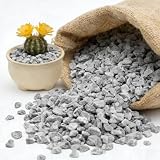
- [Fine 1/8" Size (About 4-6 mm)]: Mini pebbles spread evenly for a clean finish in fish tanks, terrariums and small planters. Natural stones may vary slightly in size and shape
- [Aquarium Gravel for Fish Tank Decor]: Ideal for aquarium decor and fish tank gravel use. Rinse thoroughly before use to remove transit dust and help keep water clearer
- [Drainage Rocks for Potted Plants]: Use as a bottom layer or mix into potting soil to improve drainage and airflow—great for succulents and cactus care
- [Top Dressing for a Neat Look]: Use on top of soil to reduce splashing and keep pots tidy. Perfect for indoor plants, small planters and terrarium supplies
- [Versatile Decorative Use]: Works well for vases and vase filler, DIY crafts, tabletop decor and garden accents. Choose 3lb/6lb/12lb based on your project size
Newly planted, low-water landscapes still need establishment care. Watering requirements can change as plants establish, and efficient irrigation is not the same as setting a system once and ignoring it. Check plants and emitters, and adjust watering to actual site conditions.
Match soil work and maintenance to the planting
Do not assume every desert-adapted planting needs amended soil or fertilizer. The University of Arizona notes that desert-adapted plants may not need amendments or fertilizer, while turf, vegetables, and annuals may need amendments as appropriate. Base soil work on the plants and site rather than applying it uniformly. Keep access for pruning, irrigation checks, and other routine care in the plan; maintenance is one of the university’s seven xeriscape principles.
A practical order for putting the design together
- Map uses and conditions. Mark activity areas, sun and shade, existing plants, access routes, and the way rain moves through the yard.
- Choose the hardscape and planted zones. Decide where patios, paths, lawn, and beds will go before choosing individual plants.
- Verify plants locally. Check regional suitability, mature size, water needs, and heat and cold tolerance with a local extension or native-plant resource.
- Group by water need. Keep plants with similar needs together and plan separate irrigation zones where schedules differ.
- Build in soil care, mulch, and maintenance. Amend soil only where appropriate, select mulch for the plants, and leave practical access for ongoing care.
- Install and adjust irrigation. Use an appropriate system for each zone, then inspect and tune it as plants establish and site conditions become clear.
There is no reliable universal water-savings percentage for an unspecified yard: results depend on location, existing conditions, plant choices, irrigation, and upkeep. Design for the site rather than relying on a single headline number.
Recommended Free Tools
Quick Recap
Product prices and availability are accurate as of the date/time indicated and are subject to change. Any price and availability information displayed on Amazon at the time of purchase will apply.

