Some links on this page are affiliate links: if you buy through them we may earn a commission, at no extra cost to you.
A successful backyard garden starts with a plan built around what you want to grow, the conditions on your property, and the time you can give it. Before buying plants or building beds, check sunlight, drainage, water access, soil, and local planting guidance. These 13 steps will help you shape a practical garden for vegetables, flowers, pollinators, or a mix.
1. Decide what you want the garden to do
Choose the garden’s main purpose before deciding on its layout. A vegetable garden needs room for crops and convenient harvesting; a pollinator garden prioritizes flowers that bloom over a long season; a mixed garden can combine both. The USDA National Agricultural Library’s gardening resources cover the full cycle, from planning and site selection to planting, maintenance, and harvesting.
As an Amazon Associate I earn from qualifying purchases.
Do these 3 things before closing this tab:
1Fix the driver behind crashes, sound loss and screen glitches2Clear out junk files and repair common Windows errors3Scan for outdated or missing drivers - takes under a minute2. Map sunlight before placing beds
Observe the planned garden area at different times of day. Note which spots receive direct sun, which are shaded, and whether nearby buildings, fences, or trees cast shadows. An older USDA NRCS vegetable-gardening guide uses at least six hours of direct sunlight as a general site benchmark; it is guidance, not a universal threshold for every plant. Match each crop or flower to its own light needs.
3. Check drainage and moisture
After rain or watering, look for areas where water pools, soil stays soggy, or the ground dries quickly. These conditions can vary across a small yard and affect which plants will thrive. The USDA NRCS Pollinator Gardens Design Guide distinguishes dry, wet, moist, and partly shaded conditions when considering plant choices.
#1 Best Overall

- Large capacity: Provide enough growth space for deep-rooted plants like potatoes, tomatoes, broccoli, etc. Tall enough to keep pets away from the garden planter and give you easy access!
- Stable and Solid Construction: Double card frames on the two sides of the sheet make the raised garden kits more durable and stable, and 4 reinforcing rods make the whole raised garden bed more stable. Never worry about its distortion or collapse and it presents a much more beautiful design.
- Open bottom: Sits on the ground garden bed, provide good drainage, keep weeds away from soil, defense against pests, and protect your plants. An open base design supports soil drainage, It is more conducive to the healthy growth of plants and balances soil moisture. Planter raised beds will be the best choice for your garden planting.
- Environment-Friendly: Built with an open bottom so it keeps the plants away from root rotting and water built up.
- Easy to assemble: We come with nuts, bolts, washers and instructions so that you can easily assemble without any experience.
4. Put the garden within easy reach of water
Choose a location that a hose can reach without awkward routing, and leave access for routine care. The USDA NRCS vegetable site-selection guidance recommends convenient access and proximity to a water supply. If reaching the garden is inconvenient, watering and harvesting are more likely to become chores you put off.
5. Test soil before adding amendments
A soil test can help identify pH and nutrient conditions and guide whether lime, fertilizer, or other amendments are appropriate. Avoid applying a generic fertilizer recipe: the right choice depends on the soil and what you plan to grow. Check your local Extension service for soil-testing instructions and interpretation. The University of Minnesota Extension explains soil testing for lawns and gardens and fertilizing vegetables.
Windows Errors? Fix Them Before They Spread
Repair common Windows errors and clear accumulated junk for a smoother, more stable PC - no reinstall needed.Free scan · no reinstallCrashes, No Sound, or Screen Glitches?
Random freezes, missing sound and display glitches usually trace back to one bad driver. Find and replace yours safely.Free scan · under a minuteRank #2
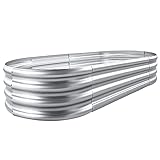
- Each raised metal garden bed size: 4×2×1ft ,7.14Cu
- Upgraded quality and structure: raised garden beds outdoor are made of Q195 galvanized metal sheet, double-layer anti-corrosion galvanizing and oval structure design, which is more beautiful, can withstand greater pressure at the interface, is not easy to loose, and the interface will not Deformed and can be reused for many years.
- Easy to set up, this galvanized stock tank only takes about 5 minutes to easily assemble and continue planting plants.
- Open base: This planter raised garden bed metal galvanized is designed with an open base, which can effectively avoid water accumulation and decay, protect the roots of plants, and allow the roots to better absorb nutrients
- Double thickness: The average thickness of this galvanized planter galvanized sheet reaches 0.78mm, and the thickest part can reach 1.56mm, which is extremely stable. Compared with the ordinary rectangular elevated garden bed with a thickness of 0.3mm, it will be the right choice for you. buy it! ! !
6. Choose in-ground beds, raised beds, or containers for the site
There is no single best garden format. Use the space, ground conditions, access needs, and water setup to decide whether to plant in the ground, build raised beds, or grow in containers. Raised beds and containers can help when existing ground or available space is a constraint. The USDA National Agricultural Library’s gardening collection includes resources on both approaches.
7. Choose plants suited to your region
Use local growing advice to select varieties and planting methods that suit your climate. The USDA Plant Hardiness Zone Map can help describe winter cold conditions, but a hardiness zone does not provide all the crop-specific guidance needed to choose planting dates or varieties. Consult your local Extension service for recommendations for your area.
Rank #3

- Large space: 96'(L) x 48 "(W) x 24" (H) metal raised garden bed will provide enough space to grow various vegetables, fruits, flowers.
- Durable material: Outdoor planter box is made of stable thickened galvanized metal, corner and frame are reinforced, strong resistance to high temperature and corrosion, can be uesd for a long time.
- Safety and environmental protection: All parts raised garden beds outdoor of are made of environmentally friendly materials, environmentally friendly coating will not pollute the soil, and it is safer for people and plants.
- Open bottom: Sits on the ground raised beds, provides good drainage, allow the roots get the nutrients to keep moist, make the plants grow better.
- Easy assembly: Without complex professional experience, only need about 15 minutes and you can get your raised bed.
8. Set planting dates by crop and conditions
Planting time depends on your region, the crop’s cold tolerance, and soil conditions—not just the calendar. Soil temperature can matter for successful germination and growth; a soil thermometer can help you check it. The University of Minnesota Extension’s vegetable-garden planting guide is regional, so readers elsewhere should use their own local Extension recommendations and weather forecasts rather than applying Minnesota dates to another area.
9. Keep the garden size manageable
Plan for the time you can realistically spend planting, watering, weeding, and harvesting. Leave pathways wide enough for comfortable access and avoid planting more than you can tend or use. The USDA NRCS vegetable site-selection guide treats convenient access as part of garden planning; a layout that is easy to reach can make regular care more practical.
Rank #4
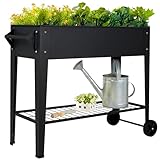
- MOBILE GARDEN ON WHEELS — Two all-terrain wheels and an ergonomic handle let you roll a 200+ lb planted bed wherever sunlight goes. Move your garden across patio, balcony, or backyard in minutes.
- DRAINAGE FOR CONTAINER GROWING — Built-in drainage openings and bottom channels help excess water leave the planting area.
- 31.6" STANDING HEIGHT — Garden without kneeling or back strain. Five drainage holes and dual cross-channels prevent waterlogging, keeping roots healthy during heavy rain.
- GROW VEGETABLES AND HERBS — Ideal raised bed for tomatoes, herbs, flowers, and greens on patios, balconies, decks, and backyards. Detachable bottom shelf stores tools and supplies.
- ASSEMBLY AND OUTDOOR CARE — Hardware and assembly instructions are included. Protect scratches in the surface coating promptly and follow the care instructions to reduce corrosion during outdoor use.
10. Build watering into the layout
Where useful, plan for water to reach the root zone through a soaker hose or drip irrigation rather than relying only on overhead watering. University of Minnesota Extension advises watering deeply but less often and early enough for leaves to dry; how often to water still depends on weather, soil, and plant needs. See its guidance on watering a vegetable garden and USDA Agricultural Research Service information on using irrigation efficiently.
11. Use mulch and compost for a reason
Organic mulch can help conserve soil moisture, while compost can improve soil water-holding capacity. Decide what to add based on your soil test and the garden’s needs rather than treating amendments as a one-size-fits-all fix. University of Minnesota Extension explains maintaining soil quality and organic matter and watering a vegetable garden.
12. Make room for pollinators
For a pollinator-friendly garden, select plants suited to your region and arrange them so flowers are available across the growing season. Grouping the same species can make flowers easier for pollinators to find; NRCS advises, “Cluster plants of the same species together for efficient foraging.” If space allows, leave some bare soil for ground-nesting bees, and avoid insecticides. See the USDA NRCS Pollinator Gardens Design Guide and NRCS Plants for Pollinators in the Northeast Region for guidance; the latter is specific to the Northeast, not a universal plant list.
13. Leave room to learn and adjust
Keep a simple record of what you planted, where it went, and when. Note which areas stayed wet or dry, what produced well, and which tasks were difficult to fit in. Use those observations to adjust next season’s layout, plant choices, or garden size; there is no single required recordkeeping method.
What’s actually slowing this PC down?
Pick the symptom - the matching free tool is one click away.
Quick Recap
Product prices and availability are accurate as of the date/time indicated and are subject to change. Any price and availability information displayed on Amazon at the time of purchase will apply.

