The most effective natural spider control is not trying to make a home completely spider-free. Spiders are beneficial predators, and occasional indoor sightings usually do not require treatment. A better goal is to reduce encounters by removing webs and egg sacs, sealing entry points, reducing hiding places and insect prey, and monitoring activity before considering professional help.
The steps below follow that order: physical removal first, then exclusion and habitat changes, with plant-based repellents treated only as optional, lower-confidence experiments.
As an Amazon Associate I earn from qualifying purchases.
1. Decide whether control is necessary
One spider in a basement or an occasional garden spider near a porch is not automatically a pest problem. Spiders eat flies, mosquitoes, moths, and other insects, so eliminating every spider would also remove a useful predator.
Do these 3 things before closing this tab:
1Scan for outdated or missing drivers - takes under a minute2Clear out junk files and repair common Windows errors3Fix the driver behind crashes, sound loss and screen glitchesSet a practical action threshold before you escalate. Repeated sightings in living areas, substantial webbing, recurring egg sacs, or evidence of a medically important species are reasonable reasons to act. The realistic objective is fewer spiders and fewer encounters, not a guaranteed spider-free building.
#1 Best Overall

- EFFECTIVE SPIDER CONTROL: Captures dangerous spiders including black widow, brown recluse, and hobo spiders with specialized glue boards that provide reliable insect trap performance
- VERSATILE DESIGN: Use flat for maximum catch area or fold into concealed box design to keep trapped bugs out of sight while maintaining effective roach traps indoor and spider traps indoor performance
- EASY TO USE: Position bug traps sticky indoors along baseboards, in corners, behind doors, or under furniture in high-traffic areas like basements and attics for optimal coverage
- WORRY-FREE: When used folded, these cockroach traps keep the glue surface concealed from children and pets while delivering powerful sticky bug traps performance
- PLENTY OF COVERAGE: 10 insect sticky traps designed to capture and kill spiders, ants, cockroaches, crickets, and other crawling insects using powerful glue trap technology for comprehensive pest control throughout your home
In a construction or home-maintenance context, recurring spiders can also indicate an underlying building-envelope issue: an unsealed utility penetration, poorly fitted door, damaged screen, damp crawl space, or exterior lighting that is concentrating insects near an entry.
2. Vacuum webs, spiders, and egg sacs
Vacuuming is one of the most dependable nonchemical methods. Use a hose or crevice attachment around:
- Ceiling corners and window frames
- Baseboards and behind furniture
- Basements, garages, crawl-space access areas, and closets
- Under appliances and shelving
- Behind stored materials and in other quiet, undisturbed spaces
Remove visible egg sacs as well as webs. An egg sac can release many spiderlings, so removing only the web may leave the source behind. A vacuum crevice tool or long-reach attachment can make it easier to reach corners without moving heavy furniture, but no particular vacuum model has been tested or proven to prevent spiders.
Outdated Drivers Are Slowing You Down
One free scan finds every outdated or missing driver and matches the right update for your exact hardware.Free scan · exact hardware matchWindows Errors? Fix Them Before They Spread
Repair common Windows errors and clear accumulated junk for a smoother, more stable PC - no reinstall needed.Free scan · no reinstallEmpty or dispose of the vacuum contents promptly and follow the vacuum manufacturer’s instructions. Wear gloves when cleaning dark storage areas, and do not reach blindly into a pile of materials.
3. Remove individual spiders with a container or catcher
For a single visible spider, place a container over it, slide stiff paper or card underneath, and carry it outdoors when practical. A long-handled handheld spider catcher can provide more distance and reduce the need to approach the spider closely. It is a removal aid, not a prevention device, and its performance can vary by spider size, surface, and design.
Do not handle an unidentified spider directly. Use gloves when reaching around stored objects, and avoid putting your hands into cracks, boxes, woodpiles, or other sheltered spaces.
4. Use sticky traps to monitor activity
Small glue boards or cockroach-style sticky traps can show where spiders are traveling and whether activity is concentrated in one room. Place them along walls, beneath furniture or appliances, and in quiet routes where spiders are likely to pass.
Recommended Free Tools
These traps are best used for monitoring, not as a whole-home prevention program. Check them regularly and keep them inaccessible to children and pets. Sticky insect monitoring traps can be useful when you are trying to distinguish an isolated sighting from recurring activity.
Record where traps catch spiders or other insects. A pattern near a basement window, garage door, plumbing penetration, or exterior light points toward a more useful fix than simply placing more traps.
5. Seal cracks and gaps
Exclusion blocks spiders before they enter. Inspect and seal gaps around:
- Foundations and sill areas
- Doors and windows
- Utility, plumbing, cable, and electrical penetrations
- Basement windows and crawl-space openings
- Garage-door edges and corners
- Joints and openings around vents, pipes, and other services
Use a sealant suitable for the surface and location, and follow the product instructions. The appropriate repair may vary between masonry, wood, metal, vinyl, and areas that move or experience moisture. Do not seal a required ventilation opening or interfere with drainage.
The Tool Desk
Outbyte Driver Updater FREEFix the driver behind crashes, sound loss and screen glitchesFind Drivers →Outbyte PC Repair FREERepair Windows errors before they cause bigger problemsFix Now →Rank #2

- CATCH SPIDERS WHERE THEY HIDE: Spiders hide by day and hunt at night. These brown recluse spider traps wait along baseboards, behind furniture and in closets, and catch wolf and house spiders
- STOP ROACHES AND CRICKETS: One pack works as roach traps and cricket traps. Cockroaches, crickets, silverfish and earwigs walk onto the glue and stay there. Set a roach trap under the sink and behind the fridge
- PEEL, STICK AND CATCH ANYWHERE: Spiders don't stay on the floor, and this glue trap doesn't have to. Peel the back strip to stick these spider glue traps on a wall, baseboard or ceiling, right where webs form
- READY TO USE, NO BAIT NEEDED: Nothing to mix, spray or refill. Pull off the release paper and these pesticide-free glue traps for bugs start working. Fold one into a tunnel to keep dust off the glue
- PROTECT EVERY ROOM PESTS CRAWL: Bugs follow walls through the house. Put sticky bug traps in kitchens, bathrooms, laundry rooms, basements and garages, and slide insect glue traps under beds
Caulk and other sealing materials work best as part of a complete inspection. If spiders keep appearing at the same wall or window, look for the entry route rather than repeatedly treating the room.
6. Repair screens and improve door seals
Replace torn or loose window screens and make sure screens fit their frames. Add or repair weather stripping and thresholds where daylight or drafts are visible beneath or around a door. A properly fitted door sweep can close a ground-level gap without spraying anything indoors.
Inspect more than ordinary windows. Garage doors, basement windows, crawl-space doors, vents, and service penetrations are common places for gaps to develop. A screen-repair kit, weather stripping, or door sweep may be appropriate depending on the opening; choose materials that fit the door or screen system rather than relying on a one-size-fits-all claim.
7. Reduce clutter in storage areas
Boxes, paper bags, unused boards, clothing piles, and other undisturbed materials create shelter. In basements, garages, closets, and utility rooms:
What’s actually slowing this PC down?
Pick the symptom - the matching free tool is one click away.
- Store suitable items in closed containers.
- Keep containers off the floor when feasible.
- Leave space around walls for inspection and cleaning.
- Move or clean stored materials periodically.
- Vacuum corners and the floor-wall junction after decluttering.
Decluttering does not kill spiders by itself, but it removes hiding places and makes entry points, webs, and egg sacs easier to find.
8. Move firewood, rocks, lumber, and debris away from the house
Firewood piles, bricks, rocks, brush, old boards, and construction debris can provide sheltered habitat directly beside a foundation. Keep firewood outdoors until it is needed and reduce unnecessary piles against exterior walls.
Use gloves and caution when moving stored materials. Quiet, protected spaces can contain spiders, including widow or recluse species in regions where they occur. Do not put your hands underneath objects you cannot see beneath; use a tool or move them carefully while wearing appropriate protective equipment.
9. Trim vegetation that touches the structure
Cut back shrubs, vines, tall grass, and weeds that contact walls, roofs, windows, or doors. Vegetation can provide a route and shelter, while insects in the vegetation provide food.
The aim is not to remove every spider from a garden. Leave garden habitat alone where it is not creating an entry route or nuisance. Concentrate on the narrow strip immediately around the building and on vegetation touching the structure.
Rank #3

- CATCH SPIDERS WHERE THEY HIDE: Spiders hide by day and hunt at night. These brown recluse spider traps wait along baseboards, behind furniture and in closets, and catch wolf and house spiders
- STOP ROACHES AND CRICKETS: One pack works as roach traps and cricket traps. Cockroaches, crickets, silverfish and earwigs walk onto the glue and stay there. Set a roach trap under the sink and behind the fridge
- PEEL, STICK AND CATCH ANYWHERE: Spiders don't stay on the floor, and this glue trap doesn't have to. Peel the back strip to stick these spider glue traps on a wall, baseboard or ceiling, right where webs form
- READY TO USE, NO BAIT NEEDED: Nothing to mix, spray or refill. Pull off the release paper and these pesticide-free glue traps for bugs start working. Fold one into a tunnel to keep dust off the glue
- PROTECT EVERY ROOM PESTS CRAWL: Bugs follow walls through the house. Put sticky bug traps in kitchens, bathrooms, laundry rooms, basements and garages, and slide insect glue traps under beds
10. Reduce outdoor lighting that attracts insects
Exterior lights can concentrate flying insects around doors, windows, porches, and eaves. Spiders may follow that food supply and build webs nearby.
Turn off unnecessary lights, use timers or motion sensors where suitable, and move security lighting away from doors when the layout allows. Yellow-toned lighting identified in extension guidance may be less attractive to some insects than conventional lighting, although it is not a spider-proof solution. Keep required safety and security lighting; the goal is to reduce unnecessary insect concentration, not to leave entrances dangerously dark.
11. Reduce the insects and moisture that support spiders
Spiders follow food and shelter. Reducing insect activity and persistent dampness can make a building less attractive:
- Keep kitchens and food-storage areas clean.
- Remove trash regularly and keep bins closed.
- Correct plumbing leaks and damp areas.
- Remove standing water outdoors.
- Inspect basements and crawl spaces for persistent moisture.
- Repair damaged drainage or conditions that leave the foundation wet.
Bathrooms, kitchens, basements, and crawl spaces deserve particular attention because they may offer both moisture and insect prey. Moisture correction should be handled carefully: do not simply close a vent or seal a space that requires safe ventilation. Persistent dampness may need a building or drainage assessment.
12. Wash exterior webs away
For nuisance webbing on exterior walls, eaves, porches, and similar surfaces, use a broom or a forceful stream of water. This removes the web without applying an insecticide.
If webs return quickly, inspect the nearby conditions instead of repeatedly washing them away. Look for an exterior light attracting insects, vegetation touching the wall, clutter beside the foundation, or an opening into the building.
Use water carefully. Do not direct it into electrical equipment, light fixtures, outlets, vents, or other openings, and avoid creating moisture damage or forcing water behind siding.
13. Treat mint or other plant-based repellents as experiments
Plant oils are often marketed as a natural spider solution, but the evidence is limited and species-specific. In one controlled laboratory study, mint oil strongly repelled two of three tested spider species, while lemon oil had no effect in that experiment. A later study involving wolf spiders also found species-specific effects for several essential oils and noted the need for broader validation.
That means a mint or peppermint product can be tried as an optional, lower-confidence deterrence experiment on an appropriate surface—but it should not be presented as protection for an entire house or as a substitute for sealing gaps and removing webs. Results in a laboratory assay do not establish that a spray will work throughout a building, outdoors, or against medically important spiders.
Rank #4

- 1. Versatile Indoor Monitoring Designed as multi-purpose sticky bug traps for indoor use, these glue boards help monitor and capture common crawling insects such as ants, roaches, spiders, crickets, and silverfish. Suitable for placement along baseboards, under sinks, and behind appliances.
- 2. High-Tack Adhesive Surface Each trap features a high-tack adhesive surface designed to help hold insects upon contact. Suitable for use in kitchens, bathrooms, garages, and other indoor areas.
- 3. Physical Trapping Solution Provides a physical trapping method without the use of sprays. A practical option for households that prefer non-spray solutions.
- 4. Flexible & Discreet Design The foldable design allows the traps to be used flat or shaped into a tunnel for flexible placement. Ideal for use under furniture, inside cabinets, or in tight indoor spaces.
- 5. Continuous Monitoring Use Includes multiple glue boards for ongoing indoor monitoring. Replace as needed based on usage conditions to support consistent observation in targeted areas.
Do not assume that “natural” means harmless. Essential oils and concentrated plant products can irritate skin, eyes, and airways, damage finishes, and create risks for children or pets. Follow the product label, avoid direct exposure, and test any permitted application on an inconspicuous area first.
Natural spider-control myths to skip
Lemon oil and lemon peels
Lemon-based remedies should not be treated as evidence-backed spider control. The cited laboratory study found no effect for lemon oil against the tested species. A pleasant smell is not proof of repellency.
Free tools Windows power users keep installed
One-click scans. No signup required.
Osage oranges or hedge apples
University of Minnesota Extension specifically identifies hedge apples as ineffective and does not recommend them for spider control.
Foggers and broad surface treatments
Foggers and routine broad surface treatments are poor fits for ordinary spider management. Extension guidance reports that foggers or surface treatments are not effective for typical spider control, while they can add unnecessary exposure and cleanup.
“Natural” as a synonym for safe
Natural products can still be hazardous, especially when concentrated, inhaled, applied to skin, or used around pets and children. Prevention and physical removal are generally more predictable than unverified repellents.
A practical order of operations
- Monitor: Note where spiders, webs, egg sacs, and other insects appear. Use carefully placed sticky traps if needed.
- Remove: Vacuum webs and egg sacs, or use a container or catcher for individual spiders.
- Inspect: Check screens, door seals, foundation gaps, utility penetrations, clutter, vegetation, lighting, moisture, and insect sources.
- Exclude: Seal appropriate cracks, repair screens, and improve door seals.
- Change conditions: Declutter storage areas, move debris away from the structure, trim contacting vegetation, reduce unnecessary exterior lighting, and address leaks or standing water.
- Recheck: Inspect again after cleaning and weatherization. If activity declines, continue maintenance rather than adding treatments.
When to call a professional
Contact a licensed pest professional or local Extension office when you have confirmed black widow or brown recluse activity inside the home, a large and persistent infestation, repeated activity that does not improve after exclusion and cleanup, or occupants whose health or safety makes experimentation inappropriate.
Ask the professional to identify the source, explain the prevention steps, and distinguish monitoring from treatment. A licensed pest inspection or integrated pest-management service is most useful when it includes inspection and exclusion advice rather than an automatic promise of eradication. Licensing and service availability vary by location, so verify the provider locally.
If a pesticide is ultimately considered, use only a product registered for the intended use and follow its label exactly. The U.S. Environmental Protection Agency states that pesticide labels are legally enforceable; using a pesticide inconsistently with its label is unlawful and potentially dangerous. Pesticides are not a replacement for fixing entry points, moisture, clutter, or insect activity.
Safety: unidentified spiders and suspected bites
Do not handle a spider to identify it. If identification matters, observe it from a safe distance or take a photograph without putting yourself at risk. Most alleged spider bites are not confirmed spider bites, and painful or necrotic skin lesions can have other causes, including bacterial infection.
Best Value
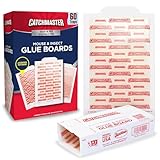
- READY TO USE: Insect and Mouse glue traps are intended for use without mouse bait. For best use, leave the mouse trap with paper on so pests can acclimate to the trap, then place the glue board along known or suspected rodent pathways.
- YEAR-ROUND CONTROL: Catchmaster glue traps for mice and rats are pesticide-free and mess-free. The insect and mouse traps are perforated to tear off and place glue directly against baseboards to secure traps and prevent drag offs. When placed in an area with normal conditions, mouse traps indoor for home can last up to one full year.
- NO MESS CONVENIENCE: The bulk pack of disposable sticky traps for mice and rats is made with heavy-duty adhesive and can fold into a tunnel shape for use in tight or dusty areas. The sticky mouse trap can be used as a standalone trap or as an insert for other Catchmaster traps.
- TOTAL COVERAGE: The glue mouse pad trap can be used indoors in residential, commercial, or industrial buildings, and sensitive areas where rodenticides or snap traps are undesirable or prohibited. Our 60M glue boards cover 30 sq. in. and are proudly made in the USA, fast acting and pesticide-free.
- INTELLIGENT PEST MANAGEMENT: At our core, we are dedicated pest detectives. We believe in utilizing a science-based approach to integrated pest control. We call this approach Intelligent Pest Management. We leave no stones unturned when it comes to pests
For a suspected bite, wash the area with soap and water, apply a cool cloth or ice wrapped in cloth, and elevate the area when possible. Seek professional medical care for severe or spreading symptoms, significant pain or cramping, breathing difficulty, systemic symptoms, or a concerning wound. In the United States, CDC guidance identifies black widows and brown recluses as medically important spiders and advises professional medical attention after a suspected bite.
Quick wins for a faster PC:
Clear out junk files and repair common Windows errorsFree Scan →Fix the driver behind crashes, sound loss and screen glitchesFind Drivers →Call emergency services for breathing difficulty or other severe, rapidly developing symptoms.
Frequently Asked Questions
What is the most effective natural way to get rid of spiders?
Physical removal combined with exclusion is the strongest general approach: vacuum webs and egg sacs, remove individual spiders safely, seal cracks and utility gaps, repair screens and door seals, and reduce clutter and insect activity. No method guarantees a completely spider-free home.
Does peppermint oil really keep spiders away?
Evidence is limited and species-specific. A controlled study found mint oil repelled two of three tested species, but that does not prove a peppermint spray will protect an entire house. Treat it only as an optional experiment, not as a substitute for sealing and physical removal.
Are hedge apples or lemon peels effective against spiders?
They should not be relied on. University of Minnesota Extension does not recommend hedge apples, and a cited laboratory study found no effect from lemon oil against the tested spider species.
How can I tell whether I have a spider infestation?
Look for repeated sightings in the same areas, substantial recurring webbing, multiple egg sacs, or activity shown by monitoring traps. Also look for the conditions supporting spiders, such as gaps, clutter, dampness, exterior lighting, vegetation touching the building, and abundant insects.
When should I call pest control for spiders?
Seek professional help for confirmed widow or recluse activity, a large persistent infestation, repeated activity that continues after cleanup and exclusion, or a situation involving vulnerable occupants. Prefer a licensed provider who begins with inspection and integrated pest-management recommendations.
The Bottom Line
Start with the building, not a bottle: remove webs and egg sacs, monitor activity, seal entry points, repair screens and door seals, reduce clutter and outdoor shelter, limit insect-attracting lighting, and correct moisture or insect problems. Mint may be worth a cautious experiment, but lemon remedies, hedge apples, foggers, and promises of a spider-free home are not dependable solutions.
Quick Recap
Product prices and availability are accurate as of the date/time indicated and are subject to change. Any price and availability information displayed on Amazon at the time of purchase will apply.

