Recommended Free Tools
Some links on this page are affiliate links: if you buy through them we may earn a commission, at no extra cost to you.
To get more berries, match plants to your climate, give them sun and well-drained soil, maintain steady moisture, and prune each crop according to how it fruits. Start with a soil test before changing pH or adding fertilizer: strawberries, caneberries, and blueberries do not share the same soil needs. These steps can improve growing conditions, but no single yield increase applies to every garden.
1. Choose a sunny, suitable site
Sun exposure, drainage, and local climate all affect how well berry plants grow and fruit. University of New Hampshire Cooperative Extension recommends full sun and well-drained soil for raspberries; treat that as regional guidance rather than an exact prescription for every berry crop. Avoid low spots where water collects, and check local Extension advice for your crop and growing conditions.
As an Amazon Associate I earn from qualifying purchases.
Do these 3 things before closing this tab:
1Repair Windows errors before they cause bigger problems2Scan for outdated or missing drivers - takes under a minute3Clear out junk files and repair common Windows errors2. Select varieties for your climate and harvest window
A variety that thrives in one region may struggle in another. Compare local recommendations for winter hardiness, ripening time, and disease concerns. In a short growing season or a region with wet autumns, late-fruiting varieties may not finish reliably. Oregon State University Extension’s Oregon Coast guidance discusses variety selection for raspberries and blackberries: Growing berries on the Oregon Coast: Raspberries and blackberries.
3. Test soil before adding fertilizer or amendments
A soil test helps determine whether pH or nutrients need adjustment. Test early enough that any recommended amendment has time to work, and use local laboratory or Extension guidance to interpret the result. Avoid applying fertilizer by guesswork: Oregon State University recommends considering soil and tissue analyses alongside plant observations to avoid applying too much or too little. A home kit can be a starting point, but it is not necessarily equivalent to a laboratory test or local interpretation. See Oregon State’s berry-growing overview.
Popular on Amazon
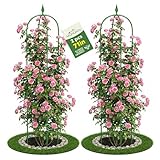
- 【6 Ft Adjustable Height】This 4-tier garden trellis for climbing plants provides ample space to plant thrive. With removable 4-way connectors, you can easily adjust the height as your plants grow—reaching up to 6 feet tall. It offers the flexibility needed for healthy vertical development
- 【Rustproof & Durable】This garden tower trellis is made of PVC-coated iron, so it is rust resistance. It stands up to sun exposure not easy to fading and is gentle on plant stems. The sturdy yet lightweight design holds up well indoors or outdoors, giving you reliable durability and stability
- 【Easy to Assemble】No tools required—one person can set up this tower obelisk garden trellis in minutes. The detachable design also allows quick disassembly for compact off-season storage. Tip: For best stability, insert the four longest tubes at the bottom for deeper soil anchoring
- 【Supports Various Climbing Plants】The durable steel frame of the obelisk trellis offers strong support for climbing plants: roses, clematis, vines, tomatoes, cucumbers. Whether indoors or outdoors, this trellis keeps climbing plants organized, healthy, and beautifully displayed
- 【Space-Saving】This outdoor climbing plant trellis features a three-dimensional structure that guides plants upward, making the most of your garden space. Perfect for small yards, balconies, or patios—ideal for apartment renters and gardeners to create a greener garden without clutter
4. Match soil pH to the berry crop
Do not acidify the soil for every kind of berry. The targets below come from regional Extension guidance and should be checked against local recommendations and a soil test.
| Crop | Regional pH guidance | Source and context |
|---|---|---|
| Strawberries | 5.6–6.5 | Oregon State University Extension, strawberry guidance: Growing strawberries in your home garden |
| Raspberries and blackberries | 5.6–6.5 | Oregon State University Extension, Oregon Coast guidance: Raspberries and blackberries |
| Blueberries | 4.5–5.5 | UC Marin Master Gardeners, local guidance published April 27, 2024: Bountiful berries |
5. Fix poor drainage
Roots need air as well as water. Soil that stays waterlogged can suffocate roots and raise the risk of root rot, particularly for raspberries. If water drains slowly in your garden, a raised bed can help provide a better-drained root zone. Oregon State’s regional overview covers site conditions and drainage: Growing Berries on the Oregon Coast: An Overview.
Also popular on Amazon

- 4pack Fiberglass Material Raspberry Cross Stake System with Adjustable Cross-bars, Height Adjustable
- Light weight while heavy duty, UV resistant, never rust, weather proof. No worry about base rotting
- Assembled with screw kits, pre-machined slots for wiring
- Size : 7ft height, upper long arm 3ft, lower arm 2.5ft, 4pack (total17.8~18.5lb)
- Reminder : Due to the product being made of fiberglass, direct contact with the skin can cause itching and stinging. Please wear gloves during installation (the package includes gloves)
6. Keep moisture steady
Berry plants need dependable water for growth and fruit quality, but the goal is moist, aerated soil—not saturated ground. Check soil moisture and adjust irrigation for weather, soil type, plant age, and crop. During dry periods, irrigation can improve raspberry fruit size and yield, according to University of New Hampshire Cooperative Extension. A drip irrigation kit is one option for delivering water near the root zone; its setup and schedule still need to suit your garden. Oregon State’s overview also explains irrigation needs: berry irrigation guidance.
7. Continue watering blueberries after harvest
Harvest is not necessarily the end of the season’s water needs. Washington State University Extension’s Pacific Northwest handbook says blueberry buds for the next season form after harvest, and drought stress can reduce the following year’s yield potential. Keep checking soil moisture through dry post-harvest periods, while avoiding waterlogging. The handbook recommends drip irrigation in its regional context: Chapter 9: Berries and Small Fruits.
Also popular on Amazon

- Perfect Support for Climbing Plants:Designed for climbing and vining plants, this tall plant trellis provides reliable support for indoor and outdoor potted plants, helping them grow upright and healthy.
- Sturdy Metal Construction:Made of durable metal with a smooth matte finish, this metal plant trellis offers excellent stability and long-lasting use without bending or rusting.
- Ideal for Indoor and Outdoor Use:Perfect for monstera, philodendron, pothos, mandevilla, and other climbing plants.
- Modern Decorative Design:Minimalist and elegant design adds style to your home, patio, or balcony while supporting plant growth beautifully.
- Easy to Use & Space Saving:Simply insert into soil for instant support. A great solution for small spaces, balconies, and indoor plant displays.
8. Mulch and keep weeds in check
Suitable mulch can conserve moisture and suppress annual weeds. Weeds compete with berry plants for water, light, and nutrients, so remove them before they become established. Keep mulch away from strawberry, raspberry, and blackberry crowns; burying crowns can contribute to crown rot. Choose mulch materials and application practices appropriate to the crop, using local guidance such as Oregon State’s berry overview.
9. Consider pollination and overlapping bloom
Pollination needs differ by crop. Oregon State’s Oregon Coast guidance describes raspberries and blackberries as self-fruitful, so adding another variety is not a universal requirement for those crops. For blueberries, UC Marin Master Gardeners recommend two or more varieties with overlapping bloom in their local guidance; check whether varieties suited to your region flower at the same time. See Oregon State’s caneberry guidance and UC Marin’s blueberry article.
Also popular on Amazon

- 🌑[Plant Growth Support]:Garden plant trellis are committed to helping your indoor for potted plants and adds to the natural beauty. As plants grow, the houseplant trellis takes the form of a ladder to help your plant climbing and growing.
- 🌑[Natural Bamboo]: Made of natural bamboo,flexible and durable.Natural Bamboo Trellis is the perfect addition to any garden seeking a touch of natural charm. Its ladder-like design provides ample space for your climbing plants to grow, while the bamboo construction ensures it will withstand the elements for years to come.
- 🌑[Sturdy and Lightweight]: Say goodbye to flimsy and unattractive trellises and hello to our Natural Bamboo Trellis! It's not only robust and long-lasting, but also blends effortlessly with the natural surroundings of your garden.
- 🌑[Easy to Use]: Just place the garden ladder trellis in the potted plants. This sturdy and eco-friendly ladder trellis is the perfect support system for your climbing plants to grow and flourish.
- 🌑[Wide Applications]:Suitable for climbing plants, flowers, vines, and vegetables, such as ivy, wisteria, morning glory, peas, jasmine, cucumber, tomato, clematis, etc., for a variety of climbing plants provide support.
10. Prune caneberries by cane age and fruiting habit
Raspberry and blackberry canes have different roles in the plant’s fruiting cycle. Remove spent floricanes—the canes that have fruited—after harvest. Other pruning depends on whether your plants fruit on primocanes or floricanes, so identify the type before cutting healthy growth. Follow crop- and variety-specific instructions rather than pruning all caneberries alike. Oregon State’s regional guide explains caneberry pruning: Raspberries and blackberries.
Independent reader supportYour contribution helps us test, update, and keep practical guides available for everyone.11. Maintain the planting and protect future crops
Check plants regularly for pests, disease, and changes in growth, and consult local Extension advice before applying any control. Timely weed removal, appropriate pruning, and care suited to your crop help keep the planting productive over time. Advice can vary by region and variety, so use guidance written for your local growing conditions.
Quick Recap
Also popular on Amazon

- Heavy Duty Metal Trellis, Stability for All Climbing Plants: Crafted with 0.6mm thick stainless steel and a 0.63-inch reinforced center pole, this garden trellis for climbing plants outdoor is built to last. It stands firm through wind and rain, providing season-long support for pole beans, snap peas, tomatoes, cucumbers, and flowering vines like bougainvillea and morning glory.
- Spiral Design for Easy Growth: This spiral trellis follows the natural climbing direction of vines, encouraging them to grow straighter, taller, and more vigorously. Improved air circulation and sunlight exposure lead to healthier roots, stronger stems, and fuller foliage.Ideal for mandevilla, clematis, and other flowering vines, it not only saves space but also adds vertical beauty to any raised bed, container, or backyard garden.
- Upgraded Screw-Lock System, Never Wobble or Shift for Unmatched Safety: Features reinforced screw-fastened coils that permanently lock into tailpole, once installed, this spiral plant trellis structure becomes a rock-solid frame, wherever secured in flower pots, outdoor gardens, or container gardening setups—no more bottom springs upward to damage growing vines!
- Adjustable Height,From Small Tomato Cages to Tall Bean Towers: Adjust from 12.2" to 72" to match your plant’s growth. This expandable trellis adapts to potted or raised bed setups, and is perfect for small tomato cages, sweet pea towers, and everything in between. Designed for home gardeners, DIY growers, and vegetable lovers of all levels.
- Tool-Free Assembly & Foldable Storage: Install your plant support trellis in under 5 minutes with no tools needed. When the season ends, fold it flat for easy storage. Whether for vego beds, balcony pots, or backyard plants, this garden trellis offers convenience, portability, and peace of mind for seasonal and year-round gardeners.
Product prices and availability are accurate as of the date/time indicated and are subject to change. Any price and availability information displayed on Amazon at the time of purchase will apply.

