The 11 plants that grow in loam soil most reliably are asparagus, carrots, parsnips, strawberries, raspberries, rhubarb, lettuce, peas, beans, tomatoes, and peppers. Loam provides balanced drainage and moisture retention, but each crop still needs the right sunlight, soil depth, fertility, pH, and watering.
Loam is a soil-texture classification, not a guarantee that a garden bed is fertile or well managed. A loam bed can still be compacted, poorly drained, too acidic or alkaline, shallow, or short of nutrients. The most useful approach is to choose a crop whose specific requirements match the actual conditions of the site.
As an Amazon Associate I earn from qualifying purchases.
Key takeaways
- Loam soil supports asparagus, carrots, parsnips, strawberries, raspberries, rhubarb, lettuce, peas, beans, tomatoes, and peppers when drainage, sunlight, fertility, and moisture match the crop.
- Carrots prefer a soil pH of 6.0 to 7.0, while rhubarb prefers pH 6.0 to 6.8; neither range should be assumed for every plant in a loam bed.
- Parsnips need deep, loose soil, whereas asparagus, berries, and rhubarb need especially dependable drainage.
- Lettuce and peas can tolerate about four to six hours of sun or constant dappled shade according to Oregon State University Extension Service guidance, while fruiting crops such as tomatoes and peppers generally need six to eight hours.
- Loam describes soil texture, not complete soil health, so test pH and nutrient status before applying lime or fertilizer.
What plants grow best in loam soil?
The best plants for loam soil include asparagus, carrots, parsnips, strawberries, raspberries, rhubarb, lettuce, peas, beans, tomatoes, and peppers. Loam balances sand, silt, and clay, but each plant still needs suitable sunlight, drainage, soil depth, fertility, pH, and consistent moisture.
Free tools Windows power users keep installed
One-click scans. No signup required.
Loam is useful because it can hold enough water for roots while retaining air spaces for drainage and aeration. As James Cassidy, Senior Instructor II at Oregon State University Extension Service, explains: “The texture of a soil is its proportion of sand, silt and clay. Texture determines drainage, aeration, water-holding capacity, erosion potential and even nutrient storage.” Read the Oregon State explanation of soil texture for the underlying principles.
#1 Best Overall

- Quick, at home results for Soil pH, Nitrogen, Phosphorous and Potash Innovative and inexpensive soil test kit features an easy-to-use capsule system and patented color comparators
- Contains all components needed for 20 tests. 5 for each of pH, N, P and K
- Contains all components needed to test all variables in several spots in the yard or garden
- Simple, detailed instructions included. Great for beginners and experienced gardeners alike.
- Soil pH preference list for over 450 plants included
The list below treats “loam” as a starting point rather than a guarantee. Sandy loam is often especially helpful for root crops, while fertile, well-drained loam suits berries and perennial vegetables. Fruiting crops need more sun and warmth than leafy crops.
Which plants should you grow in loam soil?
| Plant | Best loam condition | Main requirement | Most important warning | Planting permanence |
|---|---|---|---|---|
| Asparagus | Well-drained loam or sandy loam | Full sun and a permanent site | Standing water and heavy clay | Long-lived perennial |
| Carrots | Loose loam or sandy loam | Even moisture and low compaction | Stones, hard soil, and irregular watering | Annual crop |
| Parsnips | Deep, loose, well-drained loam | Unobstructed root depth | Shallow, rocky, or compacted soil | Annual crop |
| Strawberries | Fertile, well-drained loam or sandy loam | Full sun and irrigation access | Standing water and disease-prone sites | Longer-term planting |
| Raspberries | Fertile sandy loam or clay loam | Moderate moisture with drainage | Wet soil and high winds | Longer-term planting |
| Rhubarb | Deep, rich, well-drained sandy loam | Moisture retention without saturation | Root rot in poorly drained beds | Long-lived perennial |
| Lettuce | Moisture-consistent loam | Reliable water and cool conditions | Heat and drought stress | Annual crop |
| Peas | Fertile, evenly moist loam | Cool conditions and reasonable drainage | Heat and waterlogging | Annual crop |
| Beans | Warm, reasonably fertile loam | Sun, warmth, spacing, and water | Cold soil and drying during pod development | Annual crop |
| Tomatoes | Fertile, well-drained loam | Six to eight hours of sun | Shade, poor drainage, and uneven moisture | Annual crop |
| Peppers | Warm, fertile, well-drained loam | Full sun and a long warm growing period | Cool conditions, shade, and drought | Annual crop |
1. Asparagus
Asparagus grows well in well-drained loam or sandy loam in full sun. Because asparagus is a long-lived perennial, choose a location that will not need to be disturbed later. University of Minnesota Extension lists loam, silt loam, sandy clay loam, and sandy loam among suitable medium-textured soils in its asparagus planting guidance.
Keep asparagus away from places where rainwater pools. Heavy, persistently wet soil can undermine the crop’s long-term performance.
2. Carrots
Carrots produce their best-shaped roots in loose, light, well-drained loam, particularly sandy loam. University of Minnesota Extension gives carrots a preferred pH range of 6.0 to 7.0 in its carrot and parsnip growing guide.
Remove stones and break up compacted areas before sowing. Keep moisture reasonably consistent; alternating dry and wet conditions can reduce root quality, while hard soil can cause misshapen or shortened carrots.
3. Parsnips
Parsnips need deep, loose, well-drained loam because the edible roots become long and tapered. Deep sandy loam is particularly suitable. A shallow bed, compacted subsoil, or rocky ground can restrict the roots even when the surface soil looks good.
Prepare the full root zone rather than loosening only a thin surface layer. The same University of Minnesota carrot and parsnip guidance specifically warns against shallow, heavy, or rocky soil for parsnips.
4. Strawberries
Strawberries prefer fertile, well-drained loam or sandy loam in full sun. Irrigation access is useful because strawberry plants need dependable moisture, but standing water is harmful. Avoid low-lying frost pockets and consider the disease history of the site, especially if strawberries or related crops were previously grown there.
University of Minnesota Extension covers drainage, site selection, irrigation, and establishment in its guidance on planting a new strawberry field.
Rank #2

- KNOW BEFORE YOU GROW | Grow the healthiest, sustainable lawn and garden with the most accurate and easy to use professional soil test kit on the market
- FAST & ACCURATE | Unlike at-home pH meters and test strips, our mail-in professional lab analysis accurately measures 13 plant-available nutrient levels, including Nitrogen and pH. Results in 6-8 days
- FOR ANY GROWING SCENARIO | Tests any soil type and growing condition - lawn & turf, vegetable gardening, flowers, compost, trees, vines, ornamental landscape, house plants, soil-less media or hydroponics
- SAVE TIME & MONEY | Stop applying products you don’t need. Learn exactly what products and amounts you need to grow the healthiest plants possible
- CUSTOM RECOMMENDATIONS | What to apply, how much to apply, and when to apply it. Provides both organic and non-organic fertilizer recommendations to effectively amend your soil
5. Raspberries
Raspberries perform well in fertile, well-drained sandy loam or clay loam with moderate water-holding capacity. Raspberries are sensitive to wet or heavy soil, and poorly drained ground can create root problems. Oregon State University Extension Service discusses these conditions in its guide to growing raspberries in a home garden.
Choose a site with air movement but protection from strong winds. Keep moisture available during establishment without allowing the root zone to remain saturated.
Outdated Drivers Are Slowing You Down
One free scan finds every outdated or missing driver and matches the right update for your exact hardware.Free scan · exact hardware matchPC Slower Than It Used to Be?
A free scan shows the junk files, broken settings and background clutter dragging Windows down - then fixes them in one click.Free scan · Windows 10 & 116. Rhubarb
Rhubarb prefers deep, rich, well-drained sandy loam with a pH of 6.0 to 6.8. Rhubarb therefore needs both moisture and drainage: light soil may need organic matter to hold water, while heavy soil may need structural improvement to reduce excess moisture and root-rot risk.
Rhubarb is a long-lived perennial, so prepare a deep bed and select a permanent location. See Oregon State University Extension Service’s rhubarb growing guidance for the crop-specific requirements.
7. Lettuce
Lettuce grows readily in moisture-consistent loam and can tolerate less sun than fruiting crops. Oregon State University Extension Service identifies four to six hours of sun or constant dappled shade as suitable light conditions for several leafy and cool-season crops, including salad greens; dense shade is still unsuitable.
Heat and drought can stress lettuce and encourage bolting. Give lettuce reliable moisture and use the cooler portions of the growing season where local conditions allow. The Oregon State vegetable-gardening guide provides the cited light context.
The Tool Desk
Outbyte PC Repair FREERepair Windows errors before they cause bigger problemsFix Now →Outbyte Driver Updater FREEScan for outdated or missing drivers - takes under a minuteDriver Scan →8. Peas
Peas suit fertile loam that drains reasonably well and stays evenly moist. Peas are cool-season plants, and more light is generally beneficial, although extension guidance places peas among crops that can grow with four to six hours of sun or constant dappled shade.
Do not use loam as a reason to ignore seasonal conditions. Hot weather can shorten the pea crop, and waterlogged soil can damage roots.
9. Beans
Beans are well suited to warm, reasonably fertile loam or sandy loam with good drainage. Beans also need adequate sunlight, spacing, warmth, and water, so a favorable soil texture does not compensate for cold soil or poor site management.
Rank #3
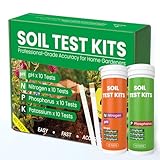
- Complete 4-in-1 Soil Test Kit (pH, N, P, K) – This garden soil test kit measures soil pH, Nitrogen, Phosphorus, and Potassium, giving you a full picture of your soil condition to improve fertilization and plant growth.
- 40 Accurate Tests for Long-Term Use – Includes 10 tests for each element (40 total tests), making this soil testing kit ideal for repeated use across multiple areas of your lawn, vegetable garden, or flower beds.
- Fast & Easy Soil Testing at Home – No calibration or complex tools needed. Simply mix soil with water, add the reagent, and compare the color chart for instant results. Perfect for beginners and experienced gardeners.
- All Tools Included for Convenience – This soil testing kit comes with test tubes, reagents, droppers, and a color comparison chart. Everything you need is included to perform reliable soil tests right at home.
- Improve Plant Growth & Save Fertilizer – By using this soil test kit for lawns and gardens, you can accurately balance soil nutrients, reduce waste, and grow healthier vegetables, flowers, and grass.
Maintain moisture during flowering and pod development, when drought can reduce performance. Avoid planting beans before the soil has warmed sufficiently for the crop.
Quick wins for a faster PC:
Fix the driver behind crashes, sound loss and screen glitchesFind Drivers →Clear out junk files and repair common Windows errorsFree Scan →10. Tomatoes
Tomatoes benefit from the drainage, moisture balance, and root aeration commonly associated with good loam, but tomatoes also require a sunny site. Oregon State University Extension Service identifies tomatoes as fruit-bearing garden plants that need at least six to eight hours of sun; that range is not a requirement for every plant in this list.
Use fertile, well-drained loam, and avoid both persistent saturation and large swings between very dry and very wet conditions. The relevant sunlight guidance appears in the Oregon State vegetable-gardening guide.
11. Peppers
Peppers fit a fertile loam garden when the soil is warm, well drained, and the site receives full sun. Peppers should be evaluated alongside tomatoes by temperature, sunlight, drainage, and water consistency rather than treated as automatically successful in every loam bed.
Cool conditions, excessive shade, and drought stress can limit peppers even where the soil texture is excellent. Plant peppers in the warmest suitable part of the garden and keep moisture consistent.
How do you know whether loam soil is ready for planting?
Loam soil is ready for planting when the root zone drains without staying saturated, is not compacted, has enough depth for the chosen crop, and has pH and nutrient conditions suited to that crop. Texture alone does not establish fertility or confirm that a site is suitable.
Oregon State University Extension Service explains that soil texture affects drainage, aeration, water-holding capacity, erosion potential, and nutrient storage. The Royal Horticultural Society’s explanation of soil types likewise describes loam as a mixture of clay, sand, and silt that avoids the extremes of each component.
A practical pre-planting checklist
- Check drainage: Observe the bed after rain and identify places where water stands.
- Check compaction: Dig into the intended root zone rather than judging only the surface.
- Check depth: Prepare deeper soil for parsnips and rhubarb than for lettuce.
- Check sunlight: Reserve the brightest locations for tomatoes, peppers, berries, and asparagus.
- Check pH and nutrients: Test before applying lime or fertilizer.
- Add organic matter only when useful: Organic matter can help maintain structure and improve moisture behavior, but amendments should address an identified soil problem rather than be added automatically.
A University of Minnesota Extension soil-fertilizing guide identifies soil testing as the best way to assess nutrient availability and notes that nutrient availability depends on texture, organic matter, and pH.
If you want a convenient first check, a home soil test kit can help screen pH and some nutrient conditions before you decide whether an amendment is warranted. A consumer kit is not a complete laboratory analysis, and a small meter does not identify soil texture by itself. For important perennial plantings or uncertain results, use a professional soil laboratory where available.
Recommended Free Tools
Rank #4

- Accurate Soil pH Testing: Dewildetradingco Soil pH Test Strips offer measurements of soil pH levels (pH 3.5-9). As an essential tool for every gardener and grower, these test strips help determine the optimal pH for various plants, such as outdoor plants, indoor plants, gardens, grass lawns, fruit trees, flowers, vegetables, and forest shrubs.
- User-Friendly Testing Procedure: The testing process is simple and efficient. Mix the sample soil with water, let the solution sit for 30 minutes, dip one strip into the solution for 3 seconds, and then hold it horizontally for 60 seconds. Compare the results against the provided color chart on the bottle for quick and reliable readings.
- Cost-Effective and Versatile: With 100 Soil PH checker strips included in each package, Dewildetradingco provides a cost-effective solution for soil testing. It caters to various planting needs, offering valuable insights for a wide range of horticultural applications.
- Optimize Plant Health and Growth: Maintaining the correct pH is crucial for optimal plant growth and bountiful yields. Dewildetradingco Soil pH Test Strips enable gardeners and growers to adjust their soil conditions, ensuring nutrient availability and preventing wasteful spending on ineffective amendments.
- Convenient On-the-Go Monitoring: The Dewildetradingco Soil pH Test Strips are designed for portability, allowing gardeners to perform quick soil testing in various locations. As an essential tool in every gardener's soil tester kit, these pH strips help ensure thriving plant life and efficient resource management.
What is the difference between loam, sandy loam, and heavy soil?
Loam contains a practical balance of sand, silt, and clay, while sandy loam contains more sand and generally drains faster, and heavy clay soil contains more clay and generally drains more slowly. The best choice depends on the crop: sandy loam is especially useful for straight root crops, while many plants need the moisture retention of a finer-textured loam.
| Soil condition | Useful characteristic | Plants that may benefit | Risk to manage |
|---|---|---|---|
| General loam | Balanced moisture retention and drainage | Most of the eleven plants | pH, fertility, and compaction can still be unsuitable |
| Sandy loam | Loose structure and faster drainage | Carrots, parsnips, strawberries, raspberries, rhubarb | Can dry out and may need organic matter |
| Clay loam | Greater moisture and nutrient retention | Raspberries and moisture-demanding crops when drainage is adequate | Compaction and waterlogging |
| Heavy or shallow soil | May hold water or restrict roots | Requires improvement before deep-rooted crops | Poor drainage, root restriction, and root disease |
Do not assume that a bag labeled “topsoil” is automatically loam. Oregon State University Extension Service notes that “topsoil” has no legal standards and recommends checking texture, organic matter, and appearance before purchase. The extension guide to vegetable gardening provides that purchasing caution.
Which loam-soil plants are best for your garden?
Choose based on the site’s limiting condition rather than the plant list alone. For a sunny permanent bed, asparagus, strawberries, raspberries, or rhubarb are options; for deep loose soil, carrots and parsnips are strong choices; for a cool-season or partly shaded bed, lettuce and peas are more suitable; and for a warm full-sun bed, beans, tomatoes, and peppers are appropriate.
| If your main garden condition is… | Prioritize | Why |
|---|---|---|
| Deep, loose soil | Carrots or parsnips | Root shape and length depend on an unobstructed soil profile |
| Permanent full-sun space | Asparagus, strawberries, raspberries, or rhubarb | These crops occupy the site longer than annual vegetables |
| Reliable moisture with less intense light | Lettuce or peas | These crops can fit the four-to-six-hour or dappled-shade guidance better than fruiting crops |
| Warm, bright summer bed | Beans, tomatoes, or peppers | Warm-season crops need suitable temperature and sunlight as well as loam |
| Wet or poorly drained ground | None until drainage is addressed | Loam-loving roots and berries can suffer in saturated soil |
Bottom line
Loam soil is an excellent starting texture for a vegetable and fruit garden, not a complete growing prescription. The eleven strongest choices are asparagus, carrots, parsnips, strawberries, raspberries, rhubarb, lettuce, peas, beans, tomatoes, and peppers. Match each crop to drainage, root depth, sunlight, moisture, pH, and permanence, then test the soil before adding fertilizer or lime.
What’s actually slowing this PC down?
Pick the symptom - the matching free tool is one click away.
Frequently Asked Questions
Is loam soil good for a vegetable garden?
Yes. Loam is generally a strong vegetable-garden soil because it balances drainage, aeration, and moisture retention. Vegetables still need suitable sunlight, pH, fertility, depth, and consistent watering.
Can you grow carrots and parsnips in loam soil?
Carrots and parsnips both grow in loam, but parsnips need a deeper, looser soil profile because their roots become longer and more tapered. Sandy loam is especially useful for both crops when it is free of stones and compaction.
Which plants like sandy loam?
Sandy loam is often best for carrots and parsnips because it is loose and drains readily. Sandy loam can also suit strawberries, raspberries, and rhubarb, provided the soil retains enough moisture and does not dry excessively.
Do you need to fertilize loam soil?
You do not need to fertilize loam soil automatically. Test pH and nutrient availability first, then apply amendments only when the results and crop requirements justify them.
The Bottom Line
Good loam can support a wide range of crops, but the best plant depends on the bed’s drainage, sunlight, depth, and moisture pattern. Test pH and nutrients instead of assuming that loam is automatically fertile.
Quick Recap
Product prices and availability are accurate as of the date/time indicated and are subject to change. Any price and availability information displayed on Amazon at the time of purchase will apply.

