Do these 3 things before closing this tab:
1Scan for outdated or missing drivers - takes under a minute2Clear out junk files and repair common Windows errors3Fix the driver behind crashes, sound loss and screen glitchesYes—you can grow culinary herbs indoors year-round, but a sunny windowsill is not automatically enough. The reliable formula is to match each herb to its light and moisture needs, use a container with drainage, and add supplemental LED lighting when growth becomes thin or stretched.
Can you grow herbs indoors year-round?
Yes. Most common culinary herbs can grow indoors throughout the year, either as permanent container plants or as seasonal plants brought inside to escape cold weather. The main limitation is usually not temperature or fertilizer—it is light.
As an Amazon Associate I earn from qualifying purchases.
A bright, unobstructed south- or west-facing window may provide enough direct sun for some herbs, particularly during the brighter months. However, windows vary by direction, latitude, season, weather, and nearby buildings. If stems become thin and stretched, leaves remain small, or the potting mix stays wet for unusually long periods, the plant may need more light. A white or balanced LED grow light for indoor plants is usually the most useful upgrade.
Choose herbs that fit your room and routine
There is no single indoor-growing recipe that suits every herb. Select plants according to the light available, how often you can check moisture, and the amount of space available for roots and mature growth.
| Herb | Indoor growing tendency | Watering and space notes |
|---|---|---|
| Basil | Fast-growing and productive in strong light | Dislikes cold and should not be allowed to dry completely. Pinch growing tips often. |
| Chives | Compact and forgiving | Keep the mix moderately moist and harvest the blades with clean scissors. |
| Cilantro | Useful but relatively short-lived indoors | Prefers more consistently moist soil. Sow successive pots if you want a continuous supply. |
| Parsley | Good for containers with adequate root space | Prefers more even moisture and may need a deeper pot than shallow-rooted herbs. |
| Thyme | Compact Mediterranean perennial | Needs strong light and better drying between waterings. |
| Oregano | Well suited to a sunny, relatively dry setup | Allow the mix to dry somewhat before watering again. |
| Mint | Vigorous and easy to propagate | Give it its own container; it can quickly crowd neighboring plants. Avoid letting it become completely dry. |
| Sage | Slow-growing Mediterranean perennial | Needs strong light, drainage, and a drying period between thorough waterings. |
| Rosemary | Long-lived but less forgiving indoors | Use excellent drainage and avoid keeping the roots continually wet. Protect it from cold glass. |
Mediterranean herbs—rosemary, thyme, oregano, and sage—generally prefer brighter conditions and more drying between waterings than cilantro, parsley, or basil. Treating every herb identically is a common cause of failure.
#1 Best Overall

- NOTE: The product stand needs to be pressed down by the flower pot to be stable. Not wireless style. 2 Installation Methods: Specially designed plant light for indoor plants, which can be inserted in the soil or stand for lighting.Unique and easy to assemble and disassemble.
- 3 Lighting Modes and 10 Brightness: The full spectrum plant grow lights offers 10 levels by pressing the button. 3 lighting spectrum “white light, warm white and red, Mix Lighting”. you have more options to meet different illumination requirements.
- Timer Adjustment: This small halo grow light have set up timer with 3 modes cycle timing function which stay on for 3H, 9H, 12H. When keeping power, it can automatically turn on and off every day according your settings.
- Height and Angle Adjustment: The pole of grow lights can telescope up and down to accommodate different plants. Provide the right amount of light intensity. Rotate 90 degrees the pipe and height can be up to 26 in, which more plants will be covered.
- Widely Used: This plant halo grow light also stylish decoration for any home space, and with color box. Suitable for all types of locations such as hangings, floor planters and more. the gardeners and plant lovers tending to their plants and vegetables.
1. Provide enough light
Many herbs need at least six hours of direct sunlight. Place them in the brightest practical window, usually a south- or west-facing window, while watching for cold drafts and contact with freezing glass in winter.
Rotate windowsill pots periodically so one side does not grow toward the glass. If the stems become elongated, floppy, or widely spaced, the plant is telling you that the available light is inadequate. Do not try to solve that problem with extra fertilizer; fertilizer cannot replace light.
When to add a grow light
Use supplemental lighting when the window is shaded, blocked, north-facing, seasonally weak, or too far from the plants. Look for a white or balanced LED fixture, adjustable placement, and a timer. The fixture should be close enough to illuminate the foliage effectively without creating excessive heat, and its instructions should determine the safe distance.
A practical starting point for artificial lighting is about 12–14 hours per day when natural light contributes little. The ideal schedule depends on the fixture’s output, distance from the leaves, the plant’s growth stage, and how much daylight the window already supplies. A timer makes the schedule consistent and gives the plants a dark period.
If a fixture is adjustable, raise or lower it according to the manufacturer’s instructions and the plant’s response. Pale, scorched, or curled leaves may indicate excessive intensity or heat; stretching usually indicates that the plant needs more usable light or a closer fixture.
2. Use containers with drainage
Every indoor herb container needs drainage holes. Without them, water collects around the roots and makes overwatering much more likely. Set the pot on a saucer or tray, but empty standing water rather than allowing the container to sit in it.
Free tools Windows power users keep installed
One-click scans. No signup required.
Use an indoor potting mix designed to drain while retaining enough moisture for container roots. Heavy outdoor garden soil is a poor default for indoor pots because it can compact, drain slowly, and reduce air around the roots.
Rank #2
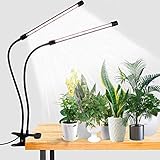
- 6000K White Light - equipped with 10 Red + 74 White LEDs, this growing Lamp is similar to the full-spectrum sunlight at noon,that is professionally designed for indoor garden plants.Moreover, its color rendering index is as high as 95, the light is soft and flicker-free, which is very suitable for reading lamp
- Timer Function & Multiple Settings - this plant spotlight offer the timer function with 3 options that is 4Hrs or 8Hrs or 12Hrs, it is based on a 24 hour cycle from the time you set the timer.For example,when keeping power ON, if you select 8 Hrs,it will turns ON for 8 hours per 24 hours.The other two timer settings are the same.
- Easy to Install - with flexible Gooseneck & strong clamp,it allows you to place the growth light in any direction to provide the best lighting angle for your plants,meet the cover around the plant.Powered by USB or AC Power Plug
- High Efficiency LED Lamp - as for LED power draw this seedling lights just comsume about 10 w and is equivalent to a 50 watts Halogen Bulb.Estimately monthly cost roughly $2 in electricity (12 hours a day). It is a great gift if you growing some small house plants.
- 【365 Days Warrantty】GooingTop service team offer 365 days warrantty and 24h friendly customer service. If there are ever any issues about the product, please feel fre e to contac t us and we will send you a new replacement.
Match the container to the plant’s root system:
- Use a deeper pot for tap-rooted herbs such as dill.
- Give parsley and other herbs that develop substantial roots enough depth to avoid rapid crowding.
- Trailing herbs can work well in hanging baskets or containers placed where their stems have room to spread.
- Keep mint in its own pot unless you deliberately want it to compete with other plants.
A decorative cachepot can conceal a nursery pot, but the plant should still be growing in a container with holes. Check that the inner pot is not sitting in accumulated water inside the outer container.
3. Water according to the soil, not the calendar
Check the potting mix below the surface before watering. When it has begun to dry, water thoroughly until some water exits the drainage holes, then allow the excess to drain away. The goal is to moisten the root ball rather than repeatedly wetting only the top layer.
Do not impose a fixed “once a week” schedule. Indoor plants use water more slowly in low light, cool rooms, and still air. A calendar can therefore cause overwatering even when it works for a different window or season.
- Basil: Do not let the mix dry completely. Check it regularly, especially in a warm, bright location.
- Cilantro and parsley: Prefer more consistently moist conditions, but still require drainage rather than waterlogged soil.
- Rosemary, thyme, oregano, and sage: Let the mix dry somewhat between waterings, then water thoroughly.
- Low-light plants: Expect slower drying and reduce watering frequency rather than adding more water on the usual schedule.
Persistently wet soil is a warning sign. Before adding fertilizer, check the light level, drainage holes, pot size, and watering technique.
4. Keep temperature, humidity, and airflow reasonable
Where practical, aim for daytime temperatures around 65–70°F and nighttime temperatures around 55–60°F. Keep basil away from cold panes and drafts; temperatures below 50°F can cause cold stress, wilting, or leaf drop. Winter windowsills can be much colder than the rest of the room even when the room itself feels comfortable.
Indoor air should not be excessively dry, but permanently damp, stagnant air also creates problems. Leave enough space between pots for air movement and use modest circulation if the area is stuffy. Avoid directing a strong fan continuously at tender foliage, which can increase water loss and stress.
Good airflow supports the broader care routine: it helps foliage dry, makes crowded growth easier to inspect, and reduces the conditions that encourage some fungal problems. It does not compensate for poor drainage or excessive watering.
Crashes, No Sound, or Screen Glitches?
Random freezes, missing sound and display glitches usually trace back to one bad driver. Find and replace yours safely.Free scan · under a minutePC Slower Than It Used to Be?
A free scan shows the junk files, broken settings and background clutter dragging Windows down - then fixes them in one click.Free scan · Windows 10 & 11Rank #3
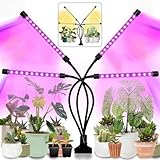
- 🌻Efficient LED Combination: This LED lamp has grow lights made up of 80 efficient growing LEDs ( 32 red lights, 12 blue lights,20 yellow lights and 16 white lights). It meets the conditions of plant growth without sunlight. 1--Full Spectrum(380nm-800nm): Suitable for all plants to root and sprout. 2--Red(660nm)+BLUE(460nm) Spectrum: for blooming and fruits. 3--Red+Blue+Full Spectrum: A mix of Red+Blue+Warm White is best to fuel the growth of your plants.
- 🌻Upgraded Auto ON/OFF Timer: Plant grow lights come with the circular memory timer function allows to automatically turn on/off every day according to your settings: 3H(Blue)/9H(Green)/12H(Red). Which requires no manual operation and takes good care of your plants when you on work or vacation.(Please note: The timer needs to be reset if the grow light is powered off.)
- 🌻10 Dimmable Modes: Our grow lamps provides 10 dimmable modes to suit varied stages of plant growth. It has 10 levels of light intensity and has 3 spectral modes to meet different stages of plant-growing needs.
- 🌻Visible Quality and Adjustable: The LED grow lights have a USB connector which makes it convenient to connect in your office or home to USB or AC power plug (includes adapter). The 4-head light has a 360-degree flexible gooseneck made from quality tubing to keep a fixed position. The metal clamp allows the lamp to be placed anywhere in your home or office.
- 🌻Scientific Heat Dissipation Design: Indoor LED grow light is backed by an aviation-grade heat sink powered by a temperature control unit. This improved heat sink efficiently dissipates the heat generated by the lamp to the atmosphere.
5. Fertilize lightly
Indoor herbs usually need conservative feeding. A low dose of water-soluble fertilizer about every two weeks can be a reasonable starting point during active growth, but follow the product label and account for whether the potting mix already contains fertilizer.
More fertilizer is not a shortcut to better herbs. Excess nutrients can produce soft, overly lush growth and may reduce the quality or aroma you want from culinary leaves. If a plant is pale or weak, investigate light, roots, watering, temperature, and pests before increasing the dose.
Reduce or pause feeding when growth slows substantially, particularly if the plant is receiving less light in winter. Never mix fertilizer at a stronger concentration than the label recommends.
6. Prevent pests before they spread
Inspect starter plants carefully before bringing them indoors. Look under leaves, around new growth, and at the soil surface for fungus gnats, aphids, spider mites, thrips, or whiteflies. Isolating a new plant for a short observation period can prevent an outbreak among an established collection.
Recommended Free Tools
Start with cultural and mechanical controls:
- Correct excessive watering and allow the surface to begin drying when appropriate for that herb.
- Use yellow sticky traps to monitor and catch flying adult pests such as fungus gnats and whiteflies.
- Prune heavily infested leaves or tender shoots and dispose of them rather than composting visibly infested material indoors.
- Separate affected pots from healthy plants while you inspect and treat them.
- Clean scissors between plants when pruning suspect growth.
Be especially cautious with pesticides because the crop will be eaten. Use a product only if its label permits the intended use on the specific edible herb, and follow the label’s application and harvest instructions exactly. Wash harvested leaves before eating, but do not assume washing makes an incorrectly applied product safe.
7. Harvest regularly, but do not strip the plant
Regular harvesting keeps herbs useful and can help maintain compact growth. Use clean scissors to snip leaves and tender stems rather than tearing the plant.
- Pinch basil and similar leafy herbs at the growing tips to encourage branching.
- Remove flower buds when appropriate if your priority is leaf quality; flowering can change the quality of some culinary herbs.
- Harvest annual leafy herbs in moderation instead of cutting the entire plant back at once.
- On established perennial herbs such as rosemary, thyme, oregano, and sage, remove the upper portion while leaving enough healthy growth for continued development.
- Harvest just before use when possible for the freshest flavor.
A plant that is repeatedly cut below its active growth points may struggle to recover. Harvest in a way that leaves enough foliage to continue capturing light and supporting new growth.
Rank #4

- 214 Full-Spectrum LEDs: Featuring one light head with 214 high-performance LEDs, this grow light delivers a broad 380–780 nm full spectrum that closely mimics natural sunlight. It provides bright, uniform illumination to support efficient photosynthesis and healthy plant growth. Especially suitable for seed starting and seedling development, it is an ideal supplemental light source for indoor plants.
- 3 Timing Settings & 6 Dimmable Levels: Utilize the convenient 3/6/12 Hours automatic timer function and 6 adjustable dimming levels effortlessly. This enables you to tailor the lighting schedule to your preferences and customize the brightness according to the specific needs of your plants. It provides flexibility for optimal plant growth throughout various stages, ensuring they receive the ideal illumination during each phase of the day.
- Upgraded Light Panel:The upgraded light panel boasts dimensions of 11*4.7 inches, providing an expanded coverage area for your plants. Equipped with heat-dissipating holes and a unique pattern design on the back, it ensures efficient heat dissipation and extends the lifespan of the lighting system.
- Flexible Height Adjustment and Stability: With a height range of 10-26 inches, our grow light can be easily adjusted to accommodate plants of various sizes. The sturdy metal base ensures stability, while the anti-slip sponge pad at the bottom provides convenient installation and prevents slipping.
8. Repot when roots need more room
Repot when roots emerge from drainage holes, the root ball dries unusually quickly, or the plant is visibly crowded. Choose a container sized for the herb’s mature root growth rather than moving a small plant immediately into an excessively large pot, which can leave unused soil wet for too long.
The Tool Desk
Outbyte Driver Updater FREEFix the driver behind crashes, sound loss and screen glitchesFind Drivers →Outbyte PC Repair FREEClear out junk files and repair common Windows errorsFree Scan →Early spring is a useful repotting window because many plants are entering active growth. Transfer the plant into fresh indoor potting mix, preserve as much of the healthy root ball as practical, and water it in thoroughly. Confirm that the new container drains freely.
Moving indoor herbs outdoors
If you move herbs outdoors for summer, acclimate them gradually. Begin in partial shade and a sheltered location, then increase exposure to stronger light and wind over time. An abrupt move from indoor conditions to full sun can scorch leaves, while sudden wind can damage tender stems and increase water loss.
Inspect the plants again before bringing them back indoors. Outdoor plants can carry insects or eggs that multiply quickly in a warm room.
Soil pots or hydroponics?
Soil-based containers
- Best for: beginners who want flexibility and low equipment cost.
- Advantages: simple supplies, familiar care, and easy choice of individual herbs.
- Trade-offs: you must manage drainage, watering, pests in the potting mix, and light separately.
Countertop hydroponic systems
- Best for: people who want an integrated indoor setup for herbs and leafy greens.
- Advantages: the system combines water, nutrients, plant support, and artificial light in one unit.
- Trade-offs: it introduces equipment, cleaning, nutrient management, and replacement-input considerations.
A countertop system can simplify some routines, but it does not remove the need for harvesting, sanitation, pest inspection, and appropriate light. If you are comparing systems, evaluate the reservoir, light adjustment, cleaning access, replacement supplies, and the number of plants you actually want to grow. An indoor hydroponic herb garden is a category to consider, but product availability and current affiliate arrangements should be verified before purchase.
Quick wins for a faster PC:
Scan for outdated or missing drivers - takes under a minuteDriver Scan →Repair Windows errors before they cause bigger problemsFix Now →Fix the driver behind crashes, sound loss and screen glitchesFind Drivers →Beginner indoor herb setup checklist
Start with a small, manageable collection rather than filling every windowsill:
- Containers with drainage holes and saucers or trays.
- Indoor, well-draining potting mix.
- Healthy starter plants or herb seeds.
- A bright window, or supplemental lighting if natural light is inadequate.
- A timer for supplemental lighting.
- A narrow-spout watering can or similarly controlled watering container.
- Yellow sticky traps if fungus gnats appear.
- Clean scissors for pruning and harvesting.
For a typical first setup, basil, chives, parsley, thyme, or oregano provide a useful range of growth habits. Add rosemary once you can provide strong light and avoid persistently wet soil.
Best Value

- FULL SPECTRUM & NATURAL LIGHT: A19 full spectrum grow light appears 4000K white to eyes but has a red/blue light spectrum. Same as natural sun shine, perfect for tomatoes, cucumbers, peppers, leafy greens and herbs at all growth stages.
- HIGH BRIGHTNESS & ENERGY SAVING: A19 LED plant grow light bulbs deliver 180-degree 1000LM bright light output. Use High Lumen LED Chips equivalent to 100w traditional light bulb while consumes only 11 watts, saving 90% of your electricity bill.
- HIGHER EFFICIENCY: LED grow bulb with high light transmission improves plant absorption more effectively. Balanced lighting of full spectrum wavelength can give your plants more light with a high output PPF of 25 micromoles per second.
- LONGER LIFESPAN: LED sun light bulbs with low heat generated, suitable temperature for your plants. Use Plastic & Aluminium material to build the cooling system with better heat dissipation. Up to 25,000 hours lifespan.
- NATURAL HOME LIGHT COLOR: Unlike those purple or reddish grow bulbs, our indoor 4000K LED grow light bulbs show off your indoor garden without harsh or unsightly lighting, providing a pleasing, natural light, temperature that integrates well with any decorative aesthetic.
Disclosure: If this article contains links to products, the publisher may earn a commission from qualifying purchases. Recommendations are based on the product’s role in the growing setup, not on a claim of personal testing or brand superiority.
Indoor herb troubleshooting
| Symptom | Likely issue | What to do |
|---|---|---|
| Thin, stretched stems | Insufficient light | Move the plant nearer a brighter window or add supplemental lighting. Rotate windowsill pots. |
| Soil remains wet for a long time | Too little light, poor drainage, or overwatering | Check drainage holes, reduce watering frequency, and assess light before adding fertilizer. |
| Basil wilts or drops leaves near a window | Cold exposure or insufficient moisture | Move it away from the cold pane, maintain warmer conditions, and check the mix before watering. |
| Small flies around the pot | Fungus gnats associated with excess moisture | Improve watering technique, let the surface begin to dry as appropriate, and use yellow sticky traps. |
| Roots emerge from drainage holes | Container is too small | Repot into a suitable container with fresh, well-draining indoor mix. |
| Leaves lose quality after flowering | The plant has shifted into flowering | Pinch growing tips and harvest before or as flower buds appear when appropriate for that herb. |
The simplest rule for successful indoor herbs
Give each herb strong enough light, a container that drains, and water based on the moisture of its potting mix. Then keep the plant warm enough, inspect it regularly, feed sparingly, and harvest in a way that leaves healthy growth behind. When an indoor herb is struggling, check light first—especially before watering more or adding fertilizer.
Frequently Asked Questions
What herbs are easiest to grow indoors?
Yes. Basil, chives, cilantro, parsley, thyme, oregano, mint, sage, and rosemary can all be grown indoors, although they differ in light, moisture, root space, and temperature requirements.
How much light do indoor herbs need?
Many herbs need at least six hours of direct sunlight. If a window is dim, blocked, or seasonally weak, use a white or balanced LED grow light on a timer. A practical artificial-light starting range is about 12–14 hours daily when natural light contributes little.
How often should indoor herbs be watered?
Check the potting mix below the surface and water thoroughly when it begins to dry, allowing excess water to drain. Basil, cilantro, and parsley generally prefer more even moisture, while rosemary, thyme, oregano, and sage should dry somewhat between waterings.
When should indoor herbs be repotted?
Roots emerging from drainage holes, unusually rapid drying, or visibly crowded growth indicate that the plant may need a larger container. Early spring is a useful repotting period as many plants enter active growth.
How do I get rid of pests on indoor herbs?
Start with correct watering, improved airflow, isolation of affected plants, pruning of infested growth, and yellow sticky traps for flying pests. Use pesticides only when the label specifically permits application to the edible herb and follow all directions.
The Bottom Line
Indoor herbs can remain productive year-round, but success depends on matching the herb to its light and watering needs. Drainage, careful moisture checks, and supplemental LED lighting when necessary will solve more problems than a rigid watering schedule or heavy feeding.
Quick Recap
Product prices and availability are accurate as of the date/time indicated and are subject to change. Any price and availability information displayed on Amazon at the time of purchase will apply.

