Quick wins for a faster PC:
Repair Windows errors before they cause bigger problemsFix Now →Scan for outdated or missing drivers - takes under a minuteDriver Scan →Clear out junk files and repair common Windows errorsFree Scan →Water coming up through a basement floor is usually caused by groundwater pressure, poor surface or foundation drainage, a plumbing leak, or water backing up through a drain. The first distinction matters: water entering at a crack or joint calls for a drainage investigation, while water rising from a floor drain or carrying sewage symptoms calls for a plumbing or sewer response. Make the area safe before troubleshooting, then fix the source before sealing the floor.
First determine whether the water is entering through the slab—or backing up through a drain
Water that appears at a crack, slab joint, or wall-to-floor joint is usually related to groundwater, hydrostatic pressure, surface drainage, or a failed foundation-drainage system. Water that rises from a floor drain, cleanout, toilet, or other plumbing fixture is more likely a sewer, storm-sewer, septic, or drain-line backup. A broken supply or drain pipe under or beside the slab is another possibility. The repair is completely different in each case, so sealing the floor or buying a larger sump pump is not a universal fix.
As an Amazon Associate I earn from qualifying purchases.
Groundwater can move through openings in soil, sand, and rock toward lower-pressure areas. After rain, snowmelt, or a rise in the water table, that pressure can force water through concrete cracks, porous concrete, construction joints, the wall-floor joint, or the soil beneath the slab. The EPA’s groundwater overview explains why subsurface water can move and reappear at lower points.
Use this order of operations: protect people and electricity, identify the water’s path, correct roof and surface drainage, verify the sump and discharge, repair or add foundation drainage, and only then seal minor cracks or joints.
#1 Best Overall

- Efficient Sump Pump: Aquastrong sump pump with 1HP powerful motor. Draining water up to 4500GPH Per Hour( 75 gallons per minute) at 5ft. Lift water up to 30ft of vertical height
- Portable Design: Plug in to play while unplug to stop. Bottom suction design filters debris and removes water down to 1/5 inch from the surface. It can handle up to 1/5″solids , ideal for draining hot tub and flooded basement window wells
- Easy Installation: 1-1/4'' NPT discharge comes with 1-1/2'' elbow adapter and snap coupling adapter of 3/4'', 1'' or 1-1/4'', which makes Submersible pump easy to install. 10ft UL power cord provides safety and convenience
- Safe & Durable: The submersible water pump is made of reinforced engineering thermoplastic casing resists corrosion and abrasion. Quality mechanical seal prevents leakage effectively for long service life. Built-in thermal overload protector will keep the motor from burning out when dry running
- Quality Service: Aquastrong customer service provides professional technical supports, keeps your water system stable and worry-free
What to do immediately
1. Treat standing water as an electrical hazard
Do not walk into standing water if electrical equipment, receptacles, appliances, wiring, or the electrical panel may be submerged or reachable from the water. Shut power off only from a dry, safe location. Never operate an electrical appliance or tool while standing in water. Have an electrician inspect affected electrical equipment before power is restored; drying the visible floor does not prove that wiring or equipment is safe. CDC flood reentry guidance covers electrical and generator hazards.
Do not use a gasoline-powered pump, generator, or pressure washer in a basement, garage, or other enclosed or partially enclosed space. Do not operate one within 20 feet of a door, window, or vent. Carbon monoxide can accumulate quickly, even when a garage door is open.
2. Assume drain-origin or floodwater may be contaminated
Keep children, pets, and anyone with asthma, chronic lung disease, or a weakened immune system away from moldy or contaminated areas. Water with a sewage odor, gray or brown color, solids, debris, or a clear connection to a floor drain or toilet should be treated as contaminated. Clear water is not automatically safe: a clean-looking flow can still have passed through a contaminated pathway.
Stop using toilets, showers, sinks, washing machines, and other fixtures that may be discharging into a blocked drain. For sewage, storm-drain, or septic symptoms, contact a licensed plumber or the local sewer or health authority rather than pumping the water into another drain.
3. Document the loss before removing everything
If an insurance claim may be involved, photograph the water level, point of entry, damaged finishes, equipment, and contents before cleanup, if doing so is safe. Coverage varies. Standard homeowners policies commonly exclude flood and seepage, while sewer-backup or sump-pump endorsements may be available. Check the actual policy and contact the insurer promptly; do not assume that any basement water damage is covered. Massachusetts consumer guidance on flood coverage illustrates the distinction, although policy language and rules vary by location.
Five common causes of water coming through a basement floor
| Likely cause | Clues | Typical remedy |
|---|---|---|
| Groundwater or hydrostatic pressure | Occurs during or after rain, snowmelt, or a high-water event; enters through cracks, joints, porous concrete, or below the slab | Improve surface drainage, then use a properly designed sump or interior/exterior foundation-drainage system |
| Failed foundation drainage | Recurring perimeter or below-slab seepage; sump pit fills rapidly or footing drains appear ineffective | Inspect, clear, repair, or replace footing drains; install appropriate collection and pumping |
| Surface water against the house | Wet soil, ponding, clogged gutters, short downspouts, or ground sloping toward the foundation | Repair gutters, extend outlets, and restore positive grading |
| Sewer, storm-sewer, or septic backup | Water rises from a floor drain or cleanout; sewage odor, discoloration, solids, or fixture-use correlation | Stop water use and have the drain, sewer connection, backflow protection, or septic system diagnosed |
| Plumbing leak or condensation | Localized wetness near a bathroom, laundry, water heater, or utility area; continuous flow in dry weather, or surface moisture without a rising pathway | Repair the supply or drain line; control humidity and condensation after ruling out liquid water |
How to identify the source
Use timing as a clue, not as proof
- During or soon after heavy rain: suspect roof runoff, grading, groundwater, or foundation drainage.
- During rapid snowmelt: suspect saturated soil and rising groundwater as well as surface runoff.
- When a toilet, shower, sink, or washing machine is used: suspect a plumbing or sewer restriction.
- Continuously during dry weather: investigate a broken water line, a drain or supply leak, a high water table, or a drainage defect.
- Only as cool, diffuse surface moisture: condensation is possible, particularly when warm humid air contacts a cold slab.
These patterns are diagnostic inferences, not conclusive tests. A leak under the slab can coincide with rain, and a sewer backup can occur during a storm, so confirm the path and water quality before selecting a repair.
Rank #2

- Efficient Design - This small submersible pump uses a top suction design that eliminates air lock and minimizes clogging from debris at the bottom of the sump pit. Install in about 15 minutes with no need to drill a weep hole.
- Tough And Durable - A corrosion-resistant epoxy coated steel motor housing, stainless steel fasteners a cast-iron volute give this small pump long life in tough sump pump applications
- Quality You Deserve - This corded electric water pump is proudly assembled in the USA and warrantied for 3 years. Its dependable, efficient, ultra-quiet performance provides quality you can trust
- Indoor Use Only - This 1/3 HP WAYNE sump pump supports basement water removal during heavy water flow from rain or snow melting. Model CDU790 can pump up to 4,600 GPH to help keep your basement dry
- Tested Vertical Float Switch - Integrated float switch tested to 1 million cycles for dependable automatic operation
Look at exactly where the water appears
- Crack in the slab: commonly consistent with groundwater or a plumbing pathway beneath or beside the slab.
- Wall-to-floor joint: often indicates water moving along the foundation perimeter or through the joint under pressure.
- Construction joint or multiple slab joints: suggests a broader subsurface water condition rather than one isolated surface defect.
- Floor drain or cleanout: raises immediate concern about a sewer, storm-sewer, or building-drain backup.
- Near a bathroom, laundry, water heater, or utility room: inspect for a supply-line, drain-line, appliance, or water-heater leak.
- Broad dampness without a visible crack: may involve vapor diffusion, capillary suction, or liquid water beneath the slab. Basement moisture can also be driven by humid air and air movement, not just a visible leak. University of Minnesota Extension’s basement-moisture guidance distinguishes these moisture mechanisms.
Check the sump pit and pump
A sump basin can reveal whether subsurface drainage is active. Note the water level, whether the pump cycles, whether water is entering from perimeter tile or floor-drain connections, and whether the pump keeps up with inflow. EPA assessment procedures specifically examine sump water levels, pump cycling, and inflows from floor drains or perimeter drainage. EPA sump and drainage assessment procedures provide a technical reference.
Do not assume that a full pit proves the pump caused the problem. The pit may be doing its job while the discharge is blocked, frozen, undersized, disconnected, or routed back toward the foundation. Conversely, a dry pit does not rule out water entering at a different location or a failed collection system.
Inspect outside before opening the floor
Walk the entire perimeter if conditions are safe. Check for:
- soil or paving that slopes toward the foundation;
- ponding beside the wall;
- clogged, leaking, or disconnected gutters;
- downspouts that end next to the foundation;
- crushed, blocked, or leaking underground downspout extensions;
- irrigation or hose-bib leaks; and
- landscaping that keeps the soil saturated against the wall.
The EPA recommends grading away from the foundation and directing downspouts several feet from the building. Where feasible, University of Minnesota Extension recommends a slope of about 1 inch per foot for at least 6 feet, subject to site conditions, local code, drainage easements, and the risk of directing water toward another structure.
Never discharge sump water or downspout water against the foundation, onto a driveway where it can return to the wall, or toward a neighboring property. Local rules may restrict discharge to streets, storm drains, dry wells, or sanitary sewers. Protect the outlet from freezing: a frozen discharge can back water up into the basement and cause a pump to run continuously or fail to move water.
The Tool Desk
Outbyte PC Repair FREEClear out junk files and repair common Windows errorsFree Scan →Outbyte Driver Updater FREEScan for outdated or missing drivers - takes under a minuteDriver Scan →Fix the problem in the right sequence
1. Correct gutters, downspouts, grading, and ponding
This is usually the least invasive and most cost-effective first step. Clean gutters, repair leaks, reconnect downspouts, extend discharge away from the house, and correct low areas that hold water beside the foundation. If an underground leader pipe is suspected, test or inspect it rather than assuming the extension is open.
Rank #3
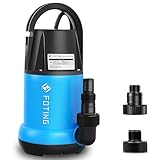
- EFFICIENT DRAINAGE: Utility pump with 1HP power motor for Draining water up to 4600 GPH( 76 GPM) at 5ft. Lift water up to 31ft of vertical height. Removing water to 1/5" of the surface.
- PORTABLE PUMP: Plug in to play while unplug to stop. Sump pump filters debris and removes water down to 1/5 inch from the surface. Handle up to 1/5″solids , ideal for pool pond draining hot tub and flooded basement window wells
- 4 DETAILS: 10FT power cord for greater range of use;Removable bottom easy to clean and maintain pump life; Rounded handle prevents cuts and comfortable to use; Thermoplastic housing for corrosion resistant and durable.
- QUICK TO CONNECT: Comes with a NPT 1-1/2" discharge size, a NPT 3/4" garden hose adapter and a hose adapter fits Ф1-1/2", Ф1" or NPT 1" inch hose. You can use different sizes of hoses depending on the flow
- ENERGY SAVING & SAFETY: 100% manufacturer tested, low noise and energy saving. Built-in automatic thermal overload protects the motor from burning out when dry running
Exterior drainage will not repair a broken plumbing line or a sewer backup, but it can remove the rainfall load that is driving water through an otherwise sound foundation. Recheck the basement during the next significant rain instead of immediately covering the interior symptom with waterproofing paint.
2. Test and improve the sump system
After electrical safety is established, verify that the pump motor runs, the float switch moves freely, the check valve and discharge pipe are intact, and the outlet carries water well away from the house. A sump cover should be properly fitted where required or appropriate, while still allowing the system to be serviced and vented as designed.
When groundwater is collecting in a functioning basin, a submersible sump pump may be an appropriate component of the drainage system. It is not automatically the right pump for every pit: capacity, head height, pipe size, basin design, inflow rate, and discharge restrictions all matter. A qualified installer should review sizing when inflow is substantial or the system is being redesigned.
Recommended Free Tools
Homes that depend on a sump during storms should consider a battery backup sump pump system, a secondary pump, or another generator-ready backup measure. Test the backup periodically, maintain its battery, and confirm that it is compatible with the basin, discharge plumbing, and primary pump. A backup reduces the risk from power failure; it does not correct a blocked discharge or an undersized drainage system. FEMA identifies sump pumps and secondary or backup measures as useful flood-resilience improvements. FEMA’s low-cost flood-protection guidance includes these measures.
A sump pump cannot by itself stop a pressurized water-service leak, repair a failed sewer line, or seal a structural pathway that allows water to bypass the basin. It removes water that the drainage system successfully collects.
3. Repair or install foundation drainage
If water is entering from below the slab or continuously at the perimeter, the durable answer is often a collection system rather than a surface coating. Possible approaches include:
- Interior perimeter drainage: a channel or drain installed at the slab perimeter to collect water and route it to a sump. This can be practical where exterior excavation is difficult, but it requires careful detailing at walls, joints, and penetrations.
- Interior drain tile or sub-slab drainage: collection piping below the slab or at the footing level, connected to a sump where appropriate.
- Exterior footing drainage: excavation outside the foundation to repair or add footing drains, improve waterproofing, and provide a properly filtered drainage path.
- A combined system: used where both wall seepage and below-slab water are contributing.
EPA guidance identifies footing drains, coarse aggregate, filter fabric, and discharge to daylight or a sump as important foundation-drainage components. Collection piping should be placed at the relevant drainage level and protected from soil clogging; simply laying a pipe in a trench without a drainage design can move the problem rather than solve it. EPA foundation-drainage guidance describes these elements.
Exterior excavation can be expensive and may require access through a deck, porch, walkway, or landscaping. It may also involve permits, engineering, waterproofing, utility locating, and a plan for restoring the site. Interior drainage avoids some excavation but does not remove exterior wall moisture and may require removing part of the finished floor. Ask a foundation drainage specialist to explain where the water is being collected, where it will discharge, how the system will be serviced, and what happens during a power outage. Obtain more than one written scope for a major project and verify licensing, insurance, permits, and local requirements.
Rank #4
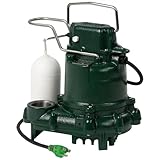
- Automatic with float activated switch
- Non-clogging vortex impeller design
- Durable cast iron switch case, motor, and pump housing
- Cast iron switch case, motor, and pump housing, plastic base
4. Handle plumbing, sewer, and septic causes separately
If water rises from a drain, contains sewage, or appears when fixtures are used, stop using the affected fixtures and contact a sewer backup plumber or the local sewer authority. The investigation may include the building drain, sewer lateral, storm connection, cleanouts, and any backflow protection. A backflow valve can help in a suitable system, but it must comply with local plumbing rules, remain accessible, and be inspected because debris can prevent it from closing. Professional installation is especially important where the valve affects multiple fixtures or requires maintenance access. Massachusetts guidance on flooding and sewage backups discusses these precautions.
A broken pressurized water line can release clean-looking water continuously, even in dry weather. If a supply-line leak is suspected, shut off the appropriate water supply if it can be done safely and have the line located and repaired. A drain leak may appear only when a fixture discharges.
On a property served by septic, a saturated drainfield or overloaded system can cause wastewater to back up. Do not pump a septic tank while the surrounding soil is saturated unless directed by the appropriate professional: the tank may float or connected pipes may be damaged. Contact the local health department or a septic professional for an assessment. EPA guidance for septic systems after flooding explains this risk.
Do these 3 things before closing this tab:
1Clear out junk files and repair common Windows errors2Scan for outdated or missing drivers - takes under a minute3Repair Windows errors before they cause bigger problems5. Seal cracks and joints only after controlling the water
An elastomeric concrete crack sealant can be reasonable for a minor, stable, non-structural crack or joint after the source and movement have been evaluated. Follow the manufacturer’s preparation and curing instructions, and do not use a cosmetic repair to conceal ongoing pressure.
Interior waterproofing paint or a membrane may reduce vapor transmission in some situations, but a coating generally does not resolve active water pressure. If water is pushing through a crack or joint, pressure may force it around or behind the coating. University of Minnesota Extension warns that an interior membrane without drainage is often not a durable solution. Its basement-moisture recommendations explain why drainage and source control come first.
Have a qualified foundation contractor or structural engineer evaluate a crack before cosmetic repair if it is widening, has vertical or horizontal displacement, is accompanied by wall bowing or movement, or occurs with sticking doors, uneven floors, settlement, or significant masonry damage. Water may be the most visible symptom of a structural or soil problem.
Dry the basement and prevent mold
Once the source is stopped and electrical safety has been established, remove standing water and dry wet materials as quickly as possible—ideally within 24 to 48 hours. Porous materials that cannot be thoroughly cleaned and dried, such as some insulation, carpet padding, drywall, and heavily contaminated contents, may need removal. EPA guidance emphasizes prompt water removal, drying, and replacement of materials that cannot be safely dried. EPA’s water-damage and mold-prevention table provides a useful material-by-material reference.
Free tools Windows power users keep installed
One-click scans. No signup required.
After the electrician has confirmed that power is safe, use ventilation, fans, and dehumidification as appropriate. A basement dehumidifier can reduce humidity and help prevent recurring condensation after liquid water has been stopped; it cannot fix groundwater, a failed footing drain, or a plumbing leak. Aim to keep indoor relative humidity below 60%, ideally around 30–50%. Monitor humidity rather than relying only on odor or how the room feels. EPA indoor-air guidance supports this humidity range.
For limited, appropriate mold cleanup, CDC recommends protective gloves, waterproof boots, eye protection, and a NIOSH-approved N95 respirator or more protective respirator. Do not assign mold cleanup to people with asthma, chronic lung disease, or weakened immune systems. Avoid disturbing extensive mold, contaminated sewage materials, or a flooded HVAC system without appropriate expertise. A basement mold remediation professional is the safer choice when contamination is extensive, materials remained wet beyond the first 24–48 hours, mold keeps returning, or the affected area cannot be isolated and dried safely. CDC’s mold-cleanup PPE guidance lists the basic protective equipment.
For a small amount of clean-water seepage, a wet/dry shop vacuum may help remove standing water—but only after an electrician has confirmed that the electrical system and the vacuum’s operating area are safe. Never use it on suspected sewage, floodwater, or other contaminated water unless the equipment and cleanup procedure are specifically appropriate.
Independent reader supportYour contribution helps us test, update, and keep practical guides available for everyone.What not to do
- Do not seal the floor first. A coating cannot relieve hydrostatic pressure or repair a failed drain.
- Do not buy a pump before locating the water source. A sump pump does not fix sewer backups, supply-line leaks, or water that never reaches the basin.
- Do not discharge water against the foundation or onto a neighbor’s property. Local stormwater and plumbing regulations may control the outlet.
- Do not assume clear water is uncontaminated. Its route matters more than its color.
- Do not run gasoline equipment indoors or near openings. Carbon monoxide is not solved by ventilation you have not verified.
- Do not pump a septic tank through saturated soil without professional direction. Floating and pipe damage are possible.
- Do not hide structural movement with patching. A moving or displaced crack needs evaluation.
When to call a professional
| Situation | Call |
|---|---|
| Panel, receptacles, wiring, appliances, or other electrical equipment may be wet | Electrician before re-energizing or using equipment |
| Sewage odor, solids, drain backup, fixture-use correlation, or suspected backflow | Sewer backup plumber and, where appropriate, the sewer authority |
| Continuous water in dry weather or a suspected supply/drain line under the slab | Licensed plumber for leak detection and repair |
| Recurring rain-related seepage, wall-floor-joint water, below-slab entry, or failed footing drains | Foundation drainage or waterproofing contractor; obtain a written drainage design |
| Septic backup, saturated drainfield, or flooded septic area | Septic professional and local health department |
| Widening cracks, displaced masonry, bowing walls, settlement, uneven floors, or sticking doors | Qualified structural professional before cosmetic repair |
| Extensive mold, contaminated materials, flooded HVAC, or unsafe cleanup conditions | Mold-remediation professional |
Monitor the repair—and consider radon separately
After repairs, observe the basement during rain, snowmelt, and normal household water use. A basement water-leak alarm near the sump, utility area, or previous seepage point can provide early warning, but it detects water rather than preventing it. Test the alarm and sump regularly, and do not treat an alarm as a substitute for correcting the drainage system.
What’s actually slowing this PC down?
Pick the symptom - the matching free tool is one click away.
If the basement has an open sump, exposed sub-slab pathways, or new sub-slab drainage work, consider a basement radon test where radon is a concern. Moisture repair does not automatically control soil gas, and a sump cover or drainage alteration should not be represented as radon mitigation without testing and, if needed, a qualified mitigation system. Radon testing is a separate indoor-air decision from waterproofing.
Best Value

- High-Capacity 3/4 HP Motor: Pumps up to 5,490 gallons per hour for reliable basement water removal during heavy storms
- Heavy-Duty Cast Iron & Stainless Steel Construction: Designed for long-lasting durability in tough sump conditions
- Integrated Vertical Float Switch: Provides dependable automatic operation while fitting into narrow sump pits
- Top Suction Anti-Airlock Design: Helps prevent clogging and eliminates the need for a weep hole during installation
- Assembled in the USA with 5-Year Warranty: Built for dependable, ultra-quiet performance
A practical diagnosis-to-repair checklist
- Make the area safe: keep out of standing water until electricity is isolated from a dry location; avoid gasoline equipment indoors.
- Classify the water: drain-origin and foul-smelling water gets treated as contaminated; clean appearance alone is not proof.
- Record the event: photograph the source and damage, and note weather, fixture use, water level, and pump cycling.
- Inspect outside: correct gutters, downspouts, ponding, grading, irrigation, and discharge problems.
- Inspect the sump: verify the float, pump, check valve, pipe, outlet, and backup plan.
- Choose the system: use plumbing repairs for plumbing problems, sewer or septic repairs for backups, and designed foundation drainage for groundwater.
- Repair the surface last: seal only stable, minor cracks and joints after water pressure and movement are understood.
- Dry promptly: remove wet materials, reduce humidity, and use appropriate PPE or professional remediation.
- Verify performance: test during the next storm and maintain pumps, alarms, batteries, outlets, and discharge routes.
FAQ
Is water coming through a basement crack always a foundation problem?
No. It may be groundwater, surface runoff, a failed drainage system, or a plumbing line near the crack. A widening or displaced crack, bowing wall, settlement, or uneven floor requires structural evaluation, but a stable crack can still admit water because of hydrostatic pressure.
Will waterproofing paint stop water from coming through the floor?
Usually not when active pressure is involved. Paint or an interior membrane may help with some vapor transmission, but it does not collect groundwater or relieve pressure. Correct drainage and the water source first.
Why is my sump pump running but water still comes through the floor?
The pump may be undersized, the discharge may be blocked or frozen, the collection system may not reach the entry point, or water may be coming from a sewer or plumbing failure. A pump only removes water that reaches its basin.
Can I clean basement water myself?
Only when the water is limited and appropriately classified, the electrical system is confirmed safe, and the materials can be dried promptly. Do not handle sewage or extensive mold casually, and keep respiratory-vulnerable people away from mold cleanup.
Frequently Asked Questions
Is water coming through a basement crack always a structural foundation problem?
No. A crack can admit groundwater even when it is stable, but a widening or displaced crack, bowing wall, settlement, uneven floor, or significant masonry movement needs evaluation by a qualified structural professional.
Will waterproofing paint stop water coming through my basement floor?
Usually not when active water pressure is involved. Paint and interior membranes may reduce some vapor transmission, but they do not collect groundwater or relieve hydrostatic pressure. Correct drainage and the source first.
Why is my sump pump running while water still comes through the floor?
Not necessarily. The pump may be undersized, the discharge blocked or frozen, the collection system may not reach the entry point, or the water may be from a sewer or plumbing leak. A pump only removes water that reaches its basin.
Crashes, No Sound, or Screen Glitches?
Random freezes, missing sound and display glitches usually trace back to one bad driver. Find and replace yours safely.Free scan · under a minuteWindows Errors? Fix Them Before They Spread
Repair common Windows errors and clear accumulated junk for a smoother, more stable PC - no reinstall needed.Free scan · no reinstallCan I clean up basement water myself?
Only if the water is limited and appropriately classified, electrical safety has been confirmed, and materials can be dried promptly. Sewage, extensive mold, flooded HVAC equipment, and contamination should be handled by qualified professionals.
The Bottom Line
Water rising through a basement floor is usually a drainage or groundwater problem when it enters through a crack or joint, but water rising from a drain points first to a sewer, storm, or septic backup. Make the basement safe, identify the path, correct exterior drainage, verify the sump and discharge, and use a properly designed foundation-drainage or plumbing repair. Sealants, coatings, pumps, and dehumidifiers are supporting measures—not substitutes for finding and correcting the source.
Quick Recap
Product prices and availability are accurate as of the date/time indicated and are subject to change. Any price and availability information displayed on Amazon at the time of purchase will apply.

