Brown leaves, fuzzy growth, and flying insects are symptoms, not diagnoses. In an office, the cause may be dry air, an overly wet root ball, fertilizer salts, poor drainage, low light, stagnant air, or a pest already hiding under the leaves. More than one problem can occur at the same time.
The reliable fix is to inspect the plant, soil, pot, and surrounding conditions before changing anything. Check moisture rather than watering by calendar, identify exactly where mold-like growth appears, look on leaf undersides and stems for insects, and then correct the condition that is sustaining the symptom. Trimming damaged tissue or spraying an insecticide without changing that condition usually gives only a temporary cosmetic result.
As an Amazon Associate I earn from qualifying purchases.
What to check before treating an office plant
Office plants are indoor houseplants, so the same diagnostic principles used for homes apply. However, workplace conditions can vary sharply from one desk to another. A plant beside a heating or cooling vent, behind tinted glass, or on a weekend-only watering routine may experience a very different environment from a plant a few metres away. Treat those as possibilities to verify, not assumptions about every office.
- Identify the plant. Species differ in their tolerance for drying, direct sun, humidity, and tap-water minerals. A brown tip on a spider plant does not prove that every plant in the room needs more water.
- Map the symptom. Note whether damage is on tips, edges, older leaves, new growth, stems, flowers, roots, or the soil surface. Record whether it is dry and crisp, soft and dark, spotted, powdery, cottony, or webbed.
- Check the root zone. Push a finger into the mix several centimetres, lift the pot to judge its weight, or use a soil moisture meter as an optional aid. Look for a blocked drainage hole, standing water in a saucer, or a decorative sleeve holding water around the pot.
- Inspect the entire plant. Examine leaf undersides, veins, axils, stems, growing tips, and the soil surface. Use a hand lens if insects are tiny.
- Review recent changes. Ask whether the plant was moved, repotted, fertilized, exposed to a draft, or left unattended over a weekend or holiday. A change in care often explains a symptom that appears later.
Use the following observations to narrow the diagnosis; do not treat a visual resemblance as proof of a particular disease or pest.
#1 Best Overall

- Trusted Since 2015: Become one of the many plant lovers who rely on the proven accuracy of XLUX. Established in 2015, our soil moisture meter has earned over 60,000+ verified ratings for its consistent performance. While many many newer brands come and go, we provide the long-term reliability and quality that American households have trusted for over a decade.
- Take the guesswork out of watering: While your eyes and fingers can only determine the moisture level of the soil surface, the XLUX meter tells you exactly what’s happening deep inside your pot or garden. Our high-sensitivity probe reaches the root zone where it matters most, requiring no batteries or charging—simply insert for an immediate, real-time reading to help your plants stay healthy and vibrant.
- Clear & Easy-to-Read Display: Perfect for beginners and expert gardeners alike. The large, color-coded dial features 10 distinct scales (Dry-Moist-Wet), making it incredibly simple to know exactly when to water. From lush Monsteras to tall Fiddle Leaf Figs, you’ll get the clarity you need at a single glance, ensuring every plant gets the precise care it deserves.
- Slim Single-Probe: Protects Delicate Roots: Protect your plants' health. Unlike bulky dual-probe testers or thick-diameter sensors that can tear and stress sensitive root systems, our sleek, slim-needle design slides smoothly into various soil types. It delivers reliable moisture data with minimal soil displacement, keeping your plants’ delicate roots safe and undisturbed while you monitor their hydration.
- Pristine Condition & Essential Care: To ensure you receive a factory-fresh instrument, each XLUX meter includes a custom anti-abrasion protective sleeve. This inner liner prevents micro-scratches during transit, maintaining the integrity of the 304 stainless steel probe. Usage Tips: 1. Soil Use Only (no liquids). 2. Temporary Test: Insert, read, and remove within 5 minutes. 3. Maintenance: Always wipe the probe clean and store it in its protective sleeve after use.
Brown leaf tips and edges: likely causes and fixes
Brown tips are common on spider plants, dracaenas, and other indoor plants, but “brown” is not a single diagnosis. Iowa State University Extension lists low humidity, inconsistent watering, fertilizer-related salt buildup, and water containing chemicals such as fluoride among possible causes. UC IPM also includes overwatering, excessive dryness, soluble salts, heat, and drafts in its broader houseplant guidance.
Low humidity or drying air
Dry indoor air can desiccate leaf margins, especially when a plant is close to a heating outlet or receives a steady cooling draft. Confirm the pattern by checking the location and by comparing moisture in the pot with the plant’s normal needs. A humidifier can raise room humidity; grouping plants, using a pebble tray, or growing a suitable plant in a terrarium are other options listed by Iowa State. A pebble tray should not leave the pot sitting in water, because saturated roots create a separate problem.
Soil that dries too far between waterings
Allowing a plant to become very dry, then soaking it irregularly, can produce scorched tips. Check the mix before watering and adapt the interval to the species, pot size, light, temperature, and season. Water the root ball thoroughly when it is ready, let excess drain, and do not rely on a fixed weekly schedule. Iowa State’s care guidance recommends watering before the plant reaches the point of wilting.
Fertilizer salts or mineral-heavy water
White crust on the soil or pot rim, along with brown margins, can indicate accumulated soluble salts. Reduce or pause fertilizer according to the plant’s needs and flush the soil with clean water if the container and drainage allow it. If the water supply contains fluoride or other chemicals that affect a sensitive species, try a more suitable water source. Do not increase fertilizer to compensate for brown leaves; excess salts can intensify the damage.
Rank #2

- Accurate Soil Moisture Detection: The XLUX Soil Moisture Meter can tell you if the soil deep inside your pot or garden is dry, moist or wet; whereas your eyes and fingers can only determine the moisture level of the soil surface. The probe is 5.5 inches (14 cm) longer than regular styles, allowing it to measure the soil moisture at the bottom of larger and deeper flower pots.
- Easy-to-Read Large Dial: The large dial is easy to read and includes three zones with ten scales, making it very straightforward to understand.
- Immediate Moisture Reading: Insert the probe into the soil, and without waiting, the dial will immediately display the moisture level. You can then decide whether your plant needs watering based on the measurement. Do not leave this moisture meter in the soil for more than 5 minutes, as the metal tip will gradually corrode.
- Less Damage: A single probe causes less damage to plant roots compared to double or multiple probes, and when you remove the probe after testing, it won't bring out much soil.
- Usage Precautions: Do not use it to test very hard soil. Do not test water or other liquids. After testing, please wipe the probe clean.
Heat, drafts, or excessive light
Heat from equipment, a radiator, or direct sun through glass can scorch leaves. Drafts can dry tissue even when the soil is moist. Move the plant away from the stressor while maintaining the light level the species requires. Check the plant over several days rather than moving it repeatedly, because continual relocation adds another variable.
Trim only after correcting the cause
Brown tissue will not turn green again. Once the likely cause is corrected, use clean, sharp scissors to follow the natural shape of the leaf and remove the dead portion. Trimming improves appearance but does not prevent new browning if the root, water, humidity, salt, heat, or draft problem remains.
Wet soil, yellowing, wilting, leaf drop, and fungus gnats
Persistent wet soil is one of the most damaging indoor-plant conditions. Roots deprived of oxygen can be injured or rot; a plant with damaged roots may wilt even though the pot is saturated. That apparent contradiction often leads a caretaker to add still more water. Iowa State associates overwatering with yellowing or browning leaves, leaf drop, wilting, crown rot, fungus gnats, and, in severe cases, plant death.
The Tool Desk
Outbyte Driver Updater FREEFix the driver behind crashes, sound loss and screen glitchesFind Drivers →Outbyte PC Repair FREERepair Windows errors before they cause bigger problemsFix Now →How to test whether watering is the problem
- Check the top and deeper layers of the potting mix before watering. A dry surface does not always mean the root ball is dry throughout, and a damp surface can conceal waterlogged lower layers.
- Confirm that the container has an open drainage hole and that water can escape freely.
- Empty the saucer, cachepot, or decorative sleeve after watering. Do not leave the pot standing in runoff.
- Compare the plant’s drying rate with its light, temperature, pot size, and species. A calendar interval that works for one desk may keep another plant wet for too long.
- If the mix has become compacted or stays wet for an unusually long time, repot into fresh, well-drained indoor potting mix in an appropriately sized container.
Iowa State’s general approach is to wet the root ball thoroughly and then allow it to dry before watering again, while still watering before the plant begins to wilt. The exact wet-dry cycle is plant-specific.
Rank #3

- Accurate Soil Moisture Detection: The XLUX Soil Moisture Meter can tell you if the soil deep inside your pot or garden is dry, moist or wet; whereas your eyes and fingers can only determine the moisture level of the soil surface. The probe is 5.5 inches (14 cm) longer than regular styles, allowing it to measure the soil moisture at the bottom of larger and deeper flower pots.
- Easy-to-Read Large Dial: The large dial is easy to read and includes three zones with ten scales, making it very straightforward to understand.
- Immediate Moisture Reading: Insert the probe into the soil, and without waiting, the dial will immediately display the moisture level. You can then decide whether your plant needs watering based on the measurement. Do not leave this moisture meter in the soil for more than 5 minutes, as the metal tip will gradually corrode.
- Less Damage: A single probe causes less damage to plant roots compared to double or multiple probes, and when you remove the probe after testing, it won't bring out much soil.
- Usage Precautions: Do not use it to test very hard soil. Do not test water or other liquids. After testing, please wipe the probe clean.
When roots or the crown are rotting
Dark, mushy, limp roots, a soft crown, yellowing, and rapid decline suggest root or crown rot associated with wet or waterlogged conditions. Iowa State notes that plants rarely recover once this condition is advanced. If healthy tissue remains, salvage may be attempted by removing diseased roots and tissue with sanitized tools and moving the plant into fresh, well-drained mix. A severely affected plant is often better discarded and removed from the area to reduce spread. Clean the work surface and tools before handling another plant.
What mold-like growth means
Where growth appears matters. Gray fuzz on dying flowers is not the same visual pattern as white powder spreading across living leaves, and a white layer on potting soil may be saprophytic growth rather than a leaf disease. Identify the location, texture, and spread before choosing a response.
Gray fuzzy growth on flowers or dying foliage
Gray mold (Botrytis) can begin as tan, papery patches and develop gray fuzzy growth, commonly on flowers or old flowers. Iowa State associates it with overcrowding, low light, poor air circulation, and high humidity.
Free tools Windows power users keep installed
One-click scans. No signup required.
- Remove spent blooms and affected leaves promptly, placing them in a sealed waste container rather than leaving them beside the plant.
- Space plants so air can move around leaves and stems.
- Improve air circulation without directing a harsh, drying stream at the foliage.
- Correct chronically wet soil and avoid wetting leaves when the plant will remain damp for a long period.
- Review light and humidity; a dim, humid, crowded corner favors disease conditions.
White powder on living leaves
Colonies that look like white powder and spread over leaves may indicate powdery mildew. It should not automatically be called gray mold or treated as a soil problem. Remove badly affected material, improve spacing and airflow, and correct the light and humidity conditions that keep foliage vulnerable. If the diagnosis is uncertain or the plant is valuable, isolate it while you seek species-specific extension or horticultural advice.
Rank #4
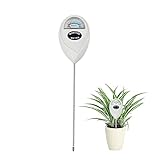
- 【SAVE YOUR PLANTS】: Over watering can cause problems with your plants or even kill them. This soil moisture meter helps you know the soil is dry, moist or wet.No more over watering!
- 【ACCURATE & FAST READING】: This plant moisture sensor can get accurate and fast reading of moisture level in the soil, just plunge the probe sensor into the soil to the plant root region and read the meter. No need to wait!
- 【NO BATTERY NEEDED】: The plant hygrometer is simple and easy to use, no battery or electricity needed. The meter probe can easily get down to the plant roots area and tell if you need to water or not.
- 【INDOOR OUTDOOR USE】: With 6.7 inch long probe sensor design, this soil moisture meter is suitable for both indoor and outdoor use. Great lifesaver for indoor outdoor plants and flowers, hanging flower baskets, potted plants,vegetable, grass watering,picky plants.
- 【GREAT SIZE & PORTABLE】: This soil meter is a great handy tool for home gardeners, plant lovers, beginners. Do not leave the soil moisture meter in the soil for long time or directly soak it into a cup of water that will ruin the device.
Brown or black leaf spots
Brown-to-black spots can result from fungi, bacteria, or viruses, and similar marks can also follow environmental injury. Wet leaves, poor airflow, and crowding may contribute, but appearance alone cannot reliably identify the pathogen. Remove leaves that are badly affected, keep tools clean, and avoid splashing water from one plant to another. Do not assume that every spot calls for a fungicide.
White growth on the potting mix
Surface growth on soil can be saprophytic, feeding on decaying organic material, rather than a disease attacking leaves. Scrape away the affected surface, improve airflow, and let the mix dry to the appropriate level for the plant. Also inspect roots and foliage: a plant that is declining, smells sour, or remains waterlogged needs a drainage and root-zone assessment, not just removal of the visible surface growth.
Recognizing common office-plant pests
Inspect both sides of every leaf, the junctions between leaves and stems, stems themselves, and the newest growth. Early detection is easier when plants are checked routinely rather than only after leaves drop.
What’s actually slowing this PC down?
Pick the symptom - the matching free tool is one click away.
| Clue | Likely pest | What to inspect or do |
|---|---|---|
| Cottony white wax on leaves, stems, or leaf axils | Mealybugs | Check protected crevices and growing points; physically remove accessible insects and isolate the plant while monitoring. |
| Small, stationary bumps on stems or leaf veins | Scale | Look for clusters along veins and stems; remove heavily infested parts and use only a product labeled for that indoor plant and pest if needed. |
| Fine webbing, stippling, or mottled leaves | Spider mites | Inspect undersides with a hand lens; rinse foliage when appropriate for the species and repeat inspections because eggs and survivors can remain. |
| Clusters at growing tips, sometimes with sticky honeydew | Aphids | Check new growth and nearby leaves; rinse or remove manageable colonies and watch for black sooty mold on honeydew. |
| Small dark flies around pots or moist mix | Fungus gnats | Inspect the soil and drainage area; larvae thrive in wet mix and decaying material. |
For any pest, early physical removal, pruning of heavily infested parts, and water rinsing where the plant tolerates it can reduce numbers. If you use a pesticide, the label must permit indoor use and specify the pest and plant or use site. Follow all directions, protect people and pets in the workspace, and avoid treating a plant when you have not identified the target.
Best Value
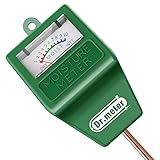
- Compact & Portable: Have you been sticking your finger in the soil hoping to feel when it's time to water? Why not eliminate the guesswork and keep your hands clean when you use the Dr.meter Soil Moisture Sensor Meter! Know the right time to water your garden, farm, lawn and houseplants, anytime.
- Easy to Read: No experience required--while this plant moisture meter is sophisticated, it's not complicated! With an interface using ten scales and a color-coded reading system from red, green to blue, it's never been more straightforward reading your soil moisture.
- No Batteries Required: Who needs batteries or electricity? Just plug the plant water meter into the ground and get a reading in no time.
- Gentle to Plant Roots: Keep roots intact when you do readings thanks to the single probe design. You won't have to dig up too much soil or disturb sensitive roots when you take readings so your plants can stay perfectly healthy.
- Helpful Tips: The moisture meter is designed only for soil testing and should not be used in liquids. Keep soil probe away from rocks and extremely hard soil to avoid damaging it. Make sure to clean the probe after each use.
Fungus gnats: distinguish adults from the real source
Adult fungus gnats are small, dark flies and are mainly a nuisance; Iowa State reports that they do not cause notable damage to houseplants. Their larvae live in moist soil and feed on fungi and decaying material, so a recurring flight of gnats is often a clue that the potting mix stays too wet.
A step-by-step control plan
- Confirm the source. Watch whether flies emerge from a plant, a drain, or a condensation tray. University of Maryland Extension recommends checking drains as well as pots because not every indoor fly originates in plant soil.
- Change watering. Allow the soil surface to dry between waterings as appropriate for the plant, and never leave the container in standing water. This addresses the larval habitat rather than only the adults.
- Use yellow sticky traps for monitoring. Place traps near the soil or plant canopy to catch adults and measure activity. Traps do not stop larvae already in the mix or prevent new adults from hatching.
- Consider a Bti soil drench. Products containing Bacillus thuringiensis var. israelensis may control larvae when the product label allows use on indoor plants. Follow the label for dilution, application, frequency, and safety.
- Recheck the pot and surrounding area. Continue monitoring after the first intervention. A single trap with fewer flies does not prove that the breeding site has been eliminated.
An insecticide aimed at flying adults will not solve a wet-soil problem by itself. Iowa State specifically cautions that treating fungus gnats with insecticide is ineffective if excessive moisture is the underlying cause.
Choosing a fix by the problem it addresses
| Option | Addresses | Does not address | Best use |
|---|---|---|---|
| Correct watering and drainage | Waterlogged roots, fungus-gnat breeding conditions, some browning and wilting caused by root stress | Established pests on leaves or a disease unrelated to moisture | First response when soil remains wet or the pot cannot drain. |
| Humidity or location adjustment | Dry-air stress, heat, and draft-related tip or edge browning | Root rot or an insect infestation | Plants with crisp margins and a verified dry, hot, or drafty location. |
| Pruning and sanitation | Dead flowers, badly damaged leaves, heavily infested tissue, and visible disease reservoirs | The environmental condition that caused the damage | After correcting care and before tools or waste contact other plants. |
| Yellow sticky traps | Monitoring and catching adult fungus gnats | Larvae in soil and new hatching | Measuring whether adult activity is declining. |
| Bti soil drench labeled for indoor plants | Fungus-gnat larvae | Adult insects and unrelated pests | An added larval-control measure alongside moisture correction. |
| Labeled pesticide | A specifically identified pest when the label permits the use | Wrongly identified pests, poor drainage, low humidity, or salt buildup | Only after identification and label checks, with workplace safety precautions. |
| Discarding a plant | Removing a severe disease or infestation source | Protecting other plants if contaminated tools or waste are mishandled | Advanced crown/root rot or an infestation that cannot be contained. |
A practical office inspection and recovery routine
At the first sign of trouble
- Move the plant slightly away from neighboring plants if pests or disease are possible, while keeping suitable light.
- Photograph the symptom and note its location, date, recent watering, fertilizer, and environmental changes.
- Inspect leaves, stems, flowers, soil, drainage, and roots if repotting is warranted.
- Decide whether the immediate risk is dryness, saturation, pests, disease, or a combination.
During the next watering cycle
- Water only if the root-zone condition and species indicate that it is ready.
- Apply water thoroughly enough to wet the root ball, then allow excess to drain completely.
- Empty saucers and sleeves and confirm that the drainage hole is not blocked.
- Do not add fertilizer to a stressed plant until salt buildup and root health have been considered.
Over the following weeks
- Check the same leaves and new growth for progression rather than judging success by old brown tissue.
- Inspect traps, soil moisture, and pest hiding places at each visit.
- Keep affected plants from sharing tools, runoff, or discarded leaves with healthy plants.
- Escalate to a qualified horticulturist or extension service when the diagnosis remains uncertain, decline is rapid, or root and crown rot is suspected.
Common mistakes that prolong the problem
- Watering on a calendar: office temperature, light, pot size, and plant species change the drying rate.
- Equating every brown tip with thirst: salts, fluoride-sensitive species, humidity, heat, drafts, overwatering, and excessive dryness can look similar.
- Spraying before identifying the pest: a treatment for aphids will not correct fungus-gnat larvae or root rot.
- Using sticky traps as the whole gnat treatment: traps catch adults but do not stop hatching in wet soil.
- Leaving infected debris in the pot: old flowers and dead leaves can sustain gray mold and other problems.
- Keeping a diseased plant with the collection: severe rot or a heavy infestation may justify disposal rather than risking nearby plants.
- Ignoring workplace safety: pesticide labels govern indoor use, ventilation, re-entry, storage, and protection of occupants; follow them exactly.
When to replace rather than rescue
Rescue is reasonable when the plant still has healthy roots, a firm crown, and enough unaffected foliage to recover after conditions are corrected. Replacement is often the safer choice when roots and the crown are extensively dark and mushy, decline is rapid, or pests cover much of the plant and nearby plants are at risk. Dispose of diseased material carefully, clean tools and surfaces, and inspect other plants before bringing a replacement into the same location.
Do these 3 things before closing this tab:
1Repair Windows errors before they cause bigger problems2Scan for outdated or missing drivers - takes under a minute3Clear out junk files and repair common Windows errorsWhat the extension guidance supports
Iowa State University Extension’s houseplant guidance, including pages reviewed in January 2024, emphasizes diagnosis from environmental conditions, poor culture, diseases, and insect clues rather than a universal care schedule. University of Maryland Extension’s “Fungus Gnats” page was updated July 2, 2026, and its indoor-plant diagnosis page February 5, 2025; both support confirming the source, drying soil appropriately, monitoring adults, and considering labeled Bti for larvae. The University of California Statewide Integrated Pest Management Program’s houseplant guidance likewise treats brown tips as a symptom with multiple possible causes. These recommendations concern indoor houseplants generally; no office-specific prevalence or universal watering interval is established.
Quick Recap
Product prices and availability are accurate as of the date/time indicated and are subject to change. Any price and availability information displayed on Amazon at the time of purchase will apply.

