Do these 3 things before closing this tab:
1Clear out junk files and repair common Windows errors2Scan for outdated or missing drivers - takes under a minute3Repair Windows errors before they cause bigger problemsUsually, the landlord is responsible for repairing damp and mould when the cause is a defect, disrepair or failed installation the landlord controls. A tenant is not automatically liable because the moisture is described as “condensation”. Liability can change if a tenant caused damage, deliberately blocked ventilation or breached the tenancy agreement. The answer also depends on whether the property is in England or Scotland and whether the landlord is private or social.
Start with the cause, not the label
Damp and mould describe a condition, not who must pay for the remedy. The same visible mould could result from a leaking roof, failed plumbing, defective damp-proofing, cold bridges, inadequate insulation, insufficient ventilation, heating problems or condensation. Those causes require different investigations and may produce different legal responsibilities.
As an Amazon Associate I earn from qualifying purchases.
In England, landlords generally must repair defects and installations for which they are responsible. In Scotland, landlords must meet the Repairing Standard and Tolerable Standard, including keeping the property substantially free from damp or mould and wind and watertight. In either country, a tenant should report the problem promptly and allow reasonable access for inspection and repair.
The Tool Desk
Outbyte Driver Updater FREEFix the driver behind crashes, sound loss and screen glitchesFind Drivers →Outbyte PC Repair FREEClear out junk files and repair common Windows errorsFree Scan →A tenant can be responsible for damage they caused or for a contractual breach, such as deliberately blocking ventilation. Ordinary household activity, however, does not by itself prove tenant fault. The evidence about the building, equipment, moisture pattern, notice and access matters.
#1 Best Overall
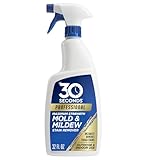
- BRIGHTER RESULTS INSTANTLY: Noticeably brightens indoor and outdoor surfaces, removing black mold and mildew stains as you watch, with no scrubbing or pressure washing required for fast, visible results
- NO SCRUBBING REQUIRED: Avoid the hassle and backbreaking work of scrubbing tough stains; the PRO formula lifts mold and mildew stains on contact so you simply apply, watch and rinse where needed
- 2X STRONGER FORMULA: The PRO formula is 2X stronger than the standard 30 SECONDS Outdoor Cleaner, made for your toughest black mold and mildew stains and messes on both indoor and outdoor surfaces
- OUTDOOR AND INDOOR USE: Use on siding, fences, decks, concrete floors, brick walls, drywall, wood, kitchen surfaces, bathroom tile and grout, bathtub soap scum and showers where mold and mildew can grow
- REMOVES BLACK MOLD STAINS & MORE: Targets stubborn black mold and mildew stains on a wide range of surfaces, giving a brighter, cleaner result indoors and outdoors without scrubbing or pressure washing
What commonly causes damp and mould?
Leaks and water penetration
Roof failures, leaking gutters, defective plumbing, damaged walls, failed seals and rising or penetrating damp are building or installation issues to investigate. A persistent patch that worsens after rain, a leak around a pipe or staining below a roof defect should be reported with dates and photographs.
Condensation
Condensation forms when warm, moist air meets a colder surface. It can be connected to inadequate heating, ventilation or thermal insulation, as well as defects in the building fabric. Scottish statutory guidance specifically warns landlords not to assume that condensation is caused by tenant behaviour. A cold room, missing insulation or an ineffective extractor can create condensation even when a tenant is using the home normally.
Tenant-caused damage or a contractual breach
A tenant may face liability where they caused physical damage, intentionally blocked vents, failed to report a known leak, or otherwise breached the tenancy agreement. That conclusion should follow an inspection and the actual evidence. A landlord should not reject a report merely by asserting that the tenant’s “lifestyle” caused it.
What’s actually slowing this PC down?
Pick the symptom - the matching free tool is one click away.
England: private-rented homes
Repairs normally within the landlord’s responsibility
Government tenant guidance lists the structure and exterior, sanitary fittings and pipes, heating and hot-water systems, gas appliances and ventilation, electrical wiring, and damage caused by attempted repairs among matters generally owed by the landlord. Common areas are usually the landlord’s responsibility as well. The tenancy agreement can clarify arrangements, but a tenant should only carry out repairs where the agreement permits it.
Report damp or mould to the landlord or managing agent as soon as it appears. Written notice is safest because it creates a date-stamped record. Include the affected rooms, when the problem began, whether it recurs, any leak or odour, heating and ventilation conditions, and any belongings or health effects affected.
Fitness for human habitation
Section 10 of the Landlord and Tenant Act 1985 includes “freedom from damp” among the matters used to assess whether a dwelling is fit for human habitation. This does not mean every instance of moisture automatically makes a home legally unfit. The test considers whether the dwelling is so defective that it is not reasonably suitable for occupation. The condition, extent, persistence and cause all matter.
Rank #2

- Eliminates & Helps Prevent Mold: Targets existing mold at the source and leaves behind an invisible barrier that helps prevent future growth.
- EPA-Registered Solution: Registered with the U.S. Environmental Protection Agency for mold control when used as directed.
- Bleach-Free, Odorless, VOC-Free: Contains no bleach, ammonia, or volatile organic compounds, helping maintain healthy indoor air quality.
- Safe on Most Surfaces: Works on drywall, wood, tile, grout, concrete, fabric, and other common building materials.
- Versatile Use: Ideal for bathrooms, kitchens, basements, attics, laundry rooms, vehicles, and outdoor surfaces such as decks and patios.
England: social housing and Awaab’s Law
Phase 1 of Awaab’s Law applies to social landlords in England from 27 October 2025. It covers emergency hazards and damp and mould hazards presenting a significant risk of harm, where the hazard stems from a deficiency in a building or land for which the landlord is responsible, is within the landlord’s control to fix, and is not damage resulting from a tenant’s breach of contract.
Quick wins for a faster PC:
Fix the driver behind crashes, sound loss and screen glitchesFind Drivers →Clear out junk files and repair common Windows errorsFree Scan →The cited Phase 1 guidance is for social landlords. Do not apply its deadlines automatically to a private English tenancy; private renters rely on the general repair and fitness protections described above.
The guidance requires landlords to investigate rather than dismiss a report based on an assumption about lifestyle. The Ministry of Housing, Communities and Local Government states: “It is unacceptable for social landlords to assume that the cause of a hazard, such as damp and mould, is due to the tenant’s ‘lifestyle’.” The guidance was updated on 16 July 2026.
Where a hazard is caused by a tenant’s contractual breach, the specific Awaab’s Law timeframes may not apply to that hazard. That does not remove every other legal duty to keep the home safe, and it does not justify refusing to inspect the reported condition.
Scotland: Repairing Standard and 2026 deadlines
Landlord’s statutory standard
Scottish private and social landlords are legally responsible for meeting the Repairing Standard and Tolerable Standard. The property must be substantially free from damp or mould and wind and watertight. Tenants should report repair needs promptly and provide reasonable access.
Investigation and repair timetable
For reports covered by the Scottish rules in force from 6 October 2026, a competent person must investigate a damp or mould report within 10 working days. The landlord must provide a written summary within three working days after the investigation concludes. If substantial damp or mould is found, required repairs must commence within five working days after the investigation concludes. The work should be completed as soon as possible, and landlords must reduce damp and mould while a delayed inspection or repair is pending.
Rank #3

- KILLS MOLD: EPA-registered formula kills mold and helps control mold and mildew on hard, nonporous surfaces when used as directed
- CLEANS AND DISINFECTS: Ready-to-use disinfectant cleaner provides non-acid cleaning performance while disinfecting treated hard, nonporous surfaces
- INHIBITS MILDEW GROWTH: Helps inhibit the growth of mold and mildew and the odors they cause when applied according to label directions.
- BLEACH-FREE FORMULA: Bleach-free cleaner deodorizes treated surfaces and leaves behind a fresh scent
- READY-TO-USE SPRAY: 32 fl oz trigger bottle is designed for household, commercial and industrial cleaning applications
These are procedural deadlines, not permission to leave a dangerous home untouched until the final day. Report urgent risks clearly and keep evidence of when the landlord received the report.
Landlord and tenant responsibilities compared
| Question | Landlord’s usual responsibility | Tenant’s responsibility |
|---|---|---|
| Building defects | Investigate and repair leaks, failed fabric, defective installations and related damage within the landlord’s control. | Report the defect promptly and describe what is happening accurately. |
| Ventilation and heating | Maintain landlord-provided ventilation, heating, hot-water and electrical systems and address defects that contribute to moisture. | Use provided systems normally where safe, avoid deliberately blocking vents and report failures. |
| Access | Arrange a competent inspection and explain findings and proposed work. | Provide reasonable access for inspection and repairs, subject to the tenancy’s notice rules. |
| Damage caused by a tenant | Assess the evidence rather than relying on an assumption about “lifestyle”. | May be liable for damage or a proven contractual breach. |
| Records | Keep repair, inspection and hazard records required by the applicable regime. | Keep notices, photographs, dates, reports and receipts for damaged belongings. |
What to do when you discover damp or mould
- Document the condition safely. Photograph each affected area, including a wider room view and close-ups. Record the date, room, smell, visible staining, recurrence, leaks and any damage to belongings. Do not clean or cover extensive mould before documenting it if that would erase useful evidence, and avoid disturbing material that could pose a health risk.
- Notify the landlord or agent in writing. State that you are reporting damp or mould and request an inspection. Describe locations, dates, recurrence, heating and ventilation conditions, and any urgent risk. Ask for confirmation that the report has been logged and for the inspection findings in writing.
- Keep the communication trail. Save emails, letters, portal messages, photographs, inspection reports, contractor notes and receipts. If you speak by phone, write down the date, person, advice and promised action immediately afterwards.
- Provide reasonable access. Offer practical appointment times and explain any access constraints. Refusing reasonable access can delay diagnosis and may affect how responsibility is assessed. Ask for proper notice where the tenancy requires it.
- Describe conditions honestly. Explain when rooms are heated, whether vents or extractor fans work, and whether the problem follows rain or plumbing use. Accurate information helps distinguish condensation from a leak or building defect.
- Do not withhold rent or commission major work and deduct the cost without advice. Rent withholding and “repair and deduct” arrangements can create arrears or contractual disputes. Obtain jurisdiction-specific housing advice before taking either step.
If the landlord says “it is condensation”
Ask what inspection supports that conclusion and whether the inspector checked the roof, plumbing, external walls, damp-proofing, insulation, heating and ventilation. Condensation may be the immediate mechanism while a building defect is the underlying cause. A competent investigation should consider both.
Ask for practical findings rather than a label: the suspected moisture source, areas inspected, measurements or observations relied on, remedial work proposed, and the date for completion. Keep your request factual and avoid admitting liability before the cause is established.
Escalating an unresolved problem
England
If a landlord does not investigate or repair after written notice, follow the landlord’s complaints procedure and retain the complaint reference. An England tenant can contact the local council’s environmental health department and ask whether it can inspect under the housing health and safety framework. Council processes and enforcement powers vary, so follow the local team’s evidence and appointment requirements.
Social tenants should also use the landlord’s formal complaints route and explain if the reported condition may be an emergency hazard or a damp and mould hazard presenting a significant risk of harm. Give the dates of the original report, inspection and any missed action.
Scotland
If a Scottish landlord fails to meet the Repairing Standard, a tenant or council can apply to the First-tier Tribunal for Scotland Housing and Property Chamber. Keep the written report, photographs, access offers, inspection summary and repair timetable. Tribunal procedure and forms can change, so check current instructions before applying.
Rank #4
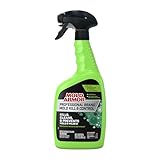
- KILLS, CLEANS & PREVENTS MOLD AND MILDEW: Kill and clean up mold and mildew on your hard, non-porous surfaces with MOLD ARMOR Professional Brand Mold Kill & Control.
- FAST RESULTS, NO SCRUBBING REQUIRED: This mold and mildew cleaner features a fast-acting formula that produces visible results in minutes without scrubbing.
- IDEAL FOR USE ON laminate, linoleum, sealed grout, stainless steel and plastic surfaces. Professional Brand Mold Killer eliminates bacteria and viruses on shower stalls and garbage cans as well as in your bathroom, bedroom and basement.
- EASY TO USE: Test on an inconspicuous area before use. Apply to stains and wait 10 minutes. Rinse with water or wipe with a damp sponge within 15 minutes of application. Rinse food contact surfaces with potable water.
- INHIBIT NEW MOLD GROWTH: To prevent mold and mildew growth, thoroughly wet surface, allow to air dry and repeat every 7 days. Effective against Aspergillus niger. Pre-clean heavily soiled surfaces.
Health, evidence and temporary precautions
Mould can affect health, particularly for people with asthma, allergies or other vulnerabilities. Tell the landlord if anyone in the household is experiencing symptoms or has a relevant medical vulnerability, and seek medical advice for health concerns. This information can help the landlord assess urgency, but it does not replace an inspection.
Recommended Free Tools
Continue ordinary, safe ventilation and heating practices where systems work and doing so is practical. Do not treat cleaning products, a moisture reading or a portable appliance as proof of legal responsibility or as a substitute for repairing a structural cause. Extensive contamination, hidden moisture or recurring mould needs an appropriate inspection.
How common is damp in English social housing?
| Measure | Reported figure | Qualification |
|---|---|---|
| Social homes with damp problems | 7% (approximately 288,000 homes) | Estimate reported by the Ministry of Housing, Communities and Local Government in 2025; England social housing only. |
| Social homes with a Category 1 hazard | 4% | Estimate reported by the Ministry of Housing, Communities and Local Government in 2025; England social housing only. |
These figures are not a current UK-wide prevalence rate and do not establish the rate in private rentals, Scotland, Wales or Northern Ireland.
Decision checklist: who is most likely to be responsible?
- Likely landlord issue: water enters after rain, a pipe or roof leaks, an extractor or heating system supplied with the property fails, insulation or damp-proofing is defective, or mould returns after surface cleaning.
- Further investigation needed: mould appears mainly on cold external surfaces, ventilation is weak, heating is inadequate, or the landlord and tenant disagree about how the room is used.
- Possible tenant liability: the tenant caused physical damage, deliberately blocked ventilation, failed to report a known leak for an unreasonable period, or breached a clear tenancy obligation. Evidence is still required.
- Urgent escalation: there is a serious health risk, a rapidly worsening leak, unsafe electrics, structural damage or a vulnerable occupant affected. State the risk explicitly in the written report.
Scope and final answer
This explanation covers England and Scotland as at October 2026. Detailed current rules for Wales and Northern Ireland are not established here, so tenants there should obtain country-specific advice.
The practical answer to “Who is responsible for damp and mould repairs: landlord or tenant?” is: the party responsible for the proven cause, subject to the country’s repair law and tenancy terms. Landlords normally repair defects and landlord-controlled installations; tenants must report problems, cooperate with access and avoid causing damage. Condensation is not automatic proof of tenant fault, and a landlord should investigate before assigning blame.
Quick Recap
Product prices and availability are accurate as of the date/time indicated and are subject to change. Any price and availability information displayed on Amazon at the time of purchase will apply.

