Free tools Windows power users keep installed
One-click scans. No signup required.
The simplest published baking-soda-and-peroxide grout cleaner is a spreadable paste: mix ½ cup baking soda, ¼ cup hydrogen peroxide and 1 teaspoon liquid dish soap. Apply it to a short section of grout, leave it for 1–2 minutes, scrub with a grout or small nylon brush, then rinse thoroughly and wipe dry. This can lift ordinary soil and make grout look brighter, but it is not a guaranteed fix for deeply set stains, damaged grout or recurring discoloration.
How do I clean grout with baking soda and peroxide?
Use the following measured recipe, adapted from Scotch-Brite’s grout-cleaning directions:
As an Amazon Associate I earn from qualifying purchases.
- ½ cup baking soda
- ¼ cup hydrogen peroxide
- 1 teaspoon liquid dish soap
Stir the ingredients into a paste that will stay on a vertical or narrow grout joint. If it is too runny, add a little baking soda; if it is too stiff to spread, add a small amount of peroxide. Published recipes are not standardized: Home Depot publishes a different baking-soda, peroxide and mild-soap ratio, so treat any stated proportions and dwell time as directions for that particular recipe, not a universal formula.
What’s actually slowing this PC down?
Pick the symptom - the matching free tool is one click away.
Before you apply the paste
Identify the grout and tile
Check the tile and grout manufacturer’s care instructions first. Cement-based grout is alkaline and can be damaged by acids. The Tile Council of North America explains: “Cement is not – rather it is alkaline based and is dissolved by acids.” This baking-soda mixture is not an acid cleaner, but compatibility still depends on the actual tile, grout, sealer and finish.
#1 Best Overall

- A HOUSEHOLD CLASSIC: This 2.7 lb resealable bag of ARM & HAMMER Baking Soda unlocks 100+ uses across your home—from kitchens and laundry rooms to crafting tables and beyond
- PURE & NATURAL: America’s Most Trusted Baking Soda Brand is safe to use around kids and pets; no additives or chemicals, no cornstarch, and no fragrance
- FOOD-GRADE FOR BETTER RESULTS: USP-grade 1 crystals create fluffier cakes, muffins, cookies, and breads; use it in gluten free, kosher, vegan, paleo-friendly, and organic baking recipes
- DIY HOME HACKS: A multi-purpose essential to help freshen carpets, brighten laundry, freshen drains, scrub sinks, clean jewelry, craft kids’ sensory play & science experiments with one ingredient
- SUSTAINABLY MADE IN THE USA: Proudly made and packaged in Green River, Wyoming, using 100% certified renewable energy for a more sustainable, quality baking soda you can trust
Remove loose dirt
Sweep or vacuum the floor and wipe away loose grit. Cleaning over abrasive debris can spread soil and increase the chance of scratching a glossy tile surface.
Test an inconspicuous area
Put a small amount on a hidden grout line or spare tile, wait the same short period you plan to use, scrub gently and rinse. Testing is especially important for colored grout, natural stone, unusual finishes and installations with an unknown sealer.
Rank #2
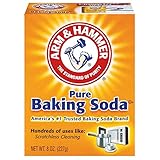
- For Baking, Cleaning, and Deodorizing
Step-by-step method
- Mix the paste. Combine ½ cup baking soda, ¼ cup hydrogen peroxide and 1 teaspoon liquid dish soap in a nonreactive container.
- Work in short sections. Spoon or squeeze a small amount directly along a limited length of grout rather than coating the entire floor at once.
- Let it sit briefly. Leave the Scotch-Brite mixture in place for 1–2 minutes. Do not let the paste dry onto the tile.
- Scrub the joint. Use a grout/detail brush or small nylon brush with controlled strokes along the grout line. Use modest pressure; an aggressive brush can wear grout or scratch some tile finishes.
- Rinse completely. Wipe up the loosened soil and cleaner with clean water. Repeat the rinse until no slippery soap film remains.
- Dry and inspect. Wipe the area dry, then check the grout in good light. Continue section by section only if the test area and first cleaned section look acceptable.
What results should you expect?
The paste is most appropriate for ordinary surface soil, light discoloration and residue that responds to alkaline cleaning and brushing. “Brighten” is the realistic goal: the grout may look cleaner without returning to its original color.
No cited source establishes a controlled comparison, success rate or guarantee. Old stains that have penetrated the grout, moisture-related discoloration, efflorescence, mold-like growth, grout erosion and stains that quickly return may need a different diagnosis or treatment.
Rank #3

- A HOUSEHOLD CLASSIC: This bulk 7 lb resealable bag of ARM & HAMMER Baking Soda unlocks 100+ uses across your home—from kitchens and laundry rooms to crafting tables and beyond
- PURE & NATURAL: America’s Most Trusted Baking Soda Brand is safe to use around kids and pets; no additives or chemicals, no cornstarch, and no fragrance
- FOOD-GRADE FOR BETTER RESULTS: USP-grade 1 crystals create fluffier cakes, muffins, cookies, and breads; use it in gluten free, kosher, vegan, paleo-friendly, and organic baking recipes
- NATURAL HOME HELPER: Freshen carpets, brighten laundry, scrub sinks, wash fruits and vegetables, refresh grills and cookware, and cut pet odors without harsh chemicals
- DIY HACKS: A multi-purpose essential for small spaces and apartments; create exfoliating scrubs, freshen drains, or clean jewelry with one versatile ingredient
Important safety and compatibility limits
Never mix it with bleach or other cleaners
Use the recipe by itself. Do not add chlorine bleach, acids, ammonia or another cleaning product. Combining cleaners can create hazardous reactions, and the cited care guidance does not validate such mixtures.
Be cautious with colored grout
Do not assume any brightening paste is color-safe. Home Depot specifically warns that chlorine bleach can leach color from tinted grout. For colored grout, rely on the manufacturer’s directions and the hidden-spot test rather than trying to force a whiter appearance.
Rank #4

- POP ONE IN, STOP ODOR: Pack of 12 x 14 oz ARM & HAMMER Fridge-n-Freezer Baking Soda Odor Absorbers helps food taste as it should by absorbing and deodorizing lingering odors without harsh chemicals
- SPILL-PROOF DESIGN: Built-in Flo-Thru technology lets air circulate through dual-panel vents for maximum odor control while preventing spills, a must-have for home or commercial kitchens
- SMALL SPACE SUPERSTAR: Works to neutralize odors, not just mask them, in enclosed spaces like the pantry, cabinets, closets, under bathroom sinks, pet areas, and beyond
- LONG-LASTING UP TO 30-DAYS: To use, remove perforated panels on the front and back; place upright to absorb unwanted odors, and replace every 30 days for best results
- UNSCENTED ODOR ABSORBER: No fragrance or essential oils added; made with ARM & HAMMER Pure & Natural Baking Soda, sustainably made in Green River, Wyoming
Protect the tile surface
Rinse away all residue. Avoid oil- or wax-based cleaners, which the Tile Council of North America warns can leave a film. Use a brush suitable for the surface and stop if the tile finish becomes dull, scratched or visibly altered.
Recommended Free Tools
When baking soda and peroxide is the wrong next step
Acid-related risks
Do not substitute vinegar, lemon juice or another acid for peroxide on cementitious grout. Acid can dissolve cement-based grout, even when the tile itself appears unaffected.
Best Value

- One 4-pound resealable bag of Baking Soda
- Great for baking, cleaning & freshening
- Amazon Grocery has all the favorites you love for less. You’ll find everything you need for great-tasting meals in one shopping trip
- Feed your every day with Amazon Grocery
Stubborn or unidentified stains
For a stain that remains after a careful test and rinse, identify the stain and follow the tile, grout or sealer manufacturer’s instructions. Home Depot describes oxygenated bleach as one possible escalation, with a hidden-spot test and thorough rinsing; it is not automatically suitable for every grout or tile.
Damaged grout or persistent moisture
Cleaning will not repair missing, cracked or powdery grout, nor will it solve a leak or chronic dampness. Address the underlying installation or moisture problem before applying more chemicals. A qualified tile professional can assess persistent discoloration when the cause is unclear.
After cleaning: sealing depends on the grout
The Tile Council of North America generally considers sealing a good idea for cementitious grout, but epoxy grout is different and may not need the same treatment. Use only a sealer specified for the actual grout and follow its label and the installation manufacturer’s instructions. Grout haze and sealer questions should be directed to the grout or sealer manufacturer, as Daltile’s general care guidance recommends.
Outdated Drivers Are Slowing You Down
One free scan finds every outdated or missing driver and matches the right update for your exact hardware.Free scan · exact hardware matchWindows Errors? Fix Them Before They Spread
Repair common Windows errors and clear accumulated junk for a smoother, more stable PC - no reinstall needed.Free scan · no reinstallQuick Recap
A practical checklist
- Read the tile, grout and sealer care instructions.
- Remove loose grit before wet cleaning.
- Mix ½ cup baking soda, ¼ cup hydrogen peroxide and 1 teaspoon dish soap.
- Test a hidden area first when the material or finish is unfamiliar.
- Apply only to a short section and leave on for 1–2 minutes.
- Scrub with a grout/detail or small nylon brush.
- Rinse until all cleaner and soap film are gone, then dry.
- Do not combine the paste with bleach or other cleaners.
- Escalate persistent stains according to the manufacturer’s guidance instead of repeating increasingly harsh treatments.
Product prices and availability are accurate as of the date/time indicated and are subject to change. Any price and availability information displayed on Amazon at the time of purchase will apply.

