Quick wins for a faster PC:
Repair Windows errors before they cause bigger problemsFix Now →Scan for outdated or missing drivers - takes under a minuteDriver Scan →Clear out junk files and repair common Windows errorsFree Scan →Cucumber plants pass through six practical growth stages: germination, seedling establishment, vegetative vine growth, flowering and pollination, fruit development, and harvest with continued production. A cucumber does not follow a perfectly fixed calendar, however. Soil temperature, moisture, cultivar, planting method, growing environment, and pollination type all affect how quickly it moves from one stage to the next.
The stages also overlap. A mature vine may have new flowers, enlarging cucumbers, and harvest-ready fruit at the same time. Use the framework below to identify what your plant needs now rather than relying on a single day-by-day schedule.
As an Amazon Associate I earn from qualifying purchases.
At a glance: the six cucumber growth stages
| Stage | What you will see | Main priorities |
|---|---|---|
| 1. Germination | The seed absorbs water, then the root and shoot emerge. | Warm soil, even moisture, and minimal disturbance. |
| 2. Seedling establishment | Cotyledons appear, followed by the first true leaves. | Strong light, frost protection, spacing, and careful handling. |
| 3. Vegetative vine growth | Roots, leaves, stems, tendrils, and vines expand. | Full sun, regular water, support, and balanced nutrition. |
| 4. Flowering and pollination | Male and female flowers form at the leaf axils. | Pollination for conventional varieties and suitable growing conditions. |
| 5. Fruit development | The ovary enlarges into a rapidly growing cucumber. | Consistent moisture, adequate nutrition, and timely harvesting. |
| 6. Harvest and continued production | Immature fruit is picked while the plant keeps producing. | Frequent picking and removal of overmature fruit. |
Many garden cucumbers produce their first harvest approximately 50 to 65 days from seed, but that is only a general estimate. Some bush types may mature in about 50 days, while some vining types take about 60 days or more. Count the days as a planning guide, then judge the plant by its growth and the fruit’s size and appearance.
Stage 1: Germination — from seed to sprout
Germination begins when a cucumber seed absorbs water and its internal biological activity resumes. The embryonic root usually emerges first, followed by the shoot that will push above the soil.
#1 Best Overall

- EASIER SEED STARTING: Our Burpee SuperSeed tray with 36 flexible pop-out cells is designed to simplify indoor seed starting for all your favorite vegetables, flowers and herbs. Just add seed starting mix, seeds, water and light to get growing! Rows are labeled alphanumerically for seedling identification with included Plant-o-Gram diagram. Tray dimensions: 11.5" x 10-3/8" x 2-1/4"
- SMARTER WATERING SYSTEM: Molded corner slots in each cell improve drainage and soil aeration to set your seeds up for germination success. Deep channels in the watering tray draw excess away from the cells, while the raised perimeter edge keeps water contained in the tray - no spills! Seed tray side handles make it easy to lift and pour off excess water or check seedlings daily.
- SIMPLER TRANSPLANTING: Soft food-grade silicone cells cradle seedlings and gently flex to pop out when it’s time to transplant into your outdoor garden! This system is specially designed to reduce stress on your seedlings, so you don't damage their roots. After transplanting, trays are easy to clean and reuse or simply store for next growing season. Top shelf dishwasher safe.
- SEED STARTER TIP: Many favorite vegetables, including peppers and tomatoes, must be started indoors before warmer weather arrives. Start pepper seeds 8-10 weeks before your area’s average last frost date, and tomato seeds 6-8 weeks before last frost. Check your Burpee seed packets for instructions on when and how to plant any of your herb, flower and vegetable seeds.
- 100% GUARANTEED: Burpee is committed to the success of all gardeners. We treat each order with care to ensure healthy seeds, plants, soil mixes and gardening supplies are packaged and sent in excellent condition. If you are unsatisfied with your purchase, we aim to make it right!
Cucumbers are warm-season plants. Direct-sown seeds perform best when the soil is around 65°F or warmer. Cold soil can delay emergence and contribute to poor establishment, even when the seed itself is viable.
What cucumber seeds need
- Warm soil: Use a soil thermometer to check the planting area rather than relying only on the air temperature.
- Even moisture: Keep the soil consistently moist, but not saturated or waterlogged.
- Correct depth: Follow the depth listed for the particular seed packet.
- Minimal disturbance: Once the root begins emerging, avoid digging around or repeatedly moving the seed.
If you are still choosing a variety, compare the expected days to maturity and pollination requirements before buying cucumber seeds. Standard, gynoecious, and parthenocarpic varieties do not all behave the same way later in the season.
There is no reliable universal number of days from sowing to emergence. Soil temperature, moisture, seed age, seed quality, and cultivar all affect the result. If a seed does not emerge, check warmth, moisture, sowing depth, and seed quality before assuming the seed is defective.
Stage 2: Emergence and seedling establishment
Once the shoot breaks through the soil, the seedling displays its first two seed leaves, called cotyledons. The first true leaves then develop and begin contributing more substantially to photosynthesis. Below ground, the root system is becoming established.
Cucumbers are frost-tender. Frost or near-freezing conditions can injure or kill the young top growth, so direct sowing and transplanting should wait until the danger of frost has passed and the soil has warmed.
Care during the seedling stage
- Give seedlings strong light so they do not become tall, thin, and weak.
- Maintain consistent moisture without keeping the soil constantly wet.
- Thin crowded seedlings rather than allowing several plants to compete in one small space.
- Handle transplants gently and disturb the roots as little as possible.
- Harden off indoor-grown plants before moving them permanently outdoors.
Cucumber roots can be damaged during transplanting. If you start plants indoors, use a container that allows the root system to develop without becoming severely pot-bound, and transplant carefully. In many gardens, direct sowing is effective once conditions are warm enough because it avoids transplant shock.
A seedling that collapses, wilts severely, or develops cold damage is not simply moving slowly through a normal stage. Check for frost exposure, saturated soil, root damage, insufficient light, and pests.
Stage 3: Vegetative vine growth
During vegetative growth, the cucumber builds the structure it will use for flowering and fruit production. Roots expand, leaves multiply, stems lengthen, and tendrils begin to grip nearby supports. Depending on the variety and available space, the plant may trail along the ground or climb vertically.
Rank #2

- Upgraded with Adjustable Ventilation - Gardzen seed starter tray has been newly upgraded with two air vents added to the top, allowing you to easily adjust the ventilation for optimal seed growth. Say goodbye to stagnant air and hello to thriving plants!
- High Quality and Durable - These seedling starter trays are made from premium plastic material, ensuring long-lasting use for all your seed starting needs. Comes with thoughtfully attached stickers, you can achieve a tighter fit of dome and base for maximum efficiency.
- 40-Cell Capacity - Each seed starter kit in our set comes with a generous 40-cell capacity, providing ample space for all your seeds to sprout and thrive. Whether you're a beginner or experienced gardener, this plant starter kit is perfect for starting your own garden paradise.
- Easy to Manage Kits - The 40-cell insert tray provides a simple, straightforward way to start seeds and grow plants from cuttings. The drain hole at the bottom of the seed tray prevents over watering. The clear dome allows you to clearly see the growth status.
- Versatile and User-friendly - This seed germination kit is not only suitable for starting seeds but also perfect for propagating cuttings and nurturing young plants.
Provide full sun, regular moisture, and adequate but not excessive nutrition. Cucumber plants need healthy leaves to capture energy, but too much nitrogen can encourage abundant leafy growth while delaying or reducing fruiting.
When to add support
If your cucumber is beginning to vine, a cucumber trellis can keep growth off the ground and make later harvesting easier. Trellising can improve air circulation, reduce contact between fruit and soil, encourage straighter fruit, and make it easier to inspect the plant for pests or disease. Install the support early enough that you do not have to force a large, tangled vine into place.
Guide young vines gently and use soft ties or loose garden twine when necessary. Do not tightly constrict the stem. A trellis is particularly useful in a small garden, although sprawling varieties can also produce successfully when given clean, adequately spaced ground.
The Tool Desk
Outbyte Driver Updater FREEScan for outdated or missing drivers - takes under a minuteDriver Scan →Outbyte PC Repair FREERepair Windows errors before they cause bigger problemsFix Now →What healthy vegetative growth looks like
A healthy plant should show expanding green leaves, active vine growth, and new tendrils. Yellowing leaves, severe wilting, distorted new growth, or widespread leaf spotting are not ordinary signs of “the next stage.” They may indicate water stress, nutrient imbalance, insects, or disease.
Water stress matters throughout the plant’s life but becomes especially important as fruit begins to form. Cucumbers contain roughly 95% water, and drought can reduce fruit development and quality. Water deeply and consistently at the root zone instead of alternating between severe dryness and heavy saturation. A soaker hose or drip irrigation kit can help maintain more even moisture, particularly in raised beds or during hot, dry weather.
Stage 4: Flowering and pollination
Cucumber flowers form at the leaf axils, where the leaf stem joins the main vine or a side shoot. Conventional cucumber plants are usually monoecious, meaning one plant produces separate male and female flowers.
The easiest way to identify a female flower is to look beneath the blossom. A female flower has a tiny cucumber-shaped ovary at its base. A male flower lacks that developing fruit and is attached directly by a slender stem.
How pollination affects fruit set
For standard cucumber varieties, pollen must move from a male flower to a female flower for fertilization and normal fruit set. Bees and other pollinators commonly perform this transfer. Reliable pollination may require approximately 8 to 12 bee visits per flower.
A flower opening does not mean that a cucumber will definitely develop. The female flower must be successfully pollinated unless the variety is capable of parthenocarpic fruit development. Poor pollination can produce fruit that is misshapen, undersized, or aborted before it enlarges.
Important variety differences
- Standard or monoecious varieties: Produce separate male and female flowers and generally need pollen transfer for fruit set.
- Gynoecious varieties: Produce a high proportion of female flowers and may require a pollinator variety nearby, depending on the seed packet and cultivar.
- Parthenocarpic varieties: Can develop fruit without pollination and may produce seedless cucumbers. They are often useful in greenhouse production, where insect access may be limited.
Before diagnosing a pollination problem, check the variety information. A greenhouse parthenocarpic cucumber follows a somewhat different flowering-to-fruit pathway from a conventional outdoor cucumber. Conversely, a standard variety grown where pollinators cannot reach the flowers may produce many blossoms but few enlarging cucumbers.
Stage 5: Fruit development
After successful pollination—or without pollination in a suitable parthenocarpic variety—the small ovary enlarges into a cucumber. Fruit growth can be very rapid, so inspect the plant frequently once flowering begins.
What’s actually slowing this PC down?
Pick the symptom - the matching free tool is one click away.
Rank #3

- 【Keep an eye on your plant】: The only design in the market- High quality clear plastic trays of this seed grow kit make it easier to observe your plants without interrupting the process.
- 【Total control】: Adjustable vents of this seed trays allow you to regulate the temperature and humidity of your seedling environment, so you have total control over the germination process.
- 【Perfect for the heat mat】: With its excellent resistance to high and low temperature, these seedling trays are strong enough to be used on a heat mat and no-worry melting.
- 【Perfect size for large seed】: 1.5 inch square for each cell makes these seed trays are suitable for large seeds, such as potatoes,tomates,perpers, eggplants and so on. 6 trays equivalent to a 1020 flat.
- 【Package include】5 x Seed Tray, 5 x Watertight Base Tray, 5 x Humidity Dome, 10 x Plant Labels (A must have for seedling).
Under spring greenhouse conditions, the greatest growth may occur approximately 6 to 14 days after the flower opens, with commercially acceptable size sometimes reached around the eleventh day. Outdoor timing varies substantially by cucumber type, weather, plant health, and the size preferred for harvest.
For example, some cucumbers may be ready roughly 5 to 7 days after flowering, while cultivar-specific examples range from approximately 4 to 5 days after pollination for small pickling cucumbers to 15 to 18 days for larger slicing types. These estimates are not contradictory: they refer to different varieties, growing conditions, desired harvest sizes, and starting points for counting.
Supporting fruit development
- Keep root-zone moisture consistent as fruit enlarges.
- Avoid excessive nitrogen, which may favor leaves over fruit.
- Monitor for insects and disease, especially in dense foliage.
- Harvest fruit before it becomes oversized and diverts the plant’s energy into seed development.
- Remove severely distorted or aborted fruit when practical.
Crooked, nubbed, bitter, misshapen, or aborted fruit can result from poor pollination, drought, low fertility, high temperatures, or other plant stress. One imperfect cucumber does not identify a single cause by itself; look at the weather, watering pattern, variety, and pollinator activity together.
Stage 6: Harvest and continued production
Most cucumbers are harvested while they are still immature—before the seeds enlarge and harden and before the skin turns yellow. The correct size depends on the cultivar and how the fruit will be used.
Do these 3 things before closing this tab:
1Fix the driver behind crashes, sound loss and screen glitches2Repair Windows errors before they cause bigger problems3Scan for outdated or missing drivers - takes under a minute| Use | Common harvest range | Important qualification |
|---|---|---|
| Pickling cucumbers | About 2–4 inches | Harvest according to the variety and the desired pickle size. |
| Slicing cucumbers | About 5–8 inches | Some cultivars are best picked smaller or larger. |
Check the seed packet or cultivar description for the best target size. Pick frequently and handle the vines carefully. Regular harvesting encourages the plant to continue flowering and producing, while an oversized or yellowing cucumber can reduce quality and signal that the fruit is overmature.
Use clean harvesting snips or a knife when the stem is difficult to break without pulling the vine. Avoid twisting or yanking fruit from the plant, particularly when the vine is trained on a trellis.
Harvest does not necessarily mark the end of the plant. In favorable conditions, a cucumber vine can continue cycling through flowering, fruit enlargement, and harvest for much of the growing season. Production eventually slows because of age, heat, cold, disease, pests, drought, or declining plant health.
Eating maturity versus seed maturity
A cucumber intended for eating is picked immature. A cucumber being saved for seed follows a different schedule: it may remain on the vine for several weeks after fruit set and eventually change from green toward white, yellow, or orange, depending on the type and growing conditions. Such fruit is generally no longer at its best eating quality, but it has reached a different biological target.
Crashes, No Sound, or Screen Glitches?
Random freezes, missing sound and display glitches usually trace back to one bad driver. Find and replace yours safely.Free scan · under a minutePC Slower Than It Used to Be?
A free scan shows the junk files, broken settings and background clutter dragging Windows down - then fixes them in one click.Free scan · Windows 10 & 11Approximate cucumber timeline
The following timeline is useful for planning, but it should not be treated as a universal calendar:
Rank #4
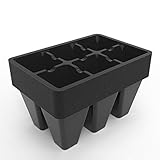
- High Quality and Durable - Our Gardzen Seed Start Trays are made from premium plastic material, ensuring long-lasting use for all your seed starting needs. These trays are designed to withstand daily wear and tear, making them perfect for avid gardeners.
- Healthy Growth - With the dimensions of 5.4*3.7 inches of the seedling tray, each cell measures 1.5 inches square by 2.2 inches deep, providing ample space for the healthy development of your plants' root systems. This allows your seedlings to grow strong and vibrant, giving you a head start in your gardening journey.
- Intimate Design - Drain holes at the bottom of the seed tray prevent over watering and promote suitable soil moisture for seed germination and seedling growth. There are guide channels at the top to ensure water reaches every cell.
- Reusable and Eco-friendly - Simply clean the seedling starter trays after each use, and they will be ready for your next batch of seeds. By opting for these seed starting trays, you are not only saving money but also reduce waste and contribute to a greener environment.
- Versatile and Practical - Our seed trays are suitable for various types of plants, making them a versatile choice for any gardener. Whether you're starting flowers, vegetables, or herbs, these trays provide the ideal growing environment.
- Germination and emergence: From sowing until the shoot appears. Warm soil and even moisture are the main influences.
- Seedling establishment: Cotyledons and true leaves develop. Protect the plant from frost and avoid root disturbance.
- Vegetative growth: The canopy and vine expand. Supply sun, water, support, and balanced nutrition.
- Flowering and pollination: Male and female flowers appear. Pollination determines fruit set in conventional varieties.
- Fruit development: A fertilized or parthenocarpic ovary enlarges rapidly. Harvest timing depends on the cucumber type and desired size.
- Harvest and continued production: Pick immature fruit regularly while new flowers and fruit continue developing.
From seed to first harvest, many garden cucumbers take approximately 50–65 days. Transplants can shorten the time in the outdoor garden because some seedling growth has already occurred, but transplant shock and cool weather may offset that advantage.
Troubleshooting by growth stage
| Symptom | Likely stage | What to check |
|---|---|---|
| Seed does not emerge | Germination | Soil warmth, moisture, sowing depth, seed age, and seed quality. |
| Seedling collapses or suffers cold damage | Emergence and establishment | Frost exposure, cold soil, excessive moisture, root disturbance, and insufficient light. |
| Many leaves but few flowers or fruit | Vegetative growth or flowering | Excess nitrogen, cultivar characteristics, light levels, temperature, and general plant stress. |
| Flowers appear but fruit does not enlarge | Flowering and pollination | Whether the variety needs pollination, whether male and female flowers are present, and whether pollinators can reach them. |
| Cucumbers are crooked or misshapen | Fruit development | Pollination quality, drought, low fertility, high temperatures, and pest or disease pressure. |
| Fruit is yellow, tough, or seedy | Harvest | The fruit was probably left on the vine too long for eating. Pick at the cultivar’s recommended immature size. |
How to tell which stage your plant is in
Look at the newest growth rather than the oldest leaves. A seed below the soil is in germination; a plant with cotyledons and a few true leaves is establishing; lengthening vines and tendrils indicate vegetative growth; open blossoms indicate flowering; swelling ovaries indicate fruit development; and firm, cultivar-sized green cucumbers indicate harvest.
Because these processes overlap, a plant can meet several descriptions at once. For example, a vine with mature cucumbers may still be producing new leaves and flowers. Continue providing the care required by the most active stage, especially consistent water, support, pollination access where needed, and frequent picking.
Recommended Free Tools
Frequently Asked Questions
How long does it take cucumbers to grow from seed to harvest?
Many garden cucumbers produce a first harvest approximately 50–65 days from seed. The actual timing varies with cultivar, soil temperature, weather, planting method, and growing conditions. Bush and vining types can differ, and harvest size also affects the date.
Why do cucumber flowers appear but no cucumbers develop?
In conventional varieties, the female flowers may not be receiving enough pollen. Poor pollination can cause the small ovary to stop growing or become misshapen. Also check whether the variety is gynoecious and needs a pollinator variety. Parthenocarpic cucumbers can set fruit without pollination, so their requirements differ.
When should cucumber seedlings be transplanted outside?
Transplant after the danger of frost has passed and the soil has warmed. Cucumbers are frost-tender, and their roots are easily disturbed, so handle the root ball gently and avoid rough transplanting.
Should cucumber vines be trellised?
Trellising is optional, but it can improve air circulation, keep fruit off the soil, encourage straighter fruit, and make harvesting easier. Add support as the vine begins to grow so you do not have to force a large, tangled plant into position.
Free tools Windows power users keep installed
One-click scans. No signup required.
How often should cucumbers be harvested?
Inspect plants frequently and pick fruit while it is still immature and at the size recommended for its cultivar. Regular picking encourages continued flowering and production. Yellow, oversized fruit is usually overmature for eating.
The Bottom Line
Cucumber growth is best understood as a repeating cycle rather than a rigid six-date calendar: warm the soil for germination, protect and space seedlings, support healthy vine growth, provide pollination when the variety needs it, maintain steady moisture as fruit enlarges, and harvest frequently while the cucumbers are immature. With suitable temperatures and good plant health, flowering, fruit development, and harvest can continue on the same vine at the same time.
Quick Recap
Product prices and availability are accurate as of the date/time indicated and are subject to change. Any price and availability information displayed on Amazon at the time of purchase will apply.

