Short answer: choose from the pump’s electrical data, not its horsepower alone. A permanently installed standby generator is usually the more flexible choice for long outages, multiple household loads, and automatic operation. A battery backup can run a water pump only when its inverter matches the pump’s voltage, starting surge, continuous demand, stored energy, and transfer arrangement. Without those pump and panel details, no responsible generator size or battery model can be specified.
Start with the pump, not the backup product
A well pump is a motor load. The motor may draw far more power for a short period while starting than it uses after it reaches operating speed. That starting requirement is often what makes an otherwise adequate generator or battery inverter fail.
As an Amazon Associate I earn from qualifying purchases.
Before comparing equipment, record these details from the pump nameplate, installation documentation, or model-specific manual:
Quick wins for a faster PC:
Scan for outdated or missing drivers - takes under a minuteDriver Scan →Repair Windows errors before they cause bigger problemsFix Now →Fix the driver behind crashes, sound loss and screen glitchesFind Drivers →- Voltage: note the pump’s rated voltage and whether the installation is single-phase or another configuration shown on the nameplate.
- Running demand: record rated amps or watts while the motor is operating.
- Starting or locked-rotor demand: find the specified startup current or wattage. If the manufacturer does not publish it, ask a well professional or electrician rather than applying a generic multiplier.
- Control equipment: identify pressure-switch controls, control boxes, soft starters, variable-frequency drives, or other equipment that may affect the connection.
- Circuit details: identify the breaker, wiring, and whether the pump is hardwired directly to the service panel.
Portland General Electric emphasizes that pumps come in many sizes and that voltage, starting surge, and running wattage all matter. Generac similarly recommends checking appliance nameplates and obtaining a professional load analysis. A horsepower label is useful for identifying the pump, but it is not enough to size backup power.
#1 Best Overall
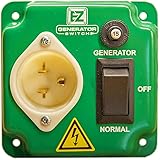
- This is the original, authentic, and patented EZ Generator Switch
- Made and assembled in the U.S.A by a veteran-employed company with real life customer support
- UL / CSA / ETL approved and compliant
- Battery inverter friendly, Bonded or Floating neutrals
- Transfers power to any type of essential load (heat, lights, refrigeration, solar, inverters, sump pumps)
What the two backup types actually provide
Permanent standby generator
A standby generator is installed as part of the home’s electrical system. When utility power fails, an automatic transfer system can disconnect the utility supply and connect selected circuits—or a broader set of loads—to the generator. The household does not have to wheel the unit into position or start it by hand when the system is designed and installed for automatic operation.
The generator’s fuel supply determines how long it can continue operating. The practical limit depends on the available fuel, the generator’s consumption, the pump’s duty cycle, and every other load connected to the backup system. A standby unit can therefore be a strong fit when outages may last for many hours and the pump must share power with refrigeration, heating controls, lighting, communications, or other essential circuits.
Portable generator
A portable generator is a manually managed arrangement. It must be operated, connected, and refueled according to its manufacturer’s instructions and local requirements. A hardwired well pump normally cannot be connected by simply plugging a portable generator into a household receptacle. Portland General Electric says most well pumps are hardwired to the panel and will likely need a transfer switch or an equivalent approved connection method. Honda also recommends a qualified electrician for home backup systems that use transfer switches.
Do these 3 things before closing this tab:
1Clear out junk files and repair common Windows errors2Scan for outdated or missing drivers - takes under a minute3Repair Windows errors before they cause bigger problemsPortable equipment can make sense when the goal is occasional, manually supervised backup and the pump’s voltage and starting requirement are compatible. It is not automatically a lower-complexity solution: the transfer equipment, inlet, wiring, operating procedure, fuel storage, and safe placement all have to be addressed.
Battery backup
A battery system stores energy and supplies the home through an inverter. For a pump, the inverter must provide the correct voltage, enough continuous output for the running load, and sufficient surge capability for the motor’s starting event. The battery also needs enough usable stored energy for the pump’s actual cycling pattern and the other circuits sharing the system.
Advertised battery capacity alone does not prove that a system can start or run a well pump. A battery with ample kilowatt-hours can still trip if its inverter cannot deliver the motor’s starting current. Conversely, an inverter may start the pump but exhaust the stored energy quickly if the pump runs frequently or other loads remain connected. The transfer arrangement must also isolate the home from utility power and connect the pump circuit correctly.
Why starting watts decide compatibility
Running wattage describes the motor after it is up to speed. Starting demand is the short surge needed to accelerate the motor. The two figures must be considered separately when evaluating either backup type.
Rank #2

- Compatible with 12500W Generators: This manual transfer switch handles up to 50A and 10 circuits, allowing you to quickly switch from the main power to your generator with just the flip of a switch. It provides peace of mind and is a temporary power source during outages
- Durable and Long-Lasting: Features an easy-to-operate double-throw switch, our generator transfer switch minimizes accidental operation. Equipped with a U.S. standard mini circuit breaker to avoid overcurrent and safeguard wiring. The built-in mechanical watt meter provides stable, accurate monitoring of the generator, extending the switch's service life
- Indoor and Outdoor Use: The NEMA 3R weatherproof enclosure with a fully enclosed cover ensures secure use even in harsh conditions like rain, snow, intense sunlight, or dust storms. Our generator transfer switch kit keeps the internal wiring protected for reliable operation
- Pre-Wired for Convenience: This manual transfer switch kit comes pre-wired with clearly labeled wiring, simplifying the installation process and making usage hassle-free
- Power Input Box Included: The power input box is equipped with a CS6375 plug and a protective lid, ensuring the stability and reliability of your power input
Portland General Electric notes that startup surge can be as high as six times running wattage for some pumps. Generac’s general sizing guidance, dated August 9, 2026, says motor starting wattage is often two to three times running wattage. These are different generalizations, not a universal pump formula. The actual pump specification takes priority.
| Requirement | What to verify | Why it matters |
|---|---|---|
| Voltage | Pump voltage versus generator receptacle/output or battery inverter output | A voltage mismatch can prevent operation or damage equipment. |
| Continuous demand | Running amps or watts, plus simultaneous loads | The backup must sustain the pump after startup without overload. |
| Starting demand | Locked-rotor amps, startup watts, or manufacturer data | The inverter or generator must tolerate the motor’s brief surge. |
| Connection | Hardwired circuit, transfer equipment, breaker and wiring | The source must be connected without backfeeding or bypassing required protection. |
How to interpret the Generac worksheet example
Generac’s 2024 Home Standby Buyers Guide and Wattage Worksheet gives a 1/3-horsepower water well pump as an estimate of 1,000 running watts plus 2,200 additional starting watts. In that worksheet context, the example illustrates why a motor can require substantially more power during startup than during normal operation. It is not a universal specification for every 1/3-horsepower pump. Generac explicitly says its wattages are estimates and directs readers to the equipment data plate or owner’s manual for exact requirements.
Do not select a unit by copying that example. Use your pump’s actual figures, then account for any other motor loads that may start at the same time.
How to compare generator and battery options
| Decision factor | Standby or portable generator | Battery backup |
|---|---|---|
| Pump compatibility | Must match voltage, running load, and starting capability. Generator output must also cover other selected loads. | Inverter must match voltage and provide both continuous output and motor-start surge capability. |
| Energy during an outage | Uses a fuel supply; duration depends on fuel availability, consumption, pump cycling, and connected loads. | Uses stored energy; duration depends on usable capacity, pump cycling, inverter losses, and connected loads. |
| Replenishment | Requires an appropriate, available fuel supply and refueling plan for the equipment. | Requires a charging source and a plan for restoring usable capacity during a prolonged outage. |
| Automation | A properly designed standby system can transfer selected circuits automatically. A portable setup is generally manually operated. | Automation depends on the battery system’s transfer equipment, controls, and installation design. |
| Installation | May require a transfer switch, service-panel work, fuel provision, exhaust planning, and professional installation. | May require an inverter/transfer connection, panel integration, electrical protection, and verification of pump starting performance. |
| Backup scope | Can be sized for the pump alone, essential circuits, or a wider load group. | Can be configured for a pump or selected circuits, but every connected load consumes inverter capacity and stored energy. |
| Noise and emissions | Follow the generator manufacturer’s operating and placement instructions and all local requirements. Do not operate it indoors. | Placement and installation must follow the battery and inverter manufacturer’s instructions and applicable electrical requirements. |
| Cost information | Installed cost varies with generator capacity, transfer equipment, electrical work, fuel provision, and site conditions. | Cost varies with inverter rating, usable energy, transfer equipment, electrical work, and installation. No universal price comparison is valid without a design. |
When a standby generator is the better fit
Long or uncertain outages
If the pump may need to operate over an extended outage, a fuel-based system can continue as long as its fuel supply and maintenance plan support operation. The generator still must be sized for the pump’s starting event and every other load intended to run at the same time.
Automatic water service
An automatic transfer system can restore selected backup circuits without asking someone to start equipment during a storm or overnight outage. Confirm that the proposed transfer equipment is designed for the service panel and pump circuit; “automatic” is a property of the complete installed system, not of a generator engine by itself.
Several essential household loads
Generac states that most homes should size a generator around the appliances and systems they want to keep running during an outage, not square footage alone. A pump sharing power with a furnace, refrigerator, sump pump, lighting, or communications equipment requires a load list and an analysis of which motors might start together.
When a battery backup can be the better fit
Known, limited critical loads
A battery may be appropriate when the pump is one of a small number of carefully defined critical circuits and the system’s inverter has been verified against the pump’s startup requirement. Limiting other loads can preserve both inverter headroom and stored energy.
Rank #3

- This 100 amp generator transfer switch perfect to switch the power from the electric company to an auxiliary power (gas generator, solar). A simple movement of the transfer switch lever ensures seamless power management. With a maximum handling capacity of 100amps and a power capability of 24000W, it effortlessly powers your entire household, including high-demand appliances like dryers and stoves.
- Engineered for long-term stability, this manual transfer switch features a straightforward design with aluminum connections, devoid of any electronic components. Unlike electronic devices prone to issues like moisture, dust, and limited lifespan, this switch adeptly sidesteps such concerns, ensuring continuous power supply to your home for over a decade.
- The transfer switch's casing, crafted from galvanized steel, combines robustness with corrosion and rust resistance. Meeting NEMA 3R standards, it withstands adverse weather conditions, ensuring uninterrupted functionality even during rain, hail, or strong winds. Ample internal space allows for flexible wire bending, accommodating wires up to 3 AMG without space constraints.
- A lock hole at the bottom of the 100 amp manual transfer switch prevents accidental power shutdown during normal power supply. Additionally, a designated grounding position inside safeguards against inadvertent electrical contact, ensuring absolute safety during usage.
- This 100 amp transfer switch is easy to install for those with basic electrical know-how. That said, we highly recommend a licensed professional electrician for most installations to ensure safety. We’re so confident in its quality that we provide a 10-year warranty—reach out to us anytime for any product issues
A verified charging plan
A battery is only as useful as the energy available when the pump must run. Ask how the system will recharge after an outage, how much usable energy remains after reserve limits, and what happens if the outage lasts longer than one discharge cycle. Do not infer runtime from the battery’s headline capacity without the pump’s duty cycle and the other connected loads.
Recommended Free Tools
Transfer and control compatibility
The battery system must connect through equipment that is approved for the home’s electrical configuration and that prevents an unsafe connection to the utility. The installer should verify the pump’s voltage, startup behavior, neutral and grounding requirements, and any control equipment before purchase.
Do you need a transfer switch?
For a hardwired pump, assume that a proper transfer arrangement is required unless a qualified electrician confirms another code-compliant design. The transfer equipment keeps utility power and backup power from being connected in a way that can energize lines unexpectedly. It also provides a controlled path from the generator or inverter to the pump circuit.
Do not buy a generic “generator transfer switch” solely because the category name sounds right. Compatibility depends on the panel, service configuration, circuit rating, source type, neutral switching, and the equipment manufacturer’s instructions. Portland General Electric recommends professional installation for well-pump backup, and Honda recommends a qualified electrician for transfer-switch home systems.
A practical sizing and selection procedure
- Photograph the pump nameplate and controls. Record voltage, amps, horsepower, model number, and any listed locked-rotor or starting information.
- Retrieve the model-specific manual. Use the manual to confirm electrical requirements rather than relying on a generic horsepower chart.
- Identify the pump circuit. Note the breaker, wiring, panel location, and whether the pump is hardwired.
- List every load you want during an outage. Separate pump-only backup from essential-circuit or broader home backup. Include other motors and note which could start simultaneously.
- Check continuous output. The generator or battery inverter must sustain the pump’s running demand plus the running demand of other selected loads.
- Check startup capability. Compare the pump’s actual starting requirement with the generator’s motor-start rating or the battery inverter’s surge rating and duration.
- Design the transfer connection. Have a qualified electrician verify panel compatibility, overcurrent protection, grounding, neutral treatment, and the required transfer equipment.
- Plan energy replenishment. For a generator, document fuel type, supply, refueling procedure, and maintenance. For a battery, document charging sources, usable capacity, reserve settings, and expected operation during a prolonged outage.
- Commission the system. Test the transfer sequence and pump startup under the intended load. The electrician or well professional should confirm that pressure controls and the pump restart normally.
Choose the backup scope before choosing capacity
Pump-only backup
A pump-only design limits the backup source to the circuit that supplies water. It may reduce required output and stored energy, but it still must handle the motor’s starting surge and the controls associated with the pump.
Critical-circuit backup
This design adds selected household circuits. Create a written list and identify which loads are motor-driven. A generator or inverter that starts the pump successfully may still overload when another motor starts at the same time.
Whole-home or broad-load backup
A broader system requires a formal load analysis. The service rating or home square footage does not reveal which loads will operate simultaneously. Generac recommends listing essential loads, accounting for motor starts, and obtaining professional assessment; well pumps are specifically identified as high-draw loads.
Rank #4
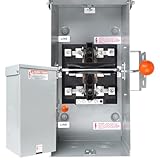
- 【100 Amp Generator Transfer Switch】This transfer switch is perfect for shifting power from the utility grid to an auxiliary source (e.g., a gas generator or solar setup). Just a quick flick of its lever guarantees seamless power management. With a max capacity of 100 amps and a 24,000 - watt power rating, it can effortlessly power your whole home, even high - demand appliances like dryers and stoves
- 【Reliable and Stable】Designed for long - term reliability, this manual transfer switch has a simple, no - fuss design with aluminum connections and zero electronic parts. Unlike electronic gadgets that often falter due to moisture, dust, and a short lifespan, this switch dodges those problems. It can keep your home powered up without a hitch for over 10 years, giving you peace of mind
- 【NEMA 3R Enclosure】Crafted from galvanized steel, this transfer switch's casing is a powerhouse, combines robustness with corrosion and rust resistance. It meets NEMA 3R standards, so it can brave harsh weather like rain, hail, and strong winds without skipping a beat, ensuring uninterrupted operation. Plus, its offers flexible wire - bending capabilities, easily fitting wires up to 3 AWG
- 【Powerful Security Protection】There's a lock hole at the base of the double throw safety switch. It keeps accidental power cut - offs at bay during regular power supply. Plus, there's a dedicated grounding spot inside. This guards against unintended electrical contact, guaranteeing total safety when you're using the switch
- 【10-Year Warranty】Installing this thing is a piece of cake - it only takes a few minutes. Even though the process is super simple, we've included detailed installation instructions. For your own safety, though, we highly suggest having a pro electrician do the job. And if you've got any questions about the product, don't sweat it! Our 24 - hour technical support team is here to help you out
Common mistakes and how to correct them
Using horsepower as the wattage
Symptom: the selected unit looks large enough on a horsepower chart but trips when the pump starts.
Correction: obtain voltage, running demand, and starting or locked-rotor data from the pump documentation. Treat the Generac 1/3-horsepower worksheet entry as an estimate, not a specification.
The Tool Desk
Outbyte Driver Updater FREEFix the driver behind crashes, sound loss and screen glitchesFind Drivers →Outbyte PC Repair FREEClear out junk files and repair common Windows errorsFree Scan →Checking only running watts
Symptom: the pump runs once the backup is connected but will not restart after pressure drops.
Correction: compare the source’s motor-start capability with the pump’s actual startup requirement. A brief surge rating must last long enough for the motor to accelerate.
Assuming battery capacity guarantees pump operation
Symptom: the battery shows substantial remaining energy, yet the inverter shuts down when the pump starts.
Correction: evaluate inverter voltage, continuous output, surge output, surge duration, and transfer compatibility separately from kilowatt-hours.
Windows Errors? Fix Them Before They Spread
Repair common Windows errors and clear accumulated junk for a smoother, more stable PC - no reinstall needed.Free scan · no reinstallCrashes, No Sound, or Screen Glitches?
Random freezes, missing sound and display glitches usually trace back to one bad driver. Find and replace yours safely.Free scan · under a minuteConnecting a hardwired pump without a transfer design
Symptom: there is no approved inlet or transfer equipment, or someone proposes feeding a household receptacle to energize the panel.
Best Value

- Current rating 50 Amps,operating voltage 240 volts,need some basic knowledge on electrical circuits
- Marks or tags on wires,its performance, convenience,and cost-effectiveness compared to pricier alternatives is best
- Contact type:normally open,terminal,normally open,supports up to 10 circuits for reliable power transfer.Great for whole-house backup or RV/off-grid applications
- Item dimensions:L x W x H:11.75 x 4.5 x 11 inches,make setup fast—even for DIY users with basic wiring experience
Correction: stop and have a qualified electrician design the connection. Do not improvise a backfeed connection.
Sizing for the house instead of the selected loads
Symptom: the backup works until the pump and another appliance start together.
Correction: create a load list, identify simultaneous motor starts, and size for the intended circuits rather than square footage.
Ignoring water planning
Symptom: the electrical backup is installed, but the household has no plan if the pump, well controls, or water system cannot operate.
Correction: keep electrical backup planning separate from water-continuity planning. The available guidance does not establish a universal stored-water quantity or a manual pumping method; those decisions depend on the property, occupants, well, storage, and local requirements.
Installation and operating safety
- Use a qualified electrician for transfer equipment, panel integration, and hardwired pump connections.
- Follow the generator manufacturer’s operating, fuel, ventilation, and placement instructions and applicable local requirements. The reviewed guidance does not establish a universal clearance distance, so do not substitute a generic number for the equipment instructions.
- Never treat a portable generator as an indoor appliance or place fuel-burning equipment where exhaust can enter the home.
- For batteries, follow the manufacturer’s installation requirements for location, clearances, temperature, wiring, disconnects, and service access.
- Before an outage, label the backed-up circuits and document the startup and shutdown procedure.
- Have the system tested under load so the pump’s pressure switch or controller can start and stop the motor normally.
A decision framework
| If your priority is… | Initial direction | Condition that must still be verified |
|---|---|---|
| Automatic operation during long outages | Investigate a permanently installed standby generator. | Automatic transfer design, fuel provision, pump starting capability, and the full essential-load list. |
| Manual, occasional backup for a known pump circuit | Investigate a properly connected portable generator. | Correct voltage, starting output, approved inlet/transfer equipment, operating procedure, and safe placement. |
| Stored-energy backup for a limited set of circuits | Investigate a battery system. | Inverter surge performance, continuous output, usable energy, charging plan, and transfer compatibility. |
| Pump plus many household loads | Start with a professional load analysis rather than a product category. | Simultaneous motor starts and the capacity of the selected source and transfer equipment. |
The correct choice is the system that satisfies the pump’s electrical requirements, connects through approved transfer equipment, and supplies energy for the outage pattern you actually face. A qualified electrician and, when necessary, a well professional should confirm the final design before purchase.
Quick Recap
Product prices and availability are accurate as of the date/time indicated and are subject to change. Any price and availability information displayed on Amazon at the time of purchase will apply.
What’s actually slowing this PC down?
Pick the symptom - the matching free tool is one click away.

