Recommended Free Tools
Before accepting an apartment, complete a room-by-room condition report, test ordinary fixtures and supplied appliances where it is safe, photograph every finding, and record the handover details in writing. Do this before moving furniture in or signing that the property is satisfactory. A careful record protects you from being blamed for pre-existing damage and gives the landlord or agent a clear list of items requiring attention.
Why the inspection matters
A move-in condition report establishes the apartment’s starting condition. NSW Fair Trading describes it plainly: “The condition report is evidence of how a rental property was before a tenant moved in.” That evidence is most useful when it is specific, dated, supported by original photographs, and completed before your belongings hide walls, floors, cupboards, or appliances.
As an Amazon Associate I earn from qualifying purchases.
Inspecting is not the same as certifying that a building is structurally sound or that gas, electrical, plumbing, or fire systems meet every legal requirement. Record what you can safely observe and operate. Report specialist concerns promptly rather than opening equipment, touching exposed wiring, or attempting repairs.
Free tools Windows power users keep installed
One-click scans. No signup required.
Prepare before the walk-through
Read the lease and condition-report instructions
Have the lease, the landlord’s or agent’s condition report, and any inventory available. Check exactly how the report must be completed, where it must be sent, and the deadline. Some jurisdictions require a particular form or return method. A verbal assurance that “there is plenty of time” is not a substitute for the written instruction.
#1 Best Overall
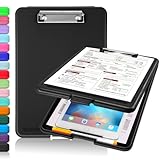
- Clip Boards 8.5x11 with Storage: The snap closure keeps documents from falling out and easy to open up with one hand, and the low-profile clip provides a strong grip. There is a hole on the back that enables you to be able to hang this clipboard up and fits on a thumbtack. Dimension: 13.4"L x 9.4"W x 0.9"D.
- Ample Storage Space: Equipped with both a pencil divider and a paper storage component that is deep enough for storing your 150 letter-sized paper sheets. Neatly store your important paperwork, writing utensils, office supplies, and anything else you may need at hand inside a clipboard case’s hinged compartment. Clipboard box can be a great asset to have when you're out in the field and need to take notes quickly.
- Sturdy & Cleanable Clipboard Case: Made of sturdy & water-proof polypropylene which is easily be wiped down to assure no spread of bacteria. High-end quality and the unique hinge-and-clasp system allow it stands up to daily use by nurse students, contractors and truck drivers.
- Keep All-in-one & Portable:A clipboard can be an organized mini desk wherever you go. Keep track of assignments completed and store the items (pens, pencils, paper, rulers) we may need all in one place with a storage clipboard. The office clipboard is slim enough to fit into your briefcase and backpack with ease but thick enough to carry a hefty stack of papers.
- Smooth Surface & Secured: The clip board surface is not only smooth but hard enough so that you can use your clipboard organizer as a handy lap desk and go mobile to write or draw while at the park or your favorite cafe setting. The storage compartment is great for protecting your clinical cheat sheet, or other important documents from getting wrinkled or wet, and you can slip the info inside and close it when you need to protect privacy.
Mark every discrepancy on the supplied form, even if the defect seems too small to matter. “Damaged” is weak evidence; “35-mm scratch on the inside edge of the bedroom door, 20 cm above the floor” identifies the condition and location.
Make sure basic services are available
Ask whether electricity and water will be on during the inspection. You cannot fairly test lights, taps, drains, heating, cooling, or appliances if services are disconnected. If a service is unavailable, write “not tested—utility off” rather than implying that the item worked.
Bring a simple evidence kit
- A phone or camera that records the date and time of each image.
- The electronic or paper condition report; a clipboard and pen are useful but optional.
- A way to store original photographs and a backup copy, such as secure cloud storage or a second device.
- A small torch for cupboards, meter areas, and dark storage spaces.
Keep the unedited image files. If you annotate a photograph, retain the original as well. Photograph the room first, then take close-ups that show the detail in context.
Use one repeatable method in every space
- Start at the doorway. Photograph the whole room from the entrance and note its general cleanliness, odours, stains, marks, and visible damage.
- Work clockwise. Inspect walls, ceilings, floors, windows, doors, cupboards, fixtures, outlets, and supplied equipment in the same order each time.
- Open and close what you can safely operate. Record sticking, missing handles, broken latches, cracked glass, leaks, unusual noise, or controls that do not respond.
- Photograph both context and detail. A wide image identifies the room; a close image records the scratch, crack, stain, or loose fitting.
- Label the report immediately. Use a room name, location, description, photograph number, and whether the item was tested.
Room-by-room inspection checklist
Entrance, hallways, and living areas
- Look for dents, scuffs, nail holes, cracks, water marks, peeling paint, and stains on walls and ceilings.
- Check flooring for lifting edges, loose boards, broken tiles, burns, deep scratches, and trip hazards.
- Operate the entrance door, internal doors, handles, hinges, catches, and any door closer. Note doors that do not latch or lock.
- Test light switches and record dead bulbs, flickering, or damaged fittings.
- Visually inspect accessible electrical outlets and switches. Record loose faceplates, scorch marks, cracks, or exposed conductors; do not touch unsafe wiring.
- Open windows if safe. Check handles, locks, seals, glazing, screens, and signs of condensation or water entry.
- Inspect built-in cupboards and shelves for missing parts, dampness, broken hinges, and existing stains.
Kitchen
- Inspect worktops, splashbacks, cabinet doors, drawer runners, seals, and kickboards for chips, swelling, stains, or missing hardware.
- Run each tap briefly and check underneath the sink for visible leaks. Do not leave water running unattended.
- Fill the sink enough to confirm that it drains normally, then check for seepage. Stop if drainage is slow or water threatens to overflow.
- Test the supplied cooker, oven, extractor, refrigerator, freezer, dishwasher, and other listed appliances only according to their ordinary controls and safety instructions.
- Record the result for each appliance: tested and operating, tested with a fault, or not tested because power, water, or another condition was unavailable.
- Check the refrigerator and freezer interiors for cleanliness, damage, odour, shelves, seals, and evidence that they maintain temperature only if you have enough time and an appropriate thermometer; do not claim a temperature result without measuring it.
- Look for visible signs of pests, mould, grease accumulation, or water damage around appliances and plumbing.
Bathrooms and toilets
- Run basin, shower, and bath taps briefly; check hot and cold controls where the system allows and look beneath fittings for leaks.
- Operate the toilet flush once or as appropriate. Check that it refills, does not run continuously, and does not leak around the base.
- Inspect grout, sealant, tiles, screens, doors, mirrors, ventilation fans, and ceiling corners for mould, cracks, missing sealant, or water damage.
- Test drains with a small amount of water, taking care not to flood the room.
- Check bathroom doors, locks, lights, shelves, towel rails, and any accessible heating or ventilation controls.
Bedrooms, closets, and storage
- Record the condition of paint, flooring, skirting boards, wardrobes, shelves, drawers, and window coverings.
- Open every included closet and storage door. Note damp smells, staining, mould, missing shelves, damaged rails, and items left behind.
- Check window operation, locks, screens, and visible condensation. Photograph any cracked pane or damaged frame.
- Confirm that supplied fixtures such as lights, fans, heaters, or air-conditioning controls respond when operated safely.
Balcony, exterior access, parking, and storage
- Inspect balcony or terrace flooring, railings, gates, drains, screens, and visible water damage. Do not climb or lean over barriers to inspect inaccessible areas.
- Check that balcony and exterior doors close and lock. Note obstructions or damaged emergency exits.
- Walk the included parking bay or garage and record its number, access condition, stains, damage, lighting, and any storage cage or locker.
- Photograph meters, access panels, and shared-area defects only where you are permitted to do so; distinguish your apartment’s condition from common-property issues.
What to record for each defect or test
| Item | Record | Example |
|---|---|---|
| Location | Room and precise position | Kitchen, left cabinet beside sink |
| Condition | What is visible, not a vague label | Laminate swollen along 12-cm lower edge |
| Test status | Tested, failed, or not tested and why | Dishwasher not tested—water supply off |
| Evidence | Wide and close photograph references | Images 014 and 015 |
| Action | Repair, cleaning, replacement, or monitoring requested | Agent to replace cracked outlet cover |
Describe cleanliness as well as physical damage. Record dust, grease, rubbish, stains, odours, and items left behind when they affect the condition in which you received the property. Minor marks belong on the report because a later comparison may otherwise make them appear new.
Rank #2

- High Capacity: Storage clipboard built-in a paper storage box and a pencil case, large enough to hold up 200 sheets of A4 paper and 6 pencils. Allows to store most daily office supplies and keep them organized
- Built to Last: Clip board with storage is made of thick plastic, high-impact, anti-fray and have a smooth surface to write on. Unique hinge-and-clasp system can withstand daily use and will not fall apart after millions of opens and closes
- Easy to Use: Allows for side opening like a book, Quickly accessing your office supplies is a breeze. There is a strong metal clip on the top that can hold your instant documents for easy reading and writing at any time
- Securely Closed: Unique latches is very rnduring, and strong enough to keep both compartments closed tightly. It securely holds your paper, pens and all office accessories, no more worry about falling pff or getting lost
Test appliances and fixtures without creating risk
Operate only normal user controls. A cooker can be switched on according to its instructions; an electrical panel should not be opened. A tap can be run briefly; a blocked drain should not be dismantled. Stop immediately if you smell gas, see sparking, hear a dangerous electrical noise, or identify active flooding. Move away, notify the landlord or agent through the urgent repair process, and follow local emergency guidance.
For supplied appliances, write down the make and model only if it helps identify the item, and note missing shelves, trays, remote controls, filters, or manuals. If an appliance cannot be tested, state the reason and ask for a written confirmation of when it will be demonstrated or repaired. Never record “working” merely because an appliance is present.
Check smoke alarms, locks, and escape routes
Smoke alarms and fire safety
Locate every smoke alarm and check its apparent presence and operation according to local guidance. If a test button is provided and local instructions permit testing, record the result; do not remove the alarm or tamper with wiring. Note missing, damaged, expired, or inaccessible alarms and raise the concern immediately.
Ask the jurisdiction-specific question, “Is there a working smoke alarm on each floor?” England’s government safe-home guidance uses that formulation while also addressing escape routes. Its statutory details apply to England, not automatically to another country or building type.
Rank #3

- Excellent Design: Including a low-profile metal clip with ergonomic finger grips; 2 compartments ensure roomy space for various needs of storage. There is a hole on the back that enables you to be able to hang this coach clipboard up.
- High Capacity: Equipped with both a paper storage component that holds twice as much paper as other clipboards and a built-in pencil case. The high-capacity medical clipboard can securely hold up more than 200 letter-sized documents, and up to 6 pencils.
- Durable & Cleanable Clipboard Case: Made of sturdy & water-proof polypropylene which is easily be wiped down to assure no spread of bacteria. High-end quality and the unique hinge-and-clasp system allow it stands up to daily use.
- Keep All-in-one:Keep track of assignments completed and store the items (pens, pencils, paper, rulers) we may need all in one place with a storage clipboard.
- Smooth Surface: The 10"W x 1-1/4"D x 14-1/2"H clip board surface is smooth and hard enough so you can write and draw on the surface even when you are standing.
Locks and escape access
- Test the main entrance lock, deadlock, latch, window locks, and any secondary access device from the normal tenant side.
- Confirm that you can identify the permitted escape route and that it is not blocked by stored items, locked gates, or defective doors.
- Report security or life-safety concerns before moving in, using the local urgent repair or emergency channel when appropriate.
Complete the handover record
Count every access device
Count keys, fobs, remotes, swipe cards, mailbox keys, parking transmitters, and storage keys. Write the quantity and identify which door or facility each item opens. Test access where safe and permitted. A missing key is a handover discrepancy, not an informal detail to remember later.
Confirm utilities and included services
Read the lease to determine which utilities are included in rent and which accounts you must arrange yourself. Clarify electricity, gas, water, heating, cooling, internet, waste collection, parking, and any service charges. Record meter readings and meter numbers when the lease or local procedure requires them, with a timestamped photograph.
Put repair promises in writing
For every promised repair or cleaning task, record the problem, responsible party, expected completion date, and access arrangement. If work must occur before possession, obtain a written agreement. A message confirming “replace the leaking tap by 18 October” is more useful than a general promise that it will be handled.
Submit the report and preserve your evidence
- Finish the form, including “not tested” entries and all photographs referenced by number.
- Sign and date it where required.
- Send it through the locally required method before the applicable deadline.
- Ask the landlord or agent to confirm receipt.
- Keep the submitted copy, photographs, emails, messages, and any repair schedule for the tenancy.
There is no single worldwide deadline. The required period depends on the location and tenancy rules, so follow the form and official instructions that apply to your apartment. If the landlord or agent refuses to acknowledge an accurate discrepancy, retain proof that you sent it on time and use the local tenancy or consumer process.
Rank #4

- Excellent Design: Including a low-profile metal clip with ergonomic finger grips; 2 compartments ensure roomy space for various needs of storage. There is a hole on the back that enables you to be able to hang this coach clipboard up
- High Capacity: Equipped with both a paper storage component that holds twice as much paper as other clipboards and a built-in pencil case. The high-capacity medical clipboard can securely hold up more than 200 letter-sized documents and legal pads, and up to 6 pencils.
- Durable & Cleanable Clipboard Case: Made of sturdy & water-proof polypropylene which is easily be wiped down to assure no spread of bacteria. High-end quality and the unique hinge-and-clasp system allow it stands up to daily use
- Keep All-in-one:Keep track of assignments completed and store the items (pens, pencils, paper, rulers) we may need all in one place with a storage clipboard
- Smooth Surface: The 10"W x 1-1/4"D x 14-1/2"H clip board surface is smooth and hard enough so you can write and draw on the surface even when you are standing
Jurisdiction examples: do not combine these rules
New South Wales, Australia
NSW guidance says the landlord or agent must provide a completed condition report before or when the tenancy agreement is given for signing. The tenant completes their part, is encouraged to take photographs, and returns a completed copy within seven days after possession while keeping a copy. NSW Fair Trading recommends room-by-room descriptions, detailed timestamped photographs, recording minor damage, and noting visible electrical hazards. If repairs are needed before move-in, NSW guidance says there should be a written agreement.
Queensland, Australia
The Queensland Residential Tenancies Authority’s New Tenant Checklist suggests checking taps, the dishwasher, large appliances, doors, locks, and keys. It also provides separate information about entry condition reports. Use the current Queensland form and instructions for the deadline and procedure rather than importing the NSW seven-day example.
New Zealand
Tenancy Services advises both landlord and tenant to sign and date the initial inspection report and keep a copy. The report can later be compared with the property’s condition to identify new damage. Make sure both parties have the same dated version.
Quick wins for a faster PC:
Clear out junk files and repair common Windows errorsFree Scan →Fix the driver behind crashes, sound loss and screen glitchesFind Drivers →Repair Windows errors before they cause bigger problemsFix Now →England
UK government safe-home guidance covers working smoke alarms and escape routes, among other safety matters, and describes landlord obligations specific to England. Those statutory details should not be treated as universal requirements in Wales, Scotland, Northern Ireland, Australia, New Zealand, or elsewhere.
Best Value

- Unrivaled Durability & Ultimate Protection: Built for tough work environments with rubber corner bumpers and high-strength plastic, this clipboard is built to endure the toughest environments, preventing accidental drops and impacts. With a real hinge and tight snap closure, it ensures unparalleled durability
- Internal Pen Pouch Organizer: Our storage clipboard features an extra nylon pouch inside, equipped with three compartments – two mesh pockets for smaller items and one larger pocket for bulkier essentials. Provide a place for your pens, calculator, sticky notes, ruler, or business cards
- Spacious yet Portable: Our letter-size clipboard stands out with ample storage for 8.5x11”/ a4 papers, maintaining its compact and portable design for enhanced convenience compared to legal size options
- Weather-resistant: Drawing on valuable voice from our users, we've removed the back hole to ensure water resistance. Say goodbye to worries about spills or unexpected weather - keep important internal documents safe and dry wherever your busy schedule takes you
- Versatile Performance: More than just a clipboard – it's a multi-functional work companion! Whether you're jotting down notes, signing contracts, or presenting proposals, this clipboard rises to every occasion with unmatched efficiency. Ideal for office, school, and home use
If you are choosing between apartments
A condition report is also a practical comparison tool before you commit. Do not rank apartments by cosmetic appearance alone. Compare the evidence you can verify:
| Comparison area | Questions to ask |
|---|---|
| Visible condition | Is damage documented clearly, including minor marks, stains, and missing items? |
| Fixtures and appliances | Were supplied items actually operated, and are faults acknowledged in writing? |
| Safety and access | Are locks, alarms, windows, and escape routes present, accessible, and free of obvious concerns? |
| Repair commitments | Is each promised repair assigned to a responsible party with an expected date? |
| Utilities and services | Does the lease clearly state what is included and which accounts you must open? |
| Handover completeness | Are all keys, fobs, remotes, documents, parking spaces, and storage areas accounted for? |
The official guidance does not establish a universal numerical score. Use the comparison to expose unanswered questions and uncertain costs, not to create a false precision.
Common mistakes and what to do instead
- Only photographing major defects: record minor scratches, stains, dents, and missing parts as well.
- Taking close-ups without context: pair every detail image with a room-wide view.
- Writing “everything fine”: list what was inspected and identify items not tested.
- Testing unsafe equipment: stop at visible hazards and report them; do not attempt electrical, gas, structural, or plumbing repairs.
- Relying on verbal promises: send a written summary with the responsible party and date.
- Missing the submission deadline: read the local instructions before the walk-through and set a reminder for the required return date.
- Leaving evidence on one phone: preserve the original files and a separate backup.
After you move in
Keep observing the apartment during the first days. If a concealed leak, appliance fault, or safety issue appears after normal use, report it promptly and distinguish it from the original condition report. Do not alter the original report to fit a later event; send a dated follow-up describing when the new problem was discovered and what changed.
Windows Errors? Fix Them Before They Spread
Repair common Windows errors and clear accumulated junk for a smoother, more stable PC - no reinstall needed.Free scan · no reinstallOutdated Drivers Are Slowing You Down
One free scan finds every outdated or missing driver and matches the right update for your exact hardware.Free scan · exact hardware matchConsider renters insurance separately from the inspection. Government renter guidance describes policies that may help protect personal belongings, liability, and additional living expenses, but coverage, exclusions, limits, and prices vary. Review the actual policy rather than assuming every policy includes all three categories.
Quick Recap
Final handover check
- Condition report completed room by room.
- Minor and major damage described with locations.
- Wide and close photographs saved with timestamps.
- Fixtures and supplied appliances marked tested or not tested with reasons.
- Visible electrical, plumbing, gas, structural, or fire-safety concerns reported without attempting repair.
- Smoke alarms, locks, windows, and escape access checked according to local guidance.
- Keys, fobs, remotes, mailbox access, parking, and storage counted.
- Utility responsibilities and meter information confirmed against the lease.
- Repair promises and completion dates written down.
- Report submitted by the applicable local deadline and a copy retained.
Product prices and availability are accurate as of the date/time indicated and are subject to change. Any price and availability information displayed on Amazon at the time of purchase will apply.

